Pvc-Coated Polyester Vs Vinyl: Best Fabric for Patio Sets
You’ll find PVC-coated polyester offers superior comfort and lower costs, lasting 5–8 years with better freeze-thaw performance, while vinyl provides extended durability of 7–10 years with maximum waterproofing. PVC-coated polyester remains softer after cleaning and handles temperature fluctuations better for diverse climates. Vinyl’s heavier coating creates stiffness in warmth but excels in high-moisture environments. Your choice depends on climate, comfort priorities, and budget constraints—each material’s strengths reveal themselves across different conditions.
Structure and Composition: Understanding the Base Materials
PVC-coated polyester fabric starts with a core of high-tenacity polyester yarns—typically 1000D or 2000D denier—that you’ll find engineered for maximum strength and durability. Manufacturers pre-treat these yarns for UV resistance and color stability before applying the protective coating.
The standard composition reaches approximately 70% PVC and 30% polyester by weight. During manufacturing techniques, producers apply PVC through extrusion or dip-coating processes, with coating thickness ranging from 0.3mm to 1.2mm depending on application requirements.
This layered structure creates superior fabric properties: the polyester core provides tensile strength and dimensional stability, while the PVC coating adds rigidity and environmental protection. You’ll benefit from an open-weave structure that balances breathability with durability, making this material ideal for outdoor patio furniture applications.

Larger openings provide better airflow and drainage, making this version more flexible and breathable for outdoor repair and DIY projects.

Larger openings provide better airflow and drainage, making this version more flexible and breathable for outdoor repair and DIY projects.

Fade Resistant
Water and Moisture Resistance: Protecting Your Patio Investment
When you’re investing in patio furniture, moisture resistance becomes one of the most critical performance metrics—and that’s where the composition differences between PVC-coated polyester and vinyl truly matter.
PVC coating creates an impermeable moisture barrier that prevents water penetration into your furniture’s core materials. Vinyl-coated polyester mesh wicks moisture on contact and air-dries rapidly due to its construction, effectively handling rain, dew, and pool splash exposure. Both fabrics excel at mold prevention by repelling water and reducing moisture accumulation in seams and weave patterns. Quality marine-grade materials combined with proper fabric selection enhance long-term durability and performance.
The individually extruded vinyl-coated polyester yarn provides extended protection against freezing-thaw cycles, maintaining dimensional stability through seasonal temperature fluctuations. Quick-drying capabilities ascertain your furniture remains usable shortly after weather exposure. Solution-dyed polyester variants offer enhanced UV resistance and color retention compared to regular polyester, providing superior long-term protection for your outdoor investment. This moisture resistance directly extends your investment’s lifespan while reducing maintenance demands.

【Patio Chair Replacement Fabric】2 Yards ×1.5M roll. Repair sagging, ripped, faded outdoor sling chairs, loungers & poolside seating. Covers multiple refurb projects, refresh old patio furniture and save money.patio chair mesh replacement kit

Durable Sling Fabric: sling chair replacement fabric made from PVC-coated polyester mesh, this sling chair replacement fabric is strong, flexible, and built for long-lasting outdoor use; The vinyl material dries quickly after rain, resists weather damage, and holds up to sun exposure, making it ideal for poolside, deck, and patio seating where moisture and heat build up

Denser construction gives this version a firmer feel and stronger support than open weave mesh.
Comfort and Skin Contact: Which Fabric Feels Better
How much does fabric composition actually influence the comfort you’ll experience during extended lounging sessions? The answer is substantial. PVC-coated polyester delivers a superior tactile experience compared to vinyl, offering a softer, more natural feel against your skin during prolonged contact. Vinyl’s heavier PVC layer creates a stiffer, plastic-like sensation that becomes increasingly uncomfortable in warm conditions.
You’ll notice polyester’s flexibility allows it to conform to your body’s contours, reducing pressure points while maintaining consistent comfort across temperature ranges. Vinyl’s rigidity limits this conformability, compromising ergonomic support. Additionally, polyester retains its comfortable hand-feel after repeated cleaning, whereas vinyl remains stiff regardless of maintenance. For seating surfaces where skin contact matters, polyester’s balanced protection and tactile comfort clearly outperforms vinyl’s structural limitations.
Durability and Environmental Performance: Long-Term Reliability
While comfort matters for occasional use, your patio set’s longevity depends entirely on how well its fabric withstands environmental stress and structural demands. Your performance comparison reveals distinct trajectories: PVC-coated polyester lasts 5–8 years with proper maintenance, while vinyl extends to 7–10 years. Vinyl’s rigid construction resists splitting under pressure, whereas PVC-coated polyester maintains elasticity and tensile strength over time. For fabric longevity, vinyl dominates high-moisture environments through 100% waterproofing, making it ideal for marine applications. PVC-coated polyester better handles freeze/thaw cycles and offers versatile outdoor use. Both materials resist tearing and remain easily maintainable. Your choice hinges on climate: select vinyl for coastal humidity or PVC-coated polyester for temperature fluctuations and diverse applications.

Snug Fit & Windproof Design: Featuring elastic edges, this picnic table cover with bench covers hugs every corner, ensuring a secure fit that stays put even in windy conditions. No more slipping, tugging, or tripping—perfect for outdoor camping, backyard barbecues, and beach picnics.

OEKO-TEX and SGS Certified for Safety & Durability: Crafted from superior woven vinyl (70% PVC, 30% polyester), these placemats are built for exceptional durability. Certified safe by both OEKO-TEX and SGS, they guarantee no harmful chemicals, offering trusted quality for daily family meals, indoors or outdoors.

Professional Quality:Our placemats are made of 70% PVC and 30% polyester, making them both durable and easy to clean. The high-quality Eco-friendly PVC ,Protect your dining table while making mealtime more enjoyable with our heat, stain, and water-resistant placemats that are designed for long-term use.
Maintenance and Cleaning: Keeping Your Patio Set Looking New
Since both PVC-coated polyester and vinyl fabrics demand consistent upkeep to maintain their protective properties and appearance, you’ll want to establish a predictable cleaning schedule that prevents premature degradation. Implement routine cleaning every 3–4 weeks using mild dish soap and water with a soft sponge, then conduct deep cleaning quarterly or seasonally. Your cleaning frequency directly impacts stain prevention and longevity. Address spills immediately to prevent mildew and permanent discoloration, particularly in moisture-prone crevices and overlaps. For PVC-coated polyester, machine wash removable covers if applicable and air dry completely. Vinyl requires hand washing with mild detergent and warm water—avoid machine washing. Never use harsh chemicals or bleach unless manufacturer-approved. Remove organic debris regularly and inspect hardware for corrosion during maintenance cycles. Always promptly dry fabric surfaces with a soft towel after cleaning to prevent water spots and rust that can compromise both the fabric and underlying metal frame. Applying weatherproof sealants designed for your specific fabric material provides an additional layer of protection against environmental damage throughout the year.
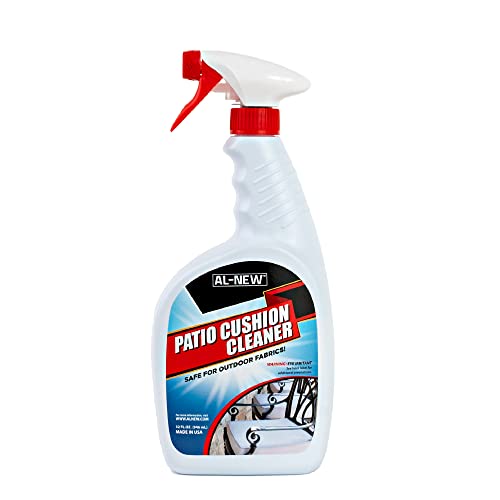
Best Way to Clean Outdoor Patio Cushions, Fabric Cushions, Patio Furniture Covers, Sunshades & Sail Cloth, Fabric Awnings, Umbrellas & More!

EFFECTIVELY REMOVES MOLD & MILDEW STAINS – Designed to eliminate tough outdoor mold, mildew stains, dirt buildup and organic staining from patio cushions and outdoor furniture fabrics.

VERSATILE FABRIC & VINYL CLEANER — Effectively works on Sunbrella fabrics & vinyl - upholstery, cushions, umbrellas, boat covers, Bimini tops, and more, ensuring thorough cleaning for water-safe textiles.
Cost and Best Uses: Making the Right Choice for Your Needs
After you’ve mastered the maintenance requirements for both materials, the decision between PVC-coated polyester and vinyl ultimately hinges on your budget, intended application, and environmental conditions.
PVC-coated polyester typically costs less than premium vinyl, offering moderate pricing with strong durability—lasting 5–8 years under heavy use. You’ll find vinyl more expensive upfront but potentially longer-lasting at 7–10 years, making it ideal for commercial or marine environments where durability justifies the investment.
For budget considerations, evaluate your specific needs. Choose PVC-coated polyester for residential patio sets prioritizing comfort and seating surfaces. Select vinyl for high-traffic outdoor furniture or harsh conditions where superior abrasion resistance matters.
These material trade-offs mean your choice depends less on which fabric is “better” and more on matching performance characteristics to your actual usage patterns and financial constraints.
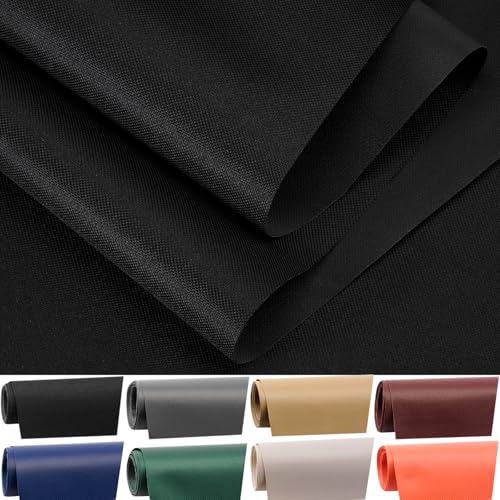
【Size】Waterproof Canvas Cloth Fabric by the yard, 60" width, 5 yards, available in different colors.

【Applicable Size】This waterproof patio sofa cover fits standard 3-seater 76-81 inches outdoor wicker, teak, and metal sofas (up to 81"W x 32"D x 35"H). For the best fit, measure your sofa and choose a cover 1-3 inches larger

Focusing on subtle patterns that read as textures, Sunbrella Sling allows you to achieve an elevated indoor aesthetic in an outdoor setting. Unlike a traditional PVC sling that is stiff and uncomfortable, Sunbrella Sling blends the strength of PVC with the softness of Sunbrella acrylic yarn for added comfort. Blending natural color palettes with novelty threads for added texture and luxury, Sunbrella Sling is ideal for crafting fully-upholstered furniture pieces for outdoor patios and other traditional sling applications.