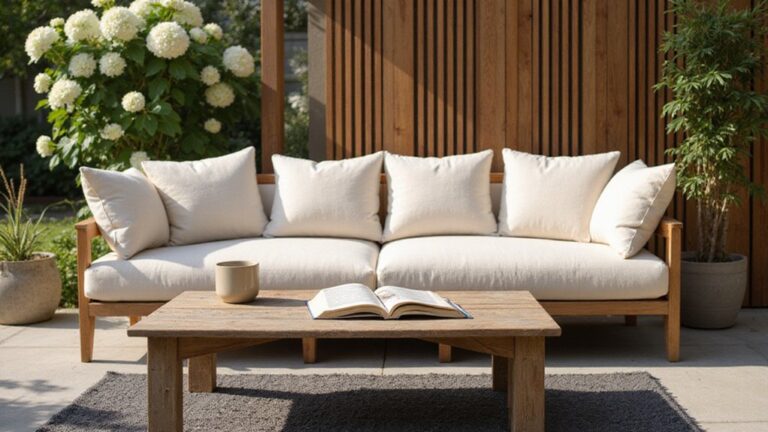
Painting Patio Furniture: Tips for Working With Mesh
You’ll start by removing debris and cleaning your mesh thoroughly with mild detergent. Sand lightly to improve paint adhesion, then apply an enamel primer or cold-galvanizing spray in thin, even coats using an 8–12 inch distance. Use a crosshatch pattern to prevent runs on delicate mesh areas. Allow 1–2 hours between coats. For detail work, grab a 1-inch brush to reach tight spots. After curing for 24–48 hours, seal with UV protection. Uncover how proper maintenance transforms your furniture into lasting outdoor fixtures.
Getting Your Mesh Furniture Ready for Paint
Before you apply any paint, you’ll need to thoroughly prepare your mesh furniture to guarantee the finish adheres properly and lasts. Start by removing loose debris, dirt, and dust with a stiff brush or vacuum. Use mild detergent to clean the mesh thoroughly, then rinse and dry completely.
For mesh cleaning techniques, apply a green scrubby pad gently for stubborn grime, avoiding harsh chemicals that degrade the material. Regarding rust removal methods, inspect for rust spots and use 180- to 220-grit sandpaper for light rust or 80-grit sandpaper for heavy corrosion. Wipe away all dust with a clean, dry cloth.
Next, lightly sand the mesh to create a dull surface for better paint adhesion. Use a tack cloth to remove remaining dust particles, and avoid touching the mesh with bare hands to prevent oil transfer.
Selecting the Right Paint and Equipment
Once you’ve prepared your mesh furniture’s surface through cleaning, sanding, and dust removal, you’re ready to choose the paint and equipment that’ll deliver a durable, weather-resistant finish.
For primer types, select enamel primer or cold-galvanizing spray to prevent rust and guarantee proper adhesion. Alternatively, choose spray paints with built-in primer to streamline your process.
For paint colors and topcoats, Rustoleum All In One and Krylon indoor/outdoor spray paints offer excellent rust protection and weather resistance. Both brands provide extensive paint colors suitable for any aesthetic preference.
Your equipment needs remain minimal: spray paint cans, clear outdoor sealant, and protective gear including gloves and masks. After painting, apply clear outdoor sealant to protect against UV damage and moisture, assuring long-lasting results. Just as a quality deck cleaner removes contaminants before staining wood, selecting the right primer ensures optimal paint adhesion on metal mesh furniture.

Weather and corrosion resistant coating protects exterior/interior surfaces like wood, metal, concrete, masonry and more
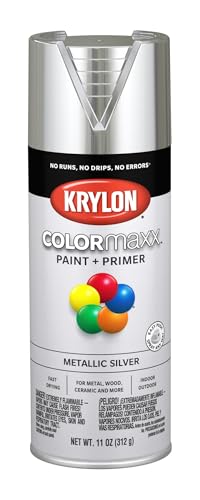
SPRAY PAINT AND PRIMER – Krylon COLORmaxx Spray Paint and Primer provides a smooth application with a brilliant, metallic sheen. This primer and spray paint can be used on wood, metal, wicker, most plastics, glass, plaster/ceramic, fabric, paper and more.

Weather and corrosion resistant coating protects exterior/interior surfaces such as wood, metal, concrete and masonry
Mastering the Spray Painting Process
With your primer applied and equipment ready, you’ll now execute the spray painting technique that’ll transform your mesh furniture into a durably finished piece.
Hold your spray can 8–12 inches from the surface, using a crosshatch spray pattern technique—alternating side-to-side and up-and-down strokes for uniform coverage. Apply thin, even coats to prevent runs and drips on delicate mesh areas.
Managing overspray requires strategic placement of drop cloths behind your furniture to protect surrounding surfaces. Work in sections, focusing on one area at a time while maintaining a light touch to prevent paint pooling. For outdoor mesh furniture, latex paint offers quick drying times and flexibility to accommodate wood expansion and contraction between coats.
Allow 1–2 hours between coats for proper drying and adhesion. Rotate your furniture to access all angles, ensuring complete and even coverage before applying subsequent layers. While spray painting is faster and better for complex shapes like mesh furniture, brush painting offers more control for detailed areas if you prefer an alternative approach.

Use to refresh and recolor outdoor fabrics including furniture cushions, pillows and more; not recommended for sun umbrellas
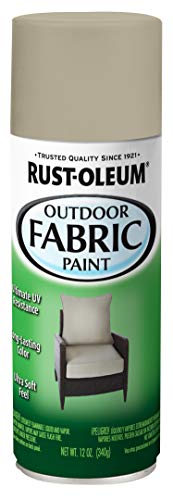
FABRIC RESTORATION: Restores faded outdoor cushions, pillows and outdoor fabric surfaces with rich Medium Gray color

Ideal for use on interior/exterior surfaces including wood, plastic, plaster, metal, masonry and unglazed ceramic
Using Brushes for Detail and Touch-Up Work
While spray painting covers broad surfaces efficiently, you’ll want brushes to handle the intricate details that spray cans can’t reach effectively. Select a 2 to 3 inch angled brush for edges and a 1 inch detail brush for tight spaces around mesh sections. Fine-bristle brushes prevent paint pooling in mesh holes.
For touch up techniques, use your detail brush on chipped or missed areas, matching both color and sheen precisely. Feather the edges into surrounding paint for seamless blending. Lightly sand touch-up spots beforehand to improve adhesion. Apply minimal paint to avoid buildup and preserve mesh texture.
Work in thin, even strokes, guiding paint directly into mesh holes for complete coverage. Maintain a wet edge throughout to eliminate lap marks and guarantee consistent results.

Flexible purple Shergrip handle that measurers only 2 Inches long that adds maneuverability in tight spaces

2 Inch Angled Paint Brush for Precision Cutting-In – Designed for clean, sharp lines around trim, baseboards, ceilings, corners, and detailed edge work. The perfect size for control and coverage.
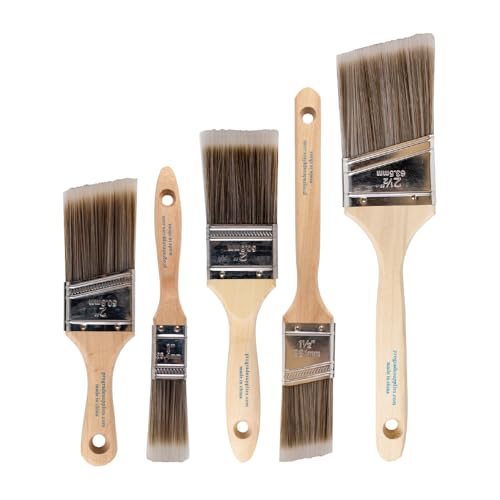
COMPLETE 5-PIECE BRUSH SET FOR EVERY PAINTING TASK — Includes 1 Inch Flat, 1.5 Inch Angle, 2 Inch Flat, 2 Inch Angle Stubby, and 2.5 Inch Angle brush giving you every size professional painters use daily. Get all 5 for less than the price of a single brush from hardware store brands — professional grade performance at a fraction of the cost. Perfect for walls, trim, cabinets, doors, furniture, and detailed cutting-in work on any project.
Drying, Curing, and Sealing Your Furniture
After you’ve finished painting your patio furniture, patience becomes your greatest asset. Your drying times depend on the paint type you’ve selected. Acrylic spray paint requires one to two hours for initial drying, while alkyd oil-based formulations need four to six hours. Don’t rush this phase—check your product label for exact specifications.
The curing duration is equally critical. Allow your furniture twenty-four to forty-eight hours before moving or using it. This waiting period guarantees the paint hardens completely and won’t damage under activity. Keep furniture protected from direct sunlight, rain, and weather exposure throughout this window. Just as local building codes ensure structural integrity in deck projects, following proper curing guidelines protects your furniture investment.
Once fully cured, apply weatherproofing sealants and UV protection sprays. For outdoor wooden furniture like cedar, varnish finishes offer superior weather resistance compared to polyurethane alternatives. These additional layers create a thorough barrier against environmental elements, considerably extending your furniture’s longevity and maintaining finish quality.

REPAIR AND PROTECT: Bring back vibrant color and shine to single-stage paint, metal, plastics, and fiberglass while preventing further damage, rusting, and fading.

Repels moisture as it enhances wood's natural beauty. Protect your outdoor furniture from mother nature and protect your investment.

All-in-one protection and color – Combines premium wood stain and durable sealant for easy application, offering a rich palette of colors while shielding against UV rays, moisture, and weathering
Keeping Your Painted Furniture in Top Condition
Your furniture’s longevity depends on consistent maintenance once the protective coatings have fully cured. Establish monthly cleaning protocols using soft-bristled brushes and mild soap solutions to remove debris without damaging paint finishes. Lint-free cloths prevent residue buildup that compromises protective layers.
Monitor for paint deterioration signs regularly. Flaking, peeling, rust spots, or discoloration indicate immediate intervention’s necessary. Address chipping patterns in high-traffic areas promptly through spot cleaning or light touch-ups before damage spreads.
Apply rust-resistant topcoats annually, adjusting frequency based on your climate and usage patterns. When primer exposure appears, reapply before coating additional layers. Allow sufficient drying time between applications to ensure each coat fully cures before adding protective layers. Ensure furniture is completely dry after cleaning to prevent moisture damage that can compromise your protective finishes. Store furniture indoors during off-seasons and cover pieces when unused to minimize UV exposure and weather damage. Proper storage in ventilated, dry locations prevents moisture absorption and finish degradation.
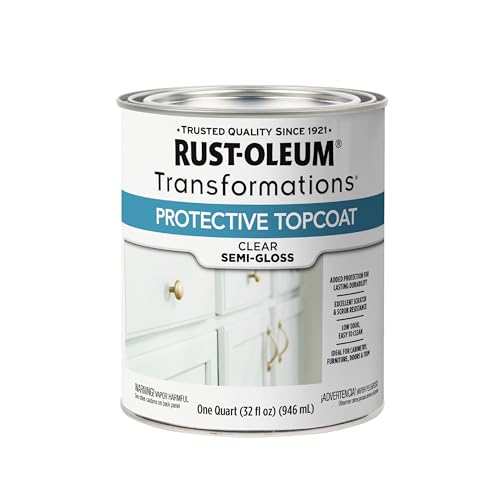
SCRATCH & STAIN RESISTANT PROTECTION: Resistance to everyday scratches and stains, providing a durable protective layer for interior painted, stained, or bare wood surfaces

Perfect for refinishing and protecting exterior wood such as picnic tables, chairs, swing sets and more

Eco-Friendly, Low VOC: Crafted with an ultra-low VOC formula, our 4oz clear coat keeps your creative space fresh and inviting. Enjoy sealing your projects without worrying about harsh smells or chemicals.
Extending the Life of Your Patio Investment
Because patio furniture represents a significant investment, strategic choices in materials, protection, and maintenance can dramatically extend its usable lifespan. You’ll maximize your furniture’s durability by selecting weather-resistant materials—teak wood lasts 20–40 years, while powder-coated aluminum withstands 15–25 years in harsh climates. Cast aluminum’s rust resistance makes it particularly effective for coastal and humid environments where other materials may corrode more quickly. Implement weather protection through quality covers and sheltered storage during off-seasons, which can extend furniture life by 2–3 times compared to exposed pieces. Regular maintenance routines—annual sealing, prompt rust repairs, and frequent cleaning—prevent deterioration and add 3–5 years to metal furniture. For wood furniture specifically, applying protective coatings such as deck coating products can significantly enhance weather resistance and longevity. High-use pieces require more aggressive care schedules than low-use items. By combining durable materials with consistent protective measures, you’ll transform your patio furniture from a temporary fixture into a long-lasting outdoor asset.