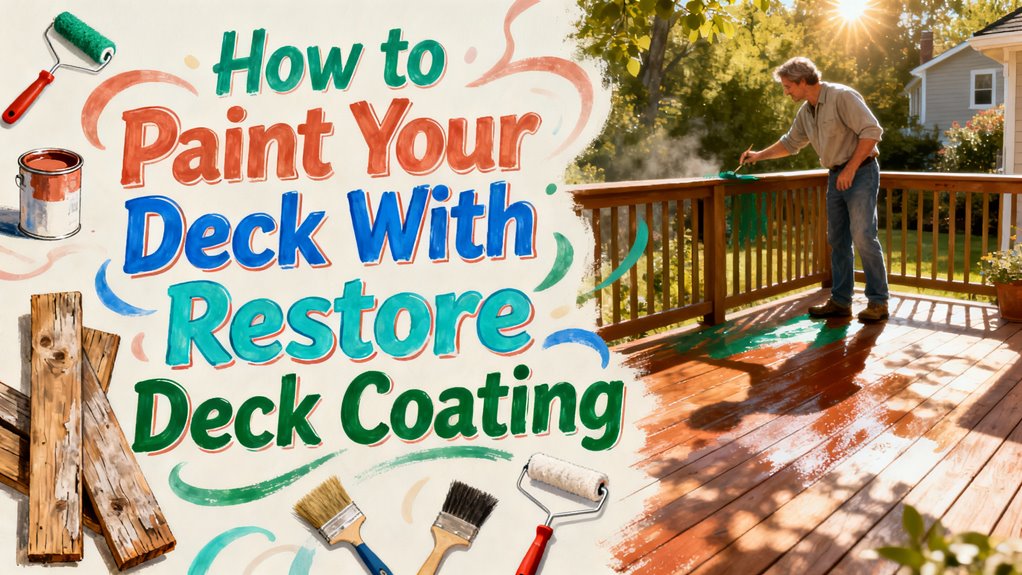
How to Paint Your Deck With Restore Deck Coating
You’ll transform your weathered deck by following Restore Deck Coating’s systematic process. Start by thoroughly preparing the surface—strip old coatings, sand with 50-60 grit sandpaper, and repair any damaged boards. Next, clean debris and allow overnight drying. Apply wood primer with a ⅜” nap roller, then apply two coats of acrylic coating, waiting 4-6 hours between applications. The deck dries to touch in 2-4 hours, but reaches full cure in 3-4 weeks. Each step’s specific techniques greatly impact your final results.
Preparing Your Deck Surface
Before you’ll need to thoroughly prepare the surface by removing old stain, cleaning away debris, and treating the wood. Start with a surface inspection checklist to identify mold, stubborn stains, or existing sealers requiring removal.
Apply Restore-A-Deck Stain Stripper to your misted deck and allow 10-15 minutes dwell time. Keep the surface wet to prevent premature drying. Pressure wash at 1500-2000 PSI or hand scrub vigorously to eliminate old coatings and gray fibers.
Next, sand your entire deck with 50 or 60 grit sandpaper, focusing on warped boards and sanding both lengthwise and across the board width. These deck preparation techniques open wood pores for maximum coating adhesion.
Finally, make sure your surface is completely clean and free of dirt, grease, and organic growth before proceeding to cleaning and brightening stages. Allow 24 to 48 hours of drying time after cleaning to ensure the wood is completely dry before applying your stain. Proper preparation is essential to ensure stain adhesion and a long-lasting finish that will protect your deck for years to come.
Removing Damaged Boards and Splinters
Once you’ve prepared your deck’s surface, you’ll need to inspect and address any structural damage that could compromise both safety and the longevity of your coating. Use a circular saw to remove rotted sections back to the centerline of the nearest joist. For extensive damage, remove entire boards. Take safety precautions by wearing protective equipment when cutting and handling debris.
When replacing boards, prioritize board selection by matching the original thickness and width. For most residential decks, standard 1″ thick, 5.5″ wide boards are recommended, though thicker boards may be necessary for wider joist spacing. Secure new decking with corrosion-resistant screws, spacing them per manufacturer specifications. Before installation, ensure you assess the deck for hazards and carefully protect the underlying frame during removal. Remove large splinters with a putty knife and sand affected areas with coarse grit paper. Reset any raised nailheads below the surface using a nailset. Walk your entire deck afterward, confirming all repairs are secure and level before proceeding to coating application.
Filling Cracks and Securing Fasteners
After you’ve addressed structural damage and splinters, you’ll need to secure any raised fasteners and fill cracks to prevent water infiltration and guarantee a smooth surface for coating application.
Begin fastener securing by hammering down nail heads and tightening protruding screws. Replace any missing fasteners with deck screws to maintain structural integrity.
For crack filling, use acrylic, non-silicone crack filler for larger cracks or latex caulk for smaller gaps up to ¼ inch wide. Apply filler with a putty knife or heavily loaded brush, working material into difficult-to-reach areas. Scrape away excess using a five-in-one tool.
Allow filler to cure completely per manufacturer specifications before proceeding. Inspect filled areas after the first stain coat for any remaining gaps requiring additional caulk application. Proper crack filling and fastener securing ensures that water cannot infiltrate the deck structure, which is essential for maintaining the longevity of your wood. Before applying your coating, ensure the deck surface is properly prepared through light sanding to improve adhesion and create a smooth base for the Restore Deck Coating. This preparation promotes ideal coating adhesion and durability.
Stripping Previous Coatings
Whether you’re switching stain brands or preparing for a semi-transparent application, stripping previous coatings is critical to achieving an even, professional finish.
Your stripping techniques depend on the existing coating type. For solid stain recoating, you can leave intact, non-peeling coatings in place. However, semi-transparent stain requires complete removal and brightening for consistent color. Spot fixing produces uneven appearance, so you must strip the entire surface.
Apply Restore A Deck Stain Stripper to completely dry surfaces. Allow 15-30 minutes activation time before brushing, keeping horizontal surfaces wet in direct sunlight. Work in small sections systematically. After thorough power washing removes approximately 90% of old stain material, apply brightener to restore wood appearance.
Proper stain compatibility demands this complete preparation for excellent results.

DESIGNED TO REMOVE SPECIALTY DECK COATINGS AND PAINTS FROM MULTIPLE SURFACES - Remove Paint, Latex, Polyurethane, Shellac, Varnish, Acrylic, Oil Based Coatings and More in usually a Single Application!

EASY STAIN STRIPPING: Powerful deck stain stripper for wood removes weathered, clear, or semi-transparent stains. Spray on with a pump-up sprayer and rinse with a power washer for best results.
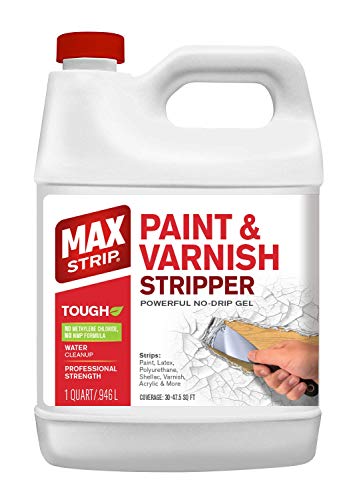
DESIGNED TO REMOVE PAINT AND VARNISH FROM MULTIPLE SURFACES - Remove Aftermarket Paints, Latex, Polyurethane, Shellac, Varnish, Acrylic, Oil Based Coatings and More in usually a Single Application!
Cleaning and Drying Your Deck
Before you can apply new stain, you’ll need to thoroughly clean your deck’s surface to remove dirt, grease, mildew, and any organic growth that could interfere with coating adhesion.
Use a deck brush and Restore Deck & Concrete Cleaner for manual scrubbing, or employ a pressure washer at low settings for tough stains. Mix the cleaner according to manufacturer instructions, using full-strength for aggressive cleaning or diluted for mild cleaning. Apply the solution evenly with a pump-up sprayer, working in small sections. Allow the cleaner to dwell for 10-15 minutes, then agitate stubborn areas with a brush. Rinse thoroughly with a garden hose. For best results, you can also consider using natural cleaning solutions like vinegar and baking soda as an alternative to commercial cleaners. For mildew or stubborn spots, a paste of baking soda and water can be used carefully to avoid damaging the wood.
For ideal deck maintenance tips, allow overnight drying before proceeding. Verify the surface is completely dry, clean, and free of residue. Proper cleaning frequency prevents future adhesion issues.

STREAK FREE CLEANING: Max 3000 PSI and max 2.3 GPM; This 12 inch surface cleaner delivers powerful, professional results on flat surfaces like decks, patios, driveways, sidewalks, walls and garage floors. Dual rotating jets spray evenly for a uniform blast in every pass of the wide cleaning deck

Professional concentrate cleans decks, siding, driveways, and patios - perfect for homeowners preparing for BBQs, real estate agents staging homes, or contractors finishing jobs.

Cleans Cleans decks, Fences and other outdoor structures such as pergolas, gazebos and carports
Conducting the Splash Test
The splash test is a critical quality-control step that you’ll perform after cleaning and drying your deck but before applying any coating. Sprinkle water across at least four different areas, including both high-traffic and low-traffic zones, to assess surface readiness accurately.
Observe how the wood responds. Quick water absorption indicates your deck’s clean, porous surface is ready for coating. Conversely, beading or pooling signals barriers remain—requiring additional stripping or cleaning. For optimal results, ensure you’ve used a quality deck cleaner to remove any mill glaze, mold, or old stain residues that could prevent proper absorption.
Understanding your test results is essential for coating success. You must achieve rapid absorption across all test areas before proceeding. Proper surface preparation before the splash test ensures that moisture penetrates evenly, confirming your deck is genuinely ready for coating application. The splash test importance cannot be overstated; skipping this step risks peeling, bubbling, and poor water repellency. Repeat the test after any additional preparation to confirm readiness before applying your Restore deck coating.

Achieve Professional-Level Cleaning Results with This 16.5” Surface Cleaner, with Up To 4400 PSI of Pressure for Easy Cleaning of Flat Surfaces Like Decks, Patios, Driveways, Walls and More

NOTE:Before buying, please carefully compare the product dimensions in Figure 2 to prevent you from buying it wrong.

ACCESSORY: 1 x 14" Surface Cleaner, 2 x Extension Wands, 1 x Nozzle Cleaner,1 x thread seal tape, 4 x O-rings, 2 x replacement nozzles.14‑inch overall width (wheel‑to‑wheel): measured from the outer edge of one wheel to the opposite wheel.
Applying the Wood Primer
Now that you’ve confirmed your deck’s readiness through the splash test, you’re prepared to apply the wood primer—a crucial step that establishes proper adhesion and protection for your topcoat. Select a ⅜” nap roller or synthetic bristle brush for even coverage. Don’t thin the primer; instead, mix it thoroughly before application. Apply the primer thickly, working to a wet edge to prevent lap marks. The primer benefits include enhanced wood penetration and superior topcoat adhesion. Though primer types vary, acrylic water-based formulations are ideal for deck applications. The milky appearance during application clears upon drying. Avoid rolling back into areas where drying has begun. Allow 1–2 hours drying time before applying your solid topcoat, ensuring the surface is completely clear and dry. Ensure the wood surface is clean and dry before priming to prevent trapping moisture that could cause peeling or mold. For best results, avoid applying primer in direct sunlight, which can cause uneven drying and adhesion issues.

Multipurpose, 100% acrylic primer sealer that provides excellent adhesion to a variety of interior & exterior surfaces.

Use for a variety of indoor and outdoor project surfaces including wood, metal, plaster, masonry or unglazed ceramic
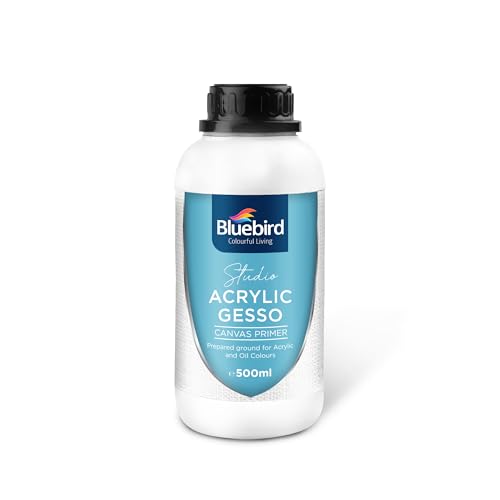
Liquid gesso primer for preparing canvas, wood, paper, and other surfaces.
Applying the First Coat
With your primer fully dry and cured, you’re ready to apply the first coat of Restore Deck Coating—and you’ll want to start with vertical surfaces. Use brush techniques to coat deck posts, railings, and balusters before horizontal boards, preventing drips and ensuring even coverage. Cut around edges with precision, then brush visible areas between boards.
For horizontal surfaces, saturate a ⅜” or ½” nap roller and apply the coating generously in a consistent pattern. Work to a wet edge continuously to avoid lap marks, coating one to two boards at a time. Maintain coating consistency throughout application by working methodically across the deck. Remove excess coating between boards with a putty knife. To achieve optimal results, maintain the 50% overlap on each pass to ensure uniform coverage and prevent uneven application. Allow sufficient drying time before applying the second coat, typically four to six hours depending on weather conditions and humidity levels. Allow four to six hours drying time before applying the second coat.
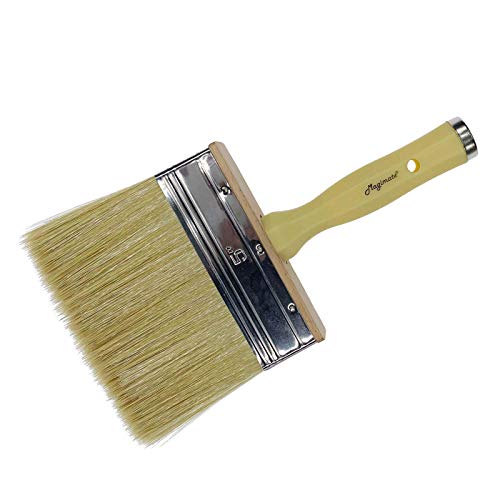
Brush Specs: 5” wide x 1” thick, soft synthetic filament blended with natural bristle. Hold more stain/sealer and paint smoothly, making your home improvement job a breeze.
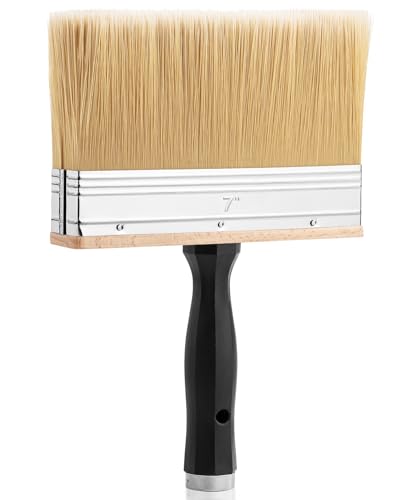
Bates deck stain brush features a wide 7-inch brush head, perfect for covering large surfaces quickly and efficiently.
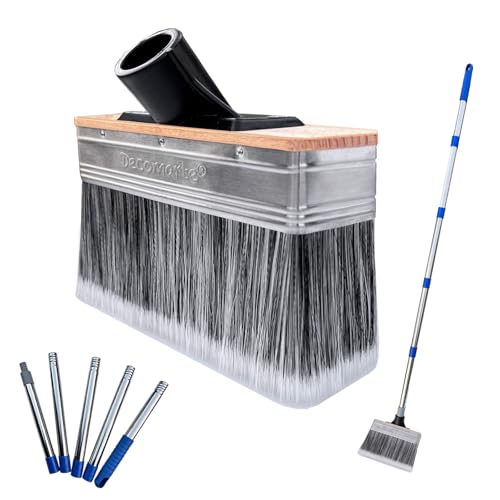
【SPEED-UP APPLICATION】7-Inch Extra Wide & Thick Deck Stain Brush —— This professional deck paint brush features an extra-wide 7-inch head with 2-inch thickness, allowing this stain applicator to retain a good amount of paints and stains. The soft waved bristles ensure 2X faster coverage for wood decks, sheds, and fences. It delivers consistent application in less time, making this huge staining brush be an efficient time-saver for large-scale internal and external painting work.
Applying the Second Coat
Once your first coat has dried for four to six hours and the surface is no longer tacky or soft, you’re ready to apply the second coat. Timing considerations are critical—drying times vary with temperature and humidity, so extend your wait if necessary.
Before starting, conduct a splash test on at least four spots to verify the surface is clean and dry. Use the same application method: saturate a 3/8″ or ½” nap roller and apply generously in consistent patterns, working to a wet edge continuously.
For technique tips, coat one to two boards at a time for even coverage. Apply the second coat to vertical surfaces first, then use a back brush technique in the opposite direction for a smooth finish. Remove excess coating between boards with a putty knife.
Drying, Curing, and Maintenance
After you’ve applied the second coat, patience becomes your next critical step—proper drying and curing will determine whether your deck maintains its finish for years to come. Your deck will dry to touch in 2-4 hours at 70-80°F with 50% humidity, but you’ll need 24 hours before light foot traffic and 3-5 days before replacing furniture. Full curing takes 3-4 weeks for maximum hardness and durability.
Temperature and humidity greatly affect dry time—conditions below 70°F or above 80°F, plus humidity exceeding 50%, extend curing periods. Porous boards require additional drying time. Additionally, avoid rain exposure for at least 24-48 hours after application to ensure proper adhesion and protection of your deck coating.
For maintenance tips, clean your surface with mild soap and warm water regularly. Inspect annually for wear, apply protective maintenance coats as needed, and properly dispose of soiled rags to prevent fire hazards.