The Ultimate Guide to Removing Deck Boards Safely
You’ll master deck board removal by prioritizing safety gear, including gloves, glasses, and dust masks. Assemble essential tools like pry bars, crowbars, and electric screwdrivers before starting. Work from the deck’s outer edges inward, removing screws or nails systematically. Organize fasteners immediately and segregate debris into reusable and waste categories using puncture-resistant containers. Inspect structural elements for rot and damage throughout the process. Finally, conduct thorough site cleanup following environmental regulations. Understanding these six critical areas guarantees you’ll protect both yourself and your home’s integrity during removal.
Essential Safety Gear and Preparation
Before you begin removing deck boards, you’ll need to properly outfit yourself with essential safety gear and conduct a thorough hazard identification of your work area. Start by creating a detailed safety checklist that includes heavy-duty gloves, safety glasses, steel-toed boots, dust masks, and ear protection for power tool use. Wear long pants, long-sleeved shirts, and a hard hat for ideal protection.
Next, inspect your deck systematically for electrical wiring, gas lines, plumbing, structural weakness, rot, and pest infestations. Check for wildlife hazards like beehives or wasp nests. Mark all identified hazards clearly before proceeding. Understanding local building codes will help ensure your removal project meets safety and compliance standards. Additionally, look for signs of decay such as rot or rust that may compromise structural integrity during the removal process.
Clear the surrounding area of obstacles and tripping hazards. Establish a safe perimeter away from children and pets. Position a first aid kit within easy reach, organize your tools and materials safely, and confirm you’ve removed all hazards before starting demolition.
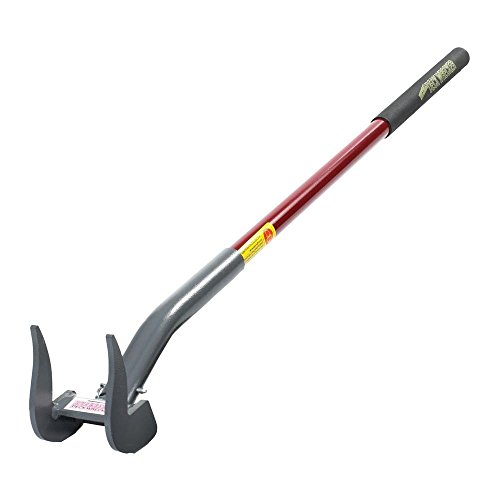
WORK SMARTER, NOT HARDER: Introducing the Duckbill Deck Wrecker – the ultimate tool designed for effortless and efficient deck board removal. Say goodbye to a sore back and experience the ease and efficiency the Deck Wrecker brings to your project.
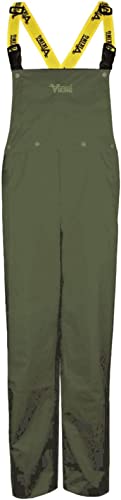
FULLY WATERPROOF OVERALLS utilizing innovative technology to provide foul weather protection while maintaining mobility and breathability for deckhands, dock workers, and forestry and construction workers

【Compact and Lightweight】Our for kayak manual water pump is designed to be compact and lightweight, making it easy to carry and store. You can easily pack it in your for kayak or boat without taking up too much space.
Required Tools and Equipment for the Job
Once you’ve identified hazards and established your safety perimeter, you’ll need to assemble the right tools to efficiently remove deck boards without damaging the underlying structure. Your tool selection should prioritize pry bars and crowbars as foundational instruments for lifting boards from joists. Consider adding a claw hammer for dual-purpose fastener removal and a specialized wrecking bar with a dual-clawed head design that distributes pressure evenly.
For stubborn fasteners, include a drill with reverse function and a reciprocating saw. Equipment maintenance guarantees peak performance throughout your project. Inspect all tools before use, checking handles for damage and blade sharpness. Maintain proper tool storage to prevent deterioration. For larger projects, evaluate whether specialized equipment like the Deck Demon or heavy-duty vehicles justify the investment. When dealing with ring shank nails specifically, a cat’s paw or nail puller is essential for loosening these specially designed fasteners that resist removal. For composite decks with concealed fasteners, you may also need tools to gently remove plugs covering screws to access the hidden fasteners underneath.

Quick Teardown: This lever-style pallet buster uses a curved pointed tip to slip into board gaps for fast removal. You save time and effort while helping reduce board breakage for better reuse

High-Quality Tools: The pallet buster made of good workmanship with 50'' long and high-quality steel straight heavy tube handle, which is not easily bend or broken when prying, cover with orange powder coating, and one-piece smooth welding for strength and durability.
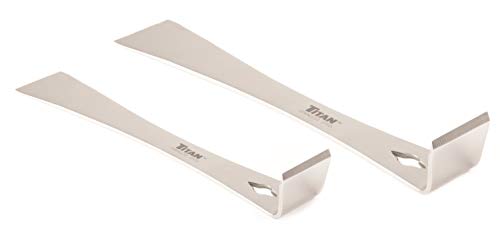
Set Contents: (1) 7-1/4" and (1) 9-1/4" Stainless Steel Pry Bar Scraper
Step-by-Step Board Removal Techniques
With your tools assembled and hazards identified, you’re ready to begin the removal process systematically. Different board types require distinct removal methods. For screw-fixed boards, use an electric screwdriver in reverse, employing a screw extractor for deeply buried heads. Remove fasteners one at a time to minimize surrounding damage. With nail-fixed boards, leverage a hammer’s claw with a wood block underneath, or use a pry bar for stubborn fasteners. For either board type, cut longer sections into shorter pieces using a circular saw set to match board thickness. Start removal from the deck’s outer edges, working inward toward the house. Stack removed materials separately to maintain organization and facilitate disposal or reuse. For composite decking with hidden fasteners, carefully remove Trex Hideaway plugs by driving a sharp screw into the plug to lift it out before extracting the fasteners beneath. Ensure the underlying ledger board attachment remains intact and undamaged during the board removal process to maintain structural integrity.
Managing Fasteners and Debris Safely
As you progress through board removal, you’ll quickly reveal that managing the fasteners and debris you’re generating becomes just as important as the removal technique itself. Different fastener types—clips, plugs, and concealed bolts—each require distinct handling approaches. Organize removed fasteners immediately to prevent loss and facilitate reinstallation.
Implement debris segregation by separating reusable materials from waste. Place sharp objects like nails and screws in puncture-resistant containers to prevent injuries. Clear large debris piles regularly, as they create tripping hazards and obstruct your workspace. Using specialized deck removal tools alongside proper fastener management ensures both efficiency and care during the extraction process.
Wear appropriate PPE throughout this phase: gloves protect against splinters and sharp edges, while safety glasses shield your eyes from flying fragments. Sturdy footwear prevents puncture wounds from fasteners scattered across your work area. Frequent sweeping maintains a hazard-free environment and improves overall safety and efficiency, similar to how thorough cleaning methods preserve the condition of outdoor materials during maintenance projects.

MAXIMUM LEVERAGE: The extra-long handle generates immense torque, allowing you to pry up stubborn deck boards and dismantle pallets with minimal effort, saving your back from...
Critical Structural Considerations
Before you remove a single board, you’ll need to understand your deck’s structural anatomy and identify potential failure points. Conduct a thorough structural analysis to locate rot, loose fasteners, and hidden deterioration that’ll compromise safety during demolition. Assess your deck’s age, design, and foundation type—these factors determine your removal sequence and tool selection.
Inspect for electrical lines, broken lumber, and pest nests requiring pre-removal attention. Evaluate connection points where lag screws, bolts, and joist hangers secure components together. Understanding flashing and waterproofing around your ledger board prevents home damage when disconnecting it last. Ledger boards must be sized at least 2 inches by 8 inches nominal and securely attached with appropriate fasteners to safely distribute your deck’s weight to the supporting structure. Pay particular attention to your deck’s joist and beam sizing, as understanding these structural components helps you identify load-bearing elements that require careful support during removal.
This extensive inspection protects your deck integrity throughout the process and prevents catastrophic collapse mid-demolition.
Proper Disposal and Site Cleanup
Once you’ve removed the deck boards, your work doesn’t end—proper disposal and site cleanup are equally critical to completing the project safely and legally.
Sort materials immediately by type: pressure-treated lumber, untreated wood, concrete, and metal hardware. Check local regulations before disposal, as many municipalities prohibit burning pressure-treated wood and require specific handling procedures. Explore disposal options including licensed hauling services, recycling centers, and scrap metal facilities.
Implement eco-friendly practices by separating salvageable materials for reuse and directing recyclables to appropriate processors. Transport debris using wheelbarrows or rent dumpsters for efficiency. Store materials temporarily in designated staging areas away from walkways. When clearing the site, use eco-friendly degreaser solutions to remove any stains from surrounding surfaces like vinyl siding that may have been affected during the removal process. For larger debris that requires relocation, consider using rollers or dollies to move heavy materials without manual lifting.
Consider professional junk removal companies to guarantee regulatory compliance and eliminate transportation responsibility. Clear the site thoroughly, removing nails and fasteners to prevent injuries and property damage.