
What Size Lumber Should You Use for Deck Framing?
You’ll select joist sizes from 2×6 to 2×12 based on your span distance and lumber species—Douglas Fir 2×10 joists span 15’8″ at 12″ spacing, while 2x12s extend to 18’0″. Your beam dimensions depend on joist spacing and span requirements, typically using 2-ply or 3-ply built-up beams. Posts commonly measure 6×6, spaced every 6-8 feet. Use pressure-treated lumber for ground contact and rot resistance. Each structural component builds on these foundational choices to guarantee safe load capacity.
Understanding Joist Sizes and Span Capabilities
When you’re framing a residential deck, you’ll typically choose from 2×6 through 2×12 joists, with 2×8, 2×10, and 2×12 being the most common selections for modern projects. Your joist load capacity and required span distance directly determine which size you’ll need.
Span differences vary greatly by lumber species. Douglas Fir 2×10 joists span 15’8″ at 12″ on-center spacing, while western cedar 2×10 joists reach only 14’11”. These span differences reflect each species’ structural properties.
Larger spans require larger joists to maintain sufficient joist load capacity. A 2×6 spans approximately 9’6″ in Douglas Fir, while a 2×12 extends to 18’0″ under ideal conditions. Like pergola construction, incorporating reinforcement elements like knee braces can help optimize the performance of your framing system. Always select pressure-treated lumber for deck substructure framing to promote longevity. Once your framing is complete and the deck surface is installed, you can revitalize the wood with a quality coating system to enhance its appearance and durability.

2x6 Joist Hanger: The joist hangers for pressure treated lumber is made to be installed from joist to header in wood-framed buildings with roofs, decks, floors, deck and ceilings. Creating a stronger, long-lasting joist-to-header connection


Increasing deck Life
Proper Joist Spacing for Your Deck
Because joist spacing directly affects your deck’s structural integrity and load-bearing capacity, you’ll need to understand how it’s measured and applied. Spacing is measured center-to-center (OC) between joists, and standard spacing regulations typically require 16 inches OC for most applications. However, your specific requirements depend on several factors. Diagonal decking installations demand tighter 12-inch OC spacing since boards span greater distances between supports. Composite and PVC materials often require 12 inches OC for stability. High-traffic areas and decks supporting hot tubs or heavy structures also benefit from closer spacing to reduce movement and flexing. Installing blocking at regular intervals helps reduce joist movement and prevent excessive gapping between boards. For stair stringers and other high-load areas, you may need even closer spacing such as 8-12 inches OC to maintain structural integrity. Always consult your local building department‘s spacing regulations and your decking manufacturer’s installation instructions, as requirements vary by region and material type.
Selecting the Right Beam Size
After you’ve determined your joist spacing and span requirements, you’ll need to select beams that can safely support those joists over the distance between posts. Consult IRC Table R507.6 to match your joist span with appropriate beam configurations. You’ll typically choose between 2-ply or 3-ply built-up beams using 2×8, 2×10, or 2×12 lumber, depending on your span requirements and lumber species grade.
Ply requirements directly affect allowable spans—a double 2×8 spans 8 feet 9 inches for 6-foot joists, but only 7 feet 7 inches for 8-foot joists. Fastening details matter equally; secure plies together with 10d nails at 16-inch centers along both edges. Always reference span tables specific to your lumber species and grade, as variations considerably impact structural capacity. For example, double 2×12 beams can span up to 17 to 18 feet depending on load conditions and lumber grade. Most residential deck applications use 16 inches on center joist spacing as the standard, which influences the beam size requirements for your overall deck design.

【2x8 Joist Hangers and Screws】The package includes 25pcs face mount joist hangers(6.5X3.43inch), 100pcs 1.57X0.197inch screws, 30pcs 2.17X0.177inch screws and gloves. Joist hangers are suitable for nominal 2 x 8 lumber. Screws included set are heavy-duty structural connector screws designed for this application. You don't need to worry about the screws not matching; you can also purchase additional screws as needed. Help you design and build safer, stronger structures!

GALVANIZED STEEL BUILD: Each 20 gauge face mount joist hanger is made from galvanized steel to help resist corrosion in common framing applications for decks, floors, ceilings, sheds, and rafters
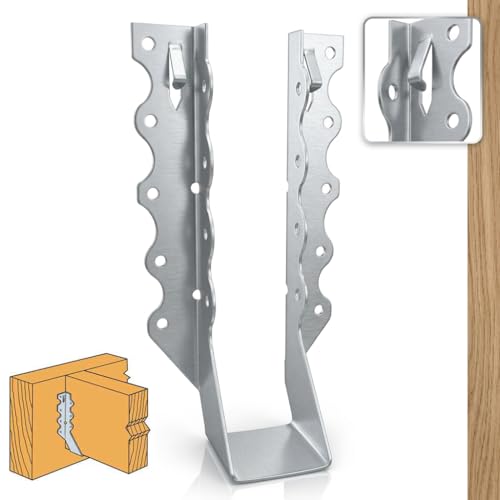
【HOT-DIP Galvanized Steel】 Joist Hanger with heavy-duty hardness, Corrosion resistant, Anti-rust, Durable which provide extra service life.
Choosing Posts for Structural Support
Once you’ve selected your beams and determined joist spacing, you’ll need to choose posts that can reliably support those loads over the span between footings. Most residential decks require 6×6 posts, though 4×4 posts work for structures under 6 feet. Your post load calculations determine the minimum size needed. Space posts every 6 to 8 feet along beams, with closer intervals for heavier loads or snow-prone areas. Post placement must occur at corners and at regular intervals per span tables. Match post dimensions to your beam and joist specifications, then anchor them securely to concrete footings using galvanized bases. To ensure railings meet safety requirements, posts must be fastened to the joist framing with corrosion-resistant fasteners capable of withstanding the required load forces at the handrail. Pressure-treated lumber resists rot and insects, ensuring longevity. Consider adding a pergola or shade structure above your deck to enhance the outdoor space while providing additional protection from the elements. Verify local building codes, as requirements vary by jurisdiction and deck specifications.
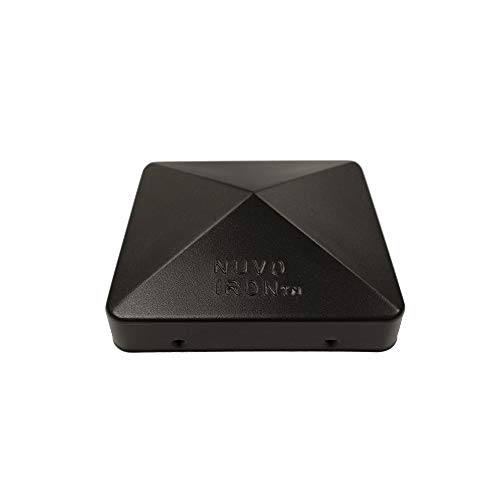
Fits over 6” x 6” USA retailers nominal square posts (actual measurement is 5-1/2" X 5-1/2")

MEASURE POST Before Ordering. These caps are a perfect Fit for most pressure treated lumber measuring 5.5 inches x 5.5 inches up to 5.75 inches x 5.75 inches.These 6x6 fence post caps are 7.5" x7.5" at widest point and slide down post 1.5" with our 2 part installation system.

MEASURE POST BEFORE ORDERING - We carry the Perfect Fit for your post. These standard sized 6x6 fence post caps are for pressure treated posts measuring 5.5 inches x 5.5 inches up to 5.75 inches x 5.75 inches. We also have an ACTUAL 6"x6" version for rough cut and vinyl or composite wrapped post.
Lumber Species and Treatment Options
Selecting the right lumber species and treatment method greatly impacts your deck’s structural performance, longevity, and cost. You’ll find that Douglas-fir and Southern Yellow Pine offer superior lumber characteristics for framing due to their strength and load-carrying capacity. SPF provides an affordable alternative, though it requires treatment for outdoor durability.
Treatment benefits vary considerably. Pressure-treated lumber delivers cost-effective rot and insect resistance, making it ideal for ground-contact applications. Cedar and redwood naturally resist decay through inherent oils, though they cost more. While red oak offers attractive aesthetics with warm color and grain, white oak’s superior moisture resistance makes it a better choice for outdoor applications due to its closed grain structure. Your choice depends on climate, budget, and aesthetic priorities. In humid environments or where posts contact soil, pressure-treated wood’s chemical protection proves essential. For dry climates with exposed framing, naturally durable species justify their premium price through extended longevity and visual appeal. With proper maintenance, pressure-treated wood lasts 15-30 years or longer, making it a cost-effective long-term investment for outdoor deck construction despite higher upfront expenses.