5 Practical Reasons to Add a Pergola to Your Outdoor Space
You’ll transform your outdoor space by installing a pergola that delivers essential benefits. It provides superior shade coverage and UV protection, reducing heat gain by 30% while recouping 50-80% of project costs at resale. You’ll organize functional zones for dining and entertaining, create an architectural framework for climbing plants, and enhance energy efficiency through bioclimatic design. Strategic positioning of crossbeams and sustainable materials establishes a cohesive outdoor room that elevates property value and functionality. Uncover how each advantage compounds these practical benefits.
Shade and Temperature Control for Year-Round Comfort
Whether you’re designing a new pergola or optimizing an existing structure, understanding how shade coverage directly impacts comfort is essential. Strategic beam placement and orientation directly control temperature reduction in your outdoor space. North-south orientations block afternoon sun effectively, while east-west alignments provide morning coverage. Closely spaced crossbeams increase sun-blocking effectiveness compared to wider-spaced designs, delivering superior shade benefits year-round.
Modern UV-resistant materials reduce heat gain by 30%, creating noticeably cooler environments during peak summer hours. Similar to how wood coating application protects outdoor surfaces, proper pergola construction with quality materials ensures long-term durability and performance. Larger pergolas—15-30% bigger than your target area—cast broader coverage throughout the day. Taller structures with 10-12 foot posts create wider shade dimensions by intercepting sunlight at extreme angles. Adjustable louvers or shade cloths offer fine-tuned light control to customize your comfort preferences throughout the day.
This strategic design approach balances ample shade with an open, airy aesthetic, enabling extended outdoor enjoyment without retreating indoors during heat peaks.
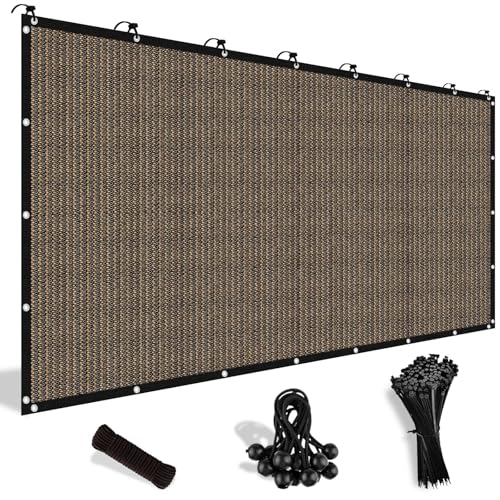
90% Sun Block: Shade&Beyond shade cloth with grommets provides 90% UV protection and resists UV fading. With excellent shading and heat insulation, you can get a shady retreat and keep your belongings away from the sun's harsh effects. By lowering the temperature under its shelter, these sunshades for patio always allow you to enjoy a cool and refreshing outdoor experience, making them ideal for patios, gardens, and more
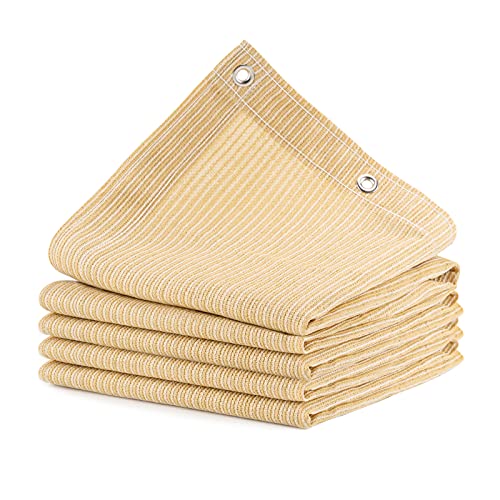
Premium Sun Shade Cover – Designed to attach to a large outdoor deck, pergola, or patio space to block harsh UV sun rays and keep you cool all summer long this sun shade cloth offers 90% UV protection without sacrificing cool air breathability.

70% Shade for Summer Heat: Battling summer heat? Our 70% shade cloth significantly reduces temperatures to protect vegetables and flowers from heat stress. It filters intense sun while allowing ample light for growth, making it a summer essential for your garden.
Boost Your Home’s Resale Value
Beyond comfort and aesthetics, a well-designed pergola functions as a strategic investment that’ll recoup 50-80% of your project costs at sale. Custom pergolas increase resale value by $10,000-$15,000, with potential gains reaching 10-20% of perceived home value depending on market conditions.
Your pergola creates distinct outdoor rooms, expanding functional living space without extensive construction expenses. This perceived property expansion directly influences buyer attraction, particularly in competitive markets where outdoor amenities command premium prices.
Strategic design amplifies outdoor aesthetics, showcasing structural quality and attention to detail that differentiate your property. Younger homebuyers increasingly prioritize outdoor entertaining spaces, making pergolas among the most requested residential features. Adding lattice sheets to your pergola frame enhances privacy and visual interest while maintaining the open-air aesthetic that appeals to modern homeowners.
Regional factors notably impact returns—warm-climate regions like Southern California, Florida, and Arizona realize prime ROI potential where year-round outdoor living remains highly sought after. Proper baluster spacing and structural safety standards ensure your pergola investment meets building code requirements and maintains long-term durability.
Create a Thriving Garden Oasis
A pergola’s architectural framework transforms your garden into a thriving ecosystem by providing the structural support, microclimate benefits, and light modulation that plants need to flourish. Your climbing support system accommodates clematis, jasmine, grapes, and other vining species, eliminating the need for individual trellises or stakes. The open beam design filters intense sunlight while maintaining adequate natural light exposure, creating ideal conditions for shade-tolerant plants that’d otherwise struggle in direct sun. Vining foliage generates a natural canopy that moderates temperature extremes and increases humidity through plant transpiration, extending your growing season considerably. Dense summer vegetation shields delicate species from UV damage and heat stress during peak afternoon hours. Proper rafter spacing ensures consistent light distribution across your garden beds while allowing climbing vines to establish themselves evenly along the structure. Maintaining appropriate board spacing between structural elements also promotes air circulation and water drainage essential for plant health and structure longevity. This integrated approach delivers thorough plant protection and enhanced productivity without requiring multiple separate garden infrastructure investments.

ELEGANT GARDEN ARCH TRELLIS – Transform your backyard into a beautiful garden retreat with this classic black metal garden arch. Create an inviting entrance along pathways, over garden beds, or among your favorite flowers and climbing plants.

Satisfactory Service: If you have any questions or concerns, our dedicated team is here to assist you

PE Coated Metal Frame: Unlike normal fragile metal tubes, the grape vine trellis boasts metal tubes with protective PE coating, which offers unmatched resistance against rust. Furthermore, the plastic coating ensures a cooler surface that will not harm your plants in hot days.
Define and Organize Your Outdoor Living Space
While your garden thrives beneath the pergola’s supportive framework, you’ll want to intentionally structure the broader outdoor environment to maximize how you’ll actually use it. Start by defining functional zones through strategic spatial arrangement—designate areas for dining, lounging, and entertaining. Position outdoor furniture to delineate these zones without overcrowding; research shows 54% of homeowners either lack adequate furnishings or retain outdated pieces. Your pergola naturally anchors one zone, creating a covered outdoor room that 73% of consumers prefer over open yards. To ensure your pergola roof adequately supports weather protection and shade, select roofing materials that complement your climate and aesthetic preferences. Establish clear pathways connecting these activity areas. When pergolas are attached to decks, ensure the structure complies with guardrail height requirements to maintain safety standards for elevated outdoor spaces. This intentional organization transforms underutilized spaces—82% currently go underused—into purposeful environments where you’ll actually spend time. Structured design drives engagement and satisfaction.

【Modern Patio Set】Made of sturdy steel frame and handmade wicker, the 5-piece patio sofa set with modern design is perfect for your balcony, porch, backyard, patio, garden and lawn!

Quality and Durable: founded atop a powder-coated steel frame, wrapped in dense all-weather wicker with woven details closely in a black finish with stereo arcuate stripe for a tastefully textured, cozy look, makes outdoor furniture set 3 PCS exceptionally durable

【Generous Seating Dimensions】 Built for ultimate comfort, our patio sofa features a 30.8-inch backrest. The 31.5-inch seat width and 27.5-inch seat depth offer more space than typical patio furniture, ensuring ample room for users of all sizes to stretch out fully. Compared to the industry average of 24–26 inches for seat depth, our design provides significantly more space, making your relaxation experience truly luxurious.
Enhance Energy Efficiency and Sustainability
Once you’ve organized your outdoor zones for maximum usability, you can amplify that functionality through strategic energy management and sustainable design choices. Bioclimatic pergolas with automated louvers reduce energy consumption by approximately 25% through natural ventilation and intelligent sunlight control. You’ll minimize reliance on artificial heating, cooling, and lighting systems, directly lowering utility bills and carbon footprint.
Manufacturers increasingly construct pergolas from sustainable materials—recycled wood composites, sustainably sourced hardwood, and corrosion-resistant aluminum—extending product lifespan while decreasing resource depletion. Lightweight materials simultaneously reduce transportation costs and installation waste. Options like polycarbonate roofs provide additional durability and UV protection while maintaining the sustainability benefits of your pergola design. To protect your outdoor cushions from mold growth that can compromise their longevity, regular maintenance including air-drying in direct sunlight helps eliminate mold spores and extends the life of your outdoor furniture investment.
You can further enhance sustainability by integrating solar panels for onsite renewable energy generation or embedding LED lighting systems. These climate-responsive structures qualify you for green building certifications and potential tax incentives while establishing year-round outdoor functionality with minimal environmental impact.