Building Code Requirements for Pergolas: What to Know
You’ll need to comply with structural integrity standards, height restrictions typically capped at 10-12 feet, and zoning setback requirements for your pergola. California Building Code mandates decay-resistant materials, proper foundation specifications, and galvanized fasteners. Most structures under 200 square feet avoid permits, but you’ll still verify local requirements. Permit applications require detailed plans, structural calculations, and site documentation. Wind load ratings of 105 mph minimum and seismic considerations are essential. Understanding these requirements upfront will determine whether you’ll need formal engineering approval.
Structural Integrity and Safety Requirements
Because pergolas must withstand environmental stressors like wind and snow, you’ll need to guarantee your structure meets strict building code standards for safety and durability. Your design must incorporate proper load calculations to handle expected wind speeds—typically 105 mph minimum in most regions—plus regional snow loads. Material selection is critical; you’ll choose durable, weather-resistant options like Douglas fir or cedar that resist rot and decay. Metal fasteners and connectors must be galvanized or stainless steel to prevent corrosion. For proper support, pergola posts should be anchored to concrete footings using approved post anchors to ensure secure load transfer and prevent structural failure. Larger pergolas or those in extreme weather zones require stamped engineering documents proving structural integrity. All beams, columns, and connections must be sized appropriately for your calculated loads. If your pergola exceeds height restrictions in your area, you may need planning permission before construction begins. You cannot compromise on these foundational safety requirements without risking code violations and structural failure.

TPSHKE post base made of 3mm thickness high-strength galvanized steel plate,package includes 8 post bases, 64 pcs M6x40mm hexagon self-tapping screws and 8 pcs M10x120mm screw nuts

For 6x6 Wooden Posts: The post base is designed to fit standard 6x6-inch wooden posts (actual size: 5.5 inches x 5.5 inches), and the notches on the bottom of the base facilitate positioning and alignment of the post

Heavy Duty Galvanized Steel: This 6x6 post base made from thick galvanized steel for reliable outdoor support. The rust-resistant coating helps protect the 6x6 post base from weather exposure, making it suitable for concrete foundations, decks, patios, pergolas, and gazebos.
Height and Size Restrictions
Once you’ve established your pergola’s structural integrity through proper load calculations and material selection, you’ll need to address another critical compliance layer: height and size restrictions.
Most local codes limit pergola design heights to 10-12 feet without permits, though you’ll find minimum clearance requirements of 7-8.5 feet for safety and functionality. Your pergola’s height regulations depend heavily on jurisdiction-specific ordinances. Structures under 200 square feet often avoid permitting in many municipalities, but this varies considerably. Failing to obtain the required permits can complicate future property sales and create legal issues with local authorities.
You must verify exact restrictions with your local zoning office, as HOAs frequently impose stricter limitations. Taller structures may trigger increased setback requirements and demand formal permits. Don’t overlook how height interacts with property line distances—typically 6-10 feet minimum for detached pergolas. Consulting your building department confirms your design complies with all applicable codes.
Zoning and Land Use Compliance
While height and size restrictions establish your pergola’s vertical parameters, zoning and land use compliance determines whether you can legally build it on your property at all. Your pergola qualifies as an accessory structure, meaning it’s subject to setback requirements, lot coverage limits, and yard placement restrictions specific to your zoning district. Most districts prohibit accessory structures in front yards and street-side yards, requiring placement in rear or interior side yards instead. You’ll need to verify your building envelope doesn’t exceed district limits. If your property falls within overlay areas, historic districts, or special planning zones, additional restrictions apply. When standard zoning won’t accommodate your pergola, you can pursue zoning variances or special permits through your local jurisdiction’s approval process.
California Building Code Standards
California’s Building Code establishes specific structural and material requirements that’ll determine whether your pergola needs a permit and how you’ll construct it. Your material selection directly impacts compliance—pressure-treated wood or naturally decay-resistant materials are mandatory for posts contacting soil. Posts require minimum 3½” slabs or 12″ x 12″ x 12″ spread footings, with 6″ gravel bases if placed in earth. Design considerations must account for local wind and seismic loads, requiring engineering calculations for complex structures. You’ll need positive connections between headers, rafters, and ledgers, plus lateral bracing at all support points. Metal framing demands additional engineering verification. All fasteners and connectors must meet CBC specifications to guarantee your pergola withstands environmental stresses safely.

Precise Fit for Standard Posts: MEASURE YOUR POST before ordering. Designed to fit standard 4x4 fence posts, these post caps fit 3.5"x 3.5 inch up to 3.75" x 3.75-inch posts for any outdoor fence or deck project. They slide down the post 1.5 inches; their widest outside dimension is 5.5 inches. They will install on wood, composite, metal, and vinyl posts

FAST-START CUT TIP FOR EFFICIENT INSTALLATION – The sharp notched point helps this #14 carbon steel structural wood screw bite quickly into lumber, reducing drilling in many softwoods. Aggressive threads pull the fastener into wood for secure assembly of posts, beams, landscape timbers, fences, barns and pergolas. Dense hardwood, end-grain work or positions near board edges may still require a correctly sized pilot hole to reduce splitting and excessive driving torque.
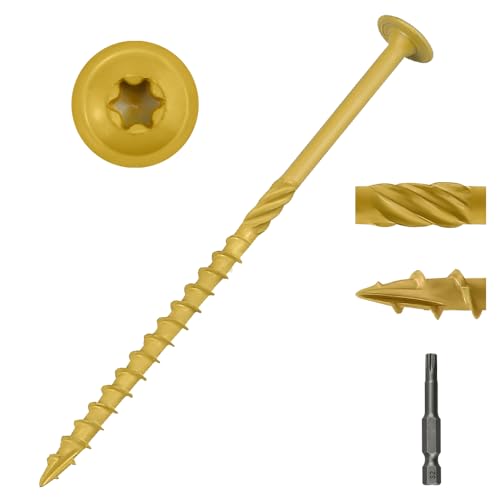
Quantity & Size: 30-Pack #14 x 5" Bronze Lag Screws for Wood Construction (includes a T30 Bit); Thread Diameter 0.25 inch -Head Diameter 0.545 inch -Screw Length 5"
Permit Application Documentation and Process
Before you’ll need to submit thorough documentation to your local building department that demonstrates your pergola design meets all applicable code requirements. Your permit application must include completed forms, contractor licensing proof, and detailed construction plans drawn to code-specified scales with your architect’s or engineer’s signature and license number.
You’ll submit site plans showing property layout, pergola location, property lines, and existing structures. Include foundation specifications, dimensions, and structural calculations. For online applications, provide complete plan sets in PDF format on minimum 8.5″ x 11″ paper.
Pay permit fees at submission. The building department conducts an initial completeness review within 4-5 business days, followed by departmental reviews for zoning, engineering, and fire safety compliance. After payment confirmation, you’ll download your permit card and approved plans, which you must keep on site during construction.
Special Circumstances Requiring Permits
Once you’ve gathered your documentation and understood the permit application process, you’ll need to recognize which specific circumstances trigger permit requirements for your pergola project. You must obtain permits when your pergola exceeds 100–200 square feet, incorporates roofing or electrical systems, or attaches to your home. Special zoning districts, HOA restrictions, and design aesthetics modifications demand additional approvals. If you’re using complex construction materials like louvered roofs or metal frames, permits become mandatory. Elevated structures beyond 30 inches require documented footings. Fire safety concerns arise when grills operate underneath. You’ll also need permits if you’re designing for occupancy or enclosure, as this reclassifies your structure as a home addition. Engineered drawings substantiate compliance with local wind loads and building codes. In New Jersey specifically, pergolas under 200 square feet and 10 feet in height without utilities typically require only a zoning permit rather than a full construction permit.