How to Clean a Dirty Deck Without Removing the Stain
You’ll preserve your deck’s stain by using mild soap solutions with soft-bristle brushes and warm water for light dirt removal. For mildew, apply baking soda paste or oxygen bleach—both lift stains without damaging wood fibers. Dilute chlorine bleach at 1:10 ratio for stubborn spots. Rinse thoroughly with low-pressure water in sections, then allow proper drying time. Consider eco-friendly alternatives like hydrogen peroxide-based cleaners for safer results. The techniques you’ll uncover further will help you maintain your deck’s appearance and protective coating long-term.
Mild Soap Solutions for Gentle Deck Cleaning
When you’re looking for a cleaning method that won’t compromise your deck’s finish, mild soap solutions offer an effective yet protective approach. You can use dish soap, which cuts grease effectively while remaining gentle on surfaces. Castile soap provides a natural, plant-based alternative that cleans without damaging wood or composite materials. Mix either option with warm water—just a few squirts per bucket prevents excessive suds while maintaining cleaning power. Wet your deck first to loosen surface grime, then apply the solution generously and let it sit up to 20 minutes. Use soft-bristle brushes or sponges for scrubbing, then rinse thoroughly with low-pressure water. This approach preserves your deck’s stain while removing light dirt and preventing buildup. For stubborn stains and mildew that mild soap cannot address, oxygenated cleaners provide a more intensive cleaning option without harsh chemicals. After cleaning, ensure the deck is completely dry before any future restaining work to maintain proper adhesion and durability.

Cleans Cleans decks, Fences and other outdoor structures such as pergolas, gazebos and carports

Makes 20 gallons

DECK AND PATIO WASH: Home Armor Deck & Patio Wash lifts stains from dirt and grime to keep decks and patios looking great over their lifespan.
Baking Soda and Oxygen Bleach for Mildew Removal
While mild soap solutions excel at preventing buildup and maintaining your deck’s finish, you’ll need stronger measures to tackle existing mildew and stubborn organic stains. Baking soda effectiveness lies in its mild abrasive properties and ability to neutralize odors while breaking down organic matter. Mix it with water into a paste, apply to affected areas, and scrub gently with a soft-bristle brush to avoid scratching wood.
Oxygen bleach advantages include its powerful stain-lifting capability without damaging wood fibers or surrounding vegetation. When mixed with water, sodium percarbonate releases hydrogen peroxide that penetrates deep into mildew. Apply the solution, let it soak for 10–20 minutes, then scrub and rinse thoroughly.
For best results, apply oxygen bleach first to break down organic matter, then use baking soda paste for remaining spots. For tougher stains that resist these methods, a diluted sodium hypochlorite solution can provide additional cleaning power when used carefully. Always test on inconspicuous areas and wear protective gloves beforehand.

Oxygen-Powered Stain Removal:Break down tough stains like wine, coffee, grass, sweat, and blood with our powerful sodium percarbonate formula. Acts as a laundry booster that helps whiten whites, brighten colors, and lift deep-set stains with the natural power of oxygen.

Professional concentrate cleans decks, siding, driveways, and patios - perfect for homeowners preparing for BBQs, real estate agents staging homes, or contractors finishing jobs.

Oxygenated bleach formula deep cleans wood, composite, vinyl, and aluminum surfaces.
Safe Bleach Concentration and Application Methods
To effectively clean your deck with bleach, you’ll need to understand the proper dilution ratios and application techniques that protect your wood while removing stains. For general cleaning, dilute chlorine bleach at 1 part bleach to 10–15 parts water. For stubborn stains, you can strengthen the solution to 1 part bleach to 4 parts water, but never apply undiluted bleach directly to wood. Bleach safety requires concentrations below 10% to prevent fiber damage. Apply your solution with a pump sprayer, working in 100–200 sq. ft. sections to maintain wetness. Use soft-bristle brushes on horizontal surfaces and sponges on vertical areas to prevent runoff. Avoid pressure washing, which forces chemicals deep into wood. Rinsing thoroughly after cleaning ensures the deck is ready for reapplication of stain to maintain its appearance and protection. Rinse thoroughly after cleaning.

Chapin Bleach and Disinfectant Sprayer: complete cleaning and lawn care tasks efficiently with a 1‑gallon translucent poly tank featuring a wide mouth and funnel‑top that helps prevent spills and simplifies refilling

Premium components resist bleach for up to 1 year
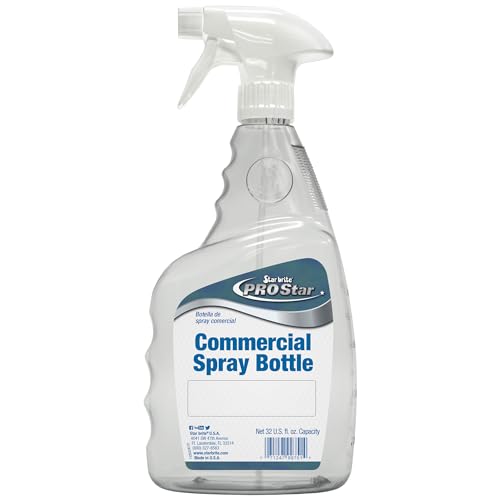
HEAVY-DUTY DURABILITY - Built from high-quality recyclable plastic, this spray bottle is designed to withstand frequent use in residential and commercial settings
Choosing the Right Brushes and Scrubbing Techniques
Selecting the appropriate brush for your deck cleaning project directly impacts both your cleaning effectiveness and your wood’s finish preservation. You’ll want to choose soft-bristle brushes for stained surfaces, as they apply cleaning solutions evenly without damaging the protective coating. Hard synthetic bristles work well for removing stubborn mold and algae, but avoid metal bristles entirely—they’ll compromise your wood. Proper brush selection becomes even more critical if your deck requires restoration, as aggressive scrubbing with unsuitable brushes can damage the wood grain similar to over-sanding techniques. Just as structural requirements are essential for building stability, using the correct brushes is fundamental to maintaining your deck’s integrity.
Your scrubbing techniques matter equally. Apply light pressure and follow the wood grain to prevent fiber damage. Use gentle back-and-forth motions rather than aggressive downward strokes that could strip the stain. Soak your brush head in diluted cleaning solution, then immediately transfer it to your deck to maximize contact. Lift the brush promptly to prevent oversaturation, maintaining your stain’s integrity while removing dirt and buildup effectively.

【The New Design of 4 Handheld Places】The long handle of car cleaning brush has 4 non-slip handheld places of different heights, allowing you to hold the truck wash brush pole tightly and prevent your hands from slipping during cleaning,Stopping Straining Your Back and Saving Your Energy. After cleaning, you can hang the car wash mop on the wall or quickly disassemble it for compact storage in a bag,saving your space.

Deck brushes flared bristles and angled head design.

✅【 Soft Bristle Brush Head with Rubber Bumper 】The bristles of our soft car wash brush head are made of soft high quality PVC, so they do not scratch when scrubbing. Rubber bumper around car brush head protects from damage and scratching. This car washing brush is safe for all kinds of vehicles – cars, trucks, SUVs, RVs, Marine Boats, House Siding and more!
Rinsing and Drying Your Deck Properly
After you’ve scrubbed your deck clean, proper rinsing and drying are critical to preserving your wood’s finish and preventing residue buildup that’ll compromise your work. Use a garden hose with a nozzle or low-pressure washer (max 1,500 PSI) set to a fan tip, spraying at a slight angle with the grain to avoid damage. Rinse in sections immediately after cleaning to prevent cleaner evaporation and residue formation.
For proper drying, remove standing water using absorbent cotton cloths, a sponge mop, or leaf blower. Dry along the wood grain direction to prevent streaking. Schedule deck rinsing during morning or evening when temperatures are cooler, minimizing rapid evaporation that causes residue. Allowing adequate drying time between cleaning and staining ensures optimal stain adhesion and a long-lasting finish. If you’re installing outdoor lighting features, ensure proper wiring concealment is completed before final drying to avoid water damage to electrical components. Allow complete drying before applying sealants or stains to guarantee ideal adhesion and longevity.
Low-Pressure Washing Without Damaging Wood
While a pressure washer can be an effective cleaning tool, you’ll need to strike a careful balance between cleaning power and wood protection to avoid permanent damage. For deck safety, follow these pressure guidelines: operate between 1200 to 2500 PSI for standard wood decks, starting at the lowest setting and increasing gradually only if necessary. Never exceed 2500 PSI, as higher pressures cause wood fiber damage and splintering. For delicate or aged decks, use 400 PSI or less combined with proper detergents.
Always use a 25 to 40-degree fan nozzle, never a jet nozzle. Maintain 12 to 18 inches distance from the surface, moving in smooth, sweeping motions along the wood grain. Keep the nozzle continuously moving to prevent concentrated impact damage. For tough stains that resist pressure washing alone, consider supplementing with gentle scrubbing using a soft brush or mild soap solution to enhance cleaning results. For added protection during cleaning, consider applying mildew-resistant stains after washing to extend the life of your deck’s finish and shield it from moisture damage.
Deck Brighteners and Color Restoration
Once you’ve completed low-pressure washing, your deck’s wood fibers remain open and receptive, making it the ideal time to apply a deck brightener. Deck brighteners contain oxalic acid, which neutralizes alkaline residues from cleaners and dissolves tannin and rust stains. This restoration step enhances wood protection by preparing the surface for optimal stain penetration.
Apply the brightener while wood remains wet, ensuring uniform coverage across the entire deck. Follow manufacturer dilution ratios and contact times carefully. Rinsing thoroughly for 15-30 minutes using a garden hose removes all acidity and debris, similar to the drying period required before applying solid stain to ensure proper adhesion. Allow adequate surface preparation time between cleaning and staining, as properly prepared surfaces improve paint and stain adhesion just as sanding roughens surfaces for better coating performance.
Proper brightening considerably improves deck preservation by preventing uneven stain application and color blotches. The neutralized surface allows stains and sealers to adhere better, resulting in richer color and longer-lasting protection against weathering and UV damage.
Post-Cleaning Maintenance and Sealer Reapplication
Now that your deck’s brightener has been thoroughly rinsed and the wood fibers are prepared, you’ll want to conduct a thorough deck inspection before moving forward with sealer reapplication. Check the ledger board for separation and verify all fasteners are tight and rust-free. Replace any warped, rotting, or damaged boards immediately to maintain structural integrity. Sand rough areas with 60-80 grit sandpaper on boards and 80-100 grit on railings, then vacuum thoroughly and wipe with a tack cloth.
Allow your deck to dry completely for at least 48 hours before applying sealer. Protect it from rain and dew during this period. For even application and optimal adhesion, use brushes, rollers, or sprayers when applying your sealer to ensure uniform coverage across the entire deck surface. These maintenance tips prevent moisture entrapment and guarantee ideal sealer adhesion, extending your deck’s lifespan and protecting your stain investment effectively. For optimal results, check the weather forecast for at least 24-48 hours of dry conditions before applying your sealer to ensure proper adhesion and uniform appearance.
Environmentally Safe and Pet-Friendly Cleaning Products
After you’ve sanded and prepared your deck’s surface, selecting the right cleaning products becomes your next priority—especially if you’re concerned about protecting your family, pets, and the environment. You’ll find several environmentally friendly options that deliver effective results without compromising pet safety. Ecoworks Marine’s enzyme-based cleaners are VOC-free and safe around marine life. ECO-100 Teak Cleaner Powder contains no harsh chemicals and meets Florida Clean Marina Program standards. Deck Wash, made from hydrogen peroxide, biodegrades rapidly within hours. Simple Green Oxy Solve carries EPA Safer Choice certification for direct water contact. For budget-conscious approaches, you can mix oxygen bleach with mild dish soap and water, or combine baking soda with hydrogen peroxide for mold removal—all non-toxic alternatives protecting your pets and plants effectively. Before applying any cleaning products, ensure your deck’s structural integrity by checking load-bearing wall attachments if your deck is mounted to your home. For fabric cushions and pillows on your deck furniture, OxiClean Versatile Stain Remover can be used to eliminate musty smells and grime while maintaining an eco-conscious cleaning routine.

Industrial strength cleaner, degreaser, and deodorizer removes heavy dirt, grease, food residue and stains from washable surfaces.


EFFORTLESS CLEANING - Say goodbye to hard scrubbing or rubbing - Our boat deck cleaner does the hard work for you, lifting and dissolving stains on contact