Can You Paint Over a Previously Stained Deck?
You can paint over your previously stained deck with proper preparation and quality materials. Start by thoroughly cleaning the surface with mild detergent or trisodium phosphate, then sand with 40-60 grit paper to create mechanical grip. Apply an oil-based primer to prevent stain bleed-through and enhance adhesion by up to 50%. Finally, use deck-specific paint in two coats for maximum durability. The right approach can extend your deck’s lifespan 5-7 years beyond stain-only surfaces, though several critical steps determine your success.
Yes, Painting Over Stained Decks Is Possible
While it might seem counterintuitive, you can successfully paint over a stained deck if you’re willing to invest in proper preparation and quality materials. Deck-specific paints like Cabot’s Timbercolour deliver superior adhesion and durability on previously stained timber surfaces, markedly extending paint longevity compared to uncoated alternatives. You’ll appreciate the expanded finish options available—solid stains eliminate primer requirements on semi-transparent surfaces, while traditional paint systems offer maximum protection against UV degradation and moisture penetration. Oil-based primers provide bulletproof performance when sealing existing stains, preventing bleed-through while creating a durable barrier. Quality exterior timber formulations withstand freeze-thaw cycles and foot traffic wear, protecting your wood investment for 5-7 years longer than stained-only surfaces. Before applying paint, ensure the deck has been inspected and repaired to address any underlying structural issues that could compromise the new coating. Proper surface preparation through thorough cleaning and sanding ensures optimal paint adhesion and a professional-quality finish that maximizes the longevity of your deck coating.
Surface Preparation Is Critical for Paint Adhesion
Because paint adhesion depends entirely on the condition of your substrate, you can’t skip surface preparation without risking premature failure. You’ll need to prioritize surface cleaning first—using mild detergents for general dirt or trisodium phosphate for greasy buildup. Remove all loose paint, rust, and debris that’ll compromise bonding. Next, address moisture control by ensuring your deck is completely dry before priming or painting. Hidden dampness trapped under paint causes adhesion failure and peeling. Sand the stained surface to create mechanical grip, removing gloss that inhibits paint bonding. A pressure washer or deck cleaner can effectively remove existing stain buildup before sanding to ensure optimal surface preparation. To prevent damage during pressure washing, maintain a proper distance from the wood and use a sweeping motion to avoid creating hard lines on the surface. Finally, apply a quality exterior primer to seal the porous wood and establish a consistent base for paint. Thorough preparation directly determines your paint’s longevity and performance.
Sanding and Stripping: The Foundation of Success
Now that you’ve cleaned your deck, you’re ready to tackle the next critical phase: removing old finishes and preparing raw wood for new paint. You’ll choose between two primary approaches: chemical stripping methods or sanding techniques, depending on your deck’s condition and coating type.
Chemical stripping agents work effectively on most decks when applied liberally and allowed to sit for 15 minutes before rinsing. If stripping fails to remove stubborn coatings, sanding becomes necessary. Start with 40-60 grit sandpaper for solid stains or paint, progressing to 80 grit for refinement. Never sand finer than 80 grit, as you’ll close wood pores and compromise stain absorption.
After removing old finishes, neutralize the surface with a wood brightener and allow complete drying before painting. For optimal results, ensure you’re working in weather conditions that avoid direct sunlight and rain during the preparation and application process.
How to Prepare Oil-Based Stained Surfaces
Oil-based stains present unique challenges that you can’t ignore when preparing your deck for a fresh coat of paint. You’ll need to employ thorough cleaning methods first, removing all dirt, dust, grease, and mildew using a dedicated wood cleaner and stiff bristle brush. Next, apply stripping techniques using a commercial stain remover like SuperDeck®, working it into the wood after a 15-minute dwell time. Scrub vigorously and rinse completely to eliminate residue that blocks new paint adhesion. For heavily layered surfaces, repeat stripping as necessary. After stripping, neutralize the wood with a pH-balancing agent, then rinse thoroughly. To optimize paint adhesion and stain penetration, consider applying a brightening solution while the wood is still damp to open up the wood’s pores. Working with the wood grain during this process ensures even penetration and professional results. Finally, test moisture levels—they must stay below 15% before painting to prevent peeling and guarantee lasting durability.
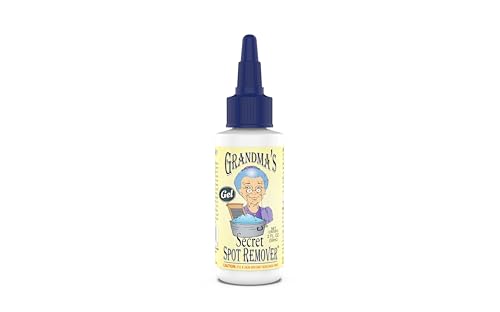
✅ HARSH ON STAINS NOT THE FABRIC: The toxin-free stain remover formula removes just the stains, not the beautiful color of your clothes. Our effective yet gentle stain remover for clothes does not contain bleaching agents or leave dirt-attracting residues, so spot remover should not harm your fabric. You can use Grandmas spot remover worry-free on your expensive investment.

Three powerful stain removing ingredients formulated to dissolve grease stains

ADVANCED OIL STAIN REMOVAL — Specially crafted to eliminate stubborn oil and grease stains including butter, bacon grease, salad dressing, sunscreen, and more.
Primer Application Enhances Paint Performance
After you’ve stripped and prepared your oil-based stained deck, applying primer is the critical next step that’ll substantially improve your paint’s performance. Primer benefits include creating a binding layer that enhances adhesion by up to 50% compared to unprimed surfaces. This foundation seals the deck against moisture penetration, preventing rot and warping while blocking stain bleed-through that compromises color uniformity.
Your paint durability increases substantially when applied over primer—you’ll achieve 2–3 additional years of protection. Primer also reduces chipping, cracking, and peeling under foot traffic and weather exposure. By filling pores and minor imperfections, primer enables fewer paint coats while delivering superior color coverage and consistency. Selecting water-based or oil-based primers based on your climate exposure and desired finish will further optimize adhesion and longevity. For optimal results, ensure your deck surface is thoroughly cleaned using Cabot-specific cleaners to remove all mold, mildew, and dirt before primer application. The result is a professional-looking finish requiring minimal maintenance throughout its lifespan.

Works on weathered, worn or previously coated exterior wood including wood decks, fences, docks and furniture, use under a solid exterior stain, paint or other solid topcoat

Interior/Exterior use on new or previously painted drywall, concrete, wood, masonry, metal and glossy or difficult surfaces

The product is manufactured in united states
Choosing Between Acrylic and Oil-Based Primers
Two primary primer options exist for painting over stained decks, and selecting the right one depends on your deck’s condition, previous coatings, and climate. Acrylic advantages include water-based cleanup, flexibility that resists cracking, and superior breathability that prevents moisture trapping beneath coatings. They’re ideal for previously painted surfaces and acrylic-stained decks. Oil based benefits shine when addressing bare wood, rust, or stubborn stains requiring deep penetration and superior blocking properties. Oil-based primers excel at sealing tannins and water stains, offering longer-lasting protection on weathered wood. However, they trap moisture more readily and require solvent cleanup. Match your primer to your deck’s previous coating—acrylic over acrylic applications, oil-based over oil-based. This compatibility guarantees peak adhesion and durability. When deciding between primers, consider that oil-based stains penetrate wood deeply, which influences your primer selection if your deck was previously finished with an oil-based product. For deck boards that require precise finishing around posts and structural elements, ensure that precise edge finishing is completed before applying your chosen primer for a professional appearance.

NO LAPS, RUNS OR STREAKS: Goof Proof formula with no back brushing required; ideal for exterior wood projects

NO LAPS, RUNS OR STREAKS: Goof Proof formula with no back brushing required; ideal for exterior wood projects

Interior use on including wood, drywall, plaster, concrete, masonry and more
Deck-Specific Paint Products Deliver Superior Results
While standard residential deck paints often fail when applied over existing finishes, specialized deck coatings deliver the superior adhesion and durability you’ll need for a long-lasting paint-over application. Industrial-grade formulations bond effectively to pressure-treated wood, Trex decking, and aged surfaces without requiring stripping. You’ll achieve rock-hard textured finishes that resist chipping and peeling through two-coat application systems designed specifically for weathered wood.
These engineered products prevent the yearly maintenance cycles associated with traditional deck paints. The enhanced adhesion technology eliminates surface preparation headaches while maintaining deck coating durability for 7-10 years. Unlike stain finishes that require reapplication every couple of years, specialized deck coatings provide longer-lasting protection without frequent touch-ups. Before applying any coating, ensure the deck surface is properly prepared by thoroughly cleaning with appropriate deck cleaner solutions to remove dirt and mildew. You can customize your surface finish texture using textured rollers or optional brushing techniques, then clean up with soap and water. Specialized deck coatings transform your stained deck into a protected, attractive surface.

WATERPROOFING STAIN – Bring out the beauty of your outdoors with Thompson’s WaterSeal Clear Multi-Purpose Waterproof Stain. Proven to waterproof concrete, brick, exterior wood and other exterior surfaces.
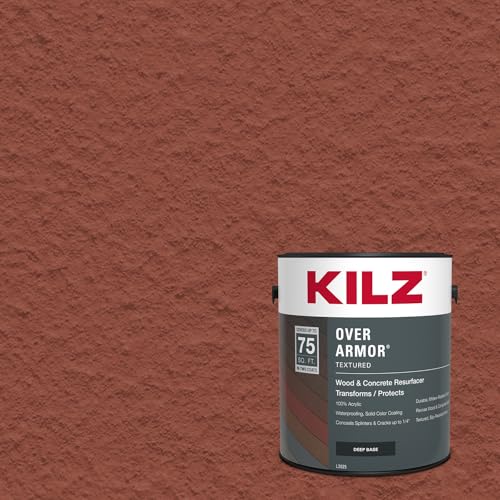
DECK RESURFACER FOR OLD, WEATHERED SURFACES – KILZ OVER ARMOR Textured Coating is a thick, solid color deck resurfacer designed to restore worn wood and concrete. Bridges cracks, hides imperfections, and creates a uniform, refreshed finish on aging decks and patios.

Rubberized Protective Waterproofing Membrane
Anti-Slip Solutions Address Safety Concerns
Your newly painted deck won’t deliver complete protection without addressing one critical hazard: slippery surfaces. Anti-slip solutions provide substantial safety improvements by reducing slip incident probability from 10% to 0.1% in potential events.
You can enhance your painted deck with specialized anti-slip coatings like TracSafe®, which offer slip resistance ratings up to twice OSHA standards in both wet and dry conditions. These advanced formulations use nanotechnology or specialized additives for superior durability, lasting five times longer than traditional sand-in-paint alternatives.
You’ll also benefit from anti-slip benefits through textured surfaces, which provide greater grip than smooth finishes. Strategic placement of non-slip strips in high-traffic areas further minimizes accident risk. Material selection matters too—porous surfaces absorb water effectively, reducing slipperiness compared to non-porous alternatives. Professional deck staining services typically charge between 0.50 to 4.50 per square foot when applying protective finishes that can be enhanced with anti-slip technology.
These safety improvements protect vulnerable users, including children and elderly visitors.

BAREFOOT‑FRIENDLY TRACTION: Creates a comfortable, textured finish designed to add grip and help prevent slipping in high foot-traffic areas
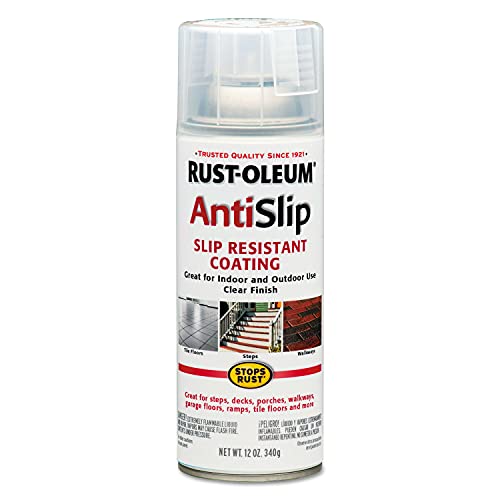
Ideal for application on inside or outside metal, concrete, ceramic and wood surfaces including stairs, pool decks, ramps and walkways

ANTI-SLIP PAINT: Skid Grip is an acrylic textured paint that can turn any surface into a skid-resistant one; The durable coating is ideal for indoor or outdoor use to create a high-grip finish
Application Methods and Best Practices
Success in painting over a stained deck hinges on meticulous surface preparation followed by proper application technique. You’ll achieve consistent coverage using sprayers, rollers, or brushes—select based on your deck’s size and texture. Apply a primer if using paint, then follow with two coats for maximum durability. Alternatively, solid-color stains require no primer and can be applied directly over clean, intact old stain. Staining between 45 and 95 degrees Fahrenheit with moderate humidity prevents lap marks and ensures proper penetration of your coating. When working around metal components like balusters, use careful brush techniques to avoid unwanted overspray on metal surfaces.
For maintenance tips, regular cleaning prevents algae buildup and extends your coating’s lifespan. Inspect your deck periodically and address peeling immediately. Use deck brighteners after cleaning to neutralize stripper chemicals and prepare wood for recoating. Avoid sealing over stain, as this accelerates adhesion problems. Timely maintenance delays recoating needs considerably, protecting your investment while keeping your deck safe and attractive.