The Ultimate Guide to Applying Solid Stain on Your Deck
You’ll prep your deck by pressure washing at 1200–1400 psi, applying cleaner and brightening solution, then ensuring complete dryness. Monitor temperature (50–90°F) and humidity (40–70%) before application. Apply two coats with a brush or roller, following the wood grain with long, smooth strokes while maintaining a wet edge. Allow 24–48 hours drying between coats, then lightly sand with 220-grit paper. Establish yearly maintenance with inspections and spot touch-ups to maximize your finish’s durability.
Preparing Your Deck Surface for Staining
Before you apply solid stain to your deck, you’ll need to thoroughly prepare the surface—a critical step that directly impacts stain adhesion, color uniformity, and the longevity of your finish. Start by inspecting the deck for rot, warping, peeling finishes, and mold or mildew. Sweep away debris, then pressure wash at 1200–1400 psi with a 45-degree tip. Apply a commercial wood cleaner and scrub with a stiff bristle brush along the grain. For existing coatings, use a dedicated stain remover product to strip old finishes completely. Address mold and mildew with specialized treatment, then use a wood brightener to remove UV-induced graying. To maximize stain penetration and achieve even color coverage, apply a brightening solution while the deck is still wet to open up the wood’s pores. Rinse thoroughly, allow complete drying before proceeding with application to ensure optimal adhesion and prevent moisture-related issues. Repair any damaged boards. This preparation guarantees ideal stain adhesion and professional results.

RESTORES THE NATURAL BEAUTY OF WOOD - DEFY Wood Brightener cleans and restores weathered wood surfaces to make them look new again
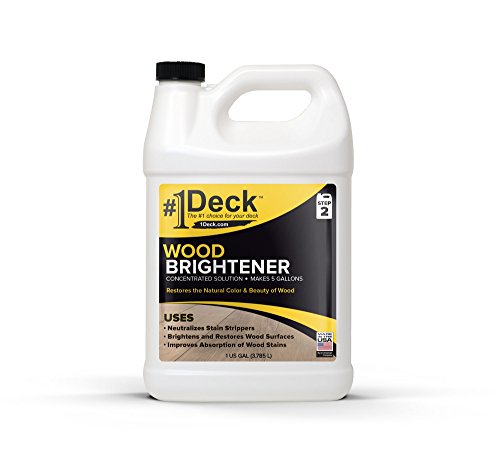
Restores wood's natural color and beauty

Restores the natural brilliance of outdoor/exterior wood by effectively brightening and removing dirt and graying
Drying and Sanding Your Deck Properly
Once you’ve cleaned and prepared your deck surface, proper drying and sanding become the next critical phases that determine whether your solid stain will cure evenly and adhere durably. Your dry time typically spans 24–48 hours before light use, though full curing can extend to 72 hours or longer depending on environmental conditions. Temperature between 50°F and 85°F optimizes the curing period, while humidity above 70% considerably delays drying. To ensure proper adhesion and protection, avoid rain for at least 24-48 hours after application. For extended outdoor projects, consider using protective covers to shield your deck from unexpected weather during the curing process. Between coats, lightly sand with 220-grit sandpaper only after the first coat dries completely to the touch. Remove all dust thoroughly before reapplying. Avoid sanding tacky surfaces or applying second coats prematurely, as this compromises adhesion and finish quality.
Understanding Weather and Environmental Conditions
Since environmental factors directly influence how your solid stain cures and adheres, you’ll need to monitor temperature, humidity, rainfall, sunlight, and wind before and during application. Temperature effects are critical—maintain conditions between 50°F and 90°F for best results. Oil-based stains require minimums of 60°F, while nighttime temperatures below 40°F prevent proper curing. Humidity impacts performance considerably; keep relative humidity between 40% and 70%. Above 70%, drying slows and adhesion issues emerge. Make sure wood dries 24–48 hours before staining and avoid application if rain threatens within 48 hours. Before applying stain, use a quality deck cleaner to remove mill glaze and residues that prevent proper adhesion. Direct sunlight accelerates drying unevenly, creating blotchy finishes, so stain during early morning or late afternoon. Light air movement aids even drying, but strong winds introduce debris and compromise coverage. Proper preparation and timing considerations will optimize your stain’s durability and final appearance.
Choosing the Right Application Tools
The applicator you select dramatically shapes your deck staining project’s success, influencing everything from coverage quality to labor efficiency. Your choice depends on several critical factors: deck size, surface texture, and stain viscosity. Thinner stains work best with sprayers, while thicker formulations suit brushes and pads. Consider applicator ergonomics carefully—extended application periods demand comfortable tools that reduce fatigue. For expansive flat surfaces, rollers and push brushes deliver speed and even coverage. Detailed edges require precise brush control. Pad applicators minimize brush marks while reducing cleanup. Evaluate stain viscosity compatibility before purchasing, as improper pairing compromises results. Factor in maintenance requirements, cost, and availability of replacement parts. Testing your chosen applicator on a small area first helps ensure compatibility with your specific stain formulation. Back-brushing to work the stain into the wood ensures proper penetration and prevents peeling or streaking during the application process. Matching the right applicator to your specific project parameters guarantees ideal stain penetration and professional-quality finishing.

Stains flat surfaces and between boards at the same time


1-Gallon funnel-top, translucent tank for easy filling and cleaning
Mastering the Staining Technique
While selecting the right applicator sets the foundation for your project, your actual staining technique determines whether you’ll achieve professional results or disappointing failures. You’ll apply stain following wood grain direction with long, smooth strokes across two or three boards at a time. Maintain a wet edge consistently to prevent lap marks between application passes. Before the stain dries, employ the back brushing technique to level and smooth the finish, working it deeper into the wood across all surfaces including joints and board ends. This critical step guarantees even coating distribution. Apply thin coats of solid stain—maintaining proper stain consistency prevents puddles that won’t absorb. When working on railings with metal components, use careful brush techniques to avoid getting stain on the metal balusters. Remove excess stain using roll-off grids to avoid over-application and subsequent flaking when dry. Similar to how gentle cleaning techniques protect plastic surfaces from damage, using proper application methods protects your wood deck from finish defects and ensures longevity.
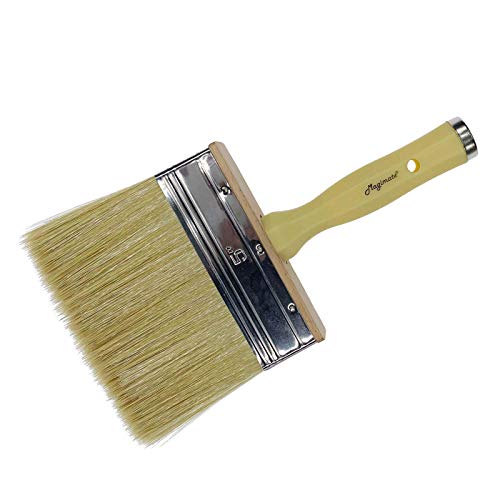
Brush Specs: 5” wide x 1” thick, soft synthetic filament blended with natural bristle. Hold more stain/sealer and paint smoothly, making your home improvement job a breeze.

SIMPLICITY MEETS EFFICIENCY - Our deck stain brush is easy to use with fast application of paints or stains. Just attach it to any standard extension pole for an easy, seamless experience that makes deck staining a breeze for DIYers and professionals alike. Our deck stain applicator works great on wood and concrete.

Bates deck stain brush set includes 2 high-quality brushes designed specifically for staining decks and other large wood surfaces.
Applying Multiple Coats for Best Results
To achieve a professional, durable finish on your deck, you’ll need to apply two thin coats of solid stain rather than relying on a single application. Proper coat timing is critical—allow a minimum of four hours between applications to guarantee adequate stain absorption into the wood. Rushing this drying period prevents penetration and causes the stain to sit on the surface, resulting in uneven coverage and sticky spots.
When applying your second coat, work systematically across manageable sections while maintaining a wet edge to prevent lap marks. Apply consistent pressure using the grain direction on both coats for seamless blending. Check the first coat for absorption variations and target any thin areas during your second application. Wipe excess stain to prevent tackiness and guarantee peak drying throughout. For optimal results, plan your staining project during favorable weather conditions with adequate dry time between coats. Before beginning your staining process, ensure your deck surface is properly prepared through thorough cleaning and sanding to create an ideal foundation for stain adhesion.

OPAQUE FINISH W/ UV PROTECTION: #1 Deck Premium wood stains provide full coverage with an opaque finish, completely hiding the natural wood grain while protecting against fading, graying, peeling, and mildew from UV exposure

Waterproofing deck stain & sealer with all-in-one protection

ALL-WEATHER PROTECTION: Stain and sealer delivers waterproof wood stain performance in just one coat. Shields against rain, snow, and harsh sun for long-lasting durability on outdoor wood surfaces.
Maintaining Your Newly Stained Deck
Once you’ve applied those two coats and your deck has fully cured, you’ll shift your focus toward preserving that fresh finish through consistent maintenance. Establish a yearly cleaning schedule using biodegradable outdoor cleaners to remove pollen, mildew, and biological buildup that accelerates deterioration. Perform annual inspections to identify peeling, scratches, or gouges requiring spot touch-ups. Apply mild wood wash solution before sanding affected areas and reapplying thin stain coats. Allow minimum 48-hour drying between cleaning and touch-up applications. Your maintenance tips should include regular water drop testing to determine if resealing’s necessary. Proper drying time between coats is equally important during maintenance touch-ups to prevent uneven absorption or adhesion issues. When performing your annual cleaning, consider using appropriate cleaning solutions such as mild soap mixtures or oxygenated cleaners to effectively remove stubborn stains and mildew without damaging your newly stained surface. Solid stains typically require complete removal before reapplication every one to three years, depending on environmental conditions. This proactive approach prevents extensive restoration projects and extends your deck’s lifespan considerably.

REMOVES TOUGH STAINS: Quickly eliminates stains caused by food, drink, grease, cooking oil and more
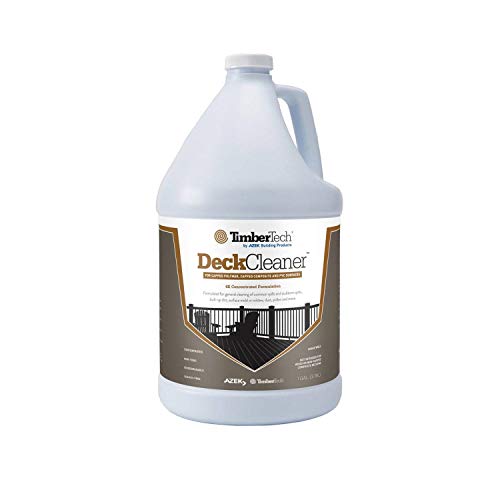
Versatile - works well for cleaning an entire deck or for spot treatment on stubborn spills and stains.

Wet & Forget Concentrate Outdoor Cleaner removes green and black stains caused by moss, mold, mildew, and algae, no scrubbing, no rinsing, no pressure washing, just wet it and forget