How Many Coats of Deck Stain Should You Apply?
You’ll typically apply two coats of deck stain for best results, though solid stains may require three coats for maximum durability and UV protection. Oil-based stains penetrate deeply and need heavy first coats with excess wiped away within five minutes, followed by a second coat within one hour. Water-based stains also benefit from two to three coats with proper drying time between applications. Temperature, humidity, and surface preparation greatly impact your stain’s effectiveness and longevity. Understanding the specific requirements of your chosen stain type will help you achieve the best finish possible.
Understanding Different Stain Types and Their Coat Requirements
Several stain types exist, each with distinct coat requirements and protective capabilities that directly impact your deck’s longevity and appearance. Clear stains require minimal coats but demand frequent reapplication since they offer basic moisture protection without pigment coverage. Semi-transparent stains provide balanced durability and typically need two coats to deliver ideal UV protection and color enhancement while preserving wood grain visibility. Solid stains demand the most thorough application—usually two to three coats—because their opaque finish completely masks wood imperfections and provides maximum stain durability against harsh weather conditions.
Your stain opacity choice determines reapplication frequency and protective longevity. Thicker, more opaque finishes resist peeling, cracking, and blistering more effectively than transparent options. Oil-based stains penetrate wood deeply and provide enhanced durability compared to water-based alternatives, though they require longer drying times. To achieve uniform color and prevent lap marks, maintain a wet edge while applying stain to adjacent sections. High-traffic decks benefit from solid stains’ enhanced protection, while sparsely used decks accommodate semi-transparent formulations. Consider your climate, wood type, and usage patterns when selecting stain types and establishing appropriate coat schedules.

Waterproofing deck stain & sealer with all-in-one protection

OPAQUE FINISH W/ UV PROTECTION: #1 Deck Premium wood stains provide full coverage with an opaque finish, completely hiding the natural wood grain while protecting against fading, graying, peeling, and mildew from UV exposure

OPAQUE FINISH W/ UV PROTECTION: #1 Deck Premium wood stains provide full coverage with an opaque finish, completely hiding the natural wood grain while protecting against fading, graying, peeling, and mildew from UV exposure
Oil-Based Stains: Application Guidelines and Drying Times
Oil-based stains demand a fundamentally different application approach than their water-based counterparts because they’re formulated to penetrate the wood rather than form a surface film. You’ll apply the first coat heavily to guarantee adequate penetration before the surface seals, covering 400 to 500 square feet per gallon with generous brush loading and feathering technique. About five minutes after application, wipe excess stain with a rag to prevent extended drying and tackiness. Regarding drying considerations, oil-based stains require up to 72 hours for complete curing. Apply second coats within one hour of the first coat for ideal penetration, though expect minimal additional color depth. Avoid midday application and high humidity, as both cause flash curing and adhesion problems. Environmental conditions such as temperature between 50-90°F and humidity below 70% significantly impact the success of your application. Plan your oil based application during favorable weather conditions. For optimal results and longevity, finish your stained deck with protective oils or sealants to enhance durability and appearance, similar to the protective measures used when crafting wooden outdoor furniture.

NO LAPS, RUNS OR STREAKS: Goof Proof formula with no back brushing required; ideal for exterior wood projects
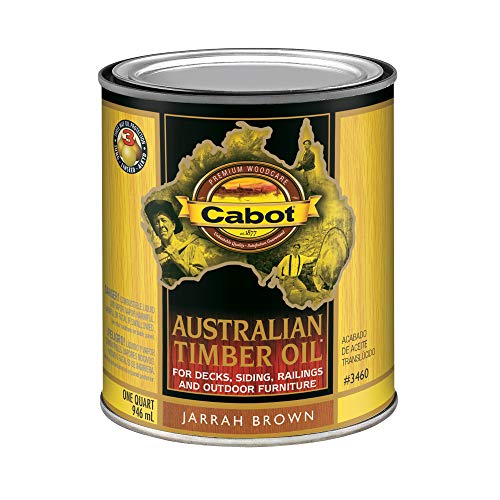
WOOD PROTECTOR – Cabot Australian Timber Oil Wood Stain provides 3-way oil protection for superior penetration. The unique blend of oils is an advanced-technology treatment designed to protect wood surfaces from extreme weather exposure like never before.

NO LAPS, RUNS OR STREAKS: Goof Proof formula with no back brushing required; ideal for exterior wood projects
Water-Based Stains: Multiple Coats and Environmental Factors
While oil-based stains penetrate deeply into wood fibers, water-based stains work differently—they’re formulated to create a protective film layer on the wood’s surface rather than soak in like their oil counterparts. You’ll typically need 2-3 coats for ideal coverage and stain longevity, though application techniques matter greatly.
Environmental factors directly influence your success. High humidity slows drying and risks tackiness, while direct sunlight causes rapid drying that creates lap marks. Rain during application compromises adhesion entirely. You’ll want to allow 2-4 hours between coats, checking manufacturer guidelines for precise intervals. Proper surface preparation including pressure washing and sanding ensures water-based stains adhere effectively to the wood. Similar to how thorough cleaning improves adhesion on outdoor furniture, preparing your deck surface properly maximizes stain absorption and longevity.
Avoid exceeding recommended coats—excess buildup leads to peeling and cracking. Proper ventilation guarantees even drying. Apply thin, consistent coats rather than heavy applications. This approach maximizes durability and maintains a professional finish on your deck.

READY-TO-USE DECK STAIN & SEALER: Olympic WaterGuard woodland cedar semi-transparent wood stain and sealant combines color and waterproofing in one water-based, ready-mix coat.

Water-based wood stain creates rich, even color in 1 coat on most surfaces

SEMI TRANSPARENT EXTERIOR WOOD STAIN: Our outdoor wood stain and sealer allows the natural wood grain to show through, highlighting the beauty of your decks, fences and sidings and preserving its natural look.
Optimal Conditions for Staining Your Deck
Because environmental conditions directly affect stain adhesion and finish quality, you’ll want to time your deck staining project carefully. Temperature considerations are critical—aim for 50°F to 90°F for best results. Below 50°F, drying slows and adhesion weakens; above 90°F, rapid drying causes uneven finishes.
Humidity effects are equally important. Low humidity promotes even drying and penetration, while high humidity creates blotchy results and extends cure times. Confirm your wood is completely dry for at least 24 hours before applying stain. For newly pressure-washed decks, allow 2-3 sunny days to ensure moisture content falls below 15% for optimal stain adhesion.
Avoid peak sunlight hours (10 a.m. to 4 p.m.), which accelerate flash drying. Early morning or late afternoon applications work best. Overcast days provide perfect conditions for consistent drying. Check weather forecasts to confirm no rain will occur within 24–48 hours after staining. Proper surface preparation and cleaning ensures optimal stain adhesion and prevents contamination that could compromise the finish. Stable conditions promote proper curing and a professional finish.
Best Practices for Applying Stain Coats
To achieve a professional finish that’ll last, you’ll need to master the fundamentals of coat application, timing, and surface preparation. Proper surface preparation directly impacts stain absorption and reduces coating requirements. Sand with 60-80 grit paper to improve adhesion, then clean thoroughly to prevent pooling.
Apply thin, even coats using a ¼-inch nap roller to avoid puddles and flaking. Wipe away excess stain for uniform results. Wait a minimum of four hours between coats—rushing causes uneven color and adhesion problems. For optimal results, ensure temperatures remain moderate and humidity is low during application and curing.
Check manufacturer specifications for your specific stain type. Semi-transparent and solid stains typically require two coats for complete coverage and opacity. Don’t apply your second coat until the first coat feels non-sticky, typically one to two hours depending on conditions. For corners, edges, and end grains, use a paintbrush to ensure complete coverage in areas that are difficult to reach with a roller.

1/2 IN. NAP: Designed for smooth, consistent paint application on semi-smooth to medium-textured surfaces.

Proprietary golden yellow fabric provides exceptional capacity with all flat or satin paints stains and waterproofing

PURDY PAINT ROLLER COVERS – Purdy WhiteDove roller covers provides a smooth, lint-free finish. Handcrafted in the USA, this Purdy roller paint cover is ideal for drywall, ceilings, and floors.
When to Apply Second Coats and Common Mistakes to Avoid
Timing your second coat application is critical—apply it too soon and you’ll trap moisture that causes peeling; wait too long and you’ll lose the ability to achieve a seamless blend between coats. For wet-on-wet applications, wait 20 to 30 minutes on horizontal surfaces, using fading sheen as your visual cue. Non-wet-on-wet methods require 24 to 48 hours depending on conditions.
Common mistakes with second coat timing include insufficient drying between coats, which prevents proper bonding and reduces water repellency. Over-application of stain creates excessive thickness and tackiness. Applying one thick coat instead of two thin coats prevents proper oil penetration and causes surface film buildup. Missing the wet-on-wet window results in uneven stain consistency and application failure.

WATERPROOFING STAIN – Bring out the beauty of your outdoor wood with Thompson’s WaterSeal Transparent Waterproofing Wood Stain. Along with adding smooth color, it’s a deck sealer that prevents water damage to help you maintain your outdoor living spaces.
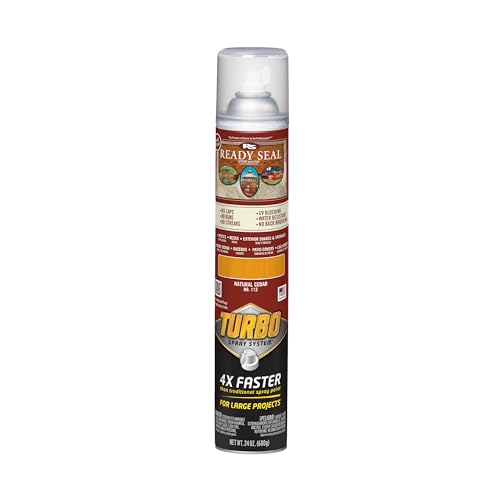
NO LAPS, RUNS OR STREAKS: Goof Proof, oil-based formula now equipped with the powerful Turbo Spray System; ideal for exterior wood projects

Non-Toxic & Low Odor, Safe for Indoor Use: Breathe easy with our water-based wood stain! It’s non-toxic, environmentally friendly and low VOC formula makes it perfectly safe for indoor projects like kitchen cabinets, bedroom furniture, and more — without the strong chemical fumes found in traditional stains.