The Ultimate Guide to Stripping Paint From Deck Boards
You’ll strip paint most effectively by combining chemical strippers with mechanical sanding—a hybrid approach that tackles multiple layers in hours rather than days. Apply caustic or solvent-based formulations liberally, wait 5-45 minutes for activation, then scrape and sand with 36-grit pads to bare wood. Wear protective gloves, goggles, and respirators throughout. Neutralize chemical residue thoroughly before refinishing. This methodical process preserves wood integrity better than pressure washing alone, though the specific techniques vary considerably depending on your deck’s condition.
Types of Paint Stripping Methods for Deck Boards
When you’re removing paint from deck boards, you’ll find that chemical stripping, pressure washing, mechanical sanding, and hybrid approaches each offer distinct advantages and limitations. Chemical strippers like caustic and eco-friendly formulations work quickly, removing multiple paint layers in 30-45 minutes. However, they require proper neutralization afterward. Pressure washing strips paint effectively but damages wood fibers, necessitating additional sanding. Mechanical methods using industrial orbital sanders with 36-grit pads deliver superior results, producing bare wood ready for new coatings. Hybrid approaches combining pressure washing with sanding provide thorough removal for stubborn finishes. Film-based coatings respond better to sanding than chemicals alone. After stripping, ensure your deck maintains proper board spacing to allow for adequate air circulation and moisture management. Before applying new stains after stripping, consider whether oil-based or water-based stains best suit your maintenance preferences and environmental priorities. Your choice depends on coating type, existing buildup, and desired surface quality.

ALWAYS TEST BEFORE USE: Removes acrylic, latex, oil, & water-based paints, varnishes, & stains, typically in only a single application! TEST for compatibility with your coating before full removal!
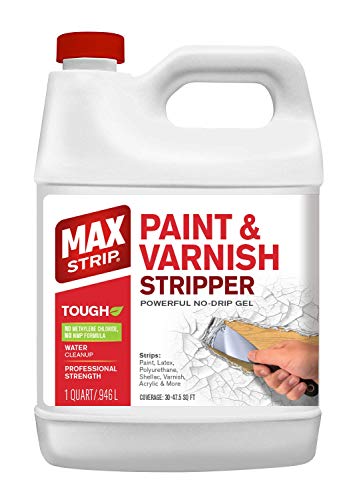
DESIGNED TO REMOVE PAINT AND VARNISH FROM MULTIPLE SURFACES - Remove Aftermarket Paints, Latex, Polyurethane, Shellac, Varnish, Acrylic, Oil Based Coatings and More in usually a Single Application!

CITRISTRIP Paint & Varnish Stripping & Removing Gel is easy to use.
Recommended Tools and Materials
Your choice of paint stripping method determines which tools and materials you’ll need on hand. For chemical stripping techniques, gather synthetic rollers or stiff-bristled brushes, depending on your stripper type. Eco friendly strippers like R-A-D™ PaintStrip require sprayers for even application. You’ll need gloves, eye protection, and respirators since solvent-based products emit strong fumes. Include drop cloths to protect surrounding areas from chemical spills.
After stripping, prepare for rinsing with garden hoses or low-pressure washers. Stock wood brighteners and neutralizing agents to counteract chemical residue. For mechanical approaches, carbide scrapers handle stubborn layers effectively. Keep rags, buckets, and brushes nearby for cleanup. Similar to painting metal surfaces, applying multiple thin applications and maintaining proper drying time between applications ensures the best foundation for your refinishing project. Once your deck boards are stripped clean, thoroughly cleaning the deck with appropriate cleaners will remove any remaining residue before you apply your chosen finish. Proper preparation with quality tools and safety equipment guarantees efficient, safe paint removal from your deck boards.
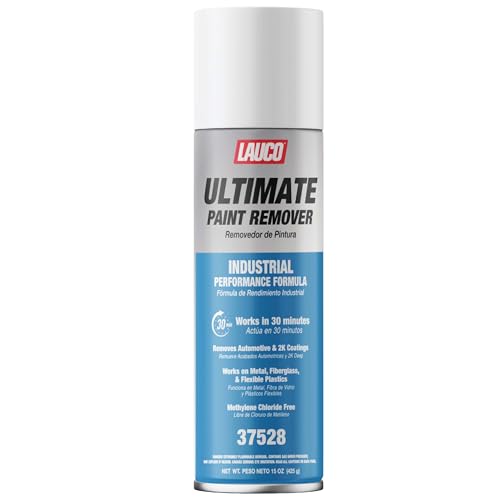
Designed for professional and heavy duty use, this paint remover delivers industrial strength performance that effectively breaks down multiple layers of coatings, saving time and effort on demanding stripping jobs across various surfaces.

NIOSH-APPROVED P95 for at least 95 percent filtration efficiency against certain solid and liquid aerosols including oils

Fast acting formula
Preparation Before Paint Removal
Before you strip paint from your deck boards, you’ll need to prepare the work area thoroughly to guarantee efficient removal and prevent damage to surrounding surfaces. Start by removing all furniture, plants, and debris, then sweep or blow away leaves and dirt. Protect nearby vegetation with drop cloths.
Your deck assessment should evaluate the current coating’s condition—look for blistering, cracking, or peeling. Identify the paint type to select the appropriate removal method. Check for wood rot or weathering damage requiring repair.
For surface preparation, thoroughly clean the deck with specialized cleaners to remove mildew and stains. Wet the surface lightly before applying stripper, as moisture enhances effectiveness. Remove loose, flaking paint manually to reduce chemical usage and improve performance. If you prefer to preserve the natural wood appearance after stripping, consider using clear deck sealers for protection without adding color. Allow the deck to dry fully before beginning the paint stripping process to ensure the stripper works effectively on the surface.
Application and Process of Chemical Stripping
Chemical paint strippers work through two primary mechanisms: caustic-based formulations decompose paint via chemical breakdown, while solvent-based products break the bonds between paint and wood. You’ll choose between gel and liquid consistencies based on your project scale—gel formulations stay wet longer for expansive decks, while liquids suit spray application on larger areas.
For stripper application, you’ll apply the product liberally to your dry deck surface using a brush, roller, or sprayer depending on the formulation. Ascertain even distribution across the entire surface to guarantee uniform paint removal. Chemical activation occurs within 5 to 45 minutes, dictated by manufacturer instructions. You must allow sufficient time for paint to soften before mechanical removal, but prevent the chemical from drying completely on the surface. Multiple applications may prove necessary for thick or layered paint coats.

DESIGNED TO REMOVE SPECIALTY DECK COATINGS AND PAINTS FROM MULTIPLE SURFACES - Remove Paint, Latex, Polyurethane, Shellac, Varnish, Acrylic, Oil Based Coatings and More in usually a Single Application!

New, safer formula is methylene chloride free
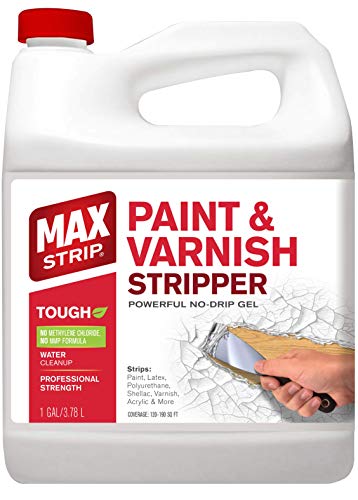
DESIGNED TO REMOVE PAINT AND VARNISH FROM MULTIPLE SURFACES: Remove Aftermarket Paints, Latex, Polyurethane, Shellac, Varnish, Acrylic, Oil Based Coatings and More in usually a Single Application
Safety and Environmental Considerations
Since chemical paint strippers contain potent substances that can harm your skin, eyes, and respiratory system, you’ll need to prioritize protective measures throughout the stripping process. Wear chemical-resistant gloves, safety goggles, long sleeves, and a respirator to shield yourself from toxicity concerns.
Work outdoors or in well-ventilated areas to minimize inhalation exposure. Take frequent breaks in fresh air and monitor wind direction to prevent fumes from drifting toward people or vegetation.
Select biodegradable, non-toxic strippers formulated specifically for wood decks. Avoid products containing methylene chloride due to their high toxicity and environmental risks. Like rubberwood, wood decks exposed to moisture without proper protection can experience warping or swelling if sealants and protective coatings are compromised by chemical strippers. Cover nearby plants and soil with tarps to prevent chemical exposure. Proper ventilation is especially critical in enclosed spaces, similar to how height clearance considerations ensure safety and comfort in outdoor structures.
Collect all paint chips for proper disposal at hazardous waste facilities. Never pour stripper or wash water down drains without checking product labels.
Post-Strip Paint Removal and Deck Refinishing
After you’ve removed the paint stripper, your deck’s restoration phase begins with meticulous cleaning and preparation. You’ll use concentrated detergent and power washing with a 40° nozzle to eliminate stripper residue and debris. Apply oxalic-acid-based wood brightener as a surface treatment to restore color and remove discoloration.
Allow 72 hours for complete drying before proceeding. During this period, conduct a thorough inspection and sweep away particles. Be sure to wear protective gear including gloves when handling any remaining chemical residue.
Next, employ coarse-grit sandpaper (60-80) with palm and drum sanders to remove dark spots and finish residue. Use medium-grit sanding sponges on fastener holes. Remove all dust before staining.
For structural integrity, replace damaged boards and fill fastener holes with wax-based exterior filler. Consider applying UV-resistant finishes to protect your newly restored deck from sun damage and moisture exposure. Test your chosen stain on a hidden area first to verify color accuracy before full application.

Contains oxalic acid which when mixed with hot water
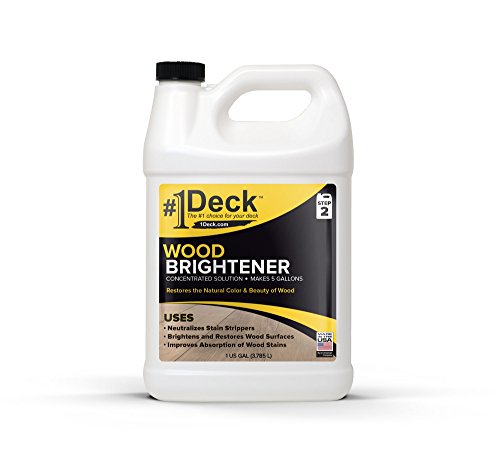
Restores wood's natural color and beauty

RESTORES THE NATURAL BEAUTY OF WOOD - DEFY Wood Brightener cleans and restores weathered wood surfaces to make them look new again
Choosing the Right Method for Your Deck
Selecting the most effective paint removal method depends on your deck’s existing coating type, condition, and surrounding environmental factors. Start with thorough surface condition assessment to identify whether you’re dealing with latex, acrylic, or oil-based coatings. Unknown coating histories require initial alkaline cleaning before determining ideal stripper selection.
For cracking or peeling finishes, combine chemical strippers with sanding for superior results. Caustic strippers work best on thicker coatings, though they demand neutralization afterward. If sensitive surfaces like render walls surround your deck, test strippers on inconspicuous areas first to prevent damage.
Consider your labor tolerance: sanding back to bare timber yields best results but demands substantial effort. Alternatively, wire brushing removes paint without fiber damage like pressure washing causes. Evaluate your priorities—time, cost, and wood preservation—before committing to your chosen method. For optimal results on intricate deck components, a high-quality sprayer can be used to apply your chosen finish evenly after stripping. After successfully stripping your deck, thorough cleaning with appropriate cleaners will remove all residual stripper and prepare the wood surface for your desired finish.

EASY STAIN STRIPPING: Powerful deck stain stripper for wood removes weathered, clear, or semi-transparent stains. Spray on with a pump-up sprayer and rinse with a power washer for best results.

Prepares old worn decks for coating

IMPORTANT READ FIRST - Will not remove solid color opaque stains, paints, polyurethanes, or excessively over-applied acrylic (water-based) stains. If you have a question about if this will work for removing your stain, please ask below in the Questions Area with the brand name and type of stain being removed or contact us directly.
Maintenance and Long-Term Deck Care
Once you’ve stripped and refinished your deck, establishing a rigorous maintenance routine becomes essential to protecting your investment and extending its lifespan. Schedule annual deck inspections to identify loose fasteners, moisture damage, and structural deterioration before they escalate into expensive repairs. Fastener maintenance requires immediate attention—replace corroded or damaged screws and bolts, ensuring proper installation with washers and nuts. Perform thorough seasonal cleaning, removing debris from board gaps to improve water drainage. Before resealing or restaining, prepare your deck surface by using a wood brightener to restore the wood’s natural pH balance for better stain adhesion. Consider adding outdoor string lights to enhance your deck’s ambiance during evening gatherings, but ensure any lighting installations use damage-free methods to protect your refinished surface. Reseal or restain your wood deck every two to three years using two thin coats for best protection. By prioritizing deck inspection and fastener maintenance, you’ll prevent premature decay and maintain your deck’s structural integrity for years.