
Stain vs. Paint: Which Is Better for Your Deck?
Choosing between stain and paint depends on your priorities. Paint offers superior UV protection and 100+ color options, lasting 5-10 years with proper maintenance. Stain preserves wood grain, provides better breathability to prevent rot, and costs less initially at $20-$35 per gallon. Consider your climate: stain excels in humid regions, while paint performs better in hot, sunny areas. Evaluate your budget, maintenance commitment, and aesthetic preferences to determine which finish aligns with your deck’s specific needs and conditions.
Visual Appeal and Aesthetic Choices
How much does your deck’s natural wood character matter to your home’s overall aesthetic? Staining preserves and enhances wood grain, creating visual harmony with cedar, redwood, or teak’s authentic character. Paint offers nearly endless color options—from bold vibrant hues to subtle shades—giving you greater design flexibility and color psychology advantages for matching your home’s exterior.
Your choice depends on your priorities. If you want natural wood beauty showcased, semi-transparent stains highlight grain patterns while maintaining an organic feel. If you prefer bold design statements or need to hide surface imperfections, paint’s opaque coverage provides superior results. For stained decks, applying two coats typically provides better protection, more uniform color, and improved longevity compared to a single application.
Climate also matters. Hot, sunny regions benefit from stain’s UV resistance without paint’s cracking and peeling. Humid environments similarly favor stain, as wood breathes naturally and resists moisture-related degradation. Paint provides a strong protective layer that typically lasts between five to ten years, making it ideal for decks in harsh weather conditions. Evaluate your deck’s condition and local climate before deciding which option delivers your desired visual impact.

NO LAPS, RUNS OR STREAKS: Goof Proof formula with no back brushing required; ideal for exterior wood projects

SEMI TRANSPARENT EXTERIOR WOOD STAIN: Our outdoor wood stain and sealer allows the natural wood grain to show through, highlighting the beauty of your decks, fences and sidings and preserving its natural look.
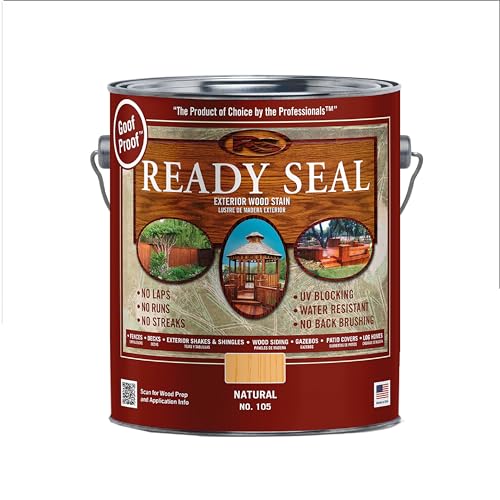
NO LAPS, RUNS OR STREAKS: Goof Proof formula with no back brushing required; ideal for exterior wood projects
How Long Each Option Lasts
When you’re weighing stain versus paint, longevity becomes a critical factor in determining your deck’s maintenance schedule and long-term costs. Paint longevity outperforms most stain options, lasting 5 to 10 years with proper application and maintenance. Among stains, solid varieties offer the longest stain durability at up to 5 years, while oil-based stains provide 2 to 5 years of protection through deep wood penetration. Semi-transparent and semi-solid stains fall in the middle range at 2 to 3 years. Water-based stains require the most frequent reapplication, lasting only 1 to 2 years. Oil-based stains offer richer color enhancement compared to their water-based counterparts, which may raise the wood grain over time. To maximize the lifespan of your stain choice, thorough cleaning and proper preparation are essential steps that should not be overlooked before application. Your choice depends on your tolerance for maintenance intervals and budget constraints. Paint demands thorough surface preparation but rewards your investment with extended protection periods.
Protecting Your Deck From the Elements
Beyond longevity, you’ll find that how well your deck withstands environmental stress ultimately determines its structural integrity and appearance. Paint excels at UV protection and moisture defense, forming an impermeable barrier against rain and sun damage. However, if that barrier cracks, trapped moisture can accelerate rot prevention failures beneath the surface.
Stain offers superior weather resilience through its breathable nature, adapting to wood expansion and contraction without peeling. This flexibility minimizes damage from freeze-thaw cycles. For rot prevention, stain’s ability to release moisture prevents the trapped water that causes decay. Decking oil similarly penetrates deeply into the wood, nourishing it while providing protection against UV damage, moisture, and mould. Proper preparation, including allowing pressure treated wood to dry completely before application, ensures stain penetration and a long-lasting finish.
Both finishes provide insect deterrence and mildew resistance, though stain’s penetrating formula protects wood fibers more deeply. Regular maintenance is essential regardless of your choice, but stain’s breathability makes early damage detection easier.

ONE‑COAT PROTECTION: Oil‑base formula seals and protects exterior wood surfaces in a single coat, delivering strong defense against water and UV exposure

ALL-IN-ONE DECK PROTECTION: Deck stain and sealer in one delivers comprehensive coverage and enhanced wood beauty. Easy to apply for long-lasting, weather-resistant results on exterior surfaces.

CLEAR WATERPROOFING WOOD SEALER: Olympic WaterGuard clear sealer waterproofs and protects exterior wood and masonry without changing the surface's natural look.
Preparing and Applying Your Finish
Whether you’re applying paint or stain, proper surface preparation is the foundation of a long-lasting, attractive deck finish. Start with thorough sanding techniques to remove old finishes and smooth imperfections. Pressure wash the deck and allow it to dry completely for at least 48 hours.
For paint applications, primer application is essential on bare wood or when switching from stain. Solid-color stains benefit from a wood conditioner, while transparent stains skip this step entirely. Apply paint with a roller or brush in multiple coats, spacing them 24 hours apart. Stain requires only one coat, applied with a brush for even penetration, and dries within 4–8 hours. Both finishes demand full curing before heavy use—up to 30 days for paint, several days for stain. Always apply your finish during optimal weather conditions that avoid direct sunlight and rain for the best results. Consider using back-brushing techniques to ensure even coverage and prevent lap marks when applying either finish.

Pre-stain wood conditioner preps wood for even color

Ideal for use on interior wood furniture, cabinets, doors, trim, floors and paneling
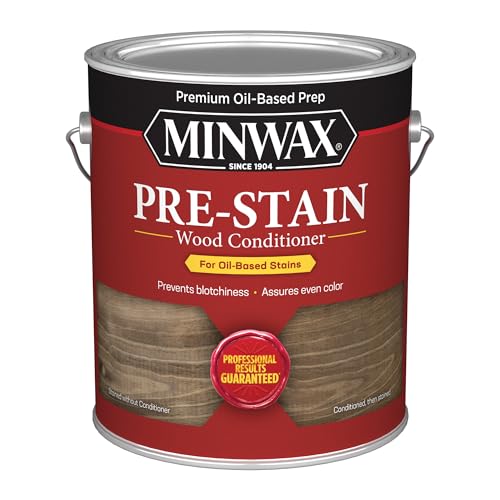
PRE-STAIN TREATMENT FOR ALL WOOD – Ensure wood projects look great with Minwax Pre-Stain Wood Conditioner. Use prior to applying oil-based wood stains to help prevent streaks. It works by evening out the absorption of oil-based wood stain.
Assessing Your Deck’s Current Condition
Before you apply any finish, you’ll need to assess your deck’s current condition to determine what repairs or additional prep work it requires. Create a thorough condition checklist by examining surface discoloration, warping, mold, and cracks. Check for soft spots indicating rot, rust stains around fasteners, and loose railings signaling structural problems. Your damage assessment should identify peeling finish, delamination, and gaps between boards. Document sagging areas and insect damage carefully. Inspect for accumulated debris and algae growth that trap moisture. Note any previous finish failures, particularly peeling or blistering patterns. Before refinishing, you should perform a pre-rinsing inspection to remove debris and soften any dirt buildup on the surface. To ensure optimal results, apply a deck cleaner and allow it to penetrate the surface before proceeding with your repairs. This systematic evaluation reveals whether you need structural repairs before refinishing and helps you choose between stain and paint based on your deck’s actual condition and durability requirements.
Weather and Climate Considerations
Your local climate plays a critical role in determining whether stain or paint will better protect your deck and how long either finish will last. In hot, sunny regions, stain’s UV-blocking agents and breathable formula accommodate wood’s natural expansion and contraction, while paint’s rigid surface layer can blister and fade prematurely. Humid climates favor oil-based stains, which resist peeling and moisture infiltration that paint often traps beneath its surface.
Seasonal changes demand careful timing for application. Both products require dry conditions and similar temperature ranges, though stain dries faster and adjusts better to temperature fluctuations. For maximum protection in humid climates, solvent-borne, oil-based stains applied before installation help prevent moisture damage that can compromise deck longevity. To prevent stains from marring your siding during application, consider keeping a wet rag handy to immediately catch any spills. You’ll need yearly stain maintenance in severe climates, whereas paint typically lasts longer initially but requires frequent touch-ups on high-traffic horizontal surfaces.
Budgeting for Your Project
When you’re planning a deck finishing project, the financial picture extends far beyond comparing per-gallon prices at the store. Your budget breakdown must account for material costs, labor expenses, and long-term maintenance cycles.
Stain offers lower initial costs—typically $20–$35 per gallon—but requires reapplication every 2–3 years. Paint costs more upfront ($30–$75 per gallon, plus primer and preservative) yet lasts 5–10 years, potentially offsetting higher initial expenses over a decade.
A cost comparison reveals that deck size, preparation requirements, and structural complexity greatly impact total expenses. Professional staining services typically range from 0.50 to 4.50 per square foot, depending on factors like deck condition and prep work complexity. Like outdoor furniture materials that require protective coatings, deck finishes benefit from quality products that reduce maintenance frequency. Budget stain may require additional coats, negating savings, while investing in premium products reduces overall gallon requirements. Consider your 10-year financial commitment when evaluating which option delivers better value for your specific project needs.

READY-TO-USE DECK STAIN & SEALER: Olympic WaterGuard woodland cedar semi-transparent wood stain and sealant combines color and waterproofing in one water-based, ready-mix coat.

NO LAPS, RUNS OR STREAKS: Goof Proof formula with no back brushing required; ideal for exterior wood projects

NO LAPS, RUNS OR STREAKS: Goof Proof formula with no back brushing required; ideal for exterior wood projects
Color Variety and Customization
Once you’ve settled on a budget, the visual possibilities of your deck finish shouldn’t be overlooked—they’re just as important as the financial decision. Paints typically offer over 100 color options and superior customization through advanced tinting techniques, allowing you to achieve virtually any shade and create bold, uniform finishes. Stains provide a more limited palette but excel at enhancing natural wood grain with semi-transparent options in popular hues like Cedar or Coastal Gray. You can customize stains by layering or blending them with wood tones, though results depend on opacity levels. Paint delivers consistency across different wood types, while stains showcase wood character. For stains to maintain their visual appeal and color integrity over time, proper application techniques such as using brushes for detailed areas and rollers for larger surfaces are essential to avoid peeling and streaking. Water-based stains offer low odor and VOCs, making them a more eco-friendly option for homeowners concerned about environmental impact and indoor air quality. Consider your home’s style, climate exposure, and desired aesthetic when selecting between these approaches.
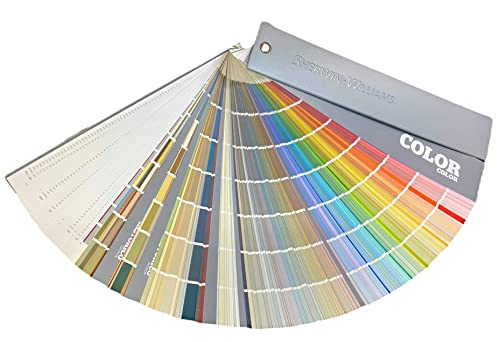

ENAMEL FLOOR PAINT: Provide your floors with an extremely durable and long-lasting finish using California Paint ALLFLOR Porch, Patio and Floor Enamel Paint.

ENAMEL FLOOR PAINT: Provide your floors with an extremely durable and long-lasting finish using California Paint ALLFLOR Porch, Patio and Floor Enamel Paint.
Making Your Final Decision
After weighing the budget, color options, and aesthetic appeal of stains versus paint, you’ll want to anchor your decision on factors that directly impact your deck’s performance and your maintenance burden. Your climate ultimately determines the final verdict: hot, sunny regions favor stains’ UV protection, while humid climates benefit from stains’ breathability. Consider your lifestyle—high-traffic or wet areas demand stains’ superior slip resistance, whereas lower-traffic spaces tolerate paint’s smoother finish. Evaluate maintenance capacity: stains require frequent renewal but simpler recoating, while paint lasts longer but demands intensive repairs. Proper deck preparation, including sanding and cleaning, is essential regardless of which finish you choose to ensure optimal adhesion and longevity. Your personal preferences matter, yet they shouldn’t override practical durability concerns. Just as precise measurement techniques ensure properly fitting cushions, accurate assessment of your deck’s specific conditions ensures the right finish choice. Prioritize longevity, safety, and maintenance alignment with your actual commitment level before committing to either finish.