How to Choose the Best Tool for Staining Deck Spindles
You’ll want to match your tool to spindle geometry and stain type. Natural-bristle brushes work best with oil-based stains, while synthetic bristles handle water-based formulas. Foam brushes access tight spaces without shedding lint. For complex surfaces, contour applicators with flexible pads prevent pooling and gaps. HVLP sprayers offer precision but require careful technique to minimize overspray. Consider ergonomic handles, lightweight construction, and stiff versus soft bristles based on surface condition. The right choice depends on your project’s specific demands and desired finish quality.
Understanding Spindle Staining Challenges
Staining deck spindles isn’t like brushing stain on a flat surface—you’re working with narrow, vertical elements that are often closely spaced and feature curved or decorative designs that complicate even coverage. Your spindle access becomes severely limited, requiring specialized staining techniques to avoid missed spots and uneven color. Tight spacing restricts tool maneuverability, while angled or horizontal sections demand adaptable approaches. Corners and joints naturally collect stain pooling, creating drips and blotchy finishes. Backing areas remain particularly challenging to reach consistently. Additionally, fasteners and hardware accumulate unwanted stain buildup. Over- or under-application occurs easily with improper tool selection. Using penetrating wood stain helps prevent staining of metal balusters since the stain soaks into wood but sits on metal surfaces, allowing for quick cleanup if overspray occurs. Proper application techniques such as back-brushing ensure the stain works into the wood grain and prevents uneven coverage on spindles. Understanding these obstacles before you start allows you to select appropriate equipment and adjust your application method accordingly, ensuring professional results on every spindle.
Deck Stain Brushes: Natural and Synthetic Options
The brush you choose makes the difference between a professional-looking finish and frustrating streaks on your deck spindles. You’ll find two primary bristle types: natural and synthetic, each excelling with different stain formulations.
Natural bristles, made from Chinese hog hair, absorb oil-based stains evenly through microscopically hollow fibers, delivering smooth, streak-free results. However, they swell and lose shape when exposed to water-based products.
Synthetic bristles—nylon, polyester, or specialized blends—perform effectively with water-based stains while maintaining shape and stiffness. They prevent clumping and minimize visible brushstrokes that plague natural bristles in latex applications.
For brush durability and maintenance, consider your stain type carefully. Natural bristles require mineral spirits cleaning and degrade faster with water exposure. Synthetic options offer superior longevity, easier soap-and-water cleaning, and better overall brush durability for repeated use.

Bates deck stain brush set includes 2 high-quality brushes designed specifically for staining decks and other large wood surfaces.

Bates deck stain brush features a 7.5-inch width for expansive and even application, ideal for efficiently staining decks, fences, and other large wooden areas.

HIGH GRADE NYLON BRISTLES: This 5" block paint brush is made of premium soft curved nylon bristles, which can get in all areas for an evenly paint distribution. The wavy synthetic filaments allow a great capacity of holding paints, work efficiently and smoothly with precise control while doing painting jobs. No hair loss, resulting in a high-quality finish on walls and other surfaces. The bristle is easy to clean and maintain its shape after washing, get ready for next use
Foam Brushes for Precision Work
While foam brushes might seem like a basic alternative to traditional bristle options, they’re actually engineered specifically for the contoured challenges you’ll encounter on deck spindles. Their angled tips access hard-to-reach crevices effortlessly, and their flexibility accommodates curves without leaving visible brush marks.
The foam brush advantages become apparent when you apply stain using wet-on-wet techniques for even penetration. The foam construction holds considerably more stain than rags, reducing reapplication frequency across larger surface areas. For foam brush durability, premium options withstand multiple applications without deterioration, making them economical despite repeated use.
You’ll appreciate the lint-free composition preventing fiber shedding that compromises finishes. Cleanup demands soap and water for water-based stains or mineral spirits followed by soap for oil-based formulas. Their disposability eliminates storage concerns entirely. Using foam brushes in combination with UV-inhibiting finishes ensures your stained spindles maintain color and appearance over time as part of a comprehensive deck protection strategy.

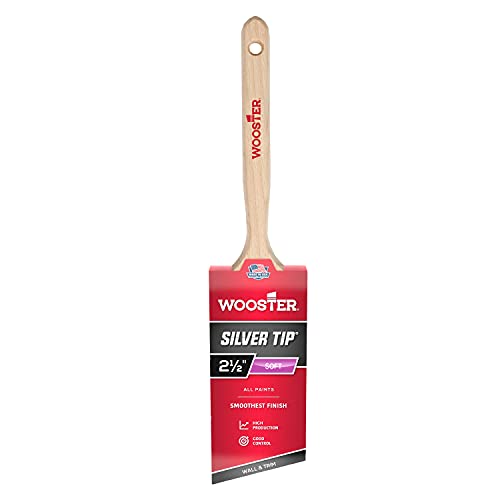
Versatile Application: Ideal for painting walls, furniture, doors, cabinets, trim, and other interior surfaces.
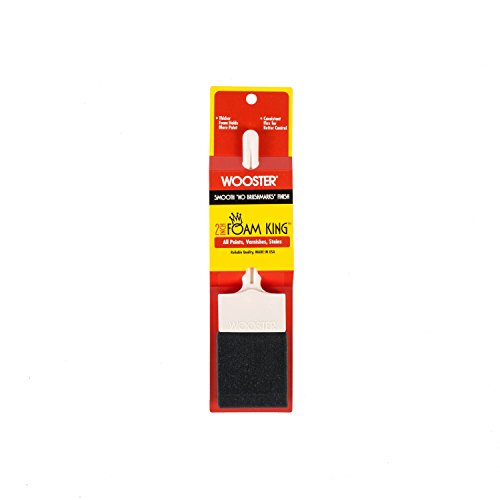
High-quality made in USA brushes for all paints as well as varnishes and stains
Contour Applicators and Flexible Tools
Once you’ve mastered basic foam brushes, you’ll find that contour applicators represent a significant evolution in deck spindle finishing technology. These flexible applicators excel at maneuvering through the complex geometry of your railing system.
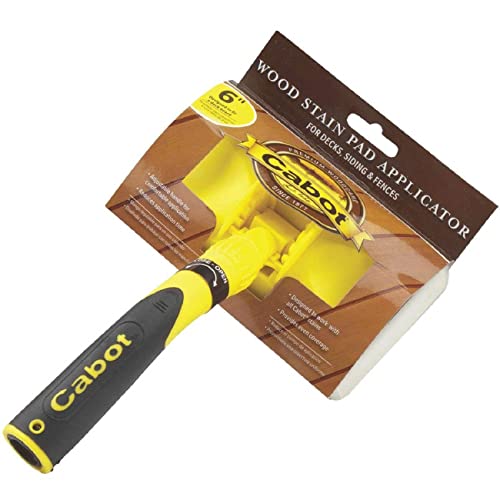
Flextech® hygroscopic foam pads adapt seamlessly to spindles, rails, and balusters, eliminating frustrating gaps that compromise coverage. The medium-firmness construction allows angle applications on contour surfaces while the barrier layer prevents stain from seeping through to your hands.
You’ll appreciate the replaceable pads with hook-and-loop attachments—quick swaps between water-based and oil-based stains streamline your workflow. The ergonomic grip reduces hand fatigue during extended vertical work. For spindles with intricate details, applying thin, multiple coats rather than one heavy application prevents excess stain from pooling on the surface and ensures proper absorption into the wood grain. Allowing adequate drying time between coats will also help you achieve a professional appearance and long-lasting results on your spindle work.
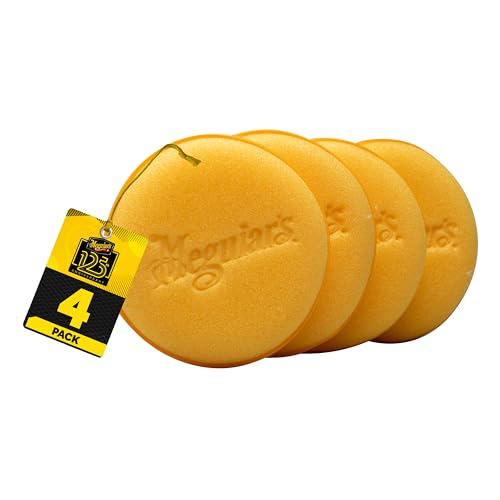
WIDE APPLICATION: Upgrade your car detailing kit with Meguiar's 4" Foam Applicator Pads, versatile tools designed to effortlessly apply various auto care products, including car polish, car wax, dressings, interior products, and more.

Tire Applicator Pads (ACC_300_2) - Pack of 2 Chemical Guys tire shine contoured durafoam applicators designed for easy, precise application of tire dressings, protectants, and shine products on large vehicle tires

High-Quality Materials -- The tire contour dressing applicator pads are made of durable and reliable sponge material, providing a soft and delicate touch. They have strong water absorption capacity and are wear-resistant, rust-resistant, and corrosion-resistant.
Pads and Their Limitations on Irregular Surfaces
Despite their ergonomic advantages, contour applicators and flexible pads encounter significant obstacles when you’re working with irregular spindle surfaces. Standard pad shapes can’t navigate tight spaces between spindles or conform to three-dimensional geometries effectively. You’ll struggle fitting rigid applicators into confined gaps, and edge ridges prevent smooth insertion. When you attempt to reposition pads sideways for better access, you’re adding unnecessary labor time.
Material issues compound these challenges. Fresh pads shed lint and flock onto textured wood, while terrycloth coverings snag easily on roughsawn surfaces. Your absorption and release rates become unpredictable, creating drips and uneven stain uniformity. Achieving balanced stain loading while maintaining controlled application remains difficult. You’ll need back-brushing techniques to correct underapplication in valleys and grooves, making pads inefficient for detailed spindle work.
HVLP Sprayers: Speed Versus Precision
How do you balance speed with quality when you’re staining an entire deck of spindles?
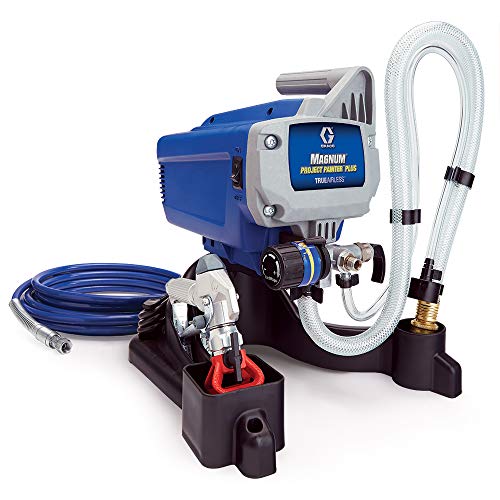
HVLP sprayers offer precision control that hand-applied methods can’t match, but they sacrifice speed efficiency. You’ll complete an 8 ft. x 10 ft. deck in under two minutes with capable models, yet spindle work progresses slower than alternative techniques.
However, this trade-off favors precision. You’ll achieve superior atomization without splatter, preventing drips and runs on vertical surfaces. The adjustable spray pattern lets you customize application for complex spindle geometry. You’re eliminating touchups and rework—tasks that consume significant time with less precise tools. Maintaining 50% overlap on passes ensures even stain coverage across spindles without missing spots.
Professional-grade HVLP equipment combines both advantages through advanced engineering, reducing overall project duration despite slower initial application rates. Material efficiency further compensates: minimal overspray means less cleanup and waste, ultimately saving you time and money on each project. Remember to test your stain color on a small spindle area before committing to the full application technique to ensure you achieve the desired results.
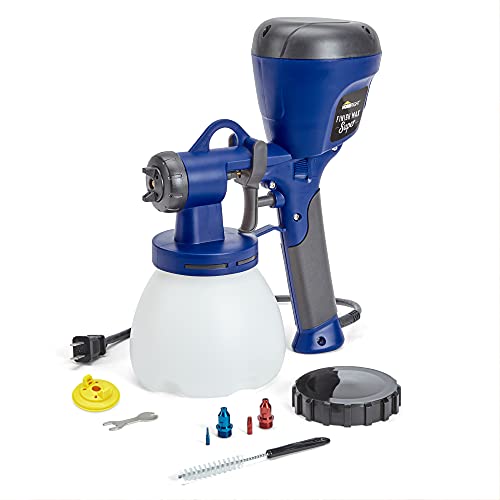
Life changing paint sprayer: this paint sprayer requires less thinning compared to finish max or other hand-held paint sprayers

HVLP STAIN SPRAYER FOR DECKS, FENCES & OUTDOOR PROJECTS – The Wagner Control Spray QX2 HVLP stain sprayer applies coatings up to 2X faster than a brush, making it easy to stain decks, fences, lattice, outdoor furniture, pergolas, and other small to medium-sized projects
Ideal for projects up to 5 gallons in size, allowing you to tackle a range of projects every year
Key Features That Matter Most
When you’re selecting a tool for spindle staining, the right features dramatically improve both your results and efficiency. Bristle selection determines your application quality—stiff bristles penetrate rough wood grain effectively, while soft bristles prevent scratching finished surfaces. Match natural bristles with oil-based stains and synthetic bristles with water-based formulas for ideal coverage.
Handle design equally influences your success. You’ll benefit from ergonomic handles that reduce hand fatigue during extended projects, non-slip grips that enhance control, and extended reaches that minimize bending for upper-level spindles. Lightweight construction eases maneuverability between tight spaces.
Additionally, you should prioritize contoured tool heads that access confined areas between spindles and replaceable heads that extend tool longevity. Before staining, thoroughly prepare your spindles by removing old stain or paint using pressure washing techniques if needed to ensure proper adhesion of the new stain. These combined features guarantee precise, efficient staining with minimal effort. For wood spindles, applying a protective sealant after staining helps prevent moisture from freezing and cracking during winter months, ensuring your stained surfaces maintain their appearance year-round.
Comparing Tool Performance: Which Works Best for Your Project
Selecting the ideal staining tool requires evaluating how each option performs across speed, precision, and finish quality—factors that directly impact your deck’s appearance and your project timeline. Sprayers with adjustable sprayer tips deliver rapid coverage on large surfaces but demand careful technique to prevent overspray on vertical spindles. Contour stain applicators balance speed and control, flexing to reach spindle contours while minimizing drips. Brushes excel at detail work and deep stain penetration through superior brush techniques, though they require more physical effort. To achieve the best results, ensure your spindles are properly prepared through thorough cleaning and sanding before applying any stain. For spindles specifically, foam pads outperform rollers, which struggle in tight areas. Remember that proper drying time between coats is essential to avoid uneven absorption or peeling when applying multiple layers on spindles. Consider combining methods—pairing sprayer application with brush techniques for back-brushing—to optimize both efficiency and finish quality on your unique deck configuration.

Stains flat surfaces and between boards at the same time
Package length: 9.3"