
The Best Ways to Treat Deck Boards for Lasting Protection
You’ll protect your deck boards most effectively by combining penetrating sealers that seep into wood fibers with topical coatings that shield surfaces. Oil-based stains offer superior penetration and moisture resistance, while paint provides 5-10 years of durability with proper preparation. Apply joist tape at structural connections to prevent rot. Schedule deep cleaning twice yearly and inspect annually for early deterioration detection. The specific method you choose depends on your climate, wood type, and maintenance capacity—each approach offers distinct advantages for long-term protection.
Penetrating Sealers: Deep Protection for Natural Wood
One of the most effective ways to protect your deck boards is using penetrating sealers, which work by seeping deep into wood fibers to form an internal moisture barrier. Unlike topical sealers, they don’t create a surface film, preserving your wood’s natural texture and grain.
You’ll find three main types: clear sealers for maximum visibility, semi-transparent options with UV protection, and solid stains offering the highest defense. Choose between oil-based formulas for deeper penetration or water-based alternatives for eco-friendly application.
For application techniques, use a brush, roller, or sprayer on clean, dry deck boards. You’ll typically need just one coat for effective protection. Many builders use similar precision when applying sealers as they do when measuring seat heights for outdoor furniture to ensure proper coverage.
Regarding sealer longevity, reapply clear sealers every 1-2 years, semi-transparent every 2-3 years, and solid stains every 3-5 years. This maintenance schedule guarantees lasting protection against rot, decay, and moisture damage. Penetrating oils enhance the wood’s natural appearance while forming a protective barrier against UV damage and mould growth.

MARINE SEALANT: Our liquid formula creates a UV-stable coating for protection against the elements, saltwater spray, and water damage. Marine is a protector for outdoor furniture, thermally modified wood, and boat docks. Marine is safe for use over open water and is non-hazardous to aquatic life. ** This product is NOT intended for hardwoods such as ipe, mahogany and teak. NOT intended for wood submerged under water or on wooden boats **

NO LAPS, RUNS OR STREAKS: Goof Proof formula with no back brushing required; ideal for exterior wood projects
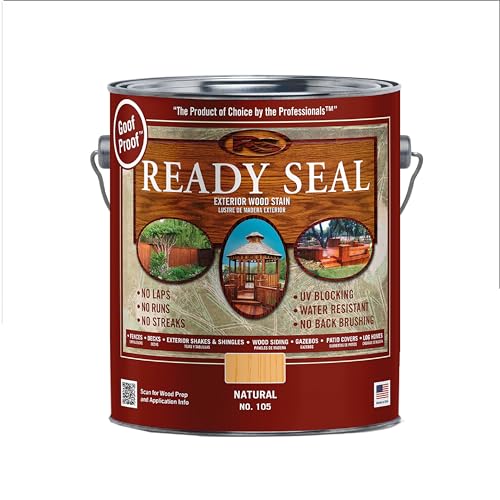
NO LAPS, RUNS OR STREAKS: Goof Proof formula with no back brushing required; ideal for exterior wood projects
Topical Sealers: Immediate Surface-Level Defense
While penetrating sealers work from within wood fibers, topical sealers function as an exterior shield by adhering directly to the deck’s surface. This surface film creates a protective barrier that stays on top without seeping into wood gaps, maintaining visibility of your deck’s natural grain.
The application process is straightforward, requiring less preparation than penetrating alternatives. You’ll achieve immediate moisture defense against rainwater, snow, and staining liquids while the topical layer dries. Before applying any topical sealer, ensure your deck has been properly cleaned with a wood brightener to restore the wood’s natural pH balance for better adhesion. For weathered decks, you may need to remove old peeling stain via sanding or power washing before sealer application.
You can customize aesthetics with glossy finishes, color pigmentation, and UV-blocking additives that prevent gray weathering. However, this protective layer deteriorates over time, eventually exposing interior wood to moisture and heat damage. You’ll need more frequent reapplication compared to penetrating sealers, making long-term maintenance a significant consideration.

NO LAPS, RUNS OR STREAKS: Goof Proof, oil-based formula now equipped with the powerful Turbo Spray System; ideal for exterior wood projects

Includes Only 1 Gallon

ONE‑COAT PROTECTION: Oil‑base formula seals and protects exterior wood surfaces in a single coat, delivering strong defense against water and UV exposure
Protecting Joists and Substructure With Tape
Because water infiltration at the joist-to-board interface causes accelerated rot and structural decay, you’ll want to install a protective membrane before laying your decking boards. Joist tape—a self-adhesive, waterproof membrane typically made from butyl rubber or rubberized asphalt—creates a moisture barrier that seals around fasteners and prevents water intrusion at critical structural points.
For installation tips, verify surfaces are clean and dry before application. Center the tape on each joist’s top, applying firm pressure to eliminate air bubbles and achieve full contact. Choose widths between 2–4 inches for joists; wider options work better for ledgers and beams. Overlap all changes and butt joints thoroughly. Install decking promptly after application to stay within the product’s UV exposure window. Maintaining consistent spacing between boards during installation allows for proper airflow, drainage, and expansion. This protective tape works best when used in conjunction with pressure-treated boards that have been chemically preserved to resist decay and moisture damage. This straightforward step greatly extends your deck’s substructure lifespan.
Water-Based vs. Oil-Based Stains: Which Works Best
Now that you’ve protected your deck’s structural foundation with joist tape, the next step is safeguarding the visible decking boards themselves through proper stain selection.
Oil-based benefits include superior penetration into wood fibers, creating lasting moisture resistance and preventing swelling and rot. They’re easier to apply with minimal lap marks and allow simpler recoating without extensive sanding. The richer finish enhances natural wood grain, making them ideal for showcasing wood character.
However, water-based drawbacks include slower penetration on dense wood and potential peeling if over-applied. They dry faster but require more prep work for reapplication. Yet water-based stains offer greater overall durability in high-traffic areas, resist chipping and cracking better, and emit fewer harmful VOCs, making them the environmentally responsible choice for most homeowners. To achieve the best results with either stain type, ensure your deck has completely dried after cleaning before application. Professional staining applications typically range from professional staining costs of $1.75 to $4.50 per square foot, with pricing varying based on stain type, deck condition, and additional features.

NO LAPS, RUNS OR STREAKS: Goof Proof formula with no back brushing required; ideal for exterior wood projects
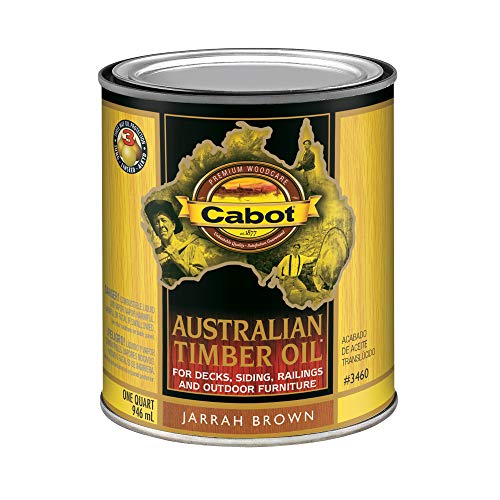
WOOD PROTECTOR – Cabot Australian Timber Oil Wood Stain provides 3-way oil protection for superior penetration. The unique blend of oils is an advanced-technology treatment designed to protect wood surfaces from extreme weather exposure like never before.
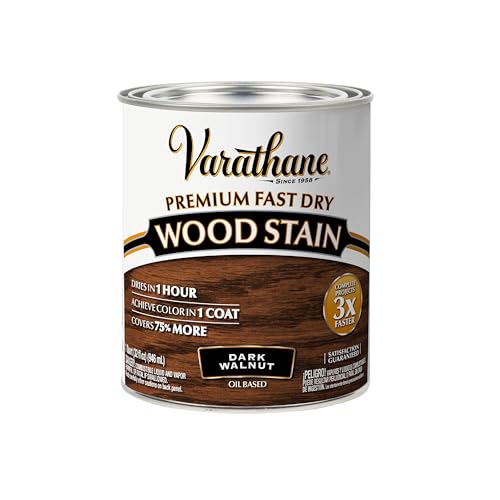
Ideal for use on all interior wood projects: furniture, cabinets, doors, trim and paneling
Painting Your Deck: Durability and Safety Considerations
Once you’ve decided that paint is the right choice for your deck, you’ll need to understand how it compares to stain regarding longevity and protective performance. Paint durability typically spans 5–10 years, providing a thicker, more opaque barrier that shields against moisture and UV damage better than stain.
For safety precautions, guarantee proper ventilation during application, especially with oil-based formulas, and wear protective clothing, gloves, and respiratory protection. Avoid painting in direct sunlight or high temperatures, which cause uneven drying. Incorporate slip-resistant additives to reduce hazards on walking surfaces.
Keep pets and children away from freshly painted areas until completely dry, as fumes pose health risks. To achieve the best results, apply paint during recommended temperatures and environmental conditions that support even drying and color consistency. Before painting, prepare your deck surface thoroughly by sanding to roughen the wood and improve paint adhesion. Regular maintenance—annual cleaning and touch-ups—extends your paint’s protective lifespan and maintains deck safety.

DURABLE STONE-LIKE TEXTURED FINISH: Create a long-lasting, protective finish that enhances your concrete with a stone-like, speckled texture. Adds depth, and visual appeal to patios, walkways, pool decks, and more

Safe-T-Deck is an acrylic granulated deck coating designed to preserve, protect & renew decks, patios, walkways, ramps & more. Suitable for use on properly prepared exterior wood, and concrete/masonry surfaces.

Safe-T-Deck is an acrylic granulated deck coating designed to preserve, protect & renew decks, patios, walkways, ramps & more. Suitable for use on properly prepared exterior wood, and concrete/masonry surfaces.
Alternative Protection Methods for Maximum Coverage
While paint and stain form the foundation of deck protection, you’ll find that supplementary products and materials can greatly enhance your deck’s durability and lifespan. Joist tape and butyl-based products seal vulnerable areas, preventing moisture intrusion that causes rot. Joist caps offer superior water runoff protection, though they require more labor and increase costs. For thorough deck maintenance, consider composite decking and underlayment solutions combining recycled materials with weatherproof materials that resist UV damage, warping, and rot. Deck resurfacers restore heavily weathered surfaces, creating thick protective layers ideal for splintered boards beyond standard sealing. Before applying any protective finish, ensure your pressure treated wood has adequately dried and been thoroughly cleaned to remove dirt, mildew, and debris for optimal product adhesion. These alternative approaches work synergistically with traditional finishes, providing maximum coverage and extending your deck’s serviceable life considerably, much like how selecting the right weather-resistant materials enhances the longevity of outdoor furniture such as Adirondack chairs.
Flashing, Membranes, and Specialized Waterproofing Solutions
When you’re ready to move beyond traditional stains and sealants, waterproof membranes and specialized flashing systems deliver substantially superior long-term protection for your deck’s structural integrity. You’ll find rolled or sheet membranes install faster than liquid options, creating uniform coverage across your substrate. Materials like PVC and rubberized coatings form excellent waterproof barriers against moisture and UV damage. Proper flashing techniques seal all seams and connections, preventing water infiltration at vulnerable points. For substructure protection, you can apply joist tape with rubberized-asphalt compounds or use above-the-joist systems that drape membranes over joists and into each bay. Drainage mats provide additional defense by managing water flow beneath concrete surfaces while supporting foot traffic loads. When restrapping patio furniture that will be exposed to deck environments, alternative fastening methods beyond traditional rivets can offer flexibility in material selection and installation approaches. These protective measures work seamlessly with pergola designs that incorporate overhead structures, as both deck waterproofing and pergola construction benefit from integrated drainage systems and complementary material choices.

Create a Dry Space Under Your Deck Turn wasted space into a clean, usable area. This under deck drainage system keeps rainwater away, prevents pooling, and keeps the space below your deck dry—even in heavy rain.

2-sided printing for easy reading

💧 UNDER DECK DRAINAGE MEMBRANE: Built from 0.5 mm HDPE, this flexible under deck drainage membrane fits between deck joists to form a continuous channel for collecting and directing rainwater.ystem: Designed to help collect and channel rainwater between deck joists, creating a cleaner and more usable space below your deck.
Annual Maintenance Practices for Extended Deck Life
Since waterproof membranes and specialized flashing systems form your deck’s foundational defense against moisture, you’ll need to establish a consistent maintenance schedule that preserves their effectiveness and catches deterioration early. Conduct annual deck inspections during spring and fall to identify compromised seals, separated flashing, or membrane damage before water infiltration occurs. Your maintenance schedule should include weekly debris removal to prevent organic matter from trapping moisture and accelerating degradation. Deep clean twice yearly with pH-neutral solutions, paying special attention to membrane seams and flashing joints. When performing these deep cleans, use soft bristles for composite decks or stiff bristles for wood to avoid surface damage while removing embedded dirt and mildew. Tighten fasteners each spring and fall, as loose hardware creates pathways for water penetration. This proactive approach to deck maintenance directly extends your waterproofing system’s lifespan and prevents expensive structural damage requiring complete deck replacement. Without consistent maintenance, even pressure-treated wood can fall short of its 15 to 20 year potential lifespan.