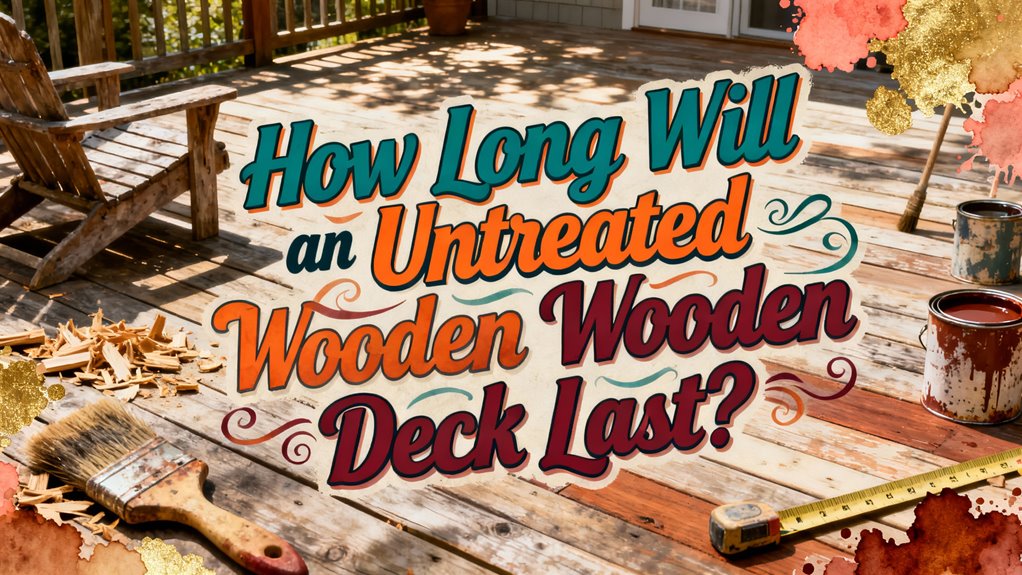
How Long Will an Untreated Wooden Deck Last?
Your untreated wooden deck will likely last between 5 to 30 years, though this timeframe depends heavily on climate, wood species, and maintenance. Without protective sealant, moisture absorption accelerates deterioration, causing cracks and splinters within a decade in humid environments. Tropical hardwoods like Ipe offer extended durability compared to softwoods such as Cedar. Regular cleaning, proper drainage, and reapplying sealant every 1–3 years greatly extend lifespan. The specifics of your situation reveal critical factors affecting longevity.
Typical Lifespan Range for Untreated Wood Decks
Without protective stain or sealant, untreated wood decks typically last 10 to 30 years—though this range varies greatly based on your climate, maintenance habits, and local weather patterns. The Forest Products Laboratory found that untreated wood exposed to elements can start decaying in as little as 5 years, making early intervention critical. Deck aging accelerates when wood absorbs moisture, loses its natural luster, and develops cracks and splinters. Your lifespan predictions should account for environmental factors like UV exposure, rain, and humidity levels in your region. Without protective coatings, wood deteriorates markedly faster than sealed alternatives, while metal furniture options can provide superior durability and weather resistance as a comparison point. In comparison, pressure-treated wood can last 15-30 years or even up to 40 years with proper maintenance, significantly outlasting untreated options. Consistent maintenance efforts can potentially extend your deck’s functional life beyond these typical ranges, but protective treatments remain the most reliable method for maximizing longevity.
How Wood Species Affects Durability
The wood species you choose for your deck fundamentally determines how long it’ll last without protective treatment. Tropical hardwoods like Ipe deliver exceptional durability, lasting decades without intervention thanks to their extreme density and natural oils. Conversely, softwood weaknesses become apparent quickly—Cedar and Redwood deteriorate within a decade when left untreated, suffering rot and insect damage despite moderate natural resistance.
Hardwood benefits extend beyond longevity. These woods resist warping, splintering, and moisture absorption far better than domestic softwoods. Exotic species like Ipe prove eight times harder than California Redwood, maintaining structural integrity through years of weather exposure. Red oak, while durable when properly sealed, has an open pore structure that makes it more prone to moisture absorption and requires more maintenance than white oak for outdoor applications. With proper care, Ipe wood can last up to 75 years thanks to its natural water resistance and ability to withstand extreme temperatures year-round.
If budget permits, investing in hardwoods minimizes ongoing maintenance demands. However, untreated softwoods require regular sealing and staining to approach comparable lifespans, making long-term costs potentially higher despite initial savings.

【Explore all colors with ease】Find the decking color that perfectly matches your space through color sample boards. The 3 sample plates include 6 colors.

Authentic Wood Aesthetic - Expertly crafted texture that flawlessly mimics the richness and elegance of real wood, offering a breathtakingly natural and timeless look that transforms your outdoor space into a luxurious retreat.

Includes (350) screws, (375) plugs, and (1) Pro Plug PVC Tool
Climate and Environmental Factors That Impact Longevity
While wood species selection lays the foundation for deck longevity, your climate and local environment ultimately determine how quickly untreated wood deteriorates. Environmental exposure to UV radiation, moisture, and temperature fluctuations accelerates wood degradation regardless of species choice. In coastal regions, salt-laden air corrodes fasteners and damages wood fibers simultaneously, requiring corrosion-resistant hardware. Freeze-thaw cycles in cold climates strain wood through repeated expansion and contraction, causing cracks and splits. High humidity environments promote mold and fungal growth, compromising structural integrity. Climate impact intensifies during hot, humid summers when moisture penetration accelerates rot development. Poor drainage and inadequate ventilation trap moisture beneath your deck, expediting decay. Applying a waterproof sealant creates a protective barrier that significantly slows moisture infiltration and wood degradation in challenging climates. Just as structural requirements are essential for outdoor structures like pergolas to withstand weather conditions, proper deck construction and maintenance strategies are critical for longevity. Understanding your region’s specific weather patterns enables you to implement targeted maintenance strategies and material choices that substantially extend your untreated deck’s lifespan.
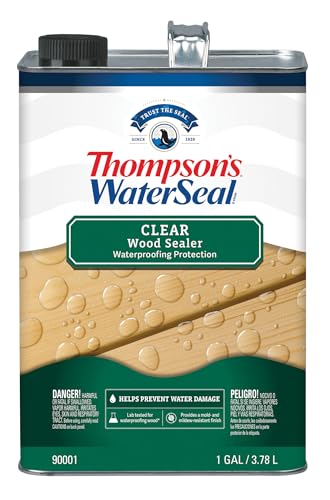
Helps Prevent Water Damage

CLEAR WATERPROOFING WOOD SEALER: Olympic WaterGuard clear sealer waterproofs and protects exterior wood and masonry without changing the surface's natural look.

WATERPROOFING STAIN – Bring out the beauty of your outdoors with Thompson’s WaterSeal Clear Multi-Purpose Waterproof Stain. Proven to waterproof concrete, brick, exterior wood and other exterior surfaces.
Deterioration Without Staining or Sealing
Once you’ve chosen your wood species and assessed your local climate, the protection method you select—or don’t select—becomes the decisive factor in your deck’s longevity. Without stain or sealant, your deck deteriorates rapidly through multiple mechanisms. Water penetration accelerates rot development within five years, while UV exposure causes fiber degradation and graying. Weathering effects intensify splinter formation and structural compromise. Moisture retention promotes microbial infestation, including mold and mildew colonization that further weakens wood integrity. Applying thin, even coats of sealant with proper technique prevents these deterioration pathways from beginning. Before applying stain, you must allow pressure treated wood to dry completely, as wet wood cannot properly accept protective coatings. Untreated decks require complete replacement within 10-20 years, whereas properly sealed alternatives last 30+ years. The cost difference is considerable: unprotected decks necessitate early replacement despite lower initial expenses, resulting in markedly higher lifetime ownership costs than properly maintained alternatives.
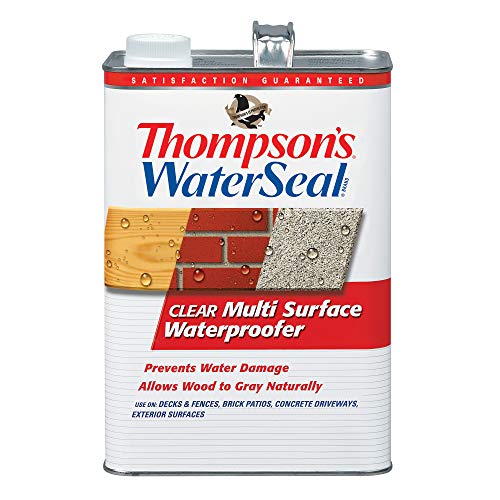
WATERPROOFING STAIN – Bring out the beauty of your outdoors with Thompson’s WaterSeal Clear Multi-Purpose Waterproof Stain. Proven to waterproof concrete, brick, exterior wood and other exterior surfaces.

CLEAR SEALANT: Our water-based sealer provides top-notch protection against wear and tear in high traffic areas. It’s odorless and ideal for use on wood siding, log homes, swing sets, outdoor furniture, wooden decks and fences, and more.

WATER-BASED WOOD FINISH: Our sealant provides top-notch protection against wear and tear in high traffic areas. It's odorless and suitable for use on wood siding, log homes, swing sets, outdoor furniture, wooden deck and fence, and more
Essential Maintenance Requirements for Extended Life
Understanding how to prevent premature deterioration requires implementing a structured maintenance plan that directly counters the damage mechanisms outlined above. You’ll need to prioritize deck cleaning through regular sweeping and annual washing with mild cleaners to eliminate organic debris that harbors mold and accelerates rot. Equally critical is moisture control—maintain proper drainage beneath and between boards, trim surrounding vegetation for improved airflow, and inspect flashing to prevent water infiltration. You should apply quality sealants every 1–3 years, sanding surfaces beforehand to enhance penetration. Proper preparation like power washing removes contaminants that interfere with sealant adhesion and longevity. When scrubbing your deck surface, use a stiff-bristled brush and work with the grain to effectively remove embedded dirt and organic matter. Conduct annual inspections to catch rot, insect damage, and loose fasteners early. By addressing minor issues immediately and adjusting maintenance frequency based on your local climate, you’ll considerably extend your deck’s lifespan and avoid costly structural failures.

EPA-registered, fungicidal exterior wood preservative and water repellent

READY-TO-USE DECK STAIN & SEALER: Olympic WaterGuard acorn brown semi-transparent wood stain and sealant combines color and waterproofing in one water-based, ready-mix coat.

Waterproofing deck stain & sealer with all-in-one protection
Comparison With Treated and Composite Alternatives
Though untreated wood offers an economical entry point for deck construction, its 10–30 year lifespan falls markedly short when compared to treated wood, composite, and PVC alternatives. Your cost comparison reveals that while untreated wood requires minimal upfront investment, long-term expenses mount quickly. Treated wood extends durability to 15–20 years with regular maintenance. Composite decking delivers 25–30+ years of performance with negligible upkeep. PVC surpasses all options, lasting 50+ years while demanding only periodic cleaning. Over 25 years, wood maintenance costs exceed $15,000, whereas composite and PVC systems cost $5,000 or less. Just as protective covers shield outdoor furniture during transport and storage, modern treated wood typically uses water-based preservatives like ACQ or Copper Azole rather than older arsenic-containing formulations, making them a safer and more environmentally responsible choice than untreated alternatives. The material benefits of treated, composite, and PVC options justify their higher initial prices through dramatically reduced lifetime expenses and superior structural integrity.

SECURE & DURABLE: NewTechWood interlocking composite deck tiles are built for long-lasting performance. We make them with high-density polyethylene plastic and wood fibers with a polymer coating, they are resistant to wear and damage.
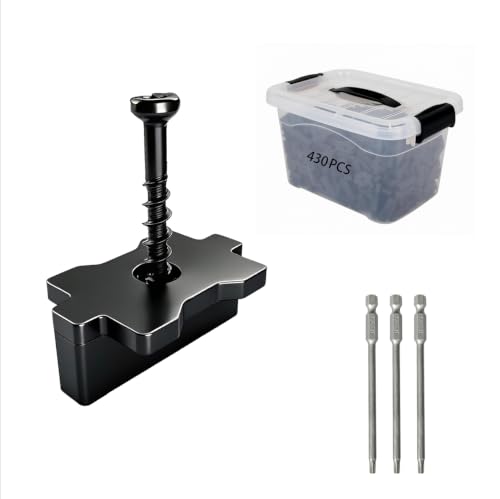
【Anti rust coating】: Our star hole screws are coated with three layers of anti rust coating, which has high corrosion resistance and is suitable for external and internal projects. It provides reliable anti rust and anti-corrosion protection while reducing friction during use, ensuring smooth installation and long-lasting performance.

Sturdy Thick Carbon Steel Build: Durable high-density carbon steel body resists deformation under force, ideal for straightening misaligned and warped deck panels.
Maximizing Your Untreated Deck’s Lifespan
While untreated wood decks won’t match the longevity of composite or PVC alternatives, you can greatly extend their lifespan by implementing strategic choices in wood selection, installation, maintenance, and environmental protection. Select naturally decay-resistant species like cedar, redwood, or exotic hardwoods such as ipe, which can last considerably longer than softwoods. Douglas Fir is another option that, while less durable than cedar or ipe, can last approximately 15 years untreated and over 30 years with proper sealing and staining. During deck design and construction, elevate your structure above ground, use stainless steel fasteners, and maintain proper board spacing for drainage. Implement weather protection through strategic positioning, shade structures, and gravel perimeters to minimize UV exposure and water accumulation. Cedar decks require regular maintenance including sealing every 1-2 years to prevent color fading and protect against moisture sensitivity that can lead to warping. Perform seasonal inspections for rot, cracks, and insect damage. Weekly debris removal and routine cleaning prevent moisture buildup and mold growth. Address repairs immediately to prevent structural deterioration.