Is Fir Wood Durable Enough for Outdoor Furniture?
You can rely on Douglas Fir for outdoor furniture because its 620 lbf Janka hardness rating and 6,950 lbf/in² crushing strength deliver durability comparable to premium hardwoods. However, you’ll need strategic maintenance to counteract moisture and UV exposure effectively. Untreated fir lasts approximately 20 years in elevated settings, though pressure treatment extends this to 15–40 years. Regular sealing every 1–3 years and proper drainage systems prove essential. Understanding the specific conditions affecting your furniture’s longevity reveals how you can optimize its performance considerably.
Understanding Douglas Fir as a Softwood
Although Douglas Fir (Pseudotsuga menziesii) carries the softwood classification, it’s particularly among the strongest and most durable softwoods available for outdoor furniture. You’ll find that this species demonstrates exceptional performance metrics that challenge typical softwood expectations. Its average dry density of 540 kg/m³ considerably exceeds standard softwood benchmarks, while its Janka hardness rating of 620 lbf indicates substantial wear resistance. The species characteristics you’re evaluating reveal a crushing strength of 6,950 lbf/in² and an elastic modulus of 1,765,000 lbf/in², reflecting superior load-bearing capacity. Native to western North America, Douglas Fir isn’t technically a true fir but shares comparable structural properties with genuine firs. This unique softwood classification positions it as an exceptionally viable choice for outdoor furniture applications.
Natural Rot and Decay Resistance
While Douglas Fir’s structural strength makes it a compelling choice for outdoor furniture, its durability ultimately hinges on how well it resists the biological and environmental forces that cause wood deterioration. You’ll find that fir’s tight grain structure and fiber composition limit moisture penetration, providing moderate rot resistance. However, fir doesn’t contain the natural oils or fungicidal compounds that cedar possesses. Instead, you’re relying on resin acids within the wood for protection against fungal growth. This Class 3 durability rating means fir performs adequately in covered outdoor settings but requires regular sealing and maintenance to enhance moisture resistance. Unlike synthetic materials engineered for high performance, fir wood needs consistent upkeep to maintain its protective qualities in outdoor environments. Like other woods used for outdoor furniture, applying protective coatings such as marine spar varnish can significantly extend fir’s lifespan and weather resistance. Without proper treatment, you can expect approximately 15 years of untreated outdoor performance before significant decay occurs.
How Long Does Untreated Fir Last Outdoors?
Several environmental and structural factors determine whether your untreated fir furniture will remain serviceable for 5 years or closer to 15 years in outdoor conditions. Ground contact greatly impacts your untreated lifespan—Douglas fir touching soil deteriorates in roughly 10 years, while elevated furniture doubles that duration to 20 years. Climate conditions heavily influence durability factors; humid regions accelerate deterioration compared to dry climates. Your exposure variables matter considerably: frequent rain, high humidity, and direct sunlight all compromise structural integrity through moisture absorption and UV degradation. Without treatment, untreated fir lacks rot resistance, making moisture protection essential. Unlike woods with natural oils and resins, fir does not inherently resist decay and insect damage. For outdoor applications where durability is critical, pressure-treated wood can extend the lifespan to 15-40 years depending on maintenance and conditions. Elevation barriers like gravel reduce soil contact and moisture problems. Understanding these durability factors helps you assess whether untreated fir suits your specific outdoor furniture application.
Weather Resistance and Environmental Exposure
When you expose fir wood furniture to outdoor conditions, its moderate natural weather resistance becomes your first line of defense against deterioration. The wood’s natural oils provide baseline water resistance, but moisture exposure remains a significant concern without proper sealing. UV radiation breaks down lignin, causing the silvery-grey patina development you’ll notice over time. Temperature fluctuations stress joints through expansion and contraction cycles, while rain and snow promote surface swelling and potential fungal growth. Coastal environments pose particular challenges—salt accelerates decay dramatically. The weather impact intensifies in humid or wet climates where fir’s moderate durability proves insufficient. Your maintenance strategy directly determines longevity; regular protective coating reapplication and cleaning prevent environmental debris accumulation that degrades finish quality and underlying wood integrity.

CLEAR WATERPROOFING WOOD SEALER: Olympic WaterGuard clear sealer waterproofs and protects exterior wood and masonry without changing the surface's natural look.

MARINE SEALANT: Our liquid formula creates a UV-stable coating for protection against the elements, saltwater spray, and water damage. Marine is a protector for outdoor furniture, thermally modified wood, and boat docks. Marine is safe for use over open water and is non-hazardous to aquatic life. ** This product is NOT intended for hardwoods such as ipe, mahogany and teak. NOT intended for wood submerged under water or on wooden boats **

EPA-registered, fungicidal exterior wood preservative and water repellent
The Silvery-Grey Patina: What to Expect
As fir wood furniture weathers outdoors without protective coatings, you’ll observe a distinctive transformation: the wood’s warm, rosy tones gradually fade to a silvery-grey patina within 6 to 12 months. This patina formation results from UV radiation, moisture exposure, and temperature fluctuations that oxidize surface fibers and cause microscopic roughening. Fir’s low tannin content produces an evenly distributed, subtle silver-grey finish rather than darker streaking.
The patina’s visual appeal lies in its natural, weathered aesthetic that enhances grain texture with a soft sheen. You’ll notice color variations ranging from light silvery-grey to soft silvery-brown depending on climate conditions. This superficial change doesn’t compromise structural integrity—the patina actually provides minor UV reflection and moisture protection, allowing your furniture to age gracefully with minimal maintenance.
Comparing Douglas Fir to Cedar and Teak
While Douglas fir offers impressive structural strength and affordability, it doesn’t match cedar or teak in inherent weather resistance—a critical distinction for outdoor furniture longevity. Douglas fir scores around 620–660 on the Janka hardness scale, making it ideal for load-bearing wood applications like pergolas. However, untreated Douglas fir deteriorates within 1–15 years outdoors. For extended protection, Douglas fir can be treated with preservatives like ACQ or Copper Azole to enhance its resistance to rot and moisture damage.
Cedar and teak outperform Douglas fir considerably. Cedar’s natural oils provide superior rot and moisture resistance, requiring minimal maintenance. Teak delivers exceptional durability, lasting decades with negligible upkeep. Your durability comparison reveals that Douglas fir demands regular sealing every 1–5 years, whereas cedar needs occasional treatment and teak requires virtually none.
When planning outdoor structures, it’s essential to measure your available floor area to ensure proper sizing before selecting materials. For furniture specifically, cedar’s lower structural demands and minimal maintenance make it more practical than Douglas fir.

Repels moisture as it enhances wood's natural beauty. Protect your outdoor furniture from mother nature and protect your investment.

Elegant Slatted Design: This patio bar set sideboard features slatted paneling for a classic, sophisticated look, adding style to any patio, deck, or backyard.

Amish-Built Quality-Crafted by skilled Amish artisans, this piece reflects generations of woodworking expertise. Every joint, curve, and cut is carefully made to ensure lasting strength and timeless beauty. Rather than relying on mass-produced shortcuts, Amish craftsmanship emphasizes durability, authenticity, and attention to detail, resulting in furniture that stands apart in both character and reliability.
Essential Maintenance and Treatment Guidelines
Since Douglas fir lacks the natural rot resistance of cedar or teak, you’ll need to implement a structured maintenance regimen to extend your outdoor furniture’s lifespan. Your maintenance schedule should include monthly cleaning with mild soap and soft brushes, avoiding harsh chemicals that strip natural oils. Establish a treatment frequency based on your climate—reapply sealers every 1–3 years, or annually in high-humidity regions. Before applying any finish, thoroughly clean and dry the wood, then use quality soft-bristle brushes for even coverage. Inspect your furniture every six months for cracking, splitting, or rot. Allow topcoats 3–4 hours curing time per manufacturer instructions. For furniture in apartment or condo settings without hose access, consider using a bucket with mild soap and soft cloth to maintain your Douglas fir pieces effectively. When removing old finishes before refinishing, work in well-ventilated areas and wear protective gear to safely strip paint or damaged coatings. By adapting your maintenance approach to local weather exposure, you’ll greatly enhance Douglas fir’s outdoor durability.
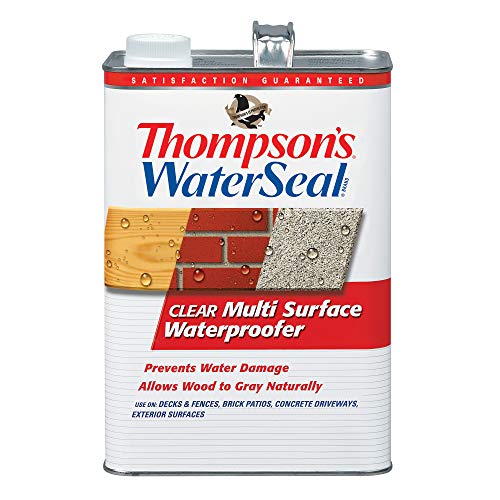
WATERPROOFING STAIN – Bring out the beauty of your outdoors with Thompson’s WaterSeal Clear Multi-Purpose Waterproof Stain. Proven to waterproof concrete, brick, exterior wood and other exterior surfaces.

GARDEN BED WOOD SEALER - For Use On Cedar And All Wood Types Used In Raised Bed Gardens. Deep Penetrating, Natural Oils, Bond With Wood Fibers To Protect Wood For A Decade Or More.
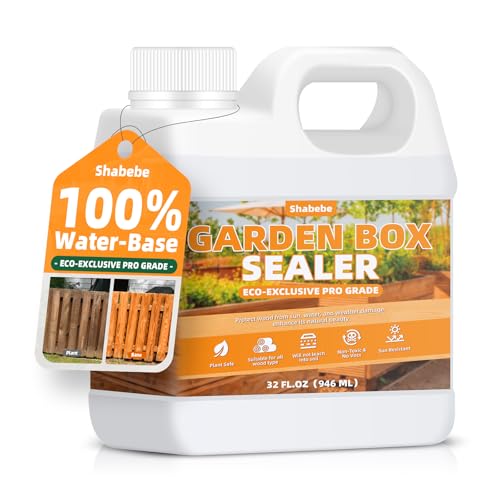
PROFESSIONAL-GRADE PROTECTION FOR ALL WOOD TYPES: Our premium wood sealer penetrates deep into wood surfaces to help protect against the effects of moisture, sun exposure, and outdoor wear. Suitable for cedar, pine, hardwood, bamboo, and pressure-treated wood. A great choice for garden beds, planter boxes, fences, and other outdoor wood structures. Note: Not recommended for laminated or coated wood.
Popular Outdoor Applications for Fir Wood
Once you’ve established a robust maintenance routine, you’ll find that Douglas fir proves itself across numerous outdoor applications where its structural capabilities and aesthetic qualities shine. You can confidently construct decking, fencing, and garden furniture that withstand harsh weather conditions. The wood’s dense grain composition and natural rot resistance make it ideal for high-traffic surfaces exposed to moisture and UV radiation. You’ll appreciate its reddish-brown hue, which enhances outdoor aesthetics while requiring minimal finishing intervention. Its strength-to-weight ratio supports both functional structures like pergolas and decorative pieces such as Adirondack chairs and benches. When attaching pergolas to your home, ensure the wall is load-bearing or reinforced and follow local building codes for secure installation. The wood’s flexibility prevents cracking under temperature fluctuations, while its natural oils provide inherent water resistance. For those seeking pre-made options, brands like Ovios offer quality patio furniture with handwoven PE wicker and UV-resistant cushions that combine durability with comfort. Whether you’re pursuing modern or rustic furniture styles, Douglas fir delivers reliable performance and visual appeal.

By Crafters, For Crafters: Crafting and building with wood is our number one priority. Bringing you more of the wood craft supplies you love is our job

By Crafters, For Crafters: Crafting and building with wood is our number one priority. Bringing you more of the wood craft supplies you love is our job

By Crafters, For Crafters: Crafting and building with wood is our number one priority. Bringing you more of the wood craft supplies you love is our job
Maximizing Lifespan Through Proper Care
To substantially extend your Douglas fir furniture‘s outdoor lifespan, you’ll need to implement a strategic maintenance program that addresses moisture infiltration, UV degradation, and biological deterioration. Apply water-repellent sealants and UV-protective finishes every 1–2 years to establish robust moisture barriers against environmental stressors. For outdoor wooden furniture like fir, spar varnish is particularly recommended because it offers a flexible, protective coating that accommodates wood movement while resisting weather damage. Inspect annually for cracks, warping, and insect damage—early detection prevents accelerated decay. Clean surfaces every 6–12 months using non-harsh cleaners that preserve wood fiber integrity. Deploy furniture covers during severe weather and extended non-use periods to minimize exposure. Elevate pieces off ground-level contact to prevent soil-sourced moisture absorption. Confirm adequate airflow circulation to discourage mold proliferation. Consider installing under-deck drainage systems or using furniture stands designed to divert water away from wooden structures and prevent pooling underneath outdoor pieces. These evidence-based interventions can double your furniture’s lifespan, transforming untreated fir’s typical 5–15 year durability into 20–30 years of reliable outdoor performance.