How to Clean Patio Furniture Without a Hose: 5 Easy Methods
You can clean your patio furniture without a hose using five effective methods. Mix white vinegar with water to tackle mold and mildew naturally. Combine mild dish soap with warm water, then scrub with soft-bristled brushes for delicate surfaces or stiff brushes for durable ones. For disinfecting, use a bleach solution at 1:3 cup bleach per gallon of water, allowing 10-15 minutes contact time. Dry brushing and microfiber cloths remove dust and dirt efficiently. Water-free techniques like concentrated vinegar or borax mixtures work well for stubborn stains, and each method offers distinct advantages for your specific furniture type.
Vinegar-Based Cleaning Solutions
Since white vinegar’s natural acidity effectively breaks down mold, mildew, and grime without harsh chemicals, it’s an ideal base for DIY patio furniture cleaners. You’ll experience superior cleaning efficacy by selecting white distilled vinegar exclusively—colored varieties like apple cider or red wine vinegar risk staining your furniture.
For basic cleaning, you can mix one part white vinegar with three parts water as an all-purpose solution. If you’re protecting delicate materials, combine one part vinegar with four parts warm water to reduce acidity. For mold and mildew removal, blend one cup vinegar with one quart warm water.
You’ll maximize vinegar benefits by understanding that concentrated 30% vinegar delivers exceptional results for severe infestations. Regular kitchen distilled white vinegar handles routine maintenance effectively, though the concentrated formula eliminates stubborn mildew instantly when applied undiluted. After cleaning your furniture with vinegar solutions, consider applying an exterior-grade wood stain to restore and protect the wood surface. To ensure your furniture’s finish remains protected, test any cleaning solution on a hidden area before full application.

One 16-fluid-ounce bottle of Distilled White Vinegar

VERSATILE PANTRY STAPLE: Perfect for cooking, pickling, marinating, and enhancing your favorite recipes with a crisp, tangy flavor.

Soap and Brush Scrubbing Techniques
While vinegar solutions excel at breaking down mold and mildew, you’ll find that soap and brush scrubbing offers superior results for heavy soil buildup and stubborn stains that require mechanical agitation. Start with proper soap solution preparation by mixing 1/4 cup mild dish soap per gallon of warm water. For brush selection tips, opt for soft-bristled brushes on delicate surfaces like metal and painted finishes, reserving stiff brushes for durable concrete or textured wood. Use small toothbrushes to access tight crevices. Apply moderate pressure while scrubbing in the wood grain direction, using circular motions on heavily soiled areas. Allow the solution to soak briefly before scrubbing. This mechanical approach effectively dislodges embedded dirt without damaging your furniture’s finish.

MULTIFUNCTIONAL CLEANING BRUSH: High-quality soft household cleaning brush bristles can easily clean dirty parts of clothes, such as collars and cuffs without damaging the fabrics, and can also be used to clean stains on tiles and countertops, making home cleaning easy.
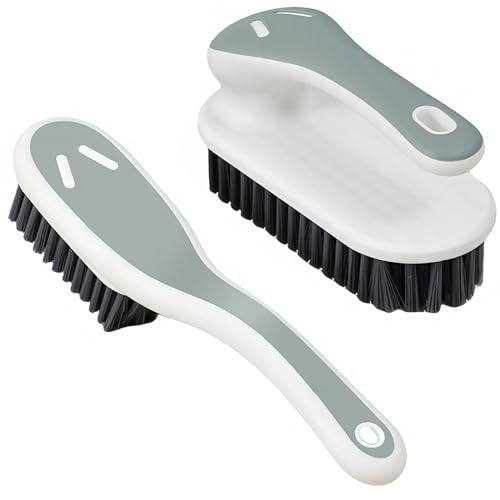
MULTIFUNCTIONAL CLEANING BRUSH: High-quality soft household cleaning brush bristles can easily clean dirty parts of clothes, such as collars and cuffs without damaging the fabrics, and can also be used to clean stains on tiles and countertops, making home cleaning easy.

The hand broom cleaning brush is made of dense and thick soft bristles. The bristles are not easy to fall off, not easy to deform, durable and soft in texture.
Disinfecting With Bleach Solutions
Bleach solutions provide powerful disinfection for outdoor furniture, but you’ll need to prepare and apply them carefully to avoid damaging fabrics and finishes. Start with effective ratios: mix 1/3 cup bleach per gallon of water for disinfecting, or 1:10 bleach-to-water for mold removal on Sunbrella fabrics. Always prioritize bleach safety by wearing protective gloves, working in well-ventilated areas, and never mixing bleach with ammonia or other cleaners. Apply your solution using spray bottles for even coverage, allowing 10-15 minutes contact time for proper disinfection. After treatment, thoroughly rinse with clean water and cloth, then pat dry completely. Test colorfastness on inconspicuous areas first to prevent fading and fabric damage.
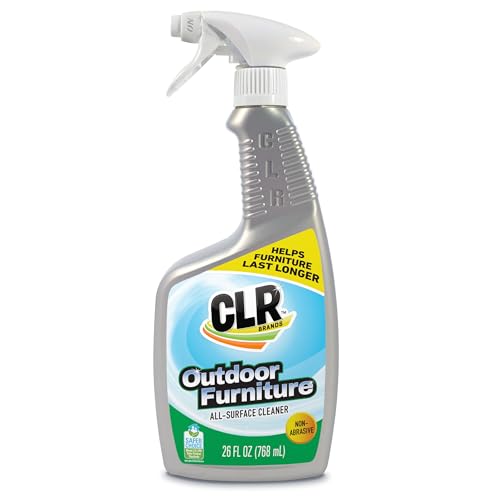
HUNDREDS OF USES: Tackle the whole yard with this powerful outdoor furniture cleaner. Formulated for use on patio, lawn and deck furniture, it is an effective and versatile product for outdoor furniture - from upholstery to plastic play sets.

Chemical Resistant Heavy Duty Bottle & Sprayer - Our sprayers are made from durable, all-plastic materials with no metal parts, making them more corrosion-resistant. They are BPA-free and eco-friendly, safe for use with bleach, vinegar, rubbing alcohol, and more, and have been validated by countless consumers. They are perfect for both home use and commercial or industrial applications.

Premium components resist bleach for up to 1 year
Dry Cleaning and Dusting Methods
After you’ve treated stubborn stains and disinfected your furniture with bleach solutions, you’ll want to establish a regular dry cleaning and dusting routine that prevents dirt accumulation and maintains your outdoor pieces’ appearance.
Start by using soft bristle brushes to gently loosen dust and dirt particles without scratching delicate materials like wicker or teak. Wipe flat surfaces with microfiber cloths, which trap dust effectively without dispersing it into the air. For crevices, vacuum with a brush attachment to remove embedded dirt.
For stubborn particles, employ compressed air or gently tap removable cushions outdoors to dislodge debris. Apply baking soda or cornstarch to greasy spots, letting it sit 15–30 minutes before brushing off. Finish by dry wiping frames with lint-free cloths to remove fine particles and maintain your furniture’s finish. To prevent mildew on cushions, ensure you separate and dry cushion covers thoroughly after any cleaning. For extra protection against moisture damage, consider applying fabric sealants to your cushions to provide long-term water resistance.

10x GRIP-ROOT WEAVE - TRAP MORE, WORK LESS: Ultra-absorbent microfiber towels for car Grip Root weave works like PLANT ROOT FOLLICLES, sucking up & LOCKING AWAY 8x to 10x its weight in liquid, particulates, moisture, grime and dirt in far LESS TIME than traditional ‘Heavy Duty’ Cleaning Rags. Each towel features a 2.5mm thick design, providing enhanced durability and better grip during use.

ULTRA SOFT MATERIAL & SCRATCH FREE - Ultra soft and highly absorbent microfiber cleaning cloths, great for cleaning windows, kitchenware, car or other delicate surfaces.

10x GRIP-ROOT WEAVE - TRAP MORE, WORK LESS: Ultra-absorbent microfiber towels for car Grip Root weave works like PLANT ROOT FOLLICLES, sucking up & LOCKING AWAY 8x to 10x its weight in liquid, particulates, moisture, grime and dirt in far LESS TIME than traditional ‘Heavy Duty’ Cleaning Rags. Each towel features a 2.5mm thick design, providing enhanced durability and better grip during use.
Alternative Water-Free Cleaning Techniques
When you’re ready to tackle mildew, mold, and stubborn stains without relying on water-based solutions, alternative cleaning techniques offer effective options that work with your furniture’s material composition. Concentrated white vinegar at 30% strength serves as an eco-friendly option that kills mildew instantly upon contact. You’ll spray undiluted vinegar directly onto affected surfaces, allowing 15 minutes for penetration before rinsing.
For product comparisons, consider Wet & Forget Outdoor, which maintains a neutral pH of 8 versus bleach’s harsh pH of 13. This gentler formula works across fabric, metal, plastic, vinyl, and wood surfaces, requiring only a four-hour drying period. A single application can maintain cleanliness for up to one year depending on humidity and weather conditions, making it cost-effective long-term. For deeper cleaning power, you can combine borax with vinegar or detergent to enhance the effectiveness of your cleaning solution on particularly stubborn stains. To further extend the life of your wood furniture, consider applying protective coatings annually to prevent damage from sunlight and moisture.

Quickly removes stains caused by mold and mildew on contact without heavy scrubbing; EASY TO USE - spray, wait until the stain disappears, then rinse

Wet & Forget Ready To Use Outdoor Cleaner comes with a high-capacity trigger sprayer for quick application to smaller surfaces; removes green and black stains caused by moss, mold, mildew, and algae, no scrubbing, no rinsing, no pressure washing, just wet it and forget it on multiple surfaces including, porch steps, headstones, fountains, planters, concrete, canvas, and upholstery
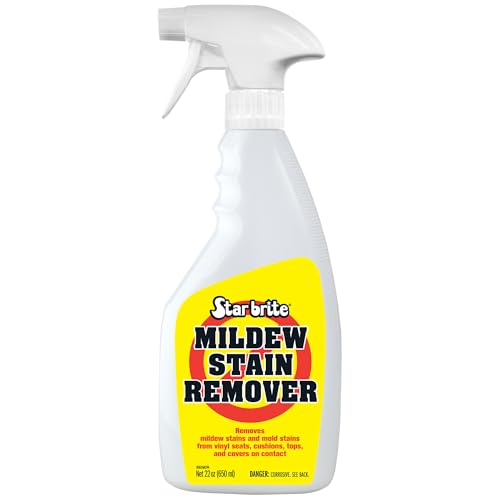
INSTANT STAIN REMOVAL - Removes mold stains and mildew stains on contact without heavy scrubbing