How to Clean Outdoor Furniture With a Pressure Washer
You’ll restore your outdoor furniture by matching pressure settings to material type—500-1500 PSI for soft materials, up to 3000 PSI for hardwoods and metal. Select your nozzle carefully: 40-degree white for painted wood, 25-degree green for general cleaning, 15-degree yellow for stubborn grime. Maintain an 8-12 inch distance, keep steady back-and-forth motions, and test inconspicuous areas first. Allow 24-48 hours drying time before use. For thorough guidance on handling specific furniture materials and post-cleaning care, the details ahead’ll equip you completely.
Preparation Before Pressure Washing Outdoor Furniture
Before you start the pressure washer, you’ll need to prepare your furniture’s surface properly. Remove all cushions and soft furnishings, then clear loose dirt, debris, and dust from the surfaces. Place your furniture on a flat, stable surface like a driveway to prevent tipping during washing.
Identify your furniture types—wood, metal, plastic, wicker, or rattan—since each requires specific pressure settings and handling. For metal frames, manually remove rust beforehand. For delicate woven materials, avoid high-pressure washing entirely. Rattan furniture in particular should be protected with UV protection and covers when not in use to maintain its longevity. For wicker pieces, consider using gentler cleaning methods like mild soap and water to preserve the material’s integrity.
Plan your washing sequence from top to bottom to prevent dirty water from dripping onto cleaned sections. Select a paved, non-grassy area to minimize mud staining. Confirm the workspace is well-ventilated and free from nearby plants or electrical equipment. Arrange your cleaning supplies within reach but outside the water spray path.

Universal Compatibility: Formulated to work in tandem with your pressure washer, and compatible with most consumer gas & electric power pressure washers

Achieve Professional-Level Cleaning Results with This 16.5” Surface Cleaner, with Up To 4400 PSI of Pressure for Easy Cleaning of Flat Surfaces Like Decks, Patios, Driveways, Walls and More
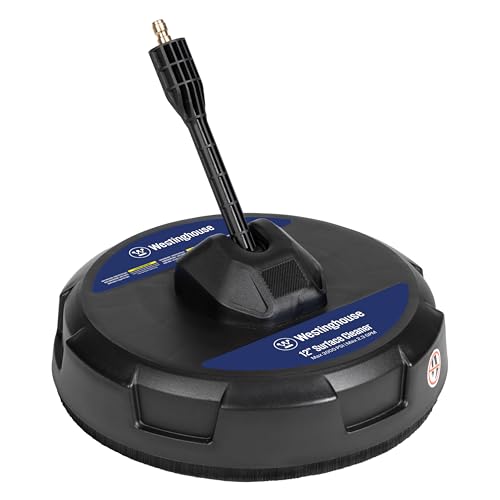
STREAK FREE CLEANING: Max 3000 PSI and max 2.3 GPM; This 12 inch surface cleaner delivers powerful, professional results on flat surfaces like decks, patios, driveways, sidewalks, walls and garage floors. Dual rotating jets spray evenly for a uniform blast in every pass of the wide cleaning deck
Pressure Washer Settings and Techniques
Proper pressure washer settings and technique are essential for effectively cleaning your outdoor furniture without causing damage. Start by selecting appropriate pressure settings based on material type—use 500-1500 PSI for delicate softwood and cushions, while hardwoods and metal frames tolerate up to 3000 PSI. For nozzle selection, choose a 40-degree white nozzle for painted wood, a 25-degree green nozzle for general cleaning, or a 15-degree yellow nozzle for stubborn grime on hard surfaces. Maintain an 8-12 inch distance from surfaces and keep the nozzle moving continuously in steady back-and-forth motions. Work from top to bottom using overlapping passes for complete coverage. Always test your chosen settings on inconspicuous areas first. Similar to deck maintenance, low pressure settings help protect delicate surfaces while still achieving effective cleaning results.
Cleaning Process for Different Outdoor Furniture Types
Since different outdoor furniture materials respond uniquely to cleaning methods, you’ll need to adjust your approach based on what you’re working with.
For wood furniture, use soft-bristled brushes and low-pressure settings, directing jets away from joints. Metal furniture tolerates high-pressure washing effectively, though powder-coated pieces require careful handling. Plastic furniture demands maximum 1500 PSI settings with nozzles positioned 8-12 inches away; thin plastic shouldn’t be pressure washed at all.
Rattan furniture requires hand cleaning only—pressure jets damage its delicate weaving. Stone furniture similarly shouldn’t be pressure washed due to cracking and pitting risks; hand cleaning protects its integrity. When determining appropriate pressure settings for your furniture, consult local building codes to ensure compliance with safety standards in your area.
Match your technique to each material’s durability. This methodical approach prevents damage while achieving peak cleanliness across your outdoor furniture collection. After cleaning, applying weatherproof sealants appropriate to your furniture material will help protect against moisture damage and extend its lifespan throughout the seasons.

The hand broom cleaning brush is made of dense and thick soft bristles. The bristles are not easy to fall off, not easy to deform, durable and soft in texture.

Gentle on Clothes & Stain Removal – The soft laundry stain brush bristles effectively lift dirt and stains from fabrics without scratching or snagging, making it safe for cotton, polyester, and delicate fabrics while protecting garment integrity.
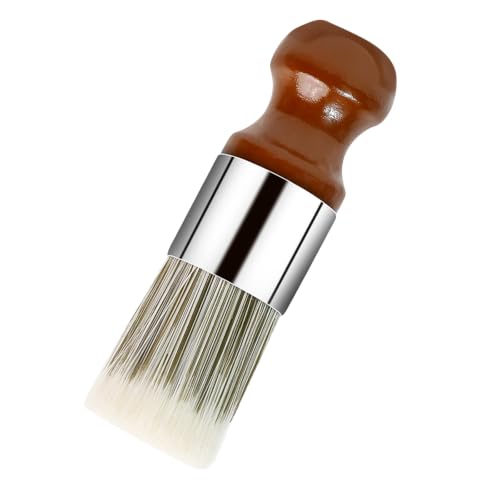
Repair & care: Our premium salve brush for leather furniture is designed for gentle yet effective cleaning, perfect for leather & wood care. Ideal for use with walk in the woods leather salve or snuff leather salve for deep conditioning
Use and Handling of Cleaning Detergents
Selecting the right detergent is as critical as choosing your pressure washer settings, since each formulation targets specific cleaning challenges and material types. Your detergent selection depends on furniture material and soil type—use all-purpose cleaners for general dirt, degreasers for oily residue, or specialized solutions for algae and mildew.
Follow usage instructions carefully by diluting according to the product’s recommended ratios. Never apply full-strength detergent, as this risks damage or staining. Always test on inconspicuous areas first.
Apply detergent via your pressure washer’s injection system or foam sprayer for controlled coverage. Allow adequate contact time for the cleaner to work, then rinse thoroughly before it dries. Wear gloves and eye protection when handling concentrated formulations. Pre-wet surrounding plants to minimize chemical absorption and protect landscaping.

Professional concentrate cleans decks, siding, driveways, and patios - perfect for homeowners preparing for BBQs, real estate agents staging homes, or contractors finishing jobs.
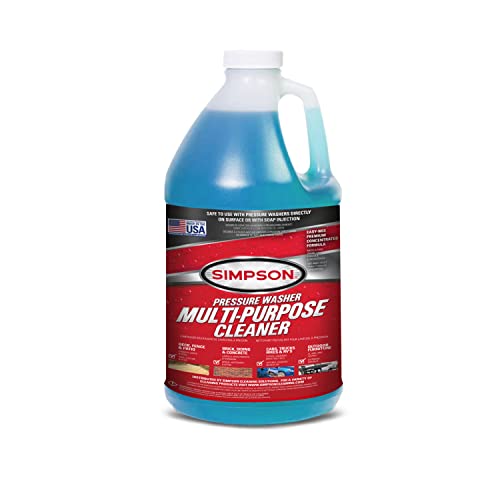
Multi-Purpose Cleaner: Non-butyl degreaser quickly cuts through tough oil and grease; eliminates the need to use several other products to get the cleaning job done

Delivers 2500 max PSI and 1.76 max GPM (at lowest pressure), and 2000 rated PSI and 1.2 rated GPM of water flow; Pro-style steel extendable 17.5” wand with quick-connect nozzles (0°, 15°, 25°, turbo and soap applicator)
Post-Cleaning Care and Drying
Once you’ve thoroughly rinsed your outdoor furniture, the drying phase becomes critical to protecting your investment and preventing long-term damage. You’ll want to employ effective drying techniques and moisture prevention strategies tailored to your furniture’s material.
Start by tilting pieces to promote water runoff, then use a squeegee to remove standing water from flat surfaces. For cushions, disassemble components and dry them separately on their edges. Position furniture in direct sunlight and wind when possible—both accelerate evaporation considerably.
Metal furniture demands thorough drying to prevent rust formation. Wicker and rattan require extended drying time due to moisture trapped in intricate weaves. You should allow 24-48 hours minimum before applying sealants or returning furniture to use. Always verify complete dryness before covering or stacking items, as moisture accumulation can lead to mold and mildew growth. For wooden furniture, consider applying a protective sealant after drying to enhance durability and maintain the wood’s appearance long-term.
Safety and Maintenance Tips When Using Pressure Washers
Why should you prioritize pressure washer safety before you even turn on the machine? A thorough risk assessment protects you and your surroundings. Always equip yourself with proper safety gear—wear safety glasses and closed-toe shoes to guard against flying debris and water spray.
Inspect your pressure washer for leaks, damaged hoses, and faulty connections before operation. Verify that all safety guards and triggers function correctly. Never point the wand at people, animals, or electrical fixtures. Keep pets and children away from your work area entirely.
Select the appropriate nozzle for your furniture material and use adjustable PSI settings. For stubborn buildup, you can pre-treat your furniture with natural cleaning solutions like vinegar before pressure washing to enhance results. After cleaning, flush your pressure washer with clean water to remove detergent residue. Regular nozzle maintenance prevents clogs and guarantees peak performance during future use.