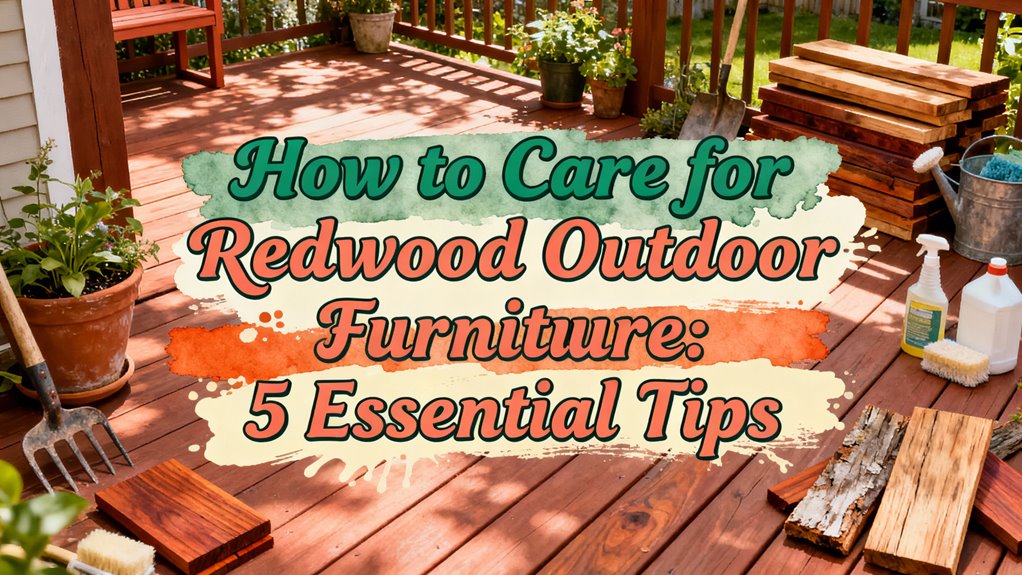
How to Care for Redwood Outdoor Furniture: 5 Essential Tips
You’ll extend your redwood furniture’s lifespan by establishing consistent cleaning routines, sanding every one to two years, and applying quality sealants annually. Prevent damage by managing moisture, inspecting for pests, and cleaning spills immediately. Store pieces in dry environments on pallets during off-season, covering them with breathable tarps. Each maintenance practice—from surface preparation to protective coatings—plays a critical role in preservation, and there’s much more to uncover about optimizing each step.
Keep Your Furniture Clean and Well-Maintained
To preserve your redwood outdoor furniture’s appearance and extend its lifespan, you’ll need to establish a consistent cleaning routine that removes accumulated debris and grime without compromising the wood’s integrity. Start with basic cleaning techniques: hose down surfaces to eliminate loose debris, then use a soft brush to lift embedded grime from wood grain. Wipe thoroughly with a rag for a polished finish.
For deeper cleaning, apply a mild soap and water mixture or diluted dish detergent. Murphy’s Oil Soap, when properly diluted, works excellently on finished redwood. Avoid power washing, which opens surface cracks and reduces durability. Consider applying protective coatings annually to shield your furniture from sunlight and moisture damage.
Address stain removal promptly using diluted bleach or oxalic acid solutions. Apply the remover, wait twenty minutes, then rinse completely. Always test new products on inconspicuous areas first and wear protective gear during chemical applications. Properly drying around metal fasteners after cleaning prevents rust and corrosion that can compromise your furniture’s structural integrity.
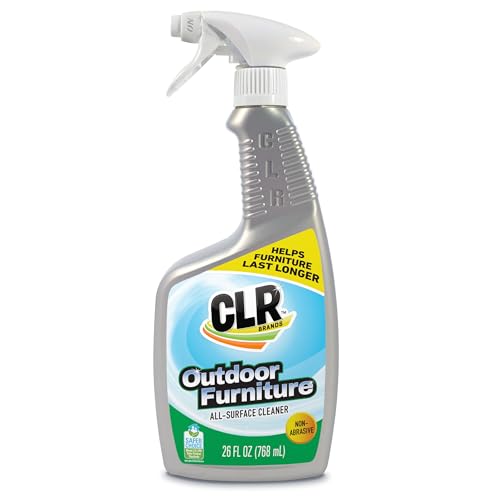
HUNDREDS OF USES: Tackle the whole yard with this powerful outdoor furniture cleaner. Formulated for use on patio, lawn and deck furniture, it is an effective and versatile product for outdoor furniture - from upholstery to plastic play sets.

OUTDOOR RESTORER: Penetrates deep to restore faded & weathered outdoor surfaces.
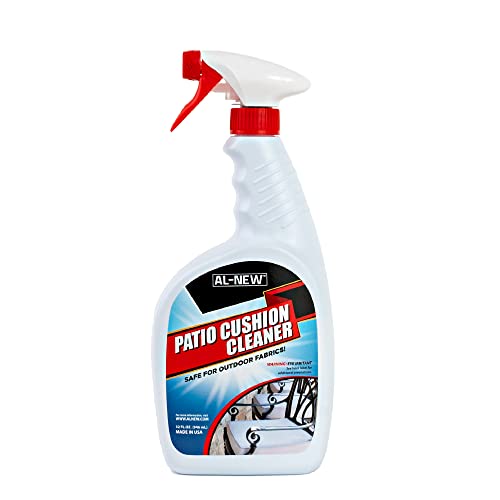
Best Way to Clean Outdoor Patio Cushions, Fabric Cushions, Patio Furniture Covers, Sunshades & Sail Cloth, Fabric Awnings, Umbrellas & More!
Sand and Prepare Surfaces Regularly
Regular sanding is essential for maintaining your redwood furniture’s appearance and ensuring proper adhesion of protective finishes. You’ll want to sand every 1–2 years, or more frequently in high-traffic areas and harsh climates.
For effective sanding techniques, use hand sanders on intricate details and orbital sanders on larger surfaces. Start with coarse grit (80–100) to address heavy imperfections, then finish with fine grit (220) for smoothness. Always sand with the grain to prevent scratching.
Your surface preparation should include removing dirt, grime, and old finish before sanding. After sanding, clear dust with a soft brush or cloth. Inspect for checks and cracks, filling deep imperfections with wood filler as needed. Lightly sand filled areas for a flush finish. Like evaluating structural integrity in construction projects, proper surface assessment ensures your furniture maintains its strength and longevity by identifying potential structural weaknesses before they compromise the piece. Wear protective equipment and work in well-ventilated conditions. This regular maintenance helps preserve the natural tannins and stability that guard against warping, cracking, and decay.
Apply Quality Sealants and Finishes
Once you’ve prepared your redwood surfaces through proper sanding, applying quality sealants and finishes becomes the critical next step in protecting your investment from weathering, moisture damage, and UV degradation. Your sealant selection depends on your furniture’s exposure level and desired aesthetic. Penetrating oils nourish wood fibers and require reapplication every 1–2 years, while film-forming finishes create durable waterproof barriers lasting 2–5 years. For high-moisture environments, epoxy sealers offer maximum protection exceeding five years. Stain-and-sealer combos provide color enhancement with moderate longevity. Marine varnish excels near water sources, containing UV inhibitors for extended protection. Penetrating oils do not create a slippery surface, making them a safe choice for outdoor furniture where slip hazards are a concern. To achieve a uniform, long-lasting finish, apply thin coats using quality applicators and maintain a wet edge to prevent lap marks. Finish application techniques vary—penetrating oils typically need one coat, whereas film-forming products demand multiple coats for peak durability and sheen.
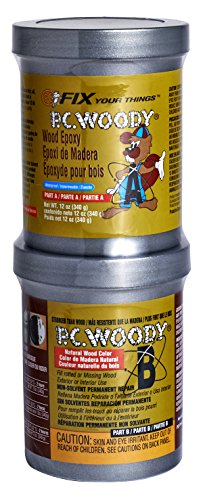
Two-part epoxy paste to replace missing or rotted wood is resistant to dry rot, UV light, fresh and salt water

Two-part epoxy paste to replace missing or rotted wood is resistant to dry rot, UV light, fresh and salt water

100% Waterproof and Weatherproof: This 100% silicone formula offers protection from water damage, providing a reliable seal in areas exposed to harsh weather
Prevent Wood Damage Before It Starts
Preventing wood damage before it starts requires proactive strategies that address the root causes of redwood deterioration—moisture imbalance, pest infiltration, physical stress, and environmental exposure. You’ll strengthen your furniture’s longevity through deliberate moisture management by maintaining ideal air circulation and avoiding direct ground contact. For pest prevention, inspect periodically for termites and carpenter ants, particularly in older pieces, since natural tannins eventually leach out. Select heartwood-quality redwood over sapwood for superior natural preservatives. You’ll minimize physical damage by choosing properly dried wood and using stainless steel fasteners throughout. Promptly repair small cracks before environmental factors cause expansion. Shield wood from harsh chemicals and direct sunlight, which strip natural oils and degrade finishes. While redwood offers natural resistance to decay, pressure-treated wood alternatives can provide even more robust protection against rot and insect damage for long-term outdoor use. Clean spills immediately to prevent discoloration from acidic or alkaline substances. Maintain consistent spacing between boards to allow proper air circulation and reduce moisture accumulation in crevices where furniture joints meet.

WATER-BASED WOOD FINISH: Our sealant provides top-notch protection against wear and tear in high traffic areas. It's odorless and suitable for use on wood siding, log homes, swing sets, outdoor furniture, wooden deck and fence, and more

3-IN-1 FORMULA: WOOD STAIN, WOOD SEALER, & PROTECT IN ONE COAT: Stop layering multiple products. SENVEN’s advanced water-based formula combines rich, even pigment with a deep-penetrating sealer and durable wood protector. It revitalizes old wood with a natural matte finish while building a cellular-level barrier against water, UV rays, and saltwater spray—all in a single, time-saving application. No primer, no topcoat needed.
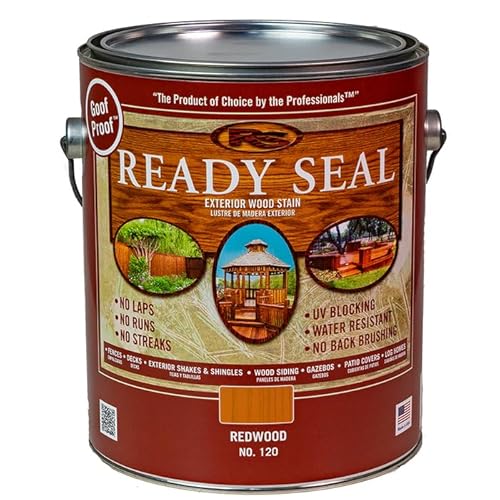
No Laps, Runs or Streaks
Store and Protect During Off-Season
Your redwood furniture’s durability doesn’t end when the season does—it depends equally on how you shelter it during months of inactivity. Effective furniture storage requires strategic moisture prevention to protect your investment.
Store pieces in dry, cool environments like garages or basements, elevating them on pallets to prevent floor contact. Apply weather-resistant sealants before storage, then cover furniture with breathable tarps that permit air circulation without trapping condensation. Clean and thoroughly dry all components beforehand, storing cushions separately in ventilated spaces.
Monitor your stored furniture regularly throughout the off-season, checking for moisture, pests, or damage. Remove covers during dry spells to prevent heat buildup. Consider reupholstering cushions with weather-resistant fabrics to extend their lifespan and enhance protection during storage. Before reusing spring furniture, inspect sealants and protective coatings, reapplying as needed to maintain ideal protection and performance.