
How to Protect and Maintain Cedar Outdoor Furniture
You’ll extend your cedar furniture’s lifespan by establishing a systematic maintenance routine. Start with gentle cleaning using soft brushes and mild soap, then apply hydrophobic sealants annually to block moisture penetration. Inspect monthly for mildew, mold, and loose hardware. Store pieces indoors with breathable covers during off-seasons. Protect with oils twice yearly and film-forming finishes like spar urethane every 3–5 years. Adjust your approach based on climate conditions and seasonal shifts. Understanding how each maintenance layer works together reveals strategies for preserving your investment.
Regular Cleaning and Dirt Removal
Because cedar’s soft wood structure is easily damaged, you’ll want to start your cleaning routine with gentle techniques rather than aggressive methods. Begin by brushing or vacuuming loose dust and debris to prevent surface scratching during washing. For routine inspections, sweep surfaces regularly with soft brushes or cloths to minimize dirt buildup and reduce deep cleaning frequency. Your cleaning tools should include soft-bristled brushes, sponges, or toothbrushes for detailed grime removal in tight spaces. Apply mild detergent or dish soap mixed with water, avoiding pressure washers that can cause splintering. For stubborn stains, use a diluted bleach solution and lightly scrub affected areas. Rinse thoroughly with a garden hose and allow complete drying. To further protect your cedar furniture, consider applying protective coatings annually to prevent damage from sunlight and moisture. Proper spacing between furniture pieces, maintaining at least 3 feet of clearance around each chair, also helps ensure adequate air circulation for drying and prevents moisture accumulation. Address bird droppings and sunscreen stains promptly to prevent permanent damage.

The hand broom cleaning brush is made of dense and thick soft bristles. The bristles are not easy to fall off, not easy to deform, durable and soft in texture.
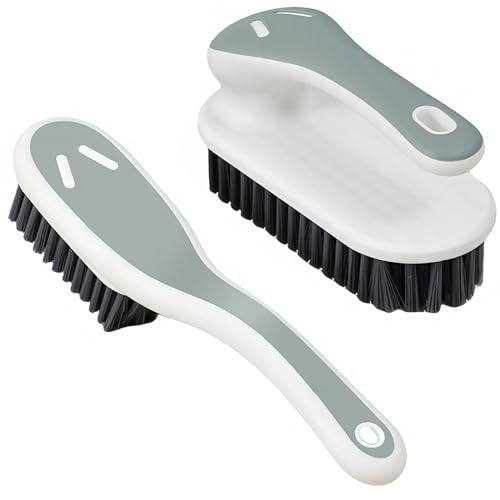
MULTIFUNCTIONAL CLEANING BRUSH: High-quality soft household cleaning brush bristles can easily clean dirty parts of clothes, such as collars and cuffs without damaging the fabrics, and can also be used to clean stains on tiles and countertops, making home cleaning easy.

Package Includes -- You will receive 2 pieces soft bristle brushes, measure 33 x 8 cm / 13 x 3.1 in., the length of the bristles is 20 cm / 7.9 inches. The quantity is sufficient for your daily use and replacement requirements. You can use the brushes in many places.
Mildew, Algae, and Mold Prevention
While moisture creates ideal conditions for mildew, algae, and mold to colonize cedar furniture, you can prevent these organisms from establishing themselves through strategic environmental management and surface protection. Elevate furniture using pallets to improve air circulation and reduce ground moisture transfer. Apply hydrophobic sealants annually to block water penetration. Use compressed air to blast debris from joints and crevices where colonies hide. Employ mold identification techniques by inspecting undersides and corners monthly—dark, concealed spaces harbor growth first. Monitor moisture indicators like dampness on fabric or wood discoloration. Towel-dry furniture immediately after exposure and position it in sunlight to accelerate drying. Store pieces indoors during off-seasons using breathable covers rather than plastic tarps that trap moisture. Dust regularly to eliminate organic matter mold feeds on, preventing establishment before it spreads. Just as rust-inhibiting primers protect metal surfaces from corrosion, applying protective sealants to cedar furniture creates a barrier against moisture infiltration and microbial growth.
Protective Finishes and Sealants
To maximize your cedar furniture’s longevity and appearance, you’ll need to select and apply a protective finish that matches your priorities—whether that’s preserving the wood’s natural grain, achieving maximum weather resistance, or balancing aesthetics with durability.
Penetrating oils like tung oil enhance grain but require frequent reapplication. Film-forming finishes such as spar urethane provide superior barrier protection against moisture and UV rays, though they can peel and demand sanding for recoating. Spar urethane offers a durable, weather-resistant film that lasts 3–5 years with proper maintenance, protecting wood from sun and moisture damage. Clear stains preserve natural color but offer minimal UV protection. Semi-transparent stains deliver moderate protection while maintaining visibility of wood grain. Opaque stains maximize protection but obscure natural beauty.
For application techniques and finish compatibility, proper surface preparation—cleaning and sanding—is essential. Consider spar urethane or Rymar Xtreme Weather Wood Sealer for exceptional outdoor performance. Unlike teak wood, which has natural resistance to moisture without requiring protective finishes, cedar demands more frequent maintenance and resealing to achieve comparable durability.
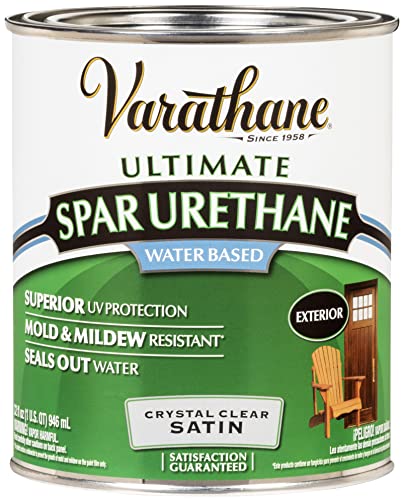
Durable, poly for outdoor wood surfaces such as furniture, doors, windows, fences, trim and more

3X‑THICK ONE‑COAT PROTECTION: Formulated to be three times thicker than Varathane Ultimate Water‑Based Spar Urethane, allowing excellent durability and project completion up to three times faster in just one coat

PROTECTIVE CLEAR FINISH – Minwax Helmsman Spar Urethane is specially formulated as a protective varnish for wood for interior and exterior projects. It contains special UV blockers that reduce the sun’s graying and fading effects.
Seasonal Maintenance and Storage
Once you’ve applied your chosen protective finish, maintaining that coating’s integrity throughout the year requires a systematic approach to seasonal care and storage. Conduct seasonal assessments before shifting between seasons—inspect for damage, tighten hardware, and clean thoroughly before storing. Spring preparation involves gentle washing and cushion refreshment; summer requires weekly cleaning and furniture rotation to prevent uneven fading. During autumn closure, apply touch-up sealants and deep clean debris before relocating pieces indoors. Your storage solutions should prioritize cool, dry environments with breathable covers that prevent moisture accumulation and mold growth. Verify all furniture dries completely before storage, and maintain periodic inspections throughout winter to detect pest activity or deterioration early, protecting your cedar investment year-round. To further extend your furniture’s lifespan, consider reapplying oil-based stains and clear sealants every 2-3 years to maintain protection against UV damage and moisture.

Durable Protection: This outdoor furniture covers waterproof are crafted from heavy-duty 420D Oxford fabric with a PU waterproof coating, these covers protect your outdoor furniture from rain, snow, and dust; They're designed to withstand all weather conditions with UV resistance, anti-fade properties, high-temperature resistance, and easy maintenance, making them ideal for year-round use

DESIGNED TO PROTECT YOUR ENTIRE PATIO SET: Includes fitted covers for a Loveseat cover, two swivel rocker chairs cover, and a coffee table cover so you don’t need to mix and match sizes or buy extra covers
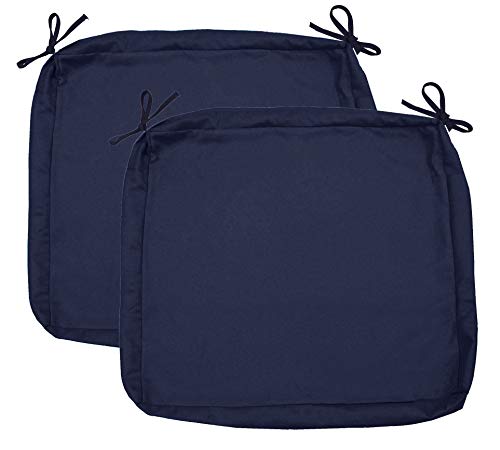
Premium Material: 100% Ployester. Fade resistant, UV protection, Durable heavy fabric,Weather resistant. 80% waterproof construction without plastic backing provides better air permeability and allows the cover to dry quickly.
Maintenance Frequency and Timing
Proper maintenance frequency and timing form the backbone of cedar furniture longevity, requiring you to establish a systematic schedule that accounts for seasonal variations, usage intensity, and your local climate conditions. Implement monthly inspection routines during active seasons to identify wear, loose hardware, and surface degradation before problems escalate. Your maintenance scheduling should include cleaning every few weeks during peak seasons and monthly during autumn to prevent debris and moisture accumulation. Apply protective oils twice yearly and sealants annually, aligning applications with seasonal shifts. Because cedar has a relatively low Janka hardness rating of only 350, you should also inspect furniture regularly for dents and scratches that may have compromised the protective finish. Maintain a detailed log tracking all maintenance activities for each piece, ensuring consistent attention and ideal protection throughout the year.
Long-Term Preservation and Natural Aging
One of the most consequential decisions you’ll make regarding cedar outdoor furniture involves choosing between active color preservation and allowing natural weathering to occur. If you prioritize maintaining the wood’s original warm tone, you’ll apply UV-resistant sealants containing UV inhibitors every few years. Conversely, permitting natural aging produces a silvery-gray patina as UV rays oxidize the cellulose, creating a rustic wood aesthetic many homeowners favor. Quality cedar furniture lasts 20 to 30+ years regardless of your choice, though protective finishes slow oxidation considerably. Cedar’s inherent rot and insect resistance provides durability advantages, similar to how high density and resin content contribute to exceptional longevity in premium softwoods. While cedar offers good natural durability, woods like teak provide superior weather resistance due to natural oils that resist decay and moisture. Your selection ultimately reflects personal preference: preserving original color requires ongoing maintenance, while embracing natural aging demands minimal intervention yet yields distinctive character.


