Is Oak Good for Outdoor Furniture? Pros and Cons
You’ll find white oak excels for outdoor furniture due to its closed-cell structure, tannin content, and superior rot resistance compared to red oak. However, you’ll need committed maintenance—regular cleaning, protective finishes every 6-9 months, and prompt spill attention—to maximize its lifespan. While it’s more affordable than exotic woods and adapts well across climates, you’ll face challenges with weight and continuous moisture management. The payoff? Furniture that outlasts you. Understanding these specifics will clarify whether oak truly suits your situation.
Understanding Oak’s Natural Durability
When you’re evaluating oak for outdoor furniture, you’ll want to understand how its internal structure directly impacts its performance in wet conditions. White oak‘s tightly closed cell structure creates superior oak’s moisture resistance compared to red oak’s porous grain. This cellular composition makes white oak naturally resistant to water penetration and decay.
You’ll also benefit from white oak’s elevated tannin content. These natural compounds function as preservatives, actively protecting against rot and fungal growth. The tannin benefits reduce your reliance on chemical treatments for certain applications. Just as slat spacing and orientation affect shade performance in outdoor structures, the proper application of sealants to oak furniture requires thoughtful consideration of your climate and sun exposure patterns.
However, recognize that white oak contains lower natural oil levels than teak or mahogany. This means you’ll need regular maintenance with sealants to sustain long-term outdoor durability. White oak’s hardness and density provide structural integrity, but proper finishing remains essential for maximizing its lifespan. Unlike beech wood, which requires frequent refinishing and protection due to its moderate decay resistance, white oak’s superior tannin content and cellular structure provide better inherent weather resistance for outdoor applications.
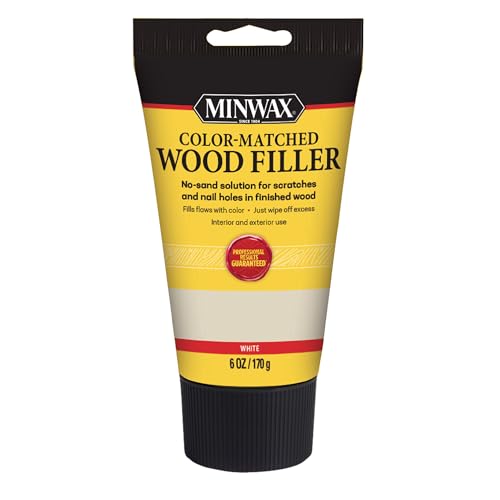
PROFESSIONAL WOOD FILLER – Minwax Color-Matched Wood Filler is a high-quality, no-sand solution for defects in finished wood.

PROFESSIONAL WOOD FILLER – Minwax Color-Matched Wood Filler is a high-quality, no-sand solution for defects in finished wood.

Water-based wood stain creates rich, even color in 1 coat on most surfaces
How Oak Weathers Over Time
Understanding oak’s cellular structure and tannin content explains why it resists decay, but you’ll also want to know what happens to your furniture’s appearance as it sits outdoors. Your oak pieces undergo a gradual colour evolution, developing warmer amber tones initially before shifting toward silver-grey over 6-24 months. UV light breaks down lignin, accelerating this transformation. Environmental factors greatly influence the weathering process—sun intensity, coastal salt spray, and rainfall all affect the pace and tone of patina formation. You’ll notice darker streaks where metal fixings react with tannins. North-facing placement slows weathering considerably. While the resulting aged aesthetic appeals to many, expect surface texture changes and potential fibre raising from repeated wetting cycles without protective maintenance. Unlike untreated wooden decks that typically last about 10 to 12 years, oak’s natural tannin content provides superior resistance to rot and decay when properly positioned outdoors.
Essential Maintenance Requirements for Outdoor Oak
Protecting your oak furniture’s longevity demands a structured maintenance approach that addresses cleaning, protective finishes, and environmental controls. Your cleaning techniques should employ mild soap and water solutions applied with damp cloths, avoiding excess moisture that damages oak’s porous surface. Address spills immediately to prevent staining.
For protective finishes, apply marine-grade varnish or oil-based products designed for outdoor use, which shield against UV rays and moisture. Monitor rain beading on the surface—absorption indicates re-staining is necessary. Complement these finishes with furniture wax every 6-9 months, strengthening crack resistance and nourishing the wood.
Position furniture in shade to minimize fading, guarantee adequate ventilation around placement areas, and store pieces in dry, protected spaces during extended non-use periods. These integrated practices substantially extend your oak furniture’s operational lifespan.

Protects outdoor wood surfaces such as furniture, fences, railings, trim and more

ECO-CONSCIOUS LIVING – Limino Wood Stain is a highly effective clear coat that transforms the finish color of wood furniture into a specific style while preserving its natural grain details. It allows you to create furniture in various styles without the high cost of purchasing solid wood pieces, reducing timber consumption and achieving a balance between appreciating natural wood beauty and protecting the environment.

CLASSIC MARINE VARNISH contains premium tung oil, phenolic resins and UV blockers for a beautiful transparent amber finish on all types of interior and exterior wood on boats, strip canoes, kayaks, outdoor wooden bar tops, garage doors, furniture and more
Climate Suitability and Practical Applications
Because oak’s closed grain structure and dimensional stability make it exceptionally adaptable across diverse climates, you’ll find it performs reliably whether you’re furnishing a humid coastal property, an arid desert landscape, or a region experiencing extreme seasonal fluctuations. Your oak furniture maintains structural integrity through salt-laden air, low-humidity environments, and dramatic temperature swings. White oak specifically offers superior rot and water resistance for coastal applications, while its dense composition resists cracking in arid conditions. While oak provides respectable performance, woods like teak with naturally high oil content offer significantly extended lifespans in the harshest outdoor environments. Unlike oak, softwoods like larch develop a silver-gray patina when left untreated, which can be maintained with protective oils or saturators.
You can confidently deploy oak across outdoor resilience applications—patio tables, chairs, and planters—in both residential and commercial settings. Its climate adaptability guarantees minimal maintenance requirements, and the wood’s aesthetic qualities enhance your landscape year-round. Proper finishing remains critical in extreme environments, but oak’s inherent durability assures longevity across virtually any climate zone you inhabit.
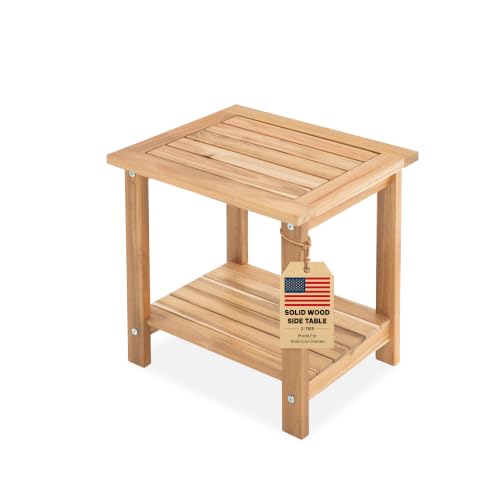
𝗘𝗙𝗙𝗢𝗥𝗧𝗟𝗘𝗦𝗦 𝗔𝗦𝗦𝗘𝗠𝗕𝗟𝗬: This versatile side table is designed for quick and easy assembly, taking just 5 to 10 minutes to set up, making it a convenient end table for your living room or outdoor spaces.

Weather-Resistant Aluminum Frame: Built with a premium aluminum frame that is rust-resistant and corrosion-proof, finished in a soft white oak tone to ensure durability against all weather conditions including sun, rain, snow, and UV exposure.

Weather-Resistant Aluminum Frame: Crafted with a premium aluminum frame treated to resist rust and corrosion, finished in a soft white oak tone to ensure lasting durability in any weather condition—sun, rain, snow, or UV exposure.
Cost Comparison With Other Outdoor Woods
When you’re budgeting for outdoor furniture, oak’s cost advantage becomes immediately apparent—it typically costs less than walnut, exotic woods, and white oak while remaining more durable than pine. You’ll find red oak priced markedly lower than white oak, sometimes costing half as much depending on regional availability. American Black Walnut starts at £115.50 per m², while European Oak begins at £57 per m², demonstrating substantial material differences in pricing. Your cost efficiency improves with oak since domestic sourcing reduces transportation expenses compared to imported exotic woods. Pine offers cheaper alternatives, but you’ll invest more in maintenance over time, particularly since untreated pine typically lasts only 3-10 years outdoors before requiring replacement. Unlike softer woods such as cedar, which has a Janka hardness rating of only 350, oak provides better resistance to dents and damage while maintaining affordability. Oak balances affordability with longevity, making it your most practical investment for quality outdoor furniture without premium pricing.

DURABLE WOOD:This bistro set is made of real Acacia wood with a natural finish. This chat set is solid, strong and durable.This table chair set is Crafted from solid, weather-resistant natural acacia wood for beauty and long-lasting durability.Acacia wood is strong and durable.No splinter, rust, crack, chip or peel.Chat Set Bistro Set Table Chair Set.

Modern and Ergonomic Design: The design of our patio furniture set is simple, stylish and Ergonomic. It is perfect to decorate your your yard, poolside, balcony, patio and indoor area. Provide great comfort for you while you are enjoying your leisure time

- Sturdy & Durable: Devoko rattan patio furniture set is made of brown PE rattan and strong steel frame, It is durable enough to withstand rain and wind for long time using. Featuring sturdy construction and durable rattan, this porch furniture set can withstand the test of time and high temperature
Aesthetic Appeal and Long-Term Appearance
Beyond its cost efficiency, oak brings considerable aesthetic value to outdoor furniture that develops character over time. You’ll appreciate oak’s distinctive grain patterns—red oak displays pronounced open grains with rustic texture, while white oak features tighter, straighter lines for a modern aesthetic. Color variations range from warm reddish-browns to light tans with yellow undertones, deepening into rich amber hues as natural tannins react with air and light exposure.
Oak’s open grain structure accepts stains readily, letting you customize finishes from light contemporary styles to sophisticated dark tones. However, you’ll need protective treatments to maintain appearance outdoors. Properly sealed oak resists warping and weathering, preserving its warmth and grain richness. Regular maintenance guarantees your furniture sustains visual appeal across rustic, classical, and modern design schemes for years.
Key Advantages of Oak Furniture
Oak furniture delivers substantial practical advantages that justify its position as a premium choice for outdoor settings. You’ll benefit from oak’s Janka hardness rating of 1,290 pounds-force, which resists dents and scratches from daily use. The wood’s tightly closed cell structure provides natural water-resistance and dimensional stability across climate zones, preventing warping and joint separation. Oak aesthetics improve with age, developing rich patinas that enhance your outdoor space’s visual appeal. You can expect well-maintained oak furniture to outlast its users, making it an excellent long-term investment. Regular sealing guarantees red oak withstands rain, snow, and temperature extremes without rot. White oak’s superior durability makes it ideal for boatbuilding-grade applications. Unlike materials with high moisture absorption, oak’s dense composition resists the warping and swelling that compromises lesser wood species in outdoor environments. These oak furniture benefits combine durability, stability, and timeless design.

Simple & Practical: Closed armrest and leg design makes the chair simple but modern and no need to worry about the rattan falling off when they are used after a long time.

- Upgraded Comfort: With wider seats and armrests on outdoor chairs, you won't be uncomfortable with cramped seats and narrow armrests anymore. Padded back cushions and seat cushions add extra comfort. The new upgraded balcony furniture will give you more comfort.

Important Limitations to Consider
While oak furniture offers impressive durability and aesthetic appeal, you’ll want to understand several practical drawbacks before committing to this investment. Weight considerations make oak pieces challenging to move, requiring extra labor and installation costs. You’ll need sturdy structural support, particularly in outdoor settings with load-bearing constraints.
Moisture management demands consistent attention. Oak expands and contracts with humidity fluctuations, potentially causing cracking or warping without proper sealing. Direct sunlight exposure leads to fading and fiber shrinkage, while oak’s tannins leach onto surrounding surfaces when wet, causing stains.
You’ll face ongoing maintenance requirements—regular resealing and refinishing combat weather and UV damage. Neglecting protective coatings accelerates deterioration despite oak’s natural resistance. Additionally, oak’s density requires specialized tools for fabrication, increasing costs substantially. White oak outperforms red oak in outdoor durability, making species selection essential for longevity.