
When Is the Best Time of Day to Stain Your Deck?
You’ll achieve the best results by staining your deck during early morning or late afternoon when surface temperatures stay between 50°F and 85°F. Avoid midday sun, which causes flash drying, blotchy finishes, and uneven absorption. Early morning gives you a longer application window and ideal curing conditions. Late afternoon reduces UV intensity and surface temperature risks. Complete applications at least 2–3 hours before sunset to prevent dew interference. Understanding the specific timing nuances for your climate will transform your deck’s final appearance.
Early Morning Application for Hot Weather
When you’re staining your deck in hot weather, early morning application offers you the best chance of achieving a professional, durable finish. The morning benefits include cooler, stable temperatures between 50°F and 85°F that allow proper stain penetration without rapid drying. You’ll avoid surface temperatures rising 15°F above ambient air temperature, which causes uneven curing and visible brush marks.
Your application techniques should capitalize on lower UV intensity and reduced humidity during early morning hours. Start after dew evaporates to prevent stain dilution. You’ll work within a longer window before afternoon heat and weather changes arrive, allowing careful, methodical application. Lower sun angles prevent patchy drying while providing adequate visibility to monitor quality. This timing establishes a critical 24 to 48-hour curing period with minimal temperature fluctuations, ensuring superior stain durability and adhesion. Before applying stain, ensure your deck is properly prepared by removing old peeling stain through sanding or power washing. Using oil-based or water-based stains selected for your climate will further enhance the curing process and protect your deck from sun and moisture damage.
Late Afternoon Staining During Summer Months
Although late afternoon staining during summer months requires careful attention to timing and weather conditions, it’s a viable alternative that offers distinct advantages over midday application. You’ll benefit from lower surface temperatures, typically staying below 90°F, which prevents blotchy finishes and extends your stain’s workability. Rising humidity levels in late afternoon enhance wood absorption, reducing lap marks during application. The diminished sun intensity minimizes UV-related curing issues, allowing you to work with affordable stains and eco-friendly options more effectively. You should complete your project at least 2–3 hours before sunset, enabling overnight curing with minimal direct exposure. Monitor humidity forecasts—optimal conditions remain below 70%. This timing strategy improves visibility for spotting missed areas while maintaining consistent coverage across your deck. Following proper deck preparation and cleaning before staining ensures optimal adhesion and drying performance regardless of application time. Using proper application tools like brushes will help you achieve even coverage and prevent lap marks throughout your project.
Midday Timing in Spring and Autumn
Spring and autumn’s midday hours present the perfect window for deck staining because you’ll encounter the most stable temperature conditions of the day. You’ll benefit from temperatures between 50°F and 90°F, which promote even stain absorption and proper curing without extreme fluctuations.
You’ll also achieve ideal humidity levels at midday, as moisture is considerably lower than morning or evening. This staining benefit reduces drying time and prevents blotchiness that compromises adhesion. By avoiding morning dew and evening moisture, you guarantee consistent results. Proper surface preparation ensures that stain adheres effectively regardless of timing conditions.
Work on shaded sections during midday to prevent premature drying and uneven application. You’ll maximize daylight hours for initial curing before temperatures drop overnight. Midday staining reduces risks of dew, frost, or rain affecting uncured stain, delivering superior, long-lasting finishes. Maintaining a wet edge while working through shaded areas helps you avoid lap marks and ensures seamless color consistency across your deck surface.
Why Direct Sunlight Should Be Avoided
While midday offers stable temperatures for spring and autumn staining, direct sunlight presents a significant obstacle to achieving a quality finish. You’ll experience rapid solvent evaporation and uneven drying when applying stain under full sun. Wood surface temperatures exceeding 100°F cause flash drying, which compromises stain penetration into wood fibers and weakens long-term protection.
The sun exposure effects extend beyond application challenges. You risk blotchy, shiny spots and lap marks that mar your deck’s appearance. Additionally, UV rays break down wood fibers, causing discoloration, fading, and structural damage that stain alone cannot repair. Proper surface preparation and cleaning before staining helps mitigate some UV damage, but timing your application to avoid direct sunlight remains essential for optimal results. After staining, sweeping or vacuuming away dust ensures the finish sets evenly without particles interrupting the wood’s appearance.
To avoid these defects, you should stain early morning or late afternoon when sunlight intensity decreases. Create temporary shade if necessary, and apply stain in smaller sections to maintain wet edges and prevent patchy color development.

Use on railings, furniture, trim, boats (above the waterline)

NO LAPS, RUNS OR STREAKS: Goof Proof formula with no back brushing required; ideal for exterior wood projects

Ideal for use on all interior wood projects: furniture, cabinets, doors, trim and paneling
The Impact of Dew and Evening Moisture
Just as midday sun creates application challenges, evening moisture poses equally significant threats to your freshly stained deck. Dew formation typically begins 2-4 hours after sunset when surface temperatures drop below air temperature, depositing water directly onto your stain and causing white spots or rain spots.
This moisture accumulation becomes particularly problematic during your stain’s critical curing window. If you’ve applied stain in late afternoon, evening dew can trap water beneath the surface before the finish reaches touch-dry stage, compromising adhesion and promoting mold growth. Similar to how prolonged dampness damages outdoor wood finishes, premature moisture exposure during staining prevents proper curing and adhesion.
That’s why scheduling your application at least 6-8 hours before sunset matters. This buffer guarantees your water-based stain reaches adequate cure stages before nighttime humidity increases. You’ll protect your investment and achieve superior results by respecting these moisture dynamics.
Temperature Requirements for Optimal Staining
Three critical temperature ranges govern your deck staining success: the air temperature, the wood surface temperature, and the conditions you’ll maintain during curing. You’ll want to apply stain when air temperatures stay between 50°F and 90°F, matching your wood surface conditions. Temperature monitoring becomes essential because direct sunlight can push surface temperatures above 90°F, causing rapid drying and blotchy results even when ambient air feels acceptable.
Below 50°F, stain won’t cure properly and adhesion fails. Above 90°F, flash drying occurs, creating lap marks and uneven coverage. Your climate considerations should include maintaining these temperatures for at least 8–12 hours post-application. Avoid large temperature fluctuations between day and night, as they disrupt curing. Late afternoon applications work only if overnight temperatures remain above 50°F consistently. Proper wood surface preparation, including cleaning and sanding, ensures that your stain application will perform optimally across the temperature ranges you’ve selected. Similar to how transformers must be elevated above ground to protect outdoor lighting systems from moisture damage, your freshly stained deck requires protection from environmental moisture during the curing process.

1.Water Temperature Gauge Reads Water Temp 104 ℉ to 302 ℉ Fahrenheit,Above 212 ℉ will light up

100-280°F Range: Monitors water or oil temperature across a clear 100-280°F operating range.

【PROTECTS PATIOS, DECKS & RV FLOORS】Heavy-duty rubber construction creates a protective barrier between the propane tank and hard surfaces, helping reduce rust rings, scratches and surface wear while providing stable support for everyday use.
Weather Forecasting and Moisture Planning
How can you guarantee your staining project won’t be derailed by unexpected weather? You’ll need forecast reliability and strategic planning. Check reputable sources like the National Weather Service within a week of your project date, monitoring daily updates as you approach the deadline. Forecasts become unreliable beyond seven days, so plan accordingly.
Watch humidity levels closely—aim for readings below 50% for ideal drying. High humidity above 80% causes stain to remain tacky and increases bubbling risk. Afternoon timing typically offers lower humidity than mornings.
Verify that wood moisture content stays below 15% using a moisture meter. Confirm zero rain probability for 48 hours post-application. Even light drizzle compromises stain penetration and curing. Professional staining jobs typically cost 1.75 to 4.50 per square foot, so protecting your investment through proper weather planning is essential. For optimal results, maintain temperatures between 50-90°F during the application and curing process. These precautions prevent costly reapplication and premature finish failure.

✅【Accurate & Trusted Measures, Identify Moisture Level】With accurate & trusted performance, Mecurate moisture meter can detect moisture content from wood to building material. A reliable must-have tool for home owners, woodworkers, painters & architects to detect moisture level and spot hidden damage, which would save potential expensive repairs.
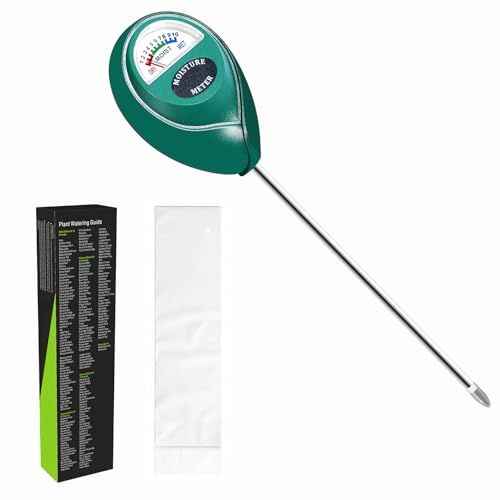
Trusted Since 2015: Become one of the many plant lovers who rely on the proven accuracy of XLUX. Established in 2015, our soil moisture meter has earned over 60,000+ verified ratings for its consistent performance. While many many newer brands come and go, we provide the long-term reliability and quality that American households have trusted for over a decade.
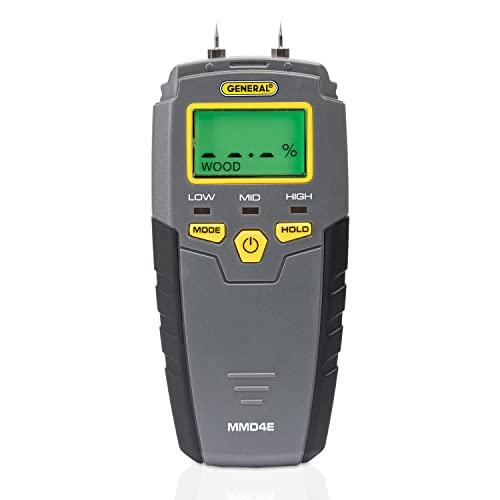
HUMIDITY SENSOR: Our handy meter tool can quickly determine what level of remediation is needed to keep your family safe from black mold. High levels of dampness that go untreated are the leading cause of harmful fungus growth in the home.
Seasonal Considerations for Deck Staining
While weather forecasting helps you avoid rain, seasonal timing determines whether your stain’ll actually cure properly. Fall emerges as your ideal window, offering stable temperatures between 50-90°F, lower humidity below 50%, and wood adequately dried from summer heat for deeper penetration.
Spring presents workable conditions but risks sudden showers disrupting curing. Summer’s intense UV exposure and frequent thunderstorms complicate applications despite warm temperatures. Winter remains completely unsuitable—freezing temperatures halt curing entirely. Most deck stain brands recommend waiting 12-24 hours after rain before applying stain to ensure optimal adhesion and curing.
Your seasonal preparation strategy should align staining techniques with each season’s characteristics. Clean and sand during fall’s moderate conditions for best results. Monitor late-fall cold snaps preventing proper curing before winter arrives. Early summer works if you manage UV exposure carefully and maintain weather vigilance throughout your project timeline. Consider pairing your deck project with versatile outdoor structures like pergolas to create cohesive backyard spaces that enhance your property’s functionality and aesthetic appeal.

REMOVES TOUGH STAINS: Quickly eliminates stains caused by food, drink, grease, cooking oil and more
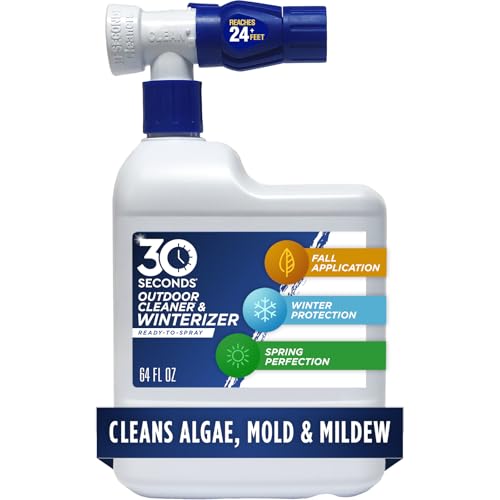
SPRAY IN THE FALL, PROTECT ALL WINTER: Shields your outdoor surfaces from stains and weathering all season long - no hose or rinse needed
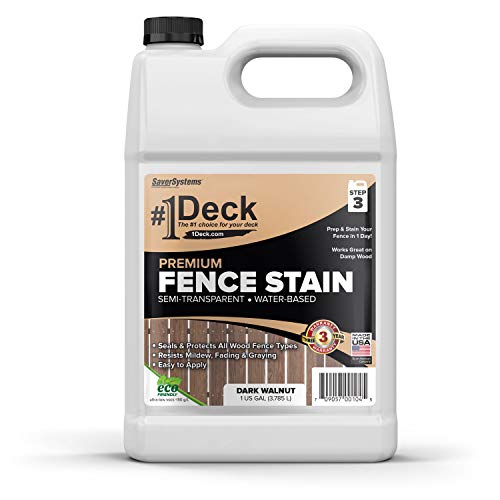
PROTECTS AGAINST COLOR FADE AND PREVENTS GRAYING - #1 Deck Protects Wood From Damage Caused By Exposure to the Elements. Can Be Used On Pressure Treated Pine, Cedar, Fir, Redwood, or Most Other Softwoods. Hardwoods Will Require More Frequent Maintenance Coats