The Best Way to Stain the Underside of Your Deck
To stain your deck’s underside effectively, you’ll start by sanding rough areas with 60-80 grit sandpaper and cleaning thoroughly with a wood cleaner. Apply water-based or oil-based stain using a roller in small sections, working bottom-up to control drips. Back-brush for even coverage and prevent lap marks. Choose semi-transparent or solid stains based on your protection needs. Allow 24-72 hours for drying depending on stain type. The complete process involves specific preparation steps and maintenance strategies that’ll guarantee long-lasting protection.
Why Staining Your Deck’s Underside Matters
Five critical reasons justify the effort and expense of staining your deck’s underside. First, you’ll gain protective benefits by creating a moisture-resistant barrier that prevents wood swelling, rot, and decay. Second, staining shields structural elements from UV damage and weathering, extending your deck’s lifespan considerably. Third, you’ll protect against mold, mildew, and insect infestation that thrive in damp environments. Fourth, staining delivers aesthetic enhancements by enriching wood grain and color, particularly important for visible undersides on elevated decks. Fifth, a sealed underside maintains a uniform, professional appearance rather than showing weathered, flaky surfaces. Additionally, proper deck construction with appropriate joist spacing ensures that stain application reaches all structural elements effectively. However, verify breathable stain products prevent moisture entrapment. Proper technique balances protection with allowing wood to breathe, minimizing rot risk while maximizing durability and visual appeal. Allow adequate drying time between coats to ensure proper adhesion and complete curing of the stain.
Choosing the Right Stain Type for Underneath Areas
Now that you understand why protecting your deck’s underside matters, you’ll need to select the right stain type to achieve those protective benefits. You’ll find three main options based on stain transparency: semi-transparent, semi-solid, and solid stains.
Semi-transparent stains offer color enhancement while preserving wood grain visibility—ideal if your underside remains visible. Semi-solid stains provide moderate coverage with partial grain show, balancing protection and aesthetics. Solid stains deliver maximum protection and durability, lasting 3-5 years, making them excellent for disguising imperfections.
Consider your climate too. Oil-based stains resist water damage effectively in damp, shaded areas, though they require longer drying times. Water-based stains dry faster and offer mildew resistance, beneficial for humid environments beneath decks. Before committing to a full application, consider testing stain color on a small, inconspicuous area of your deck’s underside to ensure satisfaction with the final appearance. For best results, ensure proper application techniques such as using quality applicators and maintaining a wet edge to achieve an even, long-lasting finish that protects your deck effectively.

INDUSTRY'S MOST POWERFUL OIL STAIN LIFTING FORMULA: Chomp! Pull It Out uses a deep penetrating formula to lift stains from porous flooring surfaces like concrete and brick. It is effective on oil or petroleum-based stains (transmission fluid, brake fluid, etc. ) commonly found on concrete and paver driveways, garage floors, parking lots, and drive-through lanes.

Oil-based formulas available

Preparing Your Deck Underside for Staining
Before you apply stain to your deck’s underside, you’ll need to prepare the surface properly—this step determines whether your stain adheres evenly and lasts as long as intended. Start with a thorough deck inspection to identify damaged or splintered areas. Sand rough spots with 60-80 grit sandpaper, then remove all dust with a vacuum or tack cloth. Next, clean the surface with a specialized wood cleaner, allowing it to sit per manufacturer instructions before scrubbing and rinsing thoroughly. For stubborn residues like mildew or old stain buildup on the underside, consider using pressure washing to ensure complete removal before the wood cleaner application. Testing your stain color on a small patch of the underside first will help you confirm the final appearance before full application. Allow 2-3 days for complete drying—wood should feel dry to the touch, not damp. Your surface preparation guarantees ideal stain absorption and consistent color coverage throughout the underside.

Makes 20 gallons

POWERFUL DECK CLEANER & MILDEW REMOVER – This deck cleaner and mildew remover is a professional-grade deck cleaning solution, effectively eliminating black and green stains, mold, and built-up grime on wood and composite surfaces.

DECK AND PATIO WASH: Home Armor Deck & Patio Wash lifts stains from dirt and grime to keep decks and patios looking great over their lifespan.
Effective Application Methods and Techniques
Once you’ve prepared your deck’s underside, you’ll want to master the right application methods to achieve an even, professional-looking finish. Start with roller techniques by applying stain gently and evenly, pressing firmer as it begins drying for better penetration. Work in small sections—3-4 boards at a time—to maintain wet edges and prevent lap marks. Follow immediately with effective back brushing, which smooths streaks and removes puddles, especially essential on textured surfaces. This combination prevents uneven color and buildup. For hard-to-reach areas, consider an HVLP sprayer, then back-brush immediately after spraying to eliminate runs. Always stain from bottom up to control drips, and use drop cloths underneath to catch excess while maintaining cleaner application throughout. Before applying stain, ensure the wood has been treated with wood brightener to restore its natural pH balance and improve stain adhesion. Proper preparation ensures stain penetrates well and your finish will last significantly longer than if you skip critical cleaning steps.
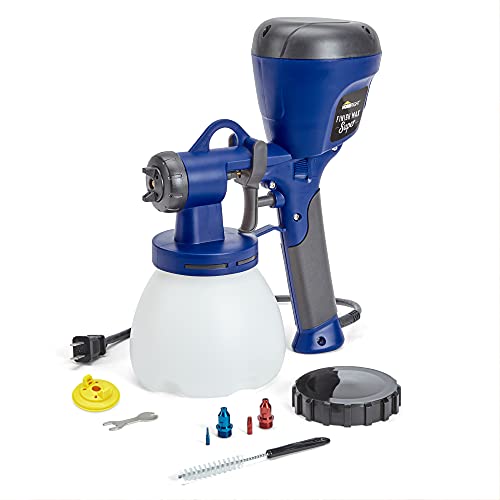
Life changing paint sprayer: this paint sprayer requires less thinning compared to finish max or other hand-held paint sprayers

HVLP STAIN SPRAYER FOR DECKS, FENCES & OUTDOOR PROJECTS – The Wagner Control Spray QX2 HVLP stain sprayer applies coatings up to 2X faster than a brush, making it easy to stain decks, fences, lattice, outdoor furniture, pergolas, and other small to medium-sized projects

【Ultra-Smooth Finish Without Brush Marks】 – Powered by an efficient 1000W HVLP motor, this paint sprayer atomizes paint into an ultra-fine, even mist. Eliminate streaks, roller marks, and loose bristles, making it simple to achieve a smooth, professional-grade finish on kitchen cabinets, interior doors, accent walls, and patio furniture.
Drying and Curing Your Stained Surfaces
How quickly your stained deck becomes ready for use depends entirely on the stain type you’ve selected and the conditions surrounding your application. Water-based stains dry to the touch in 1-6 hours, while oil-based varieties need 12-24 hours. Solid color stains require 48-72 hours due to their thicker consistency.
Understanding drying factors is critical. Warm, sunny weather between 70-85°F accelerates the process, but humidity above 70% greatly extends drying time. Temperatures below 50°F slow drying considerably. Before applying stain, ensure the deck surface is completely dry after cleaning to prevent moisture interference.
For curing times, you’ll need 24-48 hours before light foot traffic on water-based applications. Oil-based stains require 24-72 hours for maximum durability. Hold off on furniture placement and heavy traffic until full curing completes. A 24-hour dry weather window guarantees proper adhesion without moisture interference. Different stain types vary widely in their chemical composition, which directly impacts how they cure and their final durability on your deck surface.
Long-Term Maintenance and Protection Strategies
Your deck’s longevity depends on establishing a proactive maintenance schedule that addresses cleaning, inspection, and timely touch-ups before minor issues escalate into costly repairs. Conduct seasonal inspections to identify peeling, discoloration, or mold growth early. Perform water beading tests quarterly to gauge stain effectiveness—soaking indicates you’ll need restaining soon. Most decks require restaining every 2-3 years, depending on climate and weather exposure. Schedule annual cleanings with mild wood cleaner solutions to remove pollen and biological growth. Before restaining, ensure the deck is completely dry and sand the surface with medium-grit sandpaper to open the wood pores for better stain penetration. Address exposed wood spots immediately with targeted touch-ups using thin, multiple coats rather than heavy applications to ensure the stain penetrates properly and doesn’t pool on the surface. Between major treatments, monitor for loose nails, splintering, and scratches. This systematic approach prevents the “patchwork quilt” appearance and stops progressive decay cycles before they demand full restoration.
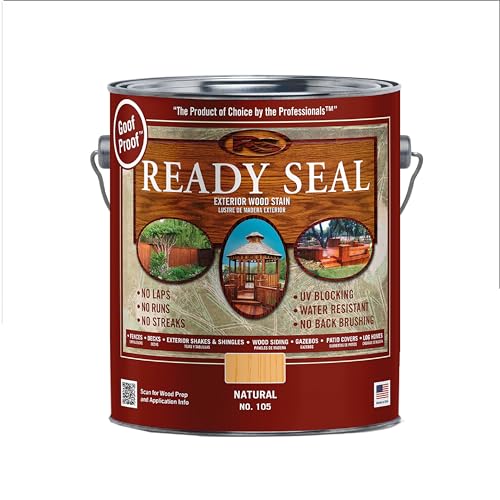
NO LAPS, RUNS OR STREAKS: Goof Proof formula with no back brushing required; ideal for exterior wood projects

READY-TO-USE DECK STAIN & SEALER: Olympic WaterGuard woodland cedar semi-transparent wood stain and sealant combines color and waterproofing in one water-based, ready-mix coat.
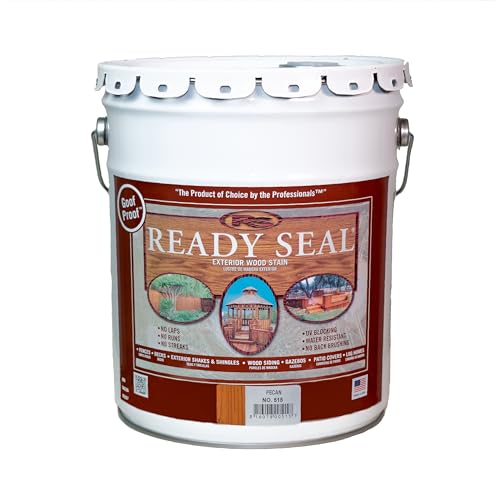
NO LAPS, RUNS OR STREAKS: Goof Proof formula with no back brushing required; ideal for exterior wood projects