The Ultimate Guide to Deck Painting and Staining
You’ll transform your weathered deck by mastering preparation, stain selection, and application techniques. Start with thorough cleaning and moisture assessment, then choose your stain type—solid stains last 5–10 years, while semi-transparent options need reapplication every 2–3 years. Use quality brushes or rollers, apply two coats within ideal temperature ranges (50–80°F), and maintain biannual cleaning schedules. This foundation sets you up for professional results and extended deck longevity that’ll surprise you.
Preparing Your Deck for Stain Application
You’ll need to address four critical preparation areas before applying stain to your deck. First, perform thorough deck cleaning by removing dust, dirt, and debris with a stiff-bristle brush or blower. Apply a specialized wood cleaner with a pump sprayer, then rinse completely and allow 24–72 hours for drying.
Second, conduct a moisture assessment using a water droplet test; if water absorbs quickly, your deck is ready. Verify that ambient temperatures fall between 50–90°F and avoid staining during direct sunlight or before forecasted rain. Ensure at least 24 hours of dry, mild weather follows your preparation to allow optimal stain absorption and drying.
Third, inspect for loose wood fibers and sand with medium-grit sandpaper as needed. For weathered decks, consider using power washing or sanding to remove old peeling stain before smoothing rough patches. For decks showing signs of damage or deterioration, you should address any structural issues through deck inspection and repair before proceeding with stain application. Finally, test your stain on an inconspicuous area to confirm color compatibility and performance before full application.

DECK AND PATIO WASH: Home Armor Deck & Patio Wash lifts stains from dirt and grime to keep decks and patios looking great over their lifespan.

POWERFUL DECK CLEANER & MILDEW REMOVER – This deck cleaner and mildew remover is a professional-grade deck cleaning solution, effectively eliminating black and green stains, mold, and built-up grime on wood and composite surfaces.

POWERFUL DECK CLEANER & MILDEW REMOVER – This deck cleaner and mildew remover is a professional-grade deck cleaning solution, effectively eliminating black and green stains, mold, and built-up grime on wood and composite surfaces.
Understanding Stain Types and Finishes
Once your deck’s surface is clean, dry, and properly prepared, selecting the right stain becomes your next critical step. You’ll encounter four transparency levels: transparent stains showcase wood grain on quality wood, semi-transparent stains balance color with visibility, semi-solid stains mask imperfections while revealing texture, and solid stains deliver complete coverage with maximum protection.
Your color selection and finish sheen depend on wood type and climate. Cedar and redwood suit semi-transparent applications, while pressure-treated pine performs better with solid stains. You’ll also choose between oil-based stains, which penetrate deeper but require longer drying times, and water-based options, which dry faster with lower VOC emissions and superior color retention. Oil-based stains provide rich color and durability while promoting easier maintenance with less peeling over time.
Solid stains typically last up to five years or more, making them an excellent long-term investment for decks requiring extended protection. These decisions directly impact durability, maintenance frequency, and aesthetic results.

Use on railings, furniture, trim, boats (above the waterline)

WATERPROOFING STAIN – Bring out the beauty of your outdoor wood with Thompson’s WaterSeal Semi-Transparent Waterproofing Wood Stain. Along with adding lightly tinted color, it’s a deck sealer that prevents water damage to help you maintain your outdoor living spaces.
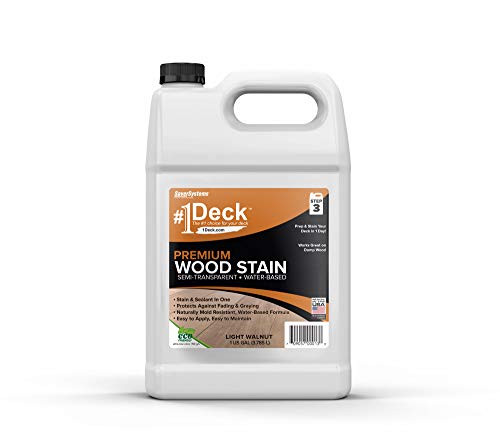
SEMI-TRANSPARENT WOOD STAIN: Enhance your deck or fence with a semi-transparent finish that lets natural wood grain show through. Perfect for decks, fences, and siding to preserve beauty.
Selecting the Right Tools for the Job
How you apply stain matters as much as which stain you choose. Your brush types greatly impact results—natural bristles work best for oil-based stains on dense hardwoods, while synthetic bristles excel with water-based formulas. Foam and detailing brushes provide precision in tight spaces and ornate areas.
Roller options offer speed and efficiency. A 9-inch roller with 3/8-inch nap combined with back-brushing delivers even coverage twice as fast as brushing alone. Extension poles eliminate fatigue and enable standing application.
For maximum efficiency, consider sprayers. They complete deck staining in minutes with uniform finishes and minimal marks, though they require overspray protection measures. When using a sprayer, maintain 50% overlap on each pass to ensure consistent coverage across all deck sections. Testing the sprayer on scrap wood before applying it to your deck helps you fine-tune pressure and spray patterns for optimal results.
Ultimately, combine methods strategically—rolling followed by back-brushing balances speed with control.

Our no-shed microfiber roller covers ensure a perfect paint or stain finish for stunning results.

Reusable and Designed to prevent dripping and pooling for even coverage and accuracy

Proprietary golden yellow fabric provides exceptional capacity with all flat or satin paints stains and waterproofing
Mastering Application Techniques
Proper application transforms quality stain into a professional-looking finish. You’ll achieve best results by working with the grain, maintaining a wet edge to prevent lap marks, and applying stain in long, smooth strokes across two or three boards at a time.
Advanced techniques like back-brushing after spraying guarantee even penetration and a polished appearance. Using extension poles reduces strain while improving reach and control.
Common mistakes include working against the grain, allowing edges to dry before overlapping, and neglecting to stir stain continuously. Inconsistent mixing causes pigment separation and uneven color distribution.
Apply two coats for maximum protection and durability. Allow the first coat to dry completely—typically one to two hours—before applying the second. Inspect for missed spots between applications to confirm uniform coverage and lasting results. Selecting the proper stain type based on your climate and desired finish ensures optimal performance. Environmental conditions such as temperature and humidity significantly impact drying time and stain performance, so plan your application accordingly.

Bates deck stain brush features a 7.5-inch width for expansive and even application, ideal for efficiently staining decks, fences, and other large wooden areas.

Versatile Size Collection: Our paint brush set includes three sizes (4-inch, 5-inch, and 6-inch), perfect for using as a limewash brush, deck stain brush, or masonry brush for large-scale projects.

Ultimate Deck Stain brush Kit: Comes with 7" deck stain brush with long handle, 3" small paint brush. Together they are perfect for various staining projects, big or small. Large deck stain brush features with 6" width for expansive and even application, long handle for fast, efficient coverage of exterior decking
Timing Your Project: Weather and Temperature Considerations
Even with flawless application techniques, you’ll compromise your results if you don’t account for environmental conditions. Temperature fluctuations dramatically impact stain performance—you’ll need 50°F to 80°F for ideal results, with older decks requiring minimums above 50°F. Cold temperatures cause water-based stains to dry slowly, weakening wood adhesion, while excessive heat accelerates drying and prevents proper penetration.
Humidity between 40% and 70% guarantees correct paint setting and durability. High humidity traps moisture between layers, causing peeling weeks later. Low humidity dries paint too rapidly, creating cracks. Proper drying time between coats is equally critical to prevent uneven absorption and other application issues.
Employ seasonal strategies by targeting late spring and early fall, which offer stable weather patterns. You’ll need dry conditions 24 to 48 hours before and after application. Avoid direct midday sunlight, which causes flash drying and uneven results. Testing your stain color on a small patch first allows you to verify how environmental conditions will affect your final finish before committing to the entire deck.
Achieving Professional Results With Multiple Coats
While environmental conditions set the stage for successful deck finishing, the application technique itself determines whether you’ll achieve professional-grade results. You’ll need multiple coats—typically two—to attain uniform coverage and durability. Apply thin layers rather than one thick coat to prevent drips and uneven drying. Use backrolling and cross-rolling techniques to work paint into wood grain and eliminate visible marks. Maintain consistent stroke pressure and paint loading across all sections. Allow each coat to fully dry per manufacturer specifications before sanding lightly with fine-grit sandpaper. Clean debris thoroughly before applying the next coat. For darker colors or porous surfaces, you may require additional applications. Ensure temperatures remain stable for 1–2 days after application to allow proper curing and penetration of the stain. When staining wood railings with metal components, use penetrating wood stain applied carefully with a brush to avoid contact with metal balusters. Quality brushes and rollers designed for deck products guarantee the best finish and ease of application throughout the process.
Protecting Your Investment Through Regular Maintenance
Once you’ve invested in professional deck finishing, maintaining that investment becomes critical to preserving both its appearance and structural integrity. Establish a maintenance schedule that includes cleaning your deck twice yearly to prevent mold and mildew buildup. Schedule annual deck inspections to catch loose fasteners, moisture damage, or joist problems early. For traditional wood decks, plan resealing every 1–2 years, or every 3–4 years for composite materials. Monitor your deck’s condition closely—if water no longer beads on the surface or stain appears faded, reapplication is necessary. The lifespan of your deck stain depends on factors such as UV exposure and moisture, which can significantly affect how quickly resealing becomes necessary. When resealing, ensure you apply thin, even coats with proper technique to maintain optimal protection. Address cracks, splinters, or rotting wood immediately. These proactive steps extend your deck’s lifespan to 15–25 years while preventing costly repairs and ensuring long-term safety and functionality.
Comparing Durability and Longevity of Different Stain Options
Selecting the right stain type directly impacts how often you’ll need to refinish your deck and how well it’ll withstand environmental stress. Solid stains deliver the longest stain lifespan, lasting 5–10 years with reapplication every five years depending on climate. They provide maximum wood protection against moisture, UV rays, mold, and mildew, though they hide wood grain and may chip if film builds up.
Semi-transparent stains offer moderate durability, lasting 2–3 years on horizontal surfaces and 4–6 years vertically. They balance appearance with protection while allowing grain visibility.
Transparent stains provide minimal protection and last only one year, making them unsuitable for long-term durability needs. Woods with moderate natural resistance to decay, such as beech, require more frequent refinishing and protection when used outdoors.
Consider your deck’s sun exposure, moisture levels, and traffic patterns when choosing. Oil-based formulations generally outperform water-based options in penetration and durability. Proper preparation through cleaning and sanding the deck surface ensures that your chosen stain adheres evenly and performs at its maximum potential lifespan.

READY-TO-USE DECK STAIN & SEALER: Olympic WaterGuard woodland cedar semi-transparent wood stain and sealant combines color and waterproofing in one water-based, ready-mix coat.
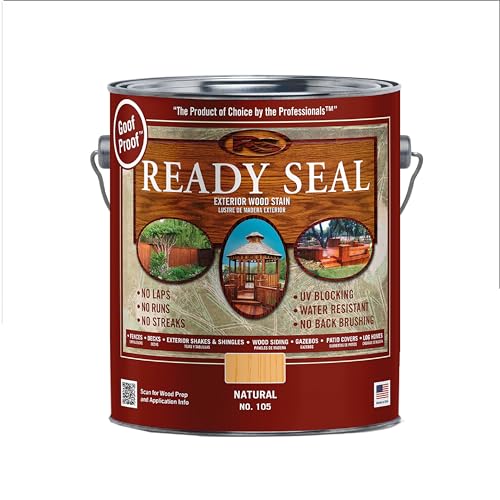
NO LAPS, RUNS OR STREAKS: Goof Proof formula with no back brushing required; ideal for exterior wood projects

READY-TO-USE DECK STAIN & SEALER: Olympic WaterGuard acorn brown semi-transparent wood stain and sealant combines color and waterproofing in one water-based, ready-mix coat.