How Long Does Deck Stain Last? A Complete Guide
You’ll get 2 to 5 years of protection from most deck stains, though your specific timeline depends on several critical factors. Oil-based stains last 2–5 years, while water-based options fade in 1–2 years. Solid stains offer maximum durability at up to 5 years. Your wood type, climate, sun exposure, and maintenance habits dramatically influence longevity. Darker stains resist UV damage better than lighter tones. Regular inspections and timely reapplication keep your deck protected. Understanding how each variable impacts your deck’s finish will help you maximize protection.
Understanding Stain Types and Their Lifespans
Because deck stains don’t all perform equally, you’ll want to understand how different formulations affect your deck’s protection timeline. Oil-based stains penetrate deeply into wood fibers, lasting 2 to 5 years on horizontal surfaces. Water-based options dry faster but typically last only 1 to 2 years due to surface-level stain absorption rates. Solid stains offer superior longevity—up to 5 years—by forming a protective paint-like layer that blocks UV damage and fading. Semi-transparent stains balance aesthetics with durability, lasting 2 to 3 years while allowing grain visibility. Oil-based stains tend to require less frequent maintenance compared to water-based alternatives, which may need reapplication sooner despite their faster drying time. To ensure even pigment distribution and optimal performance, stir oil-based stain thoroughly before application. Stain color impact matters too; darker shades provide better UV protection than lighter tones. Your choice determines not just appearance but maintenance frequency and overall deck lifespan.

NO LAPS, RUNS OR STREAKS: Goof Proof formula with no back brushing required; ideal for exterior wood projects

NO LAPS, RUNS OR STREAKS: Goof Proof formula with no back brushing required; ideal for exterior wood projects
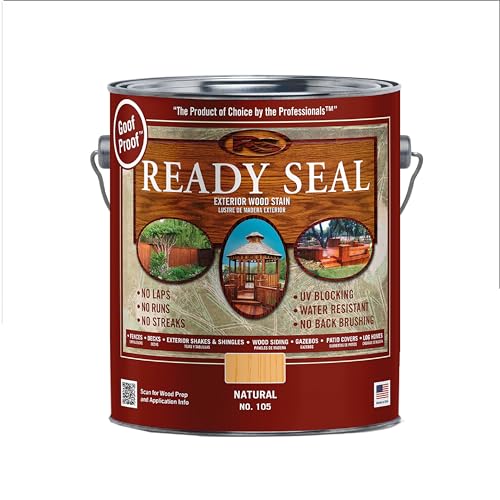
NO LAPS, RUNS OR STREAKS: Goof Proof formula with no back brushing required; ideal for exterior wood projects
How Sun Exposure Affects Deck Stain Durability
While you’ve selected a quality stain for your deck, sun exposure remains one of the most crucial threats to its longevity. UV degradation accelerates color fading and wood deterioration through constant radiation exposure. Your deck’s orientation matters greatly—south and west-facing surfaces experience faster UV degradation due to increased sun intensity during peak hours.
Without shade structures, your stain breaks down more rapidly. UV inhibitors in quality stains block harmful rays before they damage wood fibers, but protection isn’t permanent. Transparent stains last only 1–2 years, while semi-transparent options extend to 2–3 years and solid stains reach 4–5 years.
Your maintenance frequency directly impacts durability. Reapply stain every 2–3 years to maintain protective measures against UV degradation. Regular inspection and cleaning prevent accelerated breakdown, ensuring your deck resists weathering and maintains structural integrity longer. Properly spaced fasteners and secure fastening methods also contribute to your deck’s overall longevity by preventing board warping and movement that can compromise the stain’s protective barrier. Selecting stains with mildew-resistant formulas provides additional protection against moisture-related degradation that compounds UV damage over time.
Weather Conditions and Their Impact on Stain Longevity
Beyond UV exposure, weather conditions play an equally critical role in determining how long your deck stain remains protective. Moisture impact directly weakens stain bonds—frequent rain or snow exposure causes wood to swell and shrink, leading to cracking and peeling. You’ll need resealing every one to two years in high-precipitation areas.
Temperature extremes pose equal challenges. Applying stain below 50°F results in poor adhesion, while temperatures above 90°F cause premature drying and uneven finishes. Rapid day-night fluctuations stress both wood and stain, accelerating deterioration.
Humidity between 30–50% provides ideal curing conditions. Higher humidity slows drying and encourages mildew, while lower levels cause stain to dry too quickly, reducing penetration.
Schedule staining during spring or early fall, ensuring no rain for 24–48 hours post-application. Avoid applying stain during periods of high humidity or temperature extremes as these conditions significantly impact the curing process and final protective quality. Stable weather conditions for several days afterward maximize stain durability. Maintaining proper application techniques during favorable weather windows ensures your stain cures completely and bonds effectively to the wood surface.

READY-TO-USE DECK STAIN & SEALER: Olympic WaterGuard woodland cedar semi-transparent wood stain and sealant combines color and waterproofing in one water-based, ready-mix coat.

ONE‑COAT PROTECTION: Oil‑base formula seals and protects exterior wood surfaces in a single coat, delivering strong defense against water and UV exposure

NO LAPS, RUNS OR STREAKS: Goof Proof formula with no back brushing required; ideal for exterior wood projects
The Role of Foot Traffic in Stain Wear
Your deck’s stain doesn’t wear uniformly—foot traffic creates predictable failure patterns that differ greatly from the weathering you’d see on a rarely used surface. High-traffic areas like stairs and main pathways experience accelerated stain degradation because foot traffic breaks down protective coatings faster than UV exposure alone. Horizontal surfaces suffer compounded damage from both constant stepping and standing water accumulation, requiring more frequent touch-ups than vertical railings.
You’ll notice wear intensifies in specific zones where people naturally walk. Dragging furniture and heavy planters across deck floors amplifies this deterioration. Using felt pads under furniture and avoiding pressure washing considerably extends your stain’s lifespan. Applying waterproof sealant or stain to high-traffic areas provides enhanced protection against the combined effects of moisture and foot wear. To maintain optimal protection, prepare your deck surface thoroughly with a wood brightener before reapplying stain in worn areas. Schedule spring inspections to catch early wear before it spreads, addressing problem areas promptly to maintain consistent protection across your entire deck.
Inspection Schedules for Different Wood Surfaces
Regular inspection schedules differ greatly across wood types because each material responds distinctly to environmental stressors and wear patterns. You’ll want to conduct wood type inspections annually for pressure-treated pine, cedar, redwood, composite, and softwood decks, examining for fading, mold, splitting, and water absorption. Exotic hardwoods require inspections every six to twelve months due to their sensitivity to moisture and sun exposure.
Staining seasonal considerations matter considerably—inspect horizontal surfaces more frequently during peak sun months when UV damage accelerates fading. Check shaded or damp areas year-round for mildew growth. You should evaluate water absorption rates to determine restaining needs and look for peeling or flaking that indicates compromised protective coatings. Implementing thorough preparation steps such as cleaning and sanding before restaining ensures your protective coating adheres evenly and performs optimally. This proactive approach guarantees your deck stain maintains ideal performance across seasons.
Cleaning and Maintenance Best Practices
Proper deck maintenance starts with establishing a strategic cleaning routine that maximizes stain adhesion and longevity. You’ll want to clean your deck at least once yearly, ideally in spring after winter weather passes. Clean immediately following heavy storms or high pollen periods to prevent buildup.
For cleaning methods, use a pressure washer on low settings to avoid wood damage, or employ soft washing for stubborn grime and mildew. Apply biodegradable deck cleaners that’re safe for plants and pets, then scrub with a stiff brush to remove dirt from the wood grain. Rinsing thoroughly to eliminate all cleaning residue prevents residue or film buildup that can interfere with stain performance. Rinse thoroughly to eliminate all cleaning residue.
After cleaning, allow your deck 24–48 hours to dry completely before applying stain or sealer. This drying period proves critical for proper product adhesion. Ensuring low humidity and stable temperatures during this drying window will further enhance the stain’s penetration and curing process.

Professional concentrate cleans decks, siding, driveways, and patios - perfect for homeowners preparing for BBQs, real estate agents staging homes, or contractors finishing jobs.

Cleans Cleans decks, Fences and other outdoor structures such as pergolas, gazebos and carports
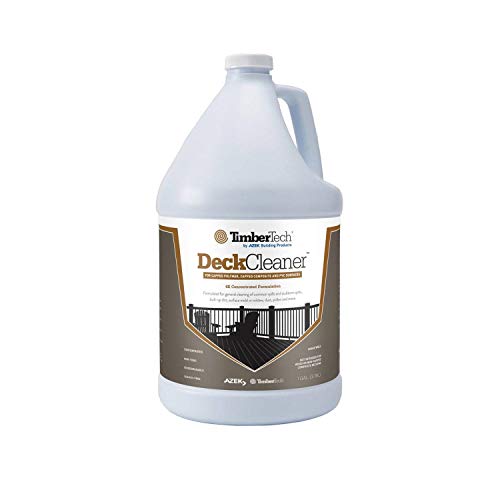
Versatile - works well for cleaning an entire deck or for spot treatment on stubborn spills and stains.
Key Signs Your Deck Needs Restaining
Because deck stain degrades gradually over time, recognizing early warning signs helps you address problems before they become costly structural issues. You should watch for several deck stain indicators that signal protective coating failure. Water that pools rather than beads up shows your stain’s moisture-repelling capability has diminished. Fading, chalking, or peeling surfaces expose wood to UV damage and rot. Splintering boards, soft wood texture, or visible mold growth indicate advanced deterioration requiring immediate attention. Color variance between shaded and sun-exposed areas confirms uneven stain breakdown. Proper preparation using quality deck cleaner before restaining ensures new stain adheres properly and provides maximum protection against these issues.
Most deck stains last only 2-3 years, especially in high-traffic areas. If you can’t recall your last staining application, your deck likely needs restaining. Establishing a restaining frequency based on this timeline prevents structural damage and extends your deck’s lifespan considerably.
Proper Application and Drying Techniques
To achieve a durable, even finish that’ll protect your deck for years, you’ll need to master both preparation and application methods. Apply stain along the wood grain using consistent pressure, dividing your deck into manageable sections while maintaining a wet edge to prevent visible boundaries. Whether you’re brushing, rolling, or spraying, back-brush immediately afterward to work stain deeply into the wood. For drying tips, allow 1 to 2 hours between coats, checking for tackiness before recoating. Stain during cooler daylight hours or in shade to control absorption rates and prevent lap marks. High humidity and low temperatures extend drying times, while heat accelerates it—increasing blotching risk. Avoid windy or rainy conditions that compromise application quality and create uneven results.

Bates deck stain brush features a 7.5-inch width for expansive and even application, ideal for efficiently staining decks, fences, and other large wooden areas.

Bates deck stain brush set includes 2 high-quality brushes designed specifically for staining decks and other large wood surfaces.

SIMPLICITY MEETS EFFICIENCY - Our deck stain brush is easy to use with fast application of paints or stains. Just attach it to any standard extension pole for an easy, seamless experience that makes deck staining a breeze for DIYers and professionals alike. Our deck stain applicator works great on wood and concrete.
Wood Type Matters: Longevity Comparison
While mastering application techniques gets your stain on the deck, the wood species beneath determines how long that finish will actually hold up. Wood porosity directly impacts stain absorption and longevity. Pressure-treated pine‘s high porosity means you’ll get 2-3 years of protection, while denser hardwoods like ipe stretch that to 3-5 years. Cedar and mahogany offer moderate durability at 2-4 years when you use semi-transparent stains that showcase their natural beauty. Douglas fir performs similarly at 2-4 years with oil-based products. The key difference: hardwoods’ lower porosity requires specialized penetrating stains for ideal results, whereas softer woods absorb stain readily but demand more frequent reapplication to maintain protection and appearance.

Wood stain especially formulated to penetrate dense hardwoods

Specially formulated for dense hardwoods like Ipe, Mahogany, Teak, and other exotic species

RICH EVEN COLOR – Minwax Wood Finish is a deep penetrating, oil-based wood stain that provides beautiful color and enhances the natural wood grain in one coat. It’s perfect for interior staining projects such as wood furniture, cabinets, doors and more.
Extending Your Deck Stain’s Lifespan
You’ll dramatically extend your deck stain’s longevity by investing in high-quality products and committing to strategic maintenance. Professional-grade stains with UV blockers and mildew resistance deliver superior durability compared to cheaper alternatives.
Proper surface preparation proves critical—power wash your deck thoroughly before stain application to remove dirt and debris. Work in sections during application, ensuring even coverage with small brushes between boards. Follow manufacturer instructions precisely for drying times and coat requirements. Most stains require at least four hours of drying time between coats to avoid issues like uneven absorption or peeling. Testing your stain color on a small patch first helps ensure you achieve the desired final appearance before committing to full application.
Between restaining cycles, implement strategic cleaning with mild detergent and water solutions. Annual power washing prevents buildup that compromises protection. Conduct periodic inspections to identify fading or peeling early.
These proactive steps justify higher initial costs through extended intervals between applications, ultimately reducing long-term maintenance expenses and preserving your deck’s appearance and structural integrity.