
How to Build a Pergola With Fire Pit and Swings
You’ll need to select a level area 5+ feet larger than your structure, dig post holes 24–36 inches deep, and pour concrete for stability. Install 2×6 rafters at 16-inch spacing, maintaining 21 feet of vertical clearance above a 30–60 inch fire pit. Position swings securely to the pergola frame using heavy-duty hardware, ensuring 10 feet of horizontal clearance from the pit to all structures. Use corrosion-resistant materials throughout and verify local building codes before starting. The complete guide ahead covers each component in greater detail.
Planning and Site Preparation
Before you break ground on your pergola project, you’ll need to select a level area approximately 5 feet larger than the structure in every direction—roughly 25 feet across total—that offers adequate clearance from buildings, trees, and overhead obstacles. Your site evaluation should assess ground conditions for proper drainage and stable post installation, ensuring accessibility for power augers and construction machinery.
Next, prepare your workspace by removing vegetation, debris, and surface obstructions. Grade the designated area to create a level surface suitable for structural installation. Inspect soil composition and compaction for stability. Clear the full 25-foot diameter to allow equipment movement and material staging. Document existing grade elevations to determine if fill or excavation is necessary, then assemble hand tools, mark your center reference point, and organize materials for efficient access. Consider planning for future lighting enhancements by identifying optimal locations for overhead obstacles that might support string light installation.
Post Installation and Foundation
Now that you’ve prepared your site, you’ll set the pergola’s posts—the critical structural foundation that’ll support your entire overhead structure, swings, and fire pit integration. Dig holes at least one-third the above-ground post height, typically 24–36 inches deep per local code requirements. Create a gravel base for drainage, then position posts in holes slightly wider than their diameter. Pour two 60 lb concrete bags per hole, ensuring proper coverage and stability. Concrete curing requires a minimum 48 hours before applying any structural load. Use a plumb bob and level to verify vertical alignment, adjusting with shims as needed. For maximum stability and longevity, consider using heavy-duty post base brackets to anchor your posts securely to the concrete footings. After the concrete has fully cured, inspect the posts for any damage or splintering that may require surface preparation before finishing. Maintain 3–5 feet clearance between posts and your fire pit for safety compliance. Temporary bracing keeps posts upright during the curing process.
Beam Assembly and Structural Support
With your posts cured and properly aligned, you’re ready to assemble the beams that’ll distribute weight across your structure and support the overhead framework. Start by installing 2×8 or 2×10 headers using lag screws and structural brackets at post junctions. Space headers 8–12 feet apart to match your post layout. Install 2×6 rafters perpendicular to headers, maintaining 16-inch center-to-center spacing for code compliance. Add 7/8×3″ purlins across rafters for your overhead lattice. Ascertain beam reinforcement through stainless steel fasteners and consider structural aluminum inserts for hollow beams. Use notched connections and double-board bracing to enhance structural integrity. Pre-drill all holes and maintain snug fastener fits throughout assembly for prime weight distribution and durability. The material you choose for your beams will impact both cost and longevity, with aluminum pergolas offering an affordable alternative to traditional wood options. For overhead lattice sections, consider hidden fastener systems to maintain a seamless aesthetic appearance while ensuring secure connections without visible hardware.

INDUSTRIAL-GRADE DURABILITY: Crafted from carbon steel, LIONMAX wood screws withstand heavy loads and resist bending or shearing, providing rock-solid stability in wood structures like decks, sheds, or outdoor furniture

Packaging size: 91PCS #8 x 2"-inch structural wood screws, including T25 star drive drill bit. These heavy-duty wood screws are compatible with T25 drill bits for easy installation.

Quantity & Size: You will get 1lb box (approx. 97pcs screws) #8 x 2" lag screws construction wood screws, black, a T25 star bit
Fire Pit Sizing and Specifications
Once you’ve completed your pergola’s structural framework, you’ll need to determine the fire pit dimensions that’ll complement your outdoor space and accommodate your intended use. Consider your group size when selecting fire pit diameter: small pits (30–36 inches) suit 2–4 people, medium pits (36–44 inches) accommodate 4–6 people, and large pits (44–60 inches) work for groups exceeding six. Your seating arrangements depend on available space and comfort preferences. For height, choose 12–14 inches for comfortable foot placement or 18–20 inches if you want multipurpose seating functionality. Maintain minimum six feet of clearance around your fire pit for safety. When installing your pergola structure, use proper fastening techniques to ensure the framework remains secure and durable throughout the installation process. Ensure your pergola framework uses corrosion-resistant fasteners to withstand the heat exposure and moisture from the fire pit area. These fire pit dimensions guarantee both functionality and compliance with safety standards within your pergola design.

[3 IN 1]: OutVue fire pit is equipped with 2 cooking grills, 1 lid and tabletop. When you fix grills and tabletop to the fire pit, you can enjoy the roast and bonfire. When it not make fire and cover the lid, you will get a 36 inch round table to have a meal or coffee for 6-8 persons. OutVue provide a wood fire pit has 3 functions: bonfire, barbecue and table, which can be used all year for your garden, yard, patio. This's also a very thoughtful gift to friends.

3-in-1 Fire Pit: EcoNook outdoor fire pit can provide inviting warmth for your patio, yard, or garden, also be used as an outdoor BBQ to cook food or as an ice bucket to keep beverages cold. When you enjoy the bonfire, you also get a 36-inch fire pit table to have a coffee for 5-8 people at same time,bigger than others.EcoNook wood burning fire pit is also a practical gift for friends and family. (Please note that BBQ grate is not included).
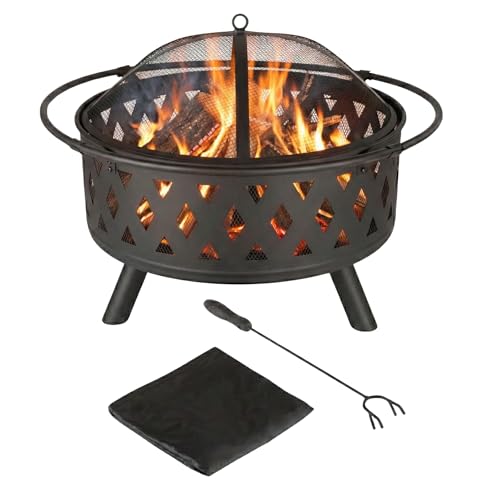
OUTDOOR FIRE PIT - Create lasting memories with family and friends while enjoying a cozy fire with the patio fire pit. This small fire pit is an ideal blend of modern design and natural elements with its beautiful cross-weave pattern cutouts.
Pergola Safety and Clearances Over Fire Pit
Since combining a fire pit with a pergola introduces significant fire hazards, you’ll need to prioritize safety clearances and structural considerations before proceeding with installation. You must maintain clearance dimensions that vary based on fire pit type: wood-burning pits require 21 feet vertical clearance, while gas models need 7 feet minimum. You should establish 10 feet horizontal clearance from the pit to any structure or combustible material. Your safety guidelines demand non-combustible pergola materials like aluminum or treated steel. You’ll place the fire pit on non-flammable surfaces such as concrete or stone, never on grass or wood. You must install heat-resistant barriers around the pit base and keep fire extinguishers readily accessible. Always consult local fire codes and obtain necessary permits before construction.
Swing Installation and Hanging Components
You’ll need to carefully select and install swings that’ll complement your pergola’s structural capabilities while maintaining the safety standards established for fire pit clearances.
Choose swing materials like cedar, recycled plastic, or metal rated for 250-500 lbs. Install blocking directly above your swing location to reinforce beams using 4-inch timber screws. Attach swing hangers or eye bolts to this reinforcement, then hang chains or ropes rated for UV resistance and outdoor use.
Use corrosion-resistant hardware—galvanized steel or stainless steel S-hooks and carabiners—for secure attachment. Standard swings require two attachment points; larger swings need four. Position the swing at comfortable seating height with adequate ground clearance.
Test stability thoroughly before use. Inspect all components regularly for wear, tightening hardware periodically. When inspecting hardware and attachment points, ensure you’re working in well-ventilated areas and wearing appropriate protective gear to safely handle any corrosion or debris from metal components. Never exceed manufacturer weight limits. Remove or secure swings during storms to maintain swing safety and structural integrity. For additional cushioning and comfort on your swings, consider using outdoor-friendly tie materials that resist fading and fraying to secure any cushions in place.

✔Silent smooth design: the use of "load thrust bearing" parts, with wear - resistant, heat - resistant, anti - aging.More flexible and quiet 180° swing!

PREMIUM QUALITY: All swing hardware made of SUS304 food grade stainless steel of 100% permanent antirust, industrial built high quality swingset hangers, perfect swing set brackets for all indoors or outdoors wood beam, steel beam, including porch swing set, swinging chair, Yoga swing, hammock chair, suspension trainer, olympic rings, gymnastics set, gym rings, chair gym, gym swing, sandbag swing, punching bags etc
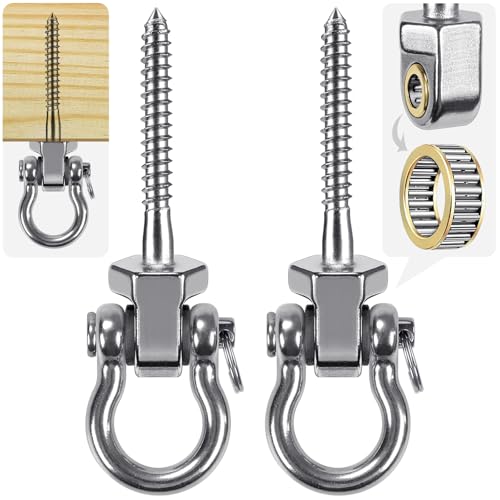
High-Quality Stainless Steel for Endurance: Crafted from SUS304 food-grade stainless steel, these heavy-duty swing hooks resist harsh weather conditions and ensure durability for long-term outdoor and indoor use. Perfect for porch swing hardware and other applications
Finishing Touches and Maintenance
Proper maintenance guarantees your pergola and fire pit remain structurally sound and safe for years of enjoyment. For pergola maintenance, inspect beams regularly for structural integrity and apply protective covers during storms. Clean surfaces consistently to prevent ash and soot buildup. Ensure your pergola’s foundation remains level and that all posts stay plumb and square to maintain long-term stability.
Your fire pit care routine should include emptying the interior with a shovel and allowing it to dry completely for two to three days after wet cleaning. Use mild soap and warm water with a soft brush on surfaces. Wipe the fire pit dry immediately after cleaning to prevent rust formation, then apply a protective oil layer to steel surfaces. If your fire pit includes seating areas or steps with four or more risers, ensure handrails are properly installed according to local safety codes.
Schedule professional inspections for gas connections biweekly. Disconnect the gas line before maintenance and check all pipes and hoses for damage.
Design Considerations for Your Space
Where should you position your pergola to maximize both functionality and safety? Start by selecting a level area at least 5 feet larger than your structure in every direction. Position it away from overhanging branches, power lines, and nearby structures to minimize fire hazards.
For aesthetic integration, align your pergola to frame your best views and position the open side toward afternoon sun for ideal shade during peak hours. Center the fire pit beneath the structure, maintaining at least 10 feet clearance from combustibles. Consider adding string lights above the pergola to create ambiance during evening gatherings.
Your functional features should prioritize easy access and flow between the pergola, fire pit, and seating areas. After installation, protect your wood pergola with a clear sealer to preserve its natural appearance while safeguarding against moisture and UV damage. Verify local building codes and setback requirements before installation. These design considerations establish a safe, visually appealing outdoor space.

12 pcs Accessory Set: Our fire pit pan burner kit comes with a 4ft extended connection hose and a 4.4ft propane regulator hose, igniter, and valve, all certified by CSA for safety. No need for additional purchases, this comprehensive set is ready to use right out of the box.
12 pcs Accessory Set: Our fire pit pan burner kit comes with a 4ft extended connection hose and a 4.4ft propane regulator hose, igniter, and valve, all certified by CSA for safety. No need for additional purchases, this comprehensive set is ready to use right out of the box.

SIZE OF THE FIRE PIT PAN: Fire pit pan size: 48*14*2 inches, 44"H burner, the button on the igniter panel can easily ignite the fuel, the key valve on the panel can control the size of the flame and ensure that the gas will not leak when not in use.
Troubleshooting Common Installation Issues
Even with meticulous planning, installation challenges commonly arise that can compromise your pergola’s structural integrity and safety. You’ll need to address alignment adjustments if posts aren’t perfectly plumb, as misalignment prevents even weight distribution and causes wobbling under load. Use temporary braces and re-measure carefully to correct out-of-square conditions.
Drainage solutions become critical if you’re installing on uneven terrain or low-lying areas prone to water pooling. Consider concrete piers with adjustable fasteners or slab foundations to level your site properly. Additionally, verify that your concrete foundation cures for at least 24 hours before removing braces, and inspect all fasteners regularly—loose bolts and screws compromise stability, particularly during wind exposure. Replace damaged hardware immediately to maintain structural safety. Before beginning installation, consult your local building department to ensure your pergola design complies with applicable regulations. Following local building codes will help ensure your installation meets safety standards and performs reliably over time.