Standard Heights for Pergolas: What You Need to Know
You’ll find that standard residential pergola heights range from 7.5 to 12 feet, with 8 feet being most common for ideal stability and comfort. Minimum clearance should reach 7 to 7.5 feet to avoid restricting movement. Heights of 9 to 10 feet accommodate furniture and accessories better, while taller structures—10 to 12 feet—suit two-story homes and enhance ventilation. Your choice depends on pergola type, climate zone, and intended use. Understanding how these factors interact reveals the full picture for your specific installation.
Standard Height Range for Residential Pergolas
When you’re planning a residential pergola, you’ll want to take into account that standard heights typically range from 7.5 to 12 feet, with 8 to 10 feet being most common. The most popular height is 8 feet, balancing stability, comfort, and aesthetics effectively.
You should maintain minimum clearance around 7 to 7.5 feet to guarantee comfortable headroom and prevent a cramped feeling. Heights under 7 feet restrict movement and create discomfort for taller residents and guests.
For pergola height considerations, you’ll find that taller structures—up to 12 feet—provide superior air circulation and accommodate accessories like ceiling fans and lighting. Aesthetic height alignment with your home’s architecture matters considerably. Attached pergolas typically align with house eaves at 7.5 to 9 feet, while freestanding designs offer greater flexibility, ranging from 8 to 10 feet depending on your landscape and design preferences.

An Elegant Awning: Our outdoor pergola features a stylish scrolling wave design, and charming frame flourishes. Great for the patio, create an excellent place for pool side picnics, or backyard barbeques.

Premium Quality Material:Crafted from durable steel and coated with a corrosion-resistant black powder finish, our pergola brackets offer unmatched durability and longevity. The high-grade steel construction ensures reliable performance in any weather condition, while the sleek black powder coating adds a stylish touch to your outdoor space. Invest in quality materials that not only enhance the aesthetics of your pergola but also provide long-term protection against rust and corrosion, ensuring years of enjoyment and peace of mind.

Effortless Installation: Our easy-to-follow guides, detailed manuals, and step-by-step video tutorials ensure a smooth setup. Moreover, our expert technical team is available for remote assistance at your convenience.
Height Variations by Pergola Type
Because your pergola’s design fundamentally determines its structural capabilities and functional performance, understanding how type-specific variations affect height is essential to your planning process. Flat roofs maintain consistent 10-12 foot heights, while gabled variations reach peak heights of 10-13 feet, creating dramatic architectural effects. Arched benefits include classical styling at 11-13 feet with elegant appearance. Shed roofs accommodate water runoff at 10-12 feet on the high side. Your roof style selection directly impacts minimum clearance requirements and maximum structural capabilities. These variations influence both aesthetic proportions and functional performance, so you’ll need to evaluate which design best suits your specific installation location and environmental conditions before finalizing your height specifications. For longer pergola spans, considering engineered lumber options like LVL can help ensure your structure maintains proper support and durability. Just as proper surface preparation is critical when restoring outdoor structures, selecting the right pergola height ensures your installation will provide lasting durability and visual appeal.
Functional Considerations for Comfortable Use
While pergola type establishes your structure’s fundamental design parameters, functional considerations determine whether you’ll actually enjoy using the space day after day. You’ll want to prioritize accessibility factors that enhance your user experience. A 9 to 10-foot height accommodates comfortable movement around furniture and prevents head obstruction during daily activities. If you’re installing overhead accessories like ceiling fans or motorized components, you’ll need 10 to 12 feet for proper clearance. For dining and lounging areas, maintain minimum 7 to 8 feet so standing adults move freely without constraint. Deck pergolas at 9 to 10 feet match typical indoor ceilings, creating seamless interior-exterior continuity. Consider your specific activities—integrated swings demand additional vertical space beyond standard recommendations. When maintaining your pergola structure, use specialized sanding tools to keep the wood surfaces in optimal condition between boards. Beyond functional dimensions, thoughtfully chosen pergolas with climbing plant support enhance your garden’s visual appeal while extending your outdoor living area. This data-driven approach guarantees your pergola functions effectively for intended use.

Enjoy an all-day overhead breeze with Pergola Breeze 5-blade portable electric ceiling fan available in four colors

[Plug & Play Installation]:This outdoor ceiling fan with light for patios doesn't require any complicated wiring. Just plug it in and hang it up! It is also equipped with a 9.8-foot power cord. You can easily move the outdoor fan with light to your patio, pergola, veranda or porch within a few minutes.

【28 Inch Outdoor Ceiling Fan with Light and Remote】Our portable hanging fan easily installs on most ceilings or gazebos using the included hook and screws.
Climate and Location Factors Affecting Height
Your pergola’s ideal height depends greatly on your climate and geographic location, as these factors directly influence comfort, safety, and structural performance.
In humid Southern regions, you’ll benefit from taller pergolas (10–12 feet) that enhance air circulation and humidity management. Conversely, coastal areas demand lower, more stable structures to resist salt spray and strong winds. Desert climates favor taller designs for maximized shade and ventilation during extreme heat.
Wind resistance becomes critical in storm-prone zones, requiring stronger anchoring for taller pergolas. You’ll find that lower structures (7.5–8 feet) offer superior stability in windy regions. Cold climates demand deeper foundations (2–3 feet) and reinforced posts to handle snow loads.
Check local building codes before construction, as many areas restrict heights to 10–12 feet without permits. Since failing to obtain the necessary permits can lead to complications in future property sales, it’s essential to verify requirements with your local building department. Temperate zones accommodate standard heights (8–10 feet) for balanced performance. Once your pergola is built, plan for finishing with proper materials, as coverage rates for wood stain vary based on your structure’s surface area and the number of coats you apply.

Upgrage 3-Way Right Corner Brackets: Our Grehitk pergola brackets are extended 3-Way right angle corner bracket. It has enhanced the stability of the pergola, even in inclement weather. The 4x4 pergola brackets post features weather-proof performance and a stable frame, so you do not have to worry about the attack and damage to storms and wind.
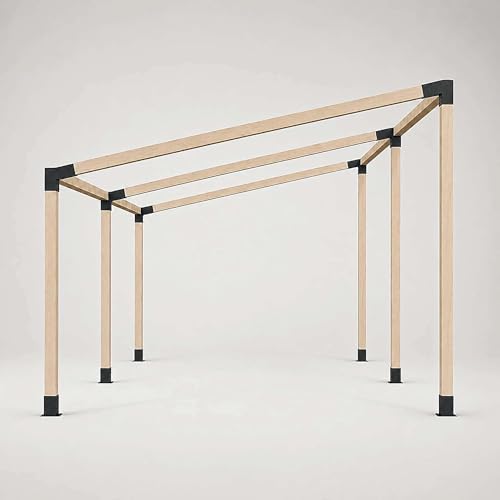
Premium 2.5mm Reinforced Steel Construction:Crafted from upgraded 2.5mm thick galvanized steel (thicker and stronger than standard 2mm market brackets), these pergola brackets deliver enhanced structural integrity and long-term durability. The extended 5.9-inch design provides greater support surface and improved weight distribution, ensuring a more stable and secure pergola structure for heavy-duty outdoor projects.

Engineered for USA Climates - ORIGLE pergola brackets are crafted with heavy-duty, corrosion-resistant steel and a premium black powder coating to withstand harsh weather conditions. Designed to snugly fit 4x4 post brackets (actual inner dimension: 3.58"x3.58"), these brackets eliminate gaps and ensure a rock-solid hold for your pergola’s structural integrity. Ideal for pergola kit projects in gardens, patios, or backyard retreats.
Design and Aesthetic Impact on Height Selection
Beyond the practical constraints of climate and building codes, a pergola’s height fundamentally shapes how it integrates with your home’s visual environment. You’ll achieve aesthetic harmony by applying the golden ratio—setting height at approximately 1.6 times your ground-level space. For single-story homes or compact yards, 8-10 feet creates visual balance; larger properties accommodate 10-12 feet proportionally. Design principles demand that you align pergola height with your home’s roofline and architectural style. Lower heights (8-9 feet) foster intimate atmospheres and suit traditional homes, while taller structures (10-12 feet) accentuate vertical lines in contemporary designs. You must also guarantee adequate clearance for doors and windows. In the UK, freestanding pergolas can reach up to 3 metres high if positioned more than 2 metres from a boundary, though local regulations may vary. When constructing your pergola, consider using hidden fasteners to maintain clean sight lines and preserve the visual integrity of your design. Strategic height selection prevents your pergola from appearing imposing or disconnected from your landscape’s overall composition.
Industry Standards and Safety Recommendations
Once you’ve determined your pergola’s aesthetic requirements, you’ll need to align your design with established safety standards and building codes that govern residential structures. The industry recommends a minimum height of 8.5 feet to guarantee safe clearance for all users while maintaining structural integrity. Most residential pergolas measure between 8 to 12 feet, with 8 to 9 feet providing the best balance between functionality and visual appeal.
Your choice of pergola materials and installation methods directly impacts height compliance. Structures exceeding 10 feet typically trigger permit requirements in most jurisdictions. You’ll want to verify local zoning ordinances, as regulations vary greatly by region. Attached pergolas should align with your house eaves, typically ranging from 7.5 to 9 feet. Just as proper surface preparation ensures long-lasting results in outdoor wood projects, selecting quality materials and following installation guidelines will extend your pergola’s lifespan and performance. For materials exposed to varying weather conditions, consider options that offer UV ray resistance and breathability to prevent moisture-related damage. Consulting building codes before finalizing your design prevents costly modifications and promotes user safety.
Clearance Requirements for Accessories and Fixtures
While your pergola’s overall height establishes the structural foundation, the fixtures and accessories you install within that space demand their own clearance specifications to confirm safety and peak performance.
Your fixture selection directly impacts accessory placement requirements. Ceiling fans need 18 inches minimum clearance from beams and must sit 7 feet above flooring. Pendant lights require 7-foot heights, while recessed lights need 6-inch beam clearance. Infrared heaters demand 36-inch clearance from combustibles and 7-foot overhead spacing.
Privacy screens require 2-inch beam separation for airflow and 6-inch ground clearance. Shade cloths need 6-inch positioning below beams and 12-inch ground distance to prevent pooling.
You must consult manufacturer specifications for each accessory, as dimensions vary by model. Prioritize non-combustible materials near heat sources and verify electrical wiring follows approved safety channels throughout installation.

SOLAR POWERED: This solar chandelier outdoor features an efficient solar panel and rechargeable battery system for wireless outdoor lighting without electrical connections

Works Both Day & Night: Unlike traditional solar light, these solar porch lights are not limited to nighttime use. They can operate both during the day and night, providing a continuous and sustainable lighting solution. Select the all-day working modes when you need lighting in dark shed during the day. Or enjoy convenient operation with the dusk to dawn auto modes. Bring together the beauty of rustic aesthetics and cutting-edge technology for an ambiance that stands out both day and night!

【Exquisite Hand-Crafted】This battery operated hanging light boasts hand-crafted shades, meticulously woven with copper wire through 48 golden beads, creating rich texture and a warm, inviting glow. Each piece, a unique fusion of Moroccan and Bohemian aesthetics, adds a touch of sophistication to any outdoor setting
Local Regulations and Permit Requirements
After you’ve confirmed that your fixtures and accessories meet safety clearances, you’ll need to verify that your pergola itself complies with local regulations—a requirement that varies greatly based on size, height, and location. Most California jurisdictions exempt structures under 120 sq. ft. from building permits, though exemptions don’t override zoning laws or setback requirements. If your pergola exceeds this threshold or reaches heights over 10 feet, you’ll likely need a permit. Local building codes may mandate structural compliance, fire safety standards, and accessibility requirements. In bushfire-prone areas, non-combustible materials may be required if your pergola is within 5 metres of a house. Attached pergolas or those with solid roofs typically face stricter scrutiny. Additionally, zoning laws dictate maximum heights—often capped at 15 feet—and minimum distances from property lines. When planning your pergola’s span, be sure to understand 2×12 beam capabilities to ensure your structure meets local building codes without requiring intermediate supports. Check your specific jurisdiction’s ordinances before construction begins.
Choosing the Right Height for Your Space
Because your pergola’s height fundamentally determines its functionality, aesthetic impact, and structural viability, you’ll need to analyze multiple interdependent factors before finalizing your design. Start by assessing your garden’s dimensions—expansive yards accommodate taller structures, while compact patios require modest profiles. Consider your home’s architecture; single-story residences pair well with 8-10 feet heights, whereas two-story houses can support 10-12 feet without appearing disproportionate. Evaluate intended activities: dining areas need 7-8 feet clearance minimum, while walkways require 8-9 feet. Account for climate conditions—windy regions benefit from lower heights for stability, while hot climates accommodate taller pergolas for enhanced airflow. Just as UV rays and moisture protection are critical considerations when selecting deck stains for longevity, structural durability should guide your pergola height decisions. Keep in mind that rafter spacing standards will also influence your pergola’s structural capacity at your chosen height. Ultimately, your design functionality and aesthetic cohesion depend on balancing these competing variables systematically.

【Stainless Steel BuildBuilt from premium stainless steel with a full black powder-coated finish, these roof support brackets offer exceptional material strength and solid, stable support for rooftop installations. The rigid construction resists corrosion and oxidation while enduring rain, humidity, temperature changes, and tough outdoor conditions, maintaining reliable performance and a clean, professional look over time.

【Durable and Sturdy】The roof riserbrackets kit is constructed from premium metal materials with precision welding techniques. Its surface features a black powder coating for rust resistance and longevity, ensuring years of use without frequent replacement. It adapts perfectly to various outdoor climates.

【Heavy-Duty & Weather-Resistant Design】Crafted from high-strength steel with a durable black powder coating, these roof riser brackets withstand rust, corrosion, and extreme weather (wind/snow). Perfect for long-term outdoor use on patios, gazebo, or pergola