How Much Wood Stain Do You Need For a Pergola?
You’ll typically need 2–4 gallons of wood stain for a standard pergola, depending on your structure’s dimensions and wood type. Calculate your total surface area by measuring rafters, beams, posts, and decorative elements, then multiply by your stain’s coverage rate—usually 200–400 sq ft per gallon for water-based products or 125–200 sq ft for oil-based formulas. Factor in two coats and add a 10–15% buffer for waste. Your specific requirements vary greatly based on wood porosity, climate conditions, and application technique.
Understanding Coverage Rates Per Gallon
When you’re calculating how much wood stain you’ll need for your pergola, coverage rate—typically measured in square feet per gallon—is your starting point. Different stain types deliver varying coverage levels. Water-based stains typically cover 200 to 400 square feet per gallon on the first coat, while oil-based stains cover 125 to 200 square feet. Transparent and semi-transparent stains generally cover 150 to 250 square feet per gallon.
Consulting coverage charts from manufacturers helps you make accurate estimates. Solid color stains cover 200 to 400 square feet per gallon initially. Keep in mind that second coats usually cover more area than first coats since the wood has already absorbed initial stain. Always check your product’s label for precise coverage specifications, as rates vary by brand and formulation. Plan your application schedule to allow for proper drying times between coats to ensure optimal adhesion and finish quality. For a maintenance-free alternative, consider recycled polyethylene lumber which requires no staining and resists fading and weather damage year-round.

READY-TO-USE DECK STAIN & SEALER: Olympic WaterGuard woodland cedar semi-transparent wood stain and sealant combines color and waterproofing in one water-based, ready-mix coat.

Water-based wood stain creates rich, even color in 1 coat on most surfaces

Water-based wood stain creates rich, even color in 1 coat on most surfaces
Determining Your Pergola Size and Stain Requirements
Before you can calculate your stain requirements, you’ll need to determine your pergola’s exact dimensions and the total surface area you’re planning to stain. Measure your pergola’s length, width, and height accurately. Standard sizes range from 8×8 feet for compact spaces to 20×20 feet or larger for expansive yards. Calculate the combined surface area of all visible components—rafters (typically 2″x6″ to 2″x8″), beams (2″x8″ or larger), and posts (4×4 or larger). Pergola shapes and decorative elements like latticework add additional staining surface. A well-stained pergola enhances your outdoor aesthetics while protecting the wood from weathering and extending your living space year-round. Once you’ve determined total square footage, you can apply coverage rate guidelines (200-400 square feet per gallon) to estimate stain quantity needed. Add 10-15% extra for multiple coats and variable wood absorption, ensuring your outdoor aesthetics receive complete, professional coverage. For older or weathered pergolas, consider whether solid stains would provide superior protection and durability compared to semi-transparent options.

NO LAPS, RUNS OR STREAKS: Goof Proof formula with no back brushing required; ideal for exterior wood projects

NO LAPS, RUNS OR STREAKS: Goof Proof formula with no back brushing required; ideal for exterior wood projects
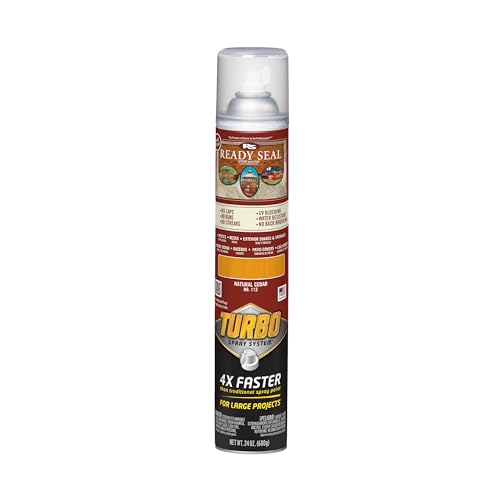
NO LAPS, RUNS OR STREAKS: Goof Proof, oil-based formula now equipped with the powerful Turbo Spray System; ideal for exterior wood projects
Key Factors That Influence Stain Consumption
Since wood type, climate, and application method vary greatly across projects, you’ll need to adjust your stain quantity calculations based on these specific conditions. Your wood species directly affects absorption rates—softer woods like pine demand more product than dense hardwoods. Cedar’s natural decay resistance may reduce your protective layer thickness requirements.
Environmental impacts heavily influence consumption. Humid climates require oil-based stains with deeper penetration, while water-based alternatives dry faster but need additional coats in moisture-prone regions. UV exposure intensity determines durability and reapplication frequency for full-sun pergolas. Similar to outdoor furniture protection, applying waterproofing sprays creates a protective barrier that enhances your stain’s longevity against moisture and UV damage. Proper surface preparation through sanding will improve stain adhesion and reduce the total volume needed for even coverage.
Color variations emerge based on stain type. Transparent formulations require strategic layering, whereas solid multi-pigmented stains offer superior coverage in single applications. Your application technique—whether brushing or rolling—affects penetration efficiency and total volume needed per coat.
Calculating the Total Amount of Stain Needed
Accurately calculating your pergola’s stain requirements begins with a thorough surface measurement that accounts for every exposed element. You’ll measure flooring, rafters, beams, and posts, multiplying length by width for flat surfaces and height by width for vertical elements.
Once you’ve determined total square footage, multiply by the number of coats—typically two for ideal protection. Divide this figure by your stain’s coverage rate: 150-200 sq. ft. per gallon for the first coat, 200-300 sq. ft. for the second.
Account for surface preparation quality and stain absorption rates. Rough or aged wood absorbs more stain, reducing coverage. Before staining, ensure your pergola is clean, free of debris, and completely dry, usually requiring 24 to 48 hours of drying time after cleaning with a wood cleaner. Selecting the proper stain type—oil-based for deeper penetration and durability or water-based for faster drying—will also affect how much product you need based on your climate and desired finish. Add a 10-15% buffer for waste and touch-ups, then round up to the nearest gallon. Always consult the manufacturer’s specifications for precise application guidance.

READY-TO-USE DECK STAIN & SEALER: Olympic WaterGuard acorn brown semi-transparent wood stain and sealant combines color and waterproofing in one water-based, ready-mix coat.

【PROFESSIONAL-GRADE WEATHER PROTECTION】 Provides outstanding weather resistance, effectively resisting harsh environmental factors such as rain, snow, and ultraviolet rays. The special flexible formula adapts to the thermal expansion and contraction of wood, preventing cracking and peeling.

WATERPROOFING STAIN – Bring out the beauty of your outdoor wood with Thompson’s WaterSeal Semi-Transparent Waterproofing Wood Stain. Along with adding lightly tinted color, it’s a deck sealer that prevents water damage to help you maintain your outdoor living spaces.
Brand-Specific Coverage Comparisons
While coverage rates generally fall within predictable ranges, the brand you select greatly impacts your actual stain consumption and project efficiency. Most semi-transparent formulas deliver 200–300 sq ft per gallon, but brand performance varies based on formula composition. Oil-based options like TWP 100 Pro Series and Armstrong-Clark penetrate deeper, potentially requiring less product overall. Water-based alternatives such as DEFY and Restore-A-Deck offer easier cleanup with comparable coverage factors. When staining wood surfaces with metal components, such as deck railings with metal balusters, careful application techniques help minimize product waste on non-absorbent metal surfaces. Semi-solid versions consistently cover 150–200 sq ft per gallon across brands, while solid formulas drop to 100–150 sq ft. Coverage factors also depend on wood porosity and surface condition—older, weathered wood demands more product than new wood. Professional staining typically ranges from labor costs of $1.75 to $4.50 per square foot depending on deck condition and preparation requirements. All manufacturers recommend two coats for ideal protection, which you’ll need to factor into your total calculations.
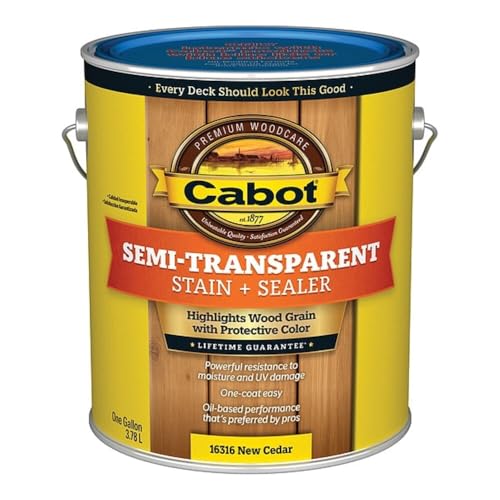
OIL-BASED WOOD STAIN - Cabot Semi-Transparent Stain + Wood Sealer is formulated to provide long lasting beauty and wood protection. The wood sealant highlights the grain of your wood with protective color.

NO LAPS, RUNS OR STREAKS: Goof Proof formula with no back brushing required; ideal for exterior wood projects

BRING AGED WOOD BACK TO LIFE: The contractor's choice for restoring weathered and gray wood after proper cleaning; this long-lasting, oil-based wood stain revives natural wood character while providing excellent performance on new wood surfaces
Accounting for Multiple Coats and Application Methods
When you’re estimating stain quantity for your pergola, the number of coats and your chosen application method will greatly shift your calculations from the baseline coverage rates. Two coats are typically recommended for uniform color and protection, with first coat coverage around 150-200 sq ft per gallon and second coat coverage improving to 200-300 sq ft per gallon. Your application techniques significantly impact consumption: brushing and rolling consume more stain than spraying due to absorption and waste, while wet-on-wet applications average 100-125 sq ft per gallon combined. Spraying reduces usage by roughly 10% compared to brushing. To prevent lap marks and ensure even coverage across your pergola, consider back-brushing your stain application after spraying or rolling. Proper surface preparation through sanding will help ensure the wood is ready to accept stain evenly and reduce overall consumption. Remember that rougher wood surfaces absorb more stain regardless of method, so prepare your pergola’s wood through sanding and brightening beforehand to minimize excessive stain absorption and optimize your material estimates.

NO LAPS, RUNS OR STREAKS: Goof Proof formula with no back brushing required; ideal for exterior wood projects

PROTECT WOOD - Cabot Wood Toned Stain + Sealer is specially formulated with a unique blend of resin and oil to provide a superior natural finish for bare wood. It’s a wood protector against the sun and weather elements.
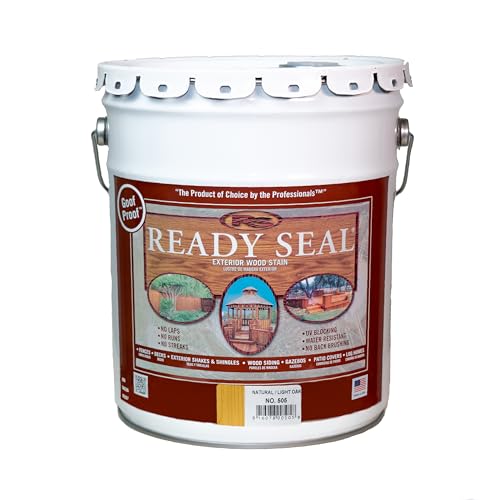
NO LAPS, RUNS OR STREAKS: Goof Proof formula with no back brushing required; ideal for exterior wood projects
Wood Condition and Type Considerations
The wood species you’ve chosen for your pergola will dramatically alter your stain consumption calculations because different woods absorb stain at vastly different rates. Softwoods like pine and cedar exhibit significant wood porosity effects, requiring pre-stain conditioner to prevent blotchy finishes and excessive absorption. Dense hardwoods such as maple present grain pattern challenges that demand more careful application to achieve uniform color.
You’ll need to adjust your stain quantity based on the wood’s natural undertones—pine’s yellow cast and red oak’s intensified hues affect how much pigment you’ll require. If your pergola combines multiple wood types, plan for varying absorption rates across different species. Applying pre-stain conditioner to porous woods reduces overall stain consumption while improving finish quality considerably. For outdoor pergolas, consider that tung oil offers superior water resistance and durability compared to traditional stains, providing long-lasting protection against weather exposure. To ensure the stain penetrates properly into the wood grain, particularly in gaps between boards, consider using a lamb’s wool applicator rather than a standard paint roller for better control and more effective absorption.
Best Practices for Accurate Stain Estimation
Accurate stain estimation requires you to measure all surfaces on your pergola systematically before calculating coverage needs. Use measurement techniques that account for every component—beams, rafters, posts, and crossbeams—including both vertical and horizontal surfaces. Break complex designs into simple geometric shapes for easier calculation.
Next, consider your chosen stain types and application method. Brush application typically uses less product than spraying, which can increase usage by 10–20% due to overspray. Most stain types require two coats: the first coat covers 150–200 sq ft per gallon, while the second covers 200–300 sq ft per gallon. Before applying stain, ensure the wood surface is properly prepared by cleaning and sanding to promote even absorption and adhesion. To achieve optimal results, maintain a wet edge while applying stain to prevent lap marks and ensure even absorption into the wood pores.
Finally, consult manufacturer guidelines and online calculators specific to your stain brand. Input your pergola dimensions and coat requirements for precise estimates. Always round up your final calculation to guarantee adequate product for touch-ups.