How to Attach Posts to Deck Joists for a Pergola
You’ll secure pergola posts directly over reinforced deck joists using ½” diameter lag bolts (minimum 6″ length) with pre-drilled pilot holes. Position posts where they transfer concentrated loads effectively through your deck’s structural system. Install rated metal connectors like post base brackets per local building codes. Apply flashing and weatherproof caulking around post bases to prevent water infiltration. Use temporary bracing to plumb each post vertically before final tightening. Following these code-compliant fastening techniques guarantees your installation withstands environmental stresses and maintains long-term structural integrity.
Assessing Your Deck’s Structural Capacity
Before you attach posts to your deck joists, you’ll need to assess whether your deck’s structural capacity can support the additional load. Start by determining your deck’s current load capacity, which typically combines dead loads (around 10 pounds per square foot for structural weight) and live loads (40 pounds per square foot for residential decks). Calculate your deck’s total capacity by multiplying the combined load rating by your deck’s total square footage.
Next, identify tributary areas—the zones where pergola posts will concentrate weight. Larger footing sizes distribute loads more effectively, reducing force concentration. The selection of appropriate joist sizing ensures your deck can safely handle concentrated loads from pergola posts. Like preparing a deck for solid color stains, proper structural preparation requires thorough assessment and planning before applying additional elements. Consult your deck’s original design specifications or perform calculations using the effective area method to verify that existing joists, beams, and footings can safely accommodate the pergola’s additional weight without exceeding structural limits.
Choosing the Right Hardware and Fasteners
Since your deck’s structural capacity now determines what your pergola can safely support, you’ll need to select fasteners and hardware that match both your pergola’s material and the loads you’ve calculated. Fastener types vary considerably: lag bolts and carriage bolts provide superior holding strength for ground-level joist connections, while structural screws offer enhanced holding power for load-bearing applications. Material compatibility matters critically—wood pergolas require HeadLOK screws, metal structures demand Cortex Driller fasteners, and PVC installations use Cortex Hidden systems. Your load considerations must account for combined pergola framing weight, crossbeams, and environmental stressors. Connector load ratings must exceed minimum requirements, especially in harsh weather conditions. Just as with fence construction, proper alignment and measurement ensure that your pergola attachment points distribute loads evenly across the deck joists. To maintain the longevity of your pergola installation, consider implementing regular maintenance practices to prevent material degradation and structural compromise over time. Always consult manufacturer specifications and follow code-compliant installation protocols to guarantee proper load capacity and weather resistance.
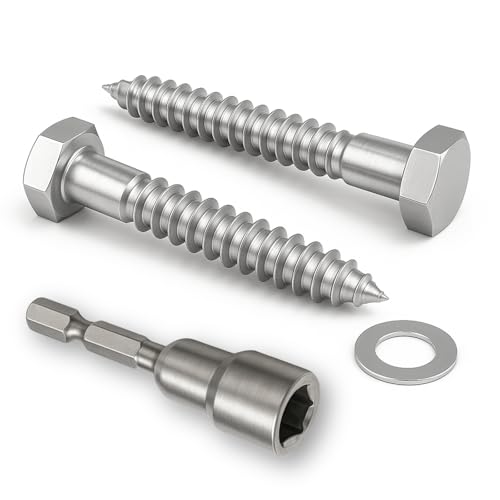
High-Quality 304 Stainless Steel: Corrosion-resistant stainless steel ensures long-lasting durability for outdoor and indoor projects.
304 Stainless Construction: Rust-resistant stainless steel ideal for outdoor use and light-to-medium duty projects.

Advanced Dacromet Coating: Long-lasting black finish with excellent corrosion resistance for outdoor and wet environments.
Preparing Your Deck Joists for Post Installation
Once you’ve selected your fasteners and hardware, you’ll need to inspect your deck joists thoroughly to confirm they can support your pergola’s weight. Begin your joist inspection by checking for rot, damage, or wear that might compromise structural integrity. Next, evaluate the load capacity of existing joists to determine if reinforcement is necessary. Remove decking boards where pergola posts will be installed, exposing the joists for secure mounting. Clean joist surfaces thoroughly, removing debris and weak material to confirm proper contact and fastening. Before installation, ensure any existing mold or mildew on joist surfaces is treated, as mold spores can compromise wood integrity over time. Finally, mark exact post locations on joists using a tape measure and pencil, establishing precise alignment for your layout. Ensure your deck joists are properly attached to the house with appropriate bolts or lag screws to maintain the structural integrity necessary for supporting additional pergola loads. This preparation work establishes the foundation for a stable, code-compliant pergola installation.
Reinforcing Your Deck Structure
Your deck’s ability to safely support a pergola depends directly on whether your existing joists can handle concentrated post loads without excessive deflection or structural failure. You’ll reinforce undersized joists through sistering joists—bolting identical or larger members alongside existing ones to increase load capacity. Combine sistering joists with blocking techniques by installing uniform blocking between members near post locations, which distributes loads and prevents lateral deflection.
You should also install rated metal connectors like joist hangers and post base brackets per manufacturer specifications using corrosion-resistant fasteners. For thorough reinforcement, consider adding support beams beneath joists at post locations, transferring loads directly to foundations designed per local building codes. You can supplement these mechanical methods with structural epoxy adhesives and steel reinforcement plates for undersized joists. Pre-drilling holes for structural screws prevents wood splitting when fastening posts through deck framing. Proper joinery techniques such as those used in outdoor furniture construction can further enhance the durability and load-bearing capacity of your pergola attachment points.

CARBON STEEL MATERIAL: Our black joist anchor connectors are crafted from high-quality carbon steel Q235B, featuring a black powder coating for enhanced durability and corrosion resistance. This ensures that the connectors maintain stable performance over time and extend their service life, even in harsh environmental conditions.

The 4x4 joist brackets are suitable for beam width actual size: 3.5", Nominal size 4'', Thickness: 16 Gauge

Material:The Post Caps Tie Bracket is made of high-quality carbon steel with black powder coating, rust-resistant, ensures reliable support in most weather
Positioning and Securing Pergola Posts
After you’ve reinforced your deck’s structural capacity, you’ll now position and secure the pergola posts at locations where they can transfer concentrated loads directly into the reinforced joists below. Mark exact post locations by measuring from reference points and transferring marks to the joists beneath your decking. Space posts evenly to guarantee balanced load distribution across your deck framing while maintaining clearance for stairs and railings. Plumb each post vertically before final tightening, using temporary 2×4 bracing to hold alignment. Bolt posts through decking into joists using 1/2″ diameter lag screws, minimum 6″ length. Pre-drill pilot holes to prevent splitting, similar to how hidden fastener systems reduce the risk of board splitting during installation. Install galvanized washers to distribute loads and prevent pull-through. Apply flashing and weatherproof caulking around post bases to protect against water infiltration and deck rot. Proper post spacing ensures that your pergola’s beam span capacity is not compromised by uneven load concentration on the underlying deck structure.

Application: Designed for heavy-duty construction projects requiring a strong, corrosion-resistant fastener for wood, concrete, or masonry.
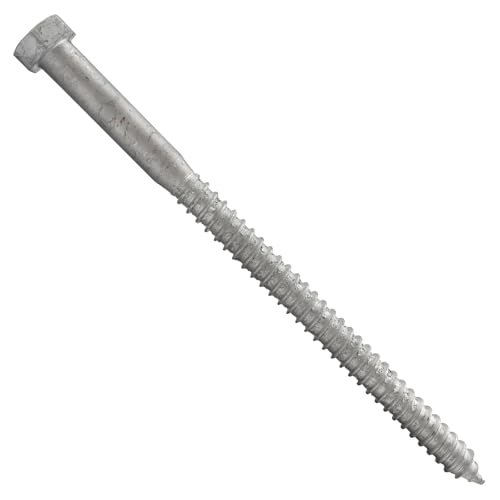
Type: Lag Screws | Diameter: 1/2 inch | Length: 8 inch | Threads Per Inch: 6 | Thread Type: Coarse | Material: Carbon Steel | Finish: Hot Dip Galvanized

Ensuring Proper Alignment and Stability
Three critical steps guarantee your pergola posts maintain proper alignment and structural stability: you’ll establish precise post locations using laser levels or string lines, verify squareness through diagonal measurements, and install appropriate structural hardware before final tightening. Mark positions with chalk lines for clear visual reference during installation.
Double-check post alignment after securing each post to prevent cumulative errors that compromise structural integrity. Install 45-degree diagonal bracing between posts and header beams to resist lateral movement and enhance stability, especially in wind-prone areas. Attach bracing with structural screws or bolts at both ends using pressure-treated or corrosion-resistant materials to ensure long-term durability and resistance to weathering and decay.
Utilize adjustable post bases for minor post alignment corrections after initial attachment, ensuring code compliance throughout the installation process. Before staining any exposed wood surfaces on your pergola, consider whether light sanding is necessary based on the deck’s condition and the type of stain product you’re using.

Material Of 4x4 Post Base: Made of Solid Steel, Black Powder Coated, Rustproof and Strong.
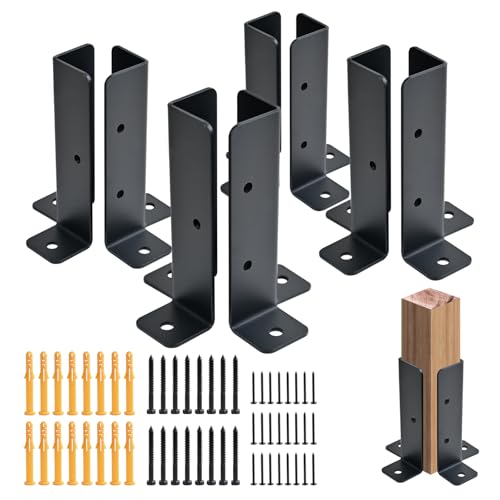
Adjustable Deck Post Anchor Base Brackets Size: 1.37in x 1.51in x 5in; Thickness: 2.8 mm, Hole diameter (2 types): φ0.25in (3 pcs),φ0.3in (2 pcs). Which accommodate different sizes of wooden columns, such as 1.5 "x1.5", 2 "x2", 2 "x4", 4 "x4" post, etc. Please check the size you need before purchasing

Heavy Duty Galvanized Steel: This 6x6 post base made from thick galvanized steel for reliable outdoor support. The rust-resistant coating helps protect the 6x6 post base from weather exposure, making it suitable for concrete foundations, decks, patios, pergolas, and gazebos.
Protecting Your Installation From Weather Damage
Since weather exposure represents one of the most significant threats to deck structural integrity, you’ll need to implement thorough protection strategies at post-to-joist connections and throughout your installation. Select weather resistant materials including treated lumber, composite decking, and stainless steel fasteners that resist moisture and corrosion. Modern treated lumber typically uses water-based preservatives like ACQ or Copper Azole to provide long-lasting protection against rot and decay. Apply outdoor-use sealants with UV protection at all connection points, reapplying per manufacturer guidelines. Install flashing materials at post bases to direct water away from vulnerable junctions. Implement effective moisture management by installing gutters and downspouts that channel runoff away from post footings. Grade landscaping to slope away from structural elements, preventing water pooling. Use concrete footings for posts to eliminate direct ground contact. These coordinated measures substantially extend your installation’s lifespan and maintain structural integrity. Secure all fasteners using corrosion-resistant fasteners to resist wind and load while ensuring your pergola roof withstands long-term weather exposure.

CAMO EdgeClips can be used with most wood, composite, capped composite and PVC grooved deck boards
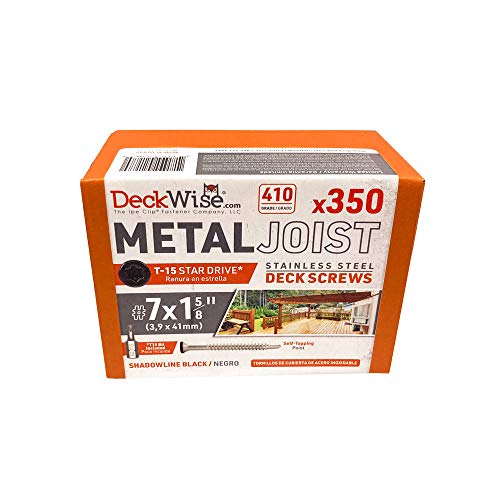
Deep T-15 star tip recess specially engineered head allows for less slipping and stripped heads

Deep T-15 star tip recess specially engineered head allows for less slipping and stripped heads