How to Stain Your Deck With Solid Color: A Complete Guide
You’ll start by thoroughly cleaning your deck, removing debris and mildew, then verify dryness with a water drop test. Solid color stains provide opaque, UV-protective finishes lasting three to five years. Apply thin, uniform coats along the wood grain using a paint pad or roller, maintaining a wet edge to prevent lap marks. Allow 24 hours between coats. Work from your farthest corner toward the exit, avoiding puddles and over-application. Ideal temperatures range from 50°F to 90°F with no rain forecasted. This foundational process sets up everything you’ll need for lasting results.
Deck Preparation
Before you can apply stain to your deck, you’ll need to thoroughly prepare the surface by removing all debris and cleaning away dirt, mildew, and oxidation that could prevent proper stain adhesion. Start by sweeping all leaves, dirt, and debris from the deck surface and between boards. Remove furniture, planters, and obstructions completely.
Next, perform a thorough surface inspection to identify loose nails or hardware that need removal. Apply a commercial wood cleaner using a pump sprayer, working in small sections to maintain wetness. Allow the solution to sit for 15–20 minutes before scrubbing with a stiff synthetic-bristle brush, following the wood grain.
Rinse thoroughly with a garden hose on low setting. Allow 24–48 hours for complete drying, then verify readiness using a water drop test. Sand any remaining rough spots before proceeding. For optimal stain adhesion and color results, consider applying a wood brightener to restore the wood’s natural pH balance after cleaning. Protecting surrounding areas like plants and furniture from overspray and splashing will help ensure a clean, professional appearance for your landscaping and outdoor spaces.

DECK AND PATIO WASH: Home Armor Deck & Patio Wash lifts stains from dirt and grime to keep decks and patios looking great over their lifespan.

CLEANS STAINS CAUSED BY ORGANIC GROWTH: 30 SECONDS Outdoor Cleaner rapid cleans stains caused by algae, mold, mildew and moss

POWERFUL DECK CLEANER & MILDEW REMOVER – This deck cleaner and mildew remover is a professional-grade deck cleaning solution, effectively eliminating black and green stains, mold, and built-up grime on wood and composite surfaces.
Understanding Solid Color Stain
Solid color stains are opaque, paint-like finishes that differ fundamentally from semi-transparent and clear stains in how they protect and transform your deck. They form a protective film on the wood surface rather than penetrating deeply into the fibers, hiding grain and imperfections effectively.
You’ll find two primary stain types available: water-based and oil-based formulations, each offering distinct drying times and maintenance requirements. Most solid color options contain UV-blocking pigments and mildewcides for enhanced weathering protection.
The film-forming nature creates a barrier against moisture, rot, and mildew, providing superior durability compared to transparent alternatives. You can expect a typical lifespan of three to five years depending on your climate and maintenance practices. Before applying solid color stain, thorough cleaning to remove dirt, mildew, and old coatings is essential to ensure proper adhesion and uniform coverage. Available in matte, satin, or semi-gloss finishes, solid stains deliver uniform color coverage across your deck surface. Proper application techniques such as maintaining a wet edge and applying thin, even coats following the wood grain will ensure a uniform, long-lasting finish that protects your deck effectively.
Selecting the Right Tools and Techniques
Now that you’ve selected your solid color stain, you’ll need to choose the appropriate application tools and techniques to achieve a professional, uniform finish across your deck surface. Your brush types matter greatly: natural bristles work best with oil-based stains, while synthetic bristles handle water-based products effectively. Foam brushes excel at detailed work and tight corners. For broader coverage, rollers deliver speed and consistency on flat surfaces, though they struggle with narrow gaps. Sprayers provide the fastest, most even application across complex deck components, though they require experience to prevent runs and overspray.
Regardless of tool selection, your application techniques determine finish quality. When using a sprayer, maintain a 50% overlap on each pass while working in manageable sections to ensure consistent coverage. Apply stain along the wood grain in manageable sections, maintaining wet edges to avoid lap marks. Before application, ensure your deck surface has been properly prepared through sanding with medium-grit sandpaper to open the wood pores for optimal stain penetration. Use light pressure and work methodically to guarantee uniform coverage without streaking or excessive buildup.

Bates deck stain brush features a 7.5-inch width for expansive and even application, ideal for efficiently staining decks, fences, and other large wooden areas.
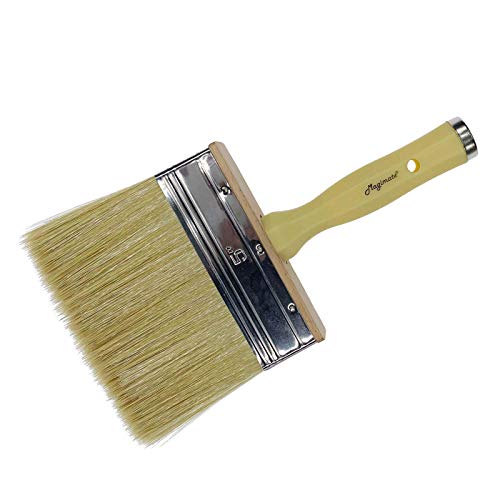
Brush Specs: 5” wide x 1” thick, soft synthetic filament blended with natural bristle. Hold more stain/sealer and paint smoothly, making your home improvement job a breeze.

Bates deck stain brush set includes 2 high-quality brushes designed specifically for staining decks and other large wood surfaces.
Applying Your First Coat
With your tools and techniques selected, you’re ready to prepare your deck surface and begin the staining process. Start at the farthest corner and work toward your exit, preventing you from walking on wet areas. Use a paint pad, roller, or sprayer for large surfaces, applying brushstrokes along the wood grain direction. Maintaining consistency is vital—apply stain in long, even strokes while keeping a wet edge to prevent lap marks. Avoid puddling or over-applying stain, as excess causes uneven drying and peeling. Your stain application technique directly impacts the final finish quality. Work methodically across each board without stopping mid-plank, ensuring uniform coverage throughout. Take care not to create visible lines or missed spots during this essential stage. For optimal results, employ the brush on, brush off technique to achieve a smooth, professional finish that enhances the wood’s natural beauty.
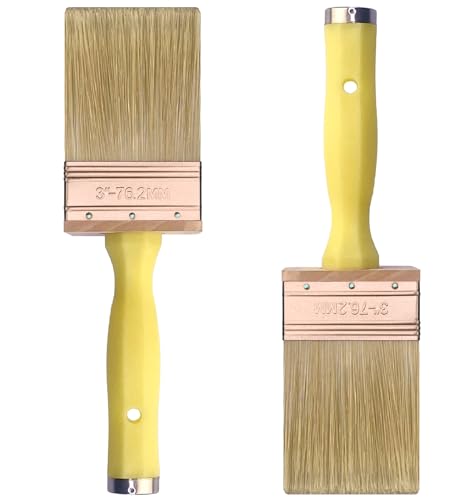
Great Andrew 2 Pack 3 Inch Deck Paint Brushes are 1 inch thick and hold 40% more paint than a common 3" brush, allowing you to finish painting faster and better.

SIMPLICITY MEETS EFFICIENCY - Our deck stain brush is easy to use with fast application of paints or stains. Just attach it to any standard extension pole for an easy, seamless experience that makes deck staining a breeze for DIYers and professionals alike. Our deck stain applicator works great on wood and concrete.

Stains flat surfaces and between boards at the same time
Adding Additional Coats for Coverage
To achieve ideal durability and color uniformity on your deck, you’ll need to apply a second coat of stain after the first one dries completely. Wait 24 hours between applications to guarantee proper penetration and curing. Before recoating, assess the surface by touching it lightly—it shouldn’t feel tacky.
When applying your second coat, use the same method as your first application, maintaining even distribution across all areas. Control coat thickness by applying thin, uniform layers rather than heavy applications that pool or drip. Follow board directions from end to end, using overlapping strokes with slight overlap between each stroke. This technique prevents lap marks and guarantees seamless coverage.
Check for missed spots or uneven absorption before finishing. Maintain wet edges throughout application for peak results. Multiple coats of quality stain products can significantly enhance both the appearance and longevity of your deck’s finish.

WATERPROOFING STAIN – Bring out the beauty of your outdoor wood with Thompson’s WaterSeal Transparent Waterproofing Wood Stain. Along with adding smooth color, it’s a deck sealer that prevents water damage to help you maintain your outdoor living spaces.
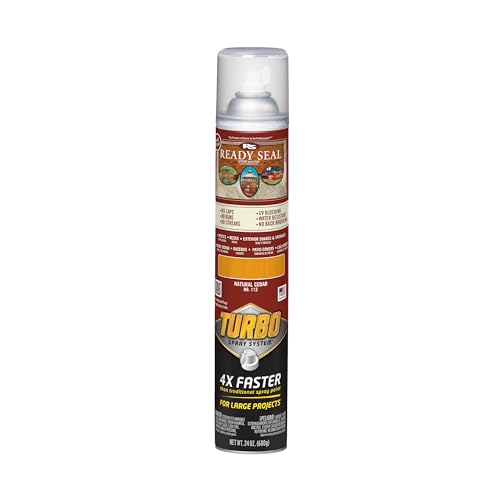
NO LAPS, RUNS OR STREAKS: Goof Proof, oil-based formula now equipped with the powerful Turbo Spray System; ideal for exterior wood projects

Non-Toxic & Low Odor, Safe for Indoor Use: Breathe easy with our water-based wood stain! It’s non-toxic, environmentally friendly and low VOC formula makes it perfectly safe for indoor projects like kitchen cabinets, bedroom furniture, and more — without the strong chemical fumes found in traditional stains.
Achieving a Professional Finish
After you’ve applied your second coat and allowed proper curing time, the difference between a mediocre deck stain and a professional-quality finish comes down to meticulous preparation and technique. Your color mixing protocols directly impact final results—combine multiple stain containers before application to eliminate patchiness from sequential container use. During application, maintain a wet edge using stain pads or rollers, working with the grain in long, smooth strokes across 2-3 boards at a time. Back brush to remove excess stain and prevent puddles. Remember that surface preparation determines everything; rough areas and splinters create uneven stain absorption, compromising your finish quality. Prioritize thorough sanding and cleaning beforehand to guarantee consistent color distribution and professional appearance throughout your completed deck. Consider using mildew-resistant stains to enhance the longevity and appearance of your deck over time. For optimal results, apply your stain during favorable weather conditions that avoid direct sunlight and rain, which can negatively impact adhesion and drying.

SUPERIOR WEATHER PROTECTION — TWP 101 Pro-Series provides broad-spectrum weather protection that resists water absorption, helping prevent warping, cracking, splitting, and freeze damage in colder climates, keeping your wood beautiful and structurally sound season after season

OIL-BASED WOOD STAIN - Cabot Semi-Solid Stain + Wood Sealer is formulated to provide long lasting beauty and wood protection. The wood protector hides some wood grain to form a stronger weather barrier.

Wet & Forget Concentrate Outdoor Cleaner removes green and black stains caused by moss, mold, mildew, and algae, no scrubbing, no rinsing, no pressure washing, just wet it and forget
Long-Term Maintenance and Care
Your deck’s longevity depends on establishing a consistent maintenance routine that addresses wear before it becomes costly damage. Develop a cleaning routine by sweeping regularly and hosing down your deck 1–2 times yearly with a brush for stubborn grime. Avoid pressure washing unless necessary, as it damages wood. For stubborn dirt and mildew buildup, consider using mild soap mixtures or natural cleaning solutions to gently remove debris without compromising the wood surface.
Create a maintenance schedule by inspecting your deck every 2–3 years for soft spots, cracks, loose fasteners, and fungal growth. Focus on high-traffic areas and top rails. Address damage immediately by resetting popped nails, filling cracks, and repairing compromised boards.
Maintain proper drainage around your deck structure to prevent standing water, rot, and warping. Using wood preservatives can further protect against decay and pest damage. Re-stain every 2–3 years based on inspection findings, ensuring wood moisture content stays below 16–18% before application.