
DIY Outdoor Furniture Covers: A Step-by-Step Guide
You’ll create custom outdoor furniture covers by selecting durable fabrics like 600D polyester or PVC-coated materials for superior weather resistance. Measure your furniture’s width, depth, and height with one- to four-inch allowances, recording dimensions on labeled sketches. Cut fabric with sharp tools, adding half-inch seam allowances, then construct covers using 5mm–6mm straight stitches and flat felled seams for reinforcement. Secure covers with tie-down straps and grommets. This guide covers everything you need to know.
Materials Selection for DIY Outdoor Furniture Covers
When you’re selecting fabric for your outdoor furniture covers, you’ll want to contemplate several key properties that determine how well your cover’ll protect your investment. Consider polyester, which offers durability, water resistance, and breathability—a balanced choice for most climates. For harsh winters, 600D polyester canvas provides heavy-duty protection against snow and ice. If you need waterproof options, vinyl delivers complete moisture barriers, though it may trap condensation.
Evaluate breathability carefully; materials like polyester and polypropylene prevent fungal growth by allowing airflow. Polyethylene or polyurethane coatings enhance waterproofing while maintaining durability. PVC-coated polyester stands out for superior resistance to UV rays, abrasion, and chemicals compared to vinyl alternatives. UV resistance protects both cover and furniture from fading. For furniture that will remain uncovered year-round, consider pairing your DIY cover with weather-resistant materials like marine-grade polymers or powder-coated aluminum that provide built-in protection against moisture, UV fading, and corrosion.
Weight matters too. Lighter fabrics ease installation and storage, while heavier materials provide superior protection. Reinforced seams and quality handles resist tearing in adverse conditions, ensuring your DIY cover withstands seasonal exposure effectively.

General to fit rectangular/oval patio table with 4-6 standard chairs size up to 88"(L)x62"(W). Measure your patio furniture dimensions before buying, and include chair clearance in your measurements.

General to fit rectangular/oval patio table with 4-6 standard chairs size up to 88"(L)x62"(W). Measure your patio furniture dimensions before buying, and include chair clearance in your measurements.
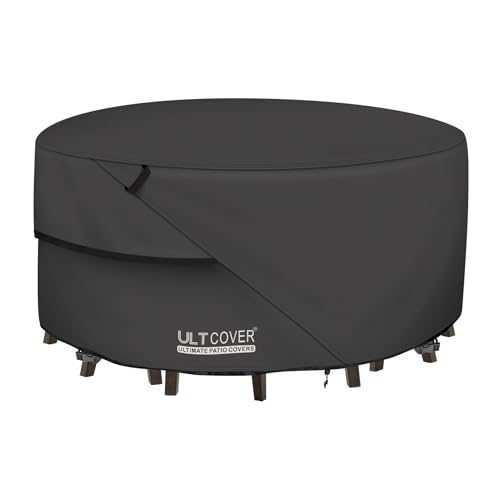
General to fit round patio table set size up to 108” Diameter. Please be remind the include distance that chair backs jut out from the table while measuring.
Tools and Supplies Needed
You’ll need five essential tool categories to construct durable outdoor furniture covers: cutting tools, measuring instruments, sewing equipment, fastening hardware, and supporting supplies.
For cutting techniques, you’ll employ rotary cutters with 60mm blades and heavy-duty scissors alongside protective cutting mats. Measuring instruments include flexible tape measures, sewing gauges, and rulers ensuring accurate dimensions. Your sewing equipment should feature heavy-duty portable machines with walking foot mechanisms and UV-resistant polyester thread designed for outdoor durability.
Fastening tools encompass hole cutters, grommets, and shock bungee cords providing secure attachment points. Marking tools like fabric chalk or pencils enable precise guidelines without damaging material. Additionally, acquire specialized heavy-fabric needles, magnetic sewing guides, basting tape, and edge finishing tools. Similar to deck construction projects that utilize hidden fastening systems for aesthetic appeal, furniture covers benefit from concealed attachment methods that maintain a clean appearance. For optimal protection, select solution-dyed acrylic fabrics that offer the same weather-resistant durability and color retention found in quality patio furniture cushions. These thorough supplies establish the foundation for constructing professional-quality, weather-resistant furniture covers.

ALL PURPOSE SCISSORS: These 7.5-inch heavy duty utility scissors feature 2.2-inch micro-serrated high-grade stainless steel blades. You can easily grip and cut cardboard, plastic, or metal wire, providing you with sharp scissors for daily using.

#1 SHARPEST FABRIC SCISSORS THAT LAST – Tired of tailor scissors that go dull? Unlike sewing shears that may look similar, our right-hand scissors heavy duty are made from Forged Premium High-Carbon Steel, which makes them stronger, sharper and more durable. The Precision-Ground Blades slice smoothly through fabric, leather, and the toughest materials, delivering Top-Notch Performance.

HIGH SPEED CUTTING- With 70mm(2.76") octagonal blade and 2400RPM high speed, its cutting thickness reaches 25mm(1"). The cutting is quickly, clean and smooth, without any mess. Tips: Please sharpen the blade with built-in sharpening stone before use and do not cut the material exceeding the max cutting thickness 25mm(1")
Planning and Measuring
Before fabric hits your cutting mat, meticulous planning and measuring determine whether your cover will fit snugly, protect effectively, and withstand outdoor elements. You’ll need accurate measurement across width, depth, and height, accounting for dimensional allowances of one to four inches per dimension. Assess your furniture’s irregular shapes by measuring multiple points on curves and tapering sections. Record all measurements clearly with labeled sketches to avoid confusion during cutting. Consider coverage needs by planning ventilation gaps to prevent moisture buildup and identifying tie-down points for wind stability. Review fabric specifications to anticipate shrinkage. Create templates from paper or existing covers, enabling precise marking of seams and ventilation openings. Template creation streamlines future projects while ensuring consistent, professional results before committing to final fabric cutting. Incorporate regular maintenance practices such as removing covers during harsh weather to maximize the lifespan of both your furniture and protective covers.
Fabric Cutting and Preparation
With your measurements finalized and templates ready, the next phase demands equal precision: selecting and cutting fabric that’ll withstand years of outdoor exposure.
Choose fabric types strategically. Marine-grade materials, polyester (600D–900D), or PVC vinyl offer superior weatherproofing and UV resistance. Polyethylene suits extreme conditions, while canvas polyester provides versatile durability.
Prepare your workspace by laying fabric flat on a clean surface, smoothing wrinkles completely. Align the grain for consistent strength and appearance. Mark cutting lines with chalk or fabric markers for accuracy.
Employ sharp scissors or an electric cutter for precise cutting techniques. Add a half-inch seam allowance outside measured dimensions. Pin or weight fabric to prevent shifting. Double-check measurements before cutting to minimize waste and guarantee flawless coverage.

【Size】Waterproof Canvas Cloth Fabric by the yard, 60" width, 1 yard or 2 yards, available in different colors.

❗❗Please Note: Items pre-cut. If you order 5 yards, you will receive one continuous 5-yard piece. If you order five 1-yard units, you will receive five separate 1-yard pieces.❗❗【Professional Water-Repellent Fabric】 Features advanced waterproof coating with lotus-effect technology. This 600D cordura canvas fabric (230 GSM, 0.45mm thick) offers exceptional abrasion, UV, and tear resistance for long-lasting durability. "

🛳 Marine Grade Outdoor Vinyl Fabric - This high-quality marine vinyl is designed to withstand harsh environments, ensuring your boat seats and other outdoor upholstery will last for years to come. It's UV, sunlight, abrasion, and water-resistant, protecting against fading and damage
Construction and Sewing Steps
Once your fabric’s cut and prepared, precision in patterning and layout determines whether your cover’ll fit flawlessly or require costly adjustments. Lay your furniture on a flat surface and trace its outline directly onto pattern paper, breaking complex shapes into manageable geometric sections. Mark 1-inch seam allowances around all edges before cutting individual pieces.
When sewing, use straight stitches at 5mm–6mm length for durability. Employ flat felled seams for added strength and water resistance. Position fabric right sides together, then turn right side out for a clean finish. Reinforce stress points—corners and edges—with bar tacks or additional stitching. Use a zipper foot for close seams and a walking foot for thick materials. Trim excess seam allowance at corners, finish raw edges with zigzag stitching, and press all seams for a professional appearance. For optimal results, apply your covers during appropriate environmental conditions to ensure the fabric sets properly and maintains its shape. Proper covers also help prevent mold and mildew by ensuring proper air circulation around your furniture during storage.

Weatherproof Shield: Made from heavy-duty 420D Oxford fabric with a PU waterproof coating, these outdoor furniture covers waterproof help protect your patio furniture from rain, snow, and dust; Designed for reliable year-round outdoor protection with durable, easy-to-maintain fabric

【Applicable Size】This waterproof patio sofa cover fits standard 3-seater 75-80 inches outdoor wicker, teak, and metal sofas (up to 80"W x 38"D x 35"H). For the best fit, measure your sofa and choose a cover 1-3 inches larger

FITS 9FT-12FT PATIO UMBRELLAS WITH ALL-SEASON PROTECTION: Designed to fit 9ft to 12ft market umbrellas, this umbrella cover protects your outdoor umbrella from weather exposure, dust and fading. Please measure your umbrella size before purchasing. It may fit 7ft-8ft umbrellas but may appear loose. Not designed for cantilever or offset umbrellas.
Finishing Touches and Maintenance
Your DIY outdoor furniture cover‘s longevity depends on establishing consistent maintenance routines that protect your investment from environmental degradation. You’ll want to implement a regular cleaning routine at least every few weeks during outdoor season, using only mild soap and warm water with soft-bristled brushes to avoid material deterioration.
For stain prevention, address bird droppings and oil marks immediately before they penetrate the fabric. Test all cleaning solutions on hidden areas first, then apply them using circular motions with gentle pressure.
You must dry covers completely in cool, well-ventilated areas away from direct sunlight before storing them. Apply fabric nanoprotector sprays twice yearly to maintain water and dirt repellency. Just as weather-resistant materials enhance durability in outdoor applications, protective finishes on your furniture covers shield against environmental damage and extend their lifespan. To further protect your investment, consider securing covers with tie-down straps to prevent them from blowing away during windy conditions. Periodically inspect your covers for damage, mold, or mildew, making repairs promptly to guarantee lasting protection.

WINDPROOF FIXATION DESIGN:Built-in durable metal adjustable buckle lets you flex tightness freely, firmly lock standard BBQ grill cover bottom, effectively stop grill cover shifting or blowing away under strong outdoor wind, solve loose cover common troubles for backyard grill owners.

Size:48"DIAx28"H. Fits 46,48 inches diam patio round tables /coffee tables / dinner table, Please measure the dimensions of your furniture carefully before purchasing.
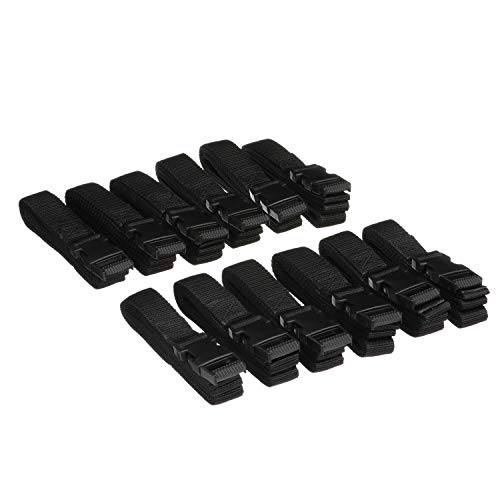
The best way to secure your boat cover when on a trailer


