How to Stain Your Deck Easily With a Wagner Sprayer
You’ll transform your deck by prepping the surface thoroughly—stripping old finish, cleaning, brightening, and sanding—then selecting the right Wagner sprayer model for your project. Install the 313 HEA tip, maintain an 8-12 inch distance, and overlap passes by 50% for uniform coverage. Apply thin, even coats to railings and deck boards, back-brushing immediately for better absorption. Respect drying times between applications and protect surrounding areas. Understanding the specific techniques for stairs and detailed corners will greatly enhance your results.
Preparing Your Deck for Staining
Before you can apply new stain to your deck, you’ll need to remove any old finish that’s peeling or flaking. Use a stain stripper to eliminate old residue, then rinse thoroughly. These deck preparation tips guarantee bare wood that bonds properly with new stain.
Next, sweep away debris and apply deck cleaner with a pump sprayer. Keep the surface wet for about 15 minutes, then scrub with a stiff synthetic brush. Rinse completely with a hose. During this process, it’s important to protect surrounding plants from the cleaner solution.
Apply wood brightener to restore color and neutralize chemicals. After rinsing, allow 24-48 hours for drying.
Sand with 60-80 grit sandpaper to smooth rough spots and open wood grain. Your essential tools include a brush, sprayer, and sandpaper. Confirm the deck’s completely dry before final preparation and staining. To prevent lap marks that create an uneven appearance, ensure you maintain a wet edge while working across the deck surface.

DESIGNED TO REMOVE SPECIALTY DECK COATINGS AND PAINTS FROM MULTIPLE SURFACES - Remove Paint, Latex, Polyurethane, Shellac, Varnish, Acrylic, Oil Based Coatings and More in usually a Single Application!

EASY STAIN STRIPPING: Powerful deck stain stripper for wood removes weathered, clear, or semi-transparent stains. Spray on with a pump-up sprayer and rinse with a power washer for best results.
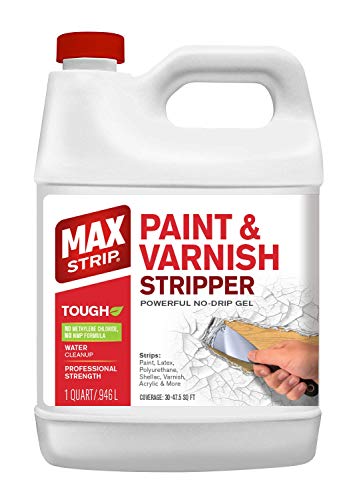
DESIGNED TO REMOVE PAINT AND VARNISH FROM MULTIPLE SURFACES - Remove Aftermarket Paints, Latex, Polyurethane, Shellac, Varnish, Acrylic, Oil Based Coatings and More in usually a Single Application!
Selecting and Setting Up Your Wagner Sprayer
With your deck properly prepped and dried, you’re ready to select the right sprayer and set it up for ideal staining performance. For deck staining projects, the Wagner FLEXiO 590 delivers even coating on boards and spindles, while the Control Spray 250 specializes in re-staining applications.
Sprayer selection determines your success, but tip configuration is equally critical. The standard 515 tip won’t work for stains—you’ll need the 313 HEA tip for oil-based or water-based formulas. Install your air vent piece securely into the container bottom to guarantee consistent material pressurization. Adjust your flow rate knob by the trigger to control dispensing, then use the air cap ears to set your spray pattern direction. Position your spray gun perpendicular to surfaces for even coverage without drips. To achieve the best results, maintain fan-tip spray patterns rather than cone patterns for more controlled application. Allow sufficient drying and curing time between coats to ensure proper adhesion and durability of your stain finish.

Outputs a 6-8" spray pattern to easily spray large projects such as decks, fences, siding and more

Outputs a 4-6" spray pattern to easily spray large projects such as decks, fences, siding and more

Outputs a 6-8” spray pattern to easily spray large projects such as decks, fences, siding and more
Staining Your Railings
Now that you’ve configured your sprayer, you’ll want to focus on your railings—they’re the perfect place to practice your technique before tackling the larger deck surface. Use common staining techniques: spray from multiple angles to cover all spindle sides, maintain 8–12 inches distance, and overlap passes by 50% for uniform coverage. Keep your sprayer moving continuously, following wood grain with even strokes.
Before starting, protect surrounding areas with plastic sheeting and cardboard behind spindles. Select a detail finish nozzle with narrow pattern width (~8 inches) and low-to-medium air pressure for precise application. Adjustable nozzles allow you to control spray patterns and pressure, ensuring consistent results on intricate deck components like balusters and railings.
Remember sprayer maintenance tips: test settings on scrap wood first and keep your equipment clean between applications. Applying thin, even coats along the wood grain will help prevent peeling and streaking on your railings. Allow railings to dry completely before moving to floorboards.
Staining Your Deck Boards
Once you’ve mastered the railing technique, you’re ready to tackle the main deck surface—where you’ll apply everything you’ve learned on a larger scale. Your application techniques should remain consistent: maintain an 8-12 inch spraying distance and overlap each pass by 50% to guarantee uniform coverage. Work in manageable sections, spraying with the wood grain using steady, sweeping motions. Keep your sprayer moving continuously to prevent drips and heavy spots. After spraying, immediately back-brush the deck stain into the grain to enhance absorption and adhesion. Before applying stain, ensure your deck is properly prepared by sanding with medium-grit sandpaper to open the wood pores and remove any rough or grey areas. For most stains, allow at least four hours for drying between coats if you plan to apply multiple applications. Quickly blend any runs while the stain remains wet. Allow two hours for the surface to dry to touch, though full curing requires 24 hours before replacing furniture or allowing regular foot traffic.

1-Gallon funnel-top, translucent tank for easy filling and cleaning

YETOKING Cordless Paint Sprayer – Professional-grade cordless paint sprayer compatible with DeWalt 20V MAX batteries (battery not included), including models DCB200, DCB201, DCB203, DCB204, DCB205, DCB206, DCB207, DCB208, DCB210, DCB230, DCB240, etc.

Chapin Garden Sprayer: Complete lawn care and basic cleaning tasks faster with the 1‑gallon translucent funnel‑top tank that allows quick, easy, spill‑free refills and fluid checks
Tackling Stairs and Hard-to-Reach Areas
Stairs and railings present unique challenges that require you to adjust your sprayer setup and technique to maintain control and achieve consistent coverage. Use the handle extension accessory for reaching high or awkward spots without stepping into wet stain. Position your feed tube forward for downward spraying on deck boards and stairs, then rearward for overhead areas.
Start with low material flow settings and gradually increase to prevent overspray. Spray railings first, then deck boards, and finish with stairs. Maintain continuous trigger pulls while moving the sprayer in overlapping passes following the wood grain. Hold the sprayer 8-12 inches from surfaces for ideal stair spraying results. Keep spray consistency by diluting properly and cleaning your nozzle frequently to avoid clogging and heavy spots on visible edges. Before beginning your stair project, check local regulations as permits may be required depending on the scope of your deck work. Like painted vinyl straps on patio furniture, achieving durable results on stairs requires proper surface preparation and multiple light coats rather than single heavy applications.

1. Three Different Length Sizes: Airless sprayer extension pole are available in 3 length sizes, approximately 8 inches, 12 inches and 15 inches, which fit most airless sprayer guns with 7/8" thread.

EXTEND YOUR SPRAYING CAPABILITIES: This HVLP extension arm makes it easier to paint high walls, ceilings and decking by providing nearly 2 ft. of extra spraying reach

12” extension wand designed for use with Wagner Control Pro or Titan ControlMax paint sprayers
Preventing Common Staining Mistakes
Even with proper sprayer technique, you’ll encounter obstacles that can compromise your deck’s final appearance if you’re not careful. Understanding common pitfalls prevents costly mistakes.
Inadequate surface preparation causes uneven stain application and premature peeling. Sand thoroughly, pressure wash to remove oxidation, and apply deck brightener for maximal absorption. Avoid staining in direct sunlight or high humidity—both accelerate drying and trap moisture under the finish. For best results, plan your staining project during moderate temperatures and when no rain is forecasted for at least 24–48 hours.
Select the correct stain type for your wood species and climate. Test on inconspicuous areas first to confirm color and absorption behavior. Allow the wood to fully dry between cleaning and staining to ensure optimal stain adhesion and penetration. Apply thin, uniform coats in manageable sections, backing out puddles immediately. Overcoating creates pooling and sticky surfaces.
Respect drying times between coats and block off the deck for 24 hours post-application. These precautions protect your investment and guarantee a flawless, durable finish.
Cleaning Your Equipment
As soon as you’ve finished staining, you’ll want to clean your spray equipment to prevent paint buildup and extend its lifespan. Start by returning unused stain to its original container, then rinse the spray container with water until the output runs clear. Disassemble the gun by hand into its three main sections, carefully removing the needle and separating the tip and nozzle. Use hot soapy water and a stiff brush with lacquer thinner to clean all internal passages and crevices, paying special attention to vent areas prone to clogging. Dry components thoroughly with rags before reassembling in reverse order. Lubricate O-Rings with supplied grease and run water through the reassembled cup. For best results, allow adequate drying time between any additional coats you may apply to your deck. These cleanup techniques and maintenance tips keep your equipment performing at its best for future projects.

[COMPLETE]: Full set with 22 pieces for cleaning and maintenance of any air spray paint gun to ensure excellent working condition.

Universal Compatibility: Works with most common spray tools including gravity feed, suction feed, airless spray guns and airbrushes; suitable for both professional workshop use and hobbyist projects

【21PCS SPRAY GUN CLEANING KIT】Includes cleaning needles, nylon mini brushes, flexible tube brushes and large detail brushes for complete spray gun maintenance. Designed to clean nozzle holes, fluid tips, air passages and hard-to-reach areas effectively.
Drying and Curing Your Deck
Once you’ve applied stain to your deck, the drying and curing process becomes critical to achieving a durable, professional finish. Your drying times depend on stain type: water-based stains dry to touch within 1-6 hours, while oil-based varieties require 12-24 hours. Full curing typically spans 24-72 hours across both types.
Environmental conditions greatly impact your curing process. Maintain temperatures between 50°F-90°F and relative humidity between 40-70% for best results. Wind and air circulation accelerate drying, while direct midday sun risks uneven application. Avoid staining in direct sunlight or high humidity to prevent blotching and further delays to your project timeline.
Protect your deck from moisture exposure during these critical windows. Most experts recommend avoiding rain for 24-48 hours after application to ensure proper adhesion and protection. Avoid foot traffic for 4-8 hours with water-based stains and 24-48 hours with oil-based. Delay furniture placement for 24-48 hours and heavy items for one week to prevent damage and guarantee complete stain hardening.
Maintaining Your Newly Stained Deck
Your deck’s durability extends well beyond the curing phase—consistent maintenance is what keeps your stain performing at its best and your wood protected from the elements. Perform regular deck inspection to identify loose nails, splintering, and cracks before they worsen. Address these issues promptly by hammering nails, filling gaps with wood putty, and sanding rough areas.
Implement effective moisture management by maintaining proper drainage and preventing water pooling. Conduct water drop tests annually to determine if resealing is needed—absorbed water indicates compromised protection. Allow adequate drying times between coats and before exposing your deck to heavy use to ensure the sealer fully cures. Before reapplying stain, ensure the deck surface is thoroughly cleaned and any peeling or rough areas are sanded smooth to promote even stain adhesion. Reapply stain and sealant every one to three years depending on environmental exposure and product specifications. Use UV-resistant products to extend longevity. Clean your deck seasonally with biodegradable cleaners and a stiff brush, then rinse thoroughly. These practices prevent warping, rot, mold growth, and fading, preserving your deck’s structural integrity and appearance.