
How Long Does Sherwin Williams Deck Stain Take to Dry?
You’ll wait 4 to 24 hours for Sherwin Williams oil-based deck stain to dry, or 4 to 6 hours for their water-based formula. However, full curing—when your deck can safely support furniture and heavy use—requires an additional 24 to 48 hours. Temperature, humidity, and application thickness all influence these timelines considerably. Understanding these variables helps you plan your project more effectively and avoid costly mistakes.
Understanding Oil-Based Stain Drying Times
How long should you really expect to wait before your Sherwin-Williams oil-based deck stain is ready for use? You’ll find that oil-based stains typically dry within 4 to 24 hours when temperatures stay above 60°F. Most reach a dry-to-the-touch state after 12 to 24 hours, though full cure requires 24 to 72 hours. Your application techniques directly affect these timelines—proper ventilation and ideal temperatures between 50°F and 85°F accelerate drying. High humidity and cool conditions extend drying times considerably. Wood type and moisture content also play significant roles. Before staining, ensure your deck has been thoroughly cleaned to remove dirt, mildew, and old coatings, as surface preparation impacts how the stain absorbs and dries. To ensure proper adhesion and protection, avoid rain for at least 24-48 hours after application. Understanding these variables helps you plan stain maintenance schedules effectively. Light foot traffic becomes possible after 24 hours, but heavy use should wait until full cure completes for maximum durability and protection.


SIMPLICITY MEETS EFFICIENCY - Our deck stain brush is easy to use with fast application of paints or stains. Just attach it to any standard extension pole for an easy, seamless experience that makes deck staining a breeze for DIYers and professionals alike. Our deck stain applicator works great on wood and concrete.
Water-Based Stain Drying Duration
Because water-based deck stains dry considerably faster than their oil-based counterparts, you’ll find they’re ready for light use within hours rather than a full day. You can walk on the deck lightly after 4–6 hours under ideal conditions, though full curing requires 24–48 hours before heavy furniture placement.
Water-based stain advantages include their rapid drying capability and compatibility with damp wood, allowing you to complete most jobs in a single day. For peak results, apply stain within the ideal temperature range of 50°F–90°F (10°C–32°C). You can recoat after just 4 hours if needed.
However, humidity above 70% or temperatures below 50°F greatly extend drying times. Guarantee proper airflow and avoid rain within 24 hours of application for best outcomes.

READY-TO-USE DECK STAIN & SEALER: Olympic WaterGuard woodland cedar semi-transparent wood stain and sealant combines color and waterproofing in one water-based, ready-mix coat.

Water-based wood stain creates rich, even color in 1 coat on most surfaces

SEMI TRANSPARENT EXTERIOR WOOD STAIN: Our outdoor wood stain and sealer allows the natural wood grain to show through, highlighting the beauty of your decks, fences and sidings and preserving its natural look.
The Difference Between Touch-Dry and Full Cure
Understanding the distinction between touch-dry and full cure is essential when planning your deck staining project, as these two stages require vastly different wait times before you can safely use your deck.
Touch dry characteristics emerge within 4 to 8 hours for oil-based stains, indicating the surface no longer feels tacky. However, this stage permits only minimal contact—walking on your deck remains inadvisable.
Full cure benefits justify the extended wait of 24 to 72 hours. At complete curing, your stain achieves maximum hardness, adhesion, and chemical resistance. You can then place furniture, accommodate foot traffic, and expose your deck to weather without risk of damage, peeling, or blistering.
Temperature, humidity, and application thickness influence both timelines. Following manufacturer guidelines prevents costly rework and guarantees ideal longevity and appearance of your stain investment.
How Weather Conditions Affect Drying
While knowing the difference between touch-dry and full cure gives you a timeline, you’ll also need to account for environmental factors that can greatly alter those timelines. Temperature impact plays a critical role—you’ll achieve best drying between 50°F and 85°F. Extreme heat causes flash curing and blotchy finishes, while cold temperatures extend curing beyond the standard 24-48 hours. Humidity effects are equally significant; high moisture content retards evaporation and delays your project completion. You should avoid staining during rain or excessive dampness, as prolonged moisture causes patchy, milky finishes. Balanced air circulation accelerates drying without creating lap marks. Over-application of stain can lead to extended drying times and surface failure including peeling and cracking, so applying thin, even coats is essential for proper drying. For long-term protection, combining quality stain application with weather-resistant materials ensures your deck withstands moisture, UV fading, and temperature extremes for years to come. Spring and fall typically offer favorable conditions with moderate temperatures and humidity levels, positioning you for successful, even stain application.
Waterproof neoprene rubber construction helps keep feet dry in wet conditions.

WATERPROOFING STAIN – Bring out the beauty of your outdoors with Thompson’s WaterSeal Clear Multi-Purpose Waterproof Stain. Proven to waterproof concrete, brick, exterior wood and other exterior surfaces.
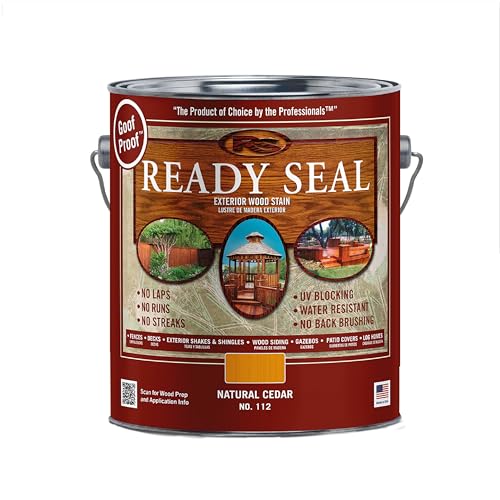
NO LAPS, RUNS OR STREAKS: Goof Proof formula with no back brushing required; ideal for exterior wood projects
Best Practices for Application Timing
Timing your application correctly determines whether you’ll achieve an even, professional finish or encounter blotchy, uneven results. You must complete surface preparation thoroughly before staining—this includes cleaning, brightening, and confirming wood moisture content through water droplet absorption testing. Once prepared, apply your stain when temperatures range between 60-90 degrees for water-based products. Your application techniques matter greatly; maintain consistent brush strokes and avoid direct sunlight exposure during application. Special applicators designed to flex around contours can help prevent drips and pooling on textured surfaces like deck spindles. For multiple coats, space water-based applications a minimum of four hours apart, while oil-based stains require longer intervals. Before staining, remove old peeling stain via sanding or power washing for weathered wood to help the new stain adhere evenly. Don’t rush furniture placement—wait 24-48 hours after your final coat. Plan projects during mild weather with dry skies to optimize drying conditions and guarantee professional results.
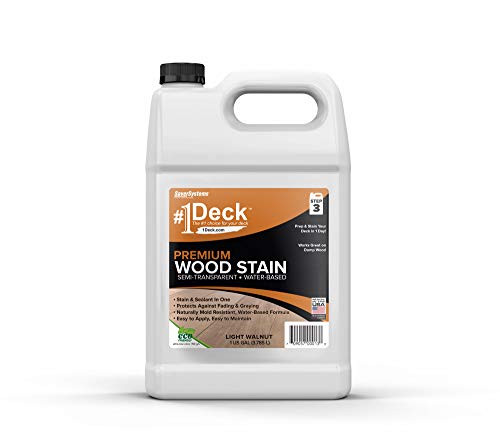
SEMI-TRANSPARENT WOOD STAIN: Enhance your deck or fence with a semi-transparent finish that lets natural wood grain show through. Perfect for decks, fences, and siding to preserve beauty.

READY-TO-USE DECK STAIN & SEALER: Olympic WaterGuard acorn brown semi-transparent wood stain and sealant combines color and waterproofing in one water-based, ready-mix coat.
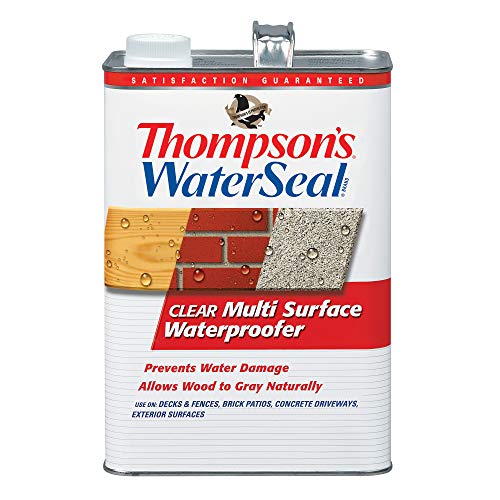
WATERPROOFING STAIN – Bring out the beauty of your outdoors with Thompson’s WaterSeal Clear Multi-Purpose Waterproof Stain. Proven to waterproof concrete, brick, exterior wood and other exterior surfaces.
Guidelines for Using Your Deck After Staining
Once you’ve applied your final coat of Sherwin Williams deck stain, the waiting period begins—and it’s essential you don’t skip it. Rushing to use your deck compromises stain longevity and deck maintenance effectiveness.
Wait at least 24–48 hours before replacing patio furniture, extending to 72 hours for oil-based products. Light foot traffic is permissible after 12–24 hours if the surface feels completely dry and non-tacky. Avoid heavy use until full cure—typically 24–72 hours depending on the stain type. For optimal results, maintain proper drying time between coats to ensure even absorption and prevent peeling.
Before resuming normal activity, verify the surface shows no tackiness, wet spots, or shiny areas. The stain shouldn’t transfer to hands or clothing. Weather greatly impacts timing; high humidity and cool temperatures below 60°F extend drying periods. Proper environmental conditions during application and curing ensure your deck achieves optimal durability and color richness. Follow manufacturer guidelines specific to your product for best results and maximum protection.
Factors That Extend or Reduce Drying Time
Because Sherwin Williams deck stains don’t dry at the same rate under all conditions, you’ll want to understand the key variables that impact your project timeline. Temperature plays a critical role—optimal drying occurs between 60°F and 90°F, while conditions below 50°F greatly slow curing. Humidity effects are equally important; relative humidity above 85% extends drying times considerably by slowing solvent evaporation. Your application thickness directly influences drying speed; heavy coats and pooled stain take markedly longer than thin, even applications. Surface conditions matter too—direct sunlight and wind accelerate drying, while shaded areas and damp wood extend timelines. Wind can significantly impact your project, particularly in outdoor deck environments where wind resistance and stability become considerations beyond just drying time. Finally, the stain type itself affects results: water-based formulations typically dry within 1–4 hours under ideal conditions, whereas oil-based options require 4–24 hours. Proper thorough preparation including pressure washing and sanding ensures the wood surface is clean and ready to accept stain evenly, which helps prevent extended drying times caused by moisture or debris interference. Understanding these factors guarantees consistent, professional results.

NO LAPS, RUNS OR STREAKS: Goof Proof formula with no back brushing required; ideal for exterior wood projects
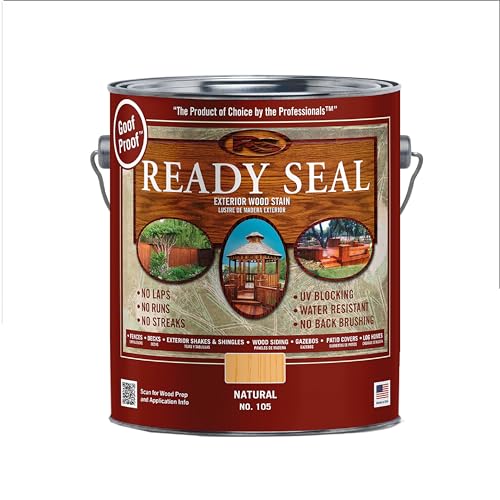
NO LAPS, RUNS OR STREAKS: Goof Proof formula with no back brushing required; ideal for exterior wood projects

High-Quality Protection - It is designed to protect, renew, and beautify both new and weathered wood surfaces. Provides a flat, solid finish with latex formulation.