How Long Does Behr Deck Stain Take to Dry?
You’ll apply a second coat of BEHR deck stain after 1–2 hours, though some formulations allow up to 4 hours. Light foot traffic is safe after 24–48 hours of drying, but you shouldn’t allow heavy use until 72 hours have passed. Full cure—delivering maximum durability and protection—requires stable conditions above 35°F for the complete 72-hour period. Temperature, humidity, and sunlight considerably impact these timelines. Understanding the specific variables affecting your project’s timeline will help you achieve ideal results.
Recoating Windows for BEHR Deck Stains
Once you’ve applied the first coat of BEHR deck stain, you’ll need to wait 1–2 hours before applying a second coat, though the exact timeframe depends on your product formula and environmental conditions. Different stain types—including DECKplus Solid Color, PREMIUM Solid Color, and PREMIUM Semi-Transparent—all follow similar 1–2 hour recoat timing guidelines.
However, you must account for variables affecting recoat timing. Temperature between 40–90°F optimizes drying; cooler temperatures or high humidity extend wait times. Direct sunlight accelerates drying, potentially shortening your recoat window. Always consult your product label, as some formulations specify up to 4 hours before recoating. Applying your second coat within the recommended window prevents lap marks and guarantees even color development, maximizing durability and finish quality.

Bates deck stain brush set includes 2 high-quality brushes designed specifically for staining decks and other large wood surfaces.

Bates deck stain brush features a 7.5-inch width for expansive and even application, ideal for efficiently staining decks, fences, and other large wooden areas.

SIMPLICITY MEETS EFFICIENCY - Our deck stain brush is easy to use with fast application of paints or stains. Just attach it to any standard extension pole for an easy, seamless experience that makes deck staining a breeze for DIYers and professionals alike. Our deck stain applicator works great on wood and concrete.
Understanding Light Foot Traffic Timelines
After your BEHR deck stain dries to the touch within 1–2 hours, you’ll need to wait appreciably longer before resuming normal deck use. Light traffic remains unsafe during this initial phase despite the surface feeling dry.
You can safely permit light foot traffic after 24 to 48 hours, though environmental conditions notably affect this drying duration. Cooler temperatures below 40°F and humidity above 50% extend the required timeline considerably. During this waiting period, minimize footsteps and avoid placing furniture or equipment on your deck. To achieve the best results, ensure you applied thin, even coats following the wood grain during the initial staining process.
Restrict heavy foot traffic and furniture placement until 72 hours have passed to guarantee complete curing. This extended drying duration protects your stain from peeling, flaking, and premature failure that results from premature use. Proper maintenance practices during the curing phase also contribute to long-term stain durability and protection against environmental factors like UV exposure and moisture.
Achieving Full Cure on Your Deck
While you can walk on your deck after 24–48 hours, full cure represents a completely different milestone that you shouldn’t rush. Achieving full cure on your Behr deck stain requires maintaining stable environmental conditions—keep temperatures above 35°F and humidity moderate throughout the entire 72-hour window. Apply two thin coats rather than one thick application to guarantee even penetration and bonding strength. Avoid placing heavy furniture or subjecting your deck to frequent use during this critical period. Before declaring your stain fully cured, conduct a cure inspection by checking if the stain has completely penetrated the wood fibers. Only after 72 hours can you confidently expect maximum durability, weather resistance, and full manufacturer warranty protection.

REMOVES TOUGH STAINS: Quickly eliminates stains caused by food, drink, grease, cooking oil and more

READY-TO-USE DECK STAIN & SEALER: Olympic WaterGuard woodland cedar semi-transparent wood stain and sealant combines color and waterproofing in one water-based, ready-mix coat.

SEMI TRANSPARENT EXTERIOR WOOD STAIN: Our outdoor wood stain and sealer allows the natural wood grain to show through, highlighting the beauty of your decks, fences and sidings and preserving its natural look.
Ideal Temperature and Weather Conditions
Temperature and weather conditions dramatically influence how quickly your Behr deck stain dries and cures. You’ll achieve ideal results when applying between 35-90°F, with summer applications delivering the fastest drying speeds. Temperature variations greatly impact your project timeline—cooler seasons near 45-55°F can extend drying by 24+ hours beyond standard recommendations.
Weather impact extends beyond temperature alone. High humidity delays the recoat window and full cure period, while inadequate ventilation prolongs moisture evaporation. You must avoid rain exposure for 24 hours with DECKplus and 4 hours minimum with Premium Solid Color products.
Apply only in shaded areas to prevent uneven drying patterns. Avoid direct sunlight and hot surfaces, which accelerate moisture evaporation unpredictably. These conditions guarantee consistent cure rates throughout your deck project.
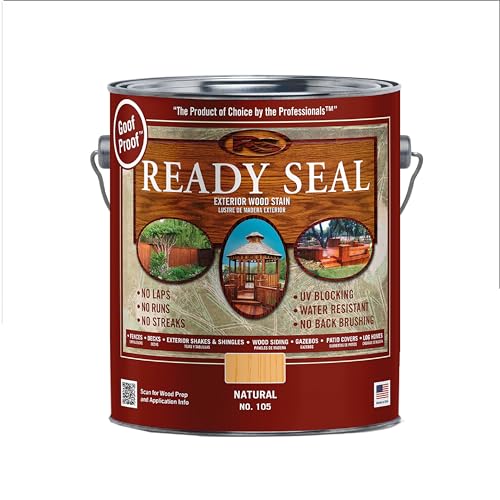
NO LAPS, RUNS OR STREAKS: Goof Proof formula with no back brushing required; ideal for exterior wood projects

Open-pore water-repellent protector. Forms an effective protective layer against moisture, thus reducing swelling and shrinkage in wood. Maximum resistance to UV radiation. Quick drying. Great durability outdoors. Enhances all types of wood, garden furniture, wooden houses, pergolas, doors, windows, fences, frames, etc. Excellent adhesion. Easy to apply.

NO LAPS, RUNS OR STREAKS: Goof Proof formula with no back brushing required; ideal for exterior wood projects
The Importance of Proper Application Techniques
Since Behr deck stain’s drying time depends heavily on how you apply it, mastering proper application techniques directly impacts both your project timeline and final results. You’ll achieve faster, more uniform drying by using quality application tools like brushes, rollers, or sprayers. Apply stain in thin, even coats following the wood grain direction, working small sections at a time to maintain a wet edge and prevent lap marks. Proper surface preparation beforehand—cleaning, sanding, and allowing complete drying—enables ideal stain penetration and adhesion, which accelerates overall drying. Avoid over-application; pooling stain extends drying time considerably and compromises durability. Testing stain color on a small inconspicuous area helps you verify drying time and final appearance before committing to full application. Favorable weather conditions with at least 24 hours of dry, mild weather will optimize stain absorption and curing. Two thin coats provide superior protection and color consistency while allowing adequate drying between applications, ensuring your deck stain cures properly and lasts longer.

Ultimate Deck Stain brush Kit: Comes with 7" deck stain brush with long handle, 3" small paint brush. Together they are perfect for various staining projects, big or small. Large deck stain brush features with 6" width for expansive and even application, long handle for fast, efficient coverage of exterior decking

Ultimate Deck Stain Brush Kit: Comes with 1× 7" large deck stain brush with long handle, 1×3" small paint brush. Together they are perfect for various staining projects, big or small. Large Deck stain brush features with 7" width for expansive and even application, long handle for fast, efficient coverage of exterior decking
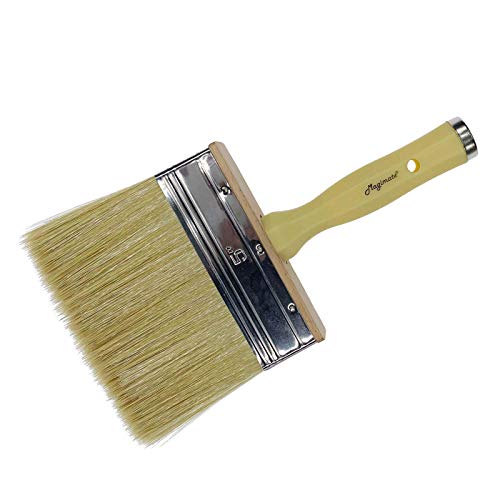
Brush Specs: 5” wide x 1” thick, soft synthetic filament blended with natural bristle. Hold more stain/sealer and paint smoothly, making your home improvement job a breeze.
How Humidity Affects Drying Times
Because moisture in the air directly interferes with the stain’s curing process, humidity represents one of the most critical environmental factors you’ll encounter during deck staining. When humidity exceeds 70%, you’ll experience dramatic drying delays—extending cure times to 12-24 hours or longer. Water-based stains suffer particularly severe humidity effects, as their water solvent content creates heightened moisture challenges. You’ll notice tackiness persisting on surfaces applied during high-humidity conditions, and trapped moisture beneath stain layers causes cloudiness, white spots, or milky films. Proper deck preparation and cleaning before staining significantly reduces the impact of humidity on adhesion and drying performance. Testing your stain color on a small patch allows you to observe how humidity affects the final appearance before committing to your entire deck. To mitigate these moisture challenges, aim for 40-70% humidity—ideally 50% at 70°F. If conditions exceed 70%, postpone your project. Use fans to increase air circulation, apply stain during early morning hours, or use targeted heat to address moisture-related defects.
Preventing Over-Application Problems
One of the most common mistakes you’ll make when staining a deck is applying too much product in a single coat. Over application causes tackiness, uneven drying, and premature peeling that’ll compromise your finish.
To prevent these issues, you’ll want to apply thin, even coats instead of one thick layer. Follow Behr’s coverage rates precisely—don’t exceed the manufacturer’s recommendations per gallon. You’ll back-brush continuously to spread the stain evenly and avoid pooling in low spots.
Avoiding thick coats requires discipline. Work in manageable sections, maintaining a wet edge without overlapping excessively. Allow proper drying intervals between coats as specified on the label. Light sanding between applications helps too. This methodical approach prevents moisture entrapment, guarantees uniform color, and protects your warranty coverage. Using the brush on, brush off technique ensures the stain adheres evenly across your deck surface while preventing excess product buildup.
Ventilation and Environmental Considerations
While applying thin, even coats prevents moisture entrapment within the stain itself, you’ll also need to manage the air and conditions surrounding your deck during the drying process. Effective airflow management accelerates solvent evaporation and prevents uneven drying that causes blotchiness. Stagnant air traps moisture, greatly extending cure times and increasing mold risk.
Maintain ideal conditions by confirming temperatures stay between 40–90°F and relative humidity remains below 70%. High humidity dramatically slows drying and promotes surface blushing. Direct sunlight can cause premature surface hardening before the stain fully penetrates the wood. For those seeking to preserve wood’s natural appearance while still protecting against moisture and UV damage, clear deck sealers offer an alternative to stained finishes.
Position your deck to maximize natural airflow while avoiding proximity to trees or structures that obstruct ventilation. Check weather forecasts to avoid rain within 24 hours of application. These moisture control measures promote proper curing and superior finish quality.
Preparing Your Deck Before Staining
Before you apply any stain to your deck, you’ll need to remove surface contaminants and prepare the wood to accept the finish properly. Start with thorough deck cleaning by sweeping away all leaves, dirt, and debris, paying special attention to spaces between boards. Remove furniture and potted plants from the surface.
Next, spray down the deck with a garden hose and apply a wood cleaner using a pump sprayer, working in small sections. Let the cleaner sit for 15–20 minutes while keeping the surface wet. Scrub with a stiff synthetic-bristle brush following the wood grain direction, then rinse completely. Consider using a wood brightener to restore the wood’s natural pH balance and improve stain adhesion.
Allow the deck to dry for 24–48 hours. For surface preparation, lightly sand any rough or splintered areas and remove all sanding dust before staining.

DECK AND PATIO WASH: Home Armor Deck & Patio Wash lifts stains from dirt and grime to keep decks and patios looking great over their lifespan.

POWERFUL DECK CLEANER & MILDEW REMOVER – This deck cleaner and mildew remover is a professional-grade deck cleaning solution, effectively eliminating black and green stains, mold, and built-up grime on wood and composite surfaces.

POWERFUL DECK CLEANER & MILDEW REMOVER – This deck cleaner and mildew remover is a professional-grade deck cleaning solution, effectively eliminating black and green stains, mold, and built-up grime on wood and composite surfaces.
Protecting Your Deck During the Curing Process
After you’ve applied your Behr deck stain, the work doesn’t end—protecting the surface during the curing process is just as critical as the application itself. During the first 24-48 hours, restrict foot traffic to light use only, as tackiness or shoe marks can occur prematurely. Keep pets and furniture off the deck until full cure at 72 hours. These curing process insights prevent unnecessary damage. Cover your deck with a tarp if rain threatens within 24 hours, as moisture causes blotchiness. Don’t walk on wet surfaces after rainfall until completely dry. Important deck maintenance tips include immediately cleaning spills and avoiding dragging items across the surface. Cooler temperatures and high humidity extend curing times, requiring additional patience before resuming normal use.