How to Screen in a Deck With Railings for Privacy
To screen in your deck railings for privacy, you’ll first measure your deck dimensions and check local regulations. Next, construct a frame using 2×4 lumber at 4–6 foot intervals, guaranteeing everything’s square and level. Choose your materials—composite, wood, bamboo, or metal—based on durability and maintenance needs. Secure panels using rabbeted grooves or connector strips, then attach everything with galvanized L-brackets or self-tapping screws. Add trim for a polished finish. Proper planning and quality materials guarantee your privacy screen withstands weather while maintaining structural integrity for years to come.
Choosing the Right Materials for Your Deck Privacy Screen
When you’re planning a deck privacy screen, selecting the right material is fundamental to balancing aesthetics, durability, maintenance requirements, and budget.
You’ll find several viable options. Composite materials offer exceptional material durability with minimal maintenance, though they come with higher upfront costs. Wood provides authentic aesthetic appeal and affordability but demands regular sealing and staining. Metal screens like aluminum deliver lightweight strength and low maintenance, yet may conduct heat in warm climates. Vinyl and fabric options suit renters seeking temporary solutions, offering quick installation and affordability. Bamboo delivers sustainable, tropical aesthetic appeal while requiring periodic pest treatment. Resin furniture presents another excellent option, offering exceptional resilience against harsh weather conditions including rain, sun, and extreme temperatures while requiring only soap and water for cleaning.
Evaluate your climate, maintenance capacity, and design preferences carefully. Consider long-term costs alongside initial investment. Material durability varies considerably across options—composite and metal excel in longevity, while fabric degrades faster under harsh conditions. To keep any material looking pristine, regular maintenance with gentle cleaning methods will help preserve your investment and extend its lifespan. Choose based on your priorities and environmental conditions.

(Breathable Material with Some Visibility Through) Made with 100% new high density polyethylene(HDPE) material--no recycled materials used,more healthy and safe. Allow breeze and light pass through for better comfort space. Commercial solid fabric can achieve 95% UV protection to meet your requirement.Deck Shield Cover is perfect for Backyard Deck, Patio, Balcony Pool, Porch Railing.
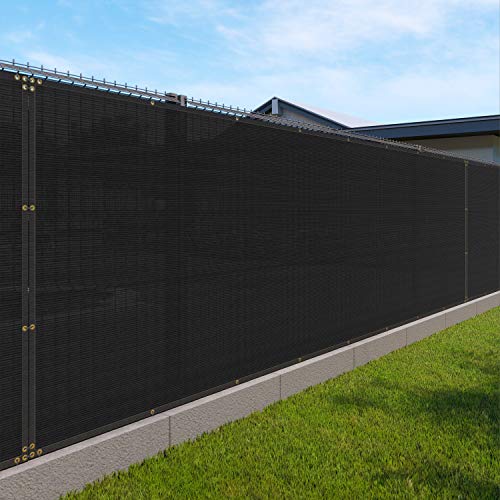
Perfectly Protect Your Yard Privacy: 90% visibility blocking, prevent peeping outside the yard, block nose neighbors see through, protect safety and enjoy freedom. It can also prevent animals from entering your yard, block surrounding noise and street views, block dogs' sight and prevent bark.
Measuring and Planning Your Installation
Before you select materials or begin installation, you’ll need to take precise measurements and create a detailed plan for your deck privacy screen. Start by recording your deck dimensions—length, height, and distance between existing posts. Note any obstructions like stairs or doors that’ll affect placement.
Check local privacy regulations and HOA restrictions, as they often limit screen height to 42–48 inches. Mark support post locations at 4–6 foot intervals using a level for alignment. Adjust spacing around existing structural elements.
Consider your climate’s prevailing winds and sunlight patterns. Solid screens block more light and airflow, while slatted or lattice options maintain ventilation. Sketch a layout diagram showing railing positions, proposed screen heights, bracket locations, and material quantities. This plan prevents costly installation errors.
Preparing Your Deck and Gathering Tools
You’ll need to inspect your deck’s existing structure before you gather materials and tools. Start your deck inspection by examining railing condition and surface integrity, checking for damage or unevenness that could compromise installation stability. Clear debris and obstructions from your work area.
Next, assemble your essential tools: a measuring tape, level, power drill with appropriate bits, and safety equipment including gloves, goggles, and dust masks. Tool safety requires proper handling and protective gear throughout the project.
Then acquire quality materials: privacy screen panels, corrosion-resistant fasteners like stainless steel screws, and mounting hardware suited to your deck railings. Include waterproof caulking and sealants for long-term protection, as moisture accumulation prevention extends the durability of your outdoor installation. For added durability, consider using water-resistant materials such as those commonly found in modern outdoor installations to ensure your screening system withstands seasonal weather exposure.
Finally, organize your staging area, laying out all tools and materials for efficient workflow and minimal movement during installation.
Building Your Privacy Screen Frame and Panels
With your deck inspected and materials organized, it’s time to construct the frame that’ll serve as your privacy screen‘s backbone. Start by assembling your frame materials—powder-coated aluminum or rot-resistant wood like cedar—using 2×4 lumber for structural integrity. Attach top and bottom rails with brackets and screws, guaranteeing everything’s square and level.
Next, select your panel options based on your privacy needs and aesthetic preferences. You can choose lattice, composite boards, or decorative metal balusters. Install panels by securing them into rabbeted grooves or using connector strips for flush mounting. Space slats consistently, using a spare slat as a gauge for uniformity.
Add trim pieces around edges to conceal fasteners and create clean finishes. For cedar and other wood components, consider applying teak oil to enhance durability and protect against outdoor moisture and UV exposure. Reinforce your frame assembly with mortise and tenon joints or dowels at critical connection points to ensure maximum stability and longevity of your privacy screen structure. This foundational work guarantees your privacy screen remains durable and visually appealing.

𝗗𝗲𝗰𝗼𝗿𝗮𝘁𝗶𝘃𝗲 “𝗠𝘆𝘀𝘁𝗶𝗰 𝗙𝗼𝗿𝗲𝘀𝘁” 𝗟𝗮𝘀𝗲𝗿 𝗖𝘂𝘁 𝗣𝗿𝗶𝘃𝗮𝗰𝘆 𝗦𝗰𝗿𝗲𝗲𝗻: Inspired by natural forest elements, this laser cut metal privacy screen features a unique “Mystic Forest” pattern that adds artistic detail while creating visual separation. A decorative outdoor panel that blends privacy and modern garden design.

Perfectly Protect Your Balcony and Deck Privacy: 95% visibility blocking, prevent peeping outside the patio, block nose neighbors see through, protect safety and enjoy freedom. It can block wind and sand from streets, construction sites, block surrounding noise and street views, block dogs' sight and prevent bark.

Elegant Space Transformer: Effortlessly enhance your outdoor space with our 72"x47" decorative privacy fence; Featuring contemporary laser-cut designs, these garden screens create cozy backyard zones while elevating your home's exterior aesthetics, enjoy both visual privacy and artistic flair
Mounting Screens Securely to Deck Railings
Once your frame and panels are complete, you’ll need to secure them firmly to your existing deck railings using one of several proven fastening methods. For non-permanent solutions, black cable ties offer flexibility and easy removal without damaging protective coatings. If you’re installing permanently, self-tapping metal screws with pilot holes create solid connections—use two screws per rail section and touch up with black paint for a seamless appearance. For maximum structural stability, galvanized steel L-brackets distribute weight evenly along the railing length. Install at least six brackets for longer sections, securing one side to the railing underside and the other to your privacy wall frame using stainless steel screws. This multi-point connection system guarantees your screen withstands seasonal weather and foot traffic. As with deck lighting installations, proper wire spacing and positioning prevents damage to underlying structures and ensures long-term durability. Ensure that your fastening method complies with local building codes to maintain the safety and integrity of your deck structure.

Heavy-Duty Galvanized Steel — Built for Secure Level Connections: Made from strong galvanized steel with a protective black coating, these level railing brackets provide dependable support at key connection points while helping resist rust and corrosion outdoors. The durable finish stands up to rain, humidity, and seasonal weather and coordinates cleanly with Guwezoy railing panels, posts, gates, and accessories for a consistent, finished look.

Sturdy Construction: These galvanized L-brackets are made from high-quality iron for superior strength and durability.
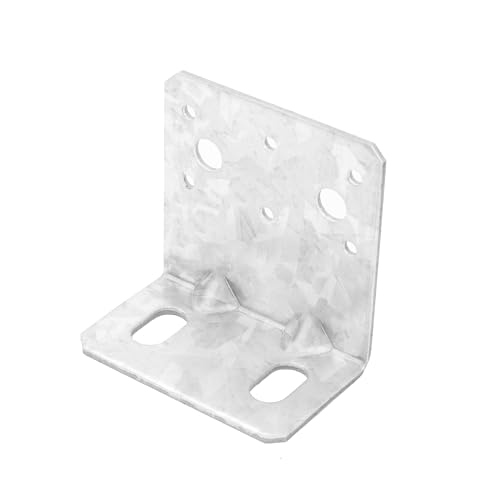
Compatible with 4x4 posts, perfect for decks, pergolas, and other outdoor structures.
Finishing Your Privacy Screen Installation
After securing all mounting hardware, the final stages of your privacy screen installation focus on protecting materials and achieving a polished appearance. You’ll apply caulking techniques around each screw hole using outdoor-grade caulk appropriate for your screen material—wood, PVC, or metal. This prevents water infiltration and creates a seamless, professional finish.
Next, you’ll implement your finishing options based on material type. Wood components require staining or painting after proper lumber drying time to match your deck’s aesthetics and protect against weather exposure. Confirm you wear safety goggles during application. If you’re using wood for your privacy screen, consider pressure-treated wood for superior durability and resistance to moisture and rot in outdoor environments. For PVC or composite materials, regular cleaning with mild dish soap and warm water will maintain their appearance and extend their lifespan.
Finally, you’ll verify level alignment across all panels, smooth any fabric wrinkles with careful tension, and install trim details. Add post caps from two-by-fours and corner L-brackets for structural reinforcement. Install gravel drainage around post bases to prevent water accumulation and foundation damage.

Up to 90% Privacy Protection: Made from 185 GSM HDPE mesh, this balcony privacy screen blocks up to 90% of outside visibility while allowing airflow and natural light. Create a more private outdoor space on balconies, patios, decks, porches, and Apartments railings.
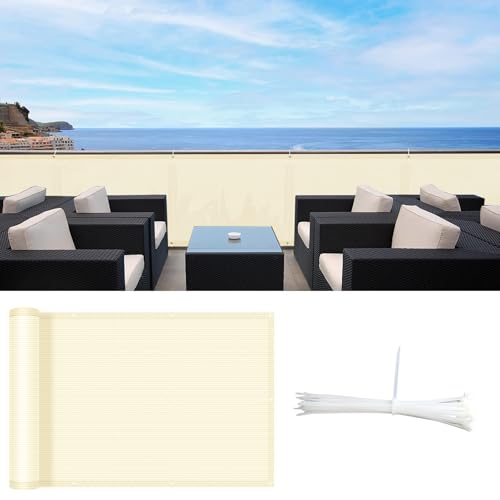
【Sufficient Privacy】Balcony Privacy Screen is made of 100% new high density polyethylene(HDPE) material, which has excellent shading performance and provides 95% UV protection, 85%-90% shading rate, no recycled materials used, more healthy and safe.

【Enhanced Privacy & UV Protection】This balcony privacy screen blocks up to 90% visibility while providing 95% UV protection. Create a more private, shaded outdoor space without completely blocking airflow or natural light.
Maintaining Your Deck Privacy Screens Year-Round
Your privacy screen’s longevity depends on consistent maintenance throughout the year, as seasonal changes and environmental factors continually challenge its structural integrity and appearance. Establish a monthly wipe-down routine using damp microfiber cloths to remove dust and debris. Perform deep cleaning every couple of months with soft brushes, warm water, and mild dish soap. During spring and summer, increase frequency due to pollen accumulation. For seasonal cleaning, address material-specific needs: wood screens require periodic staining, while vinyl demands only occasional soap-and-water cleaning. Implement protective storage by retracting screens during winter and applying protective spray to fabric to prevent damage from weather exposure. Before retracting, verify complete drying to prevent mold. Lubricate tracks monthly with silicone-based products, rotating rollers for even distribution. The choice between stain and paint for your wood screens ultimately depends on your aesthetic preferences and local climate conditions, as stain enhances the natural grain while paint offers a wider range of color options.

DETACHABLE WINDOW SCREEN CLEANING BRUSH KIT: Clean window screens, sliding door tracks, grooves, frames, and hard-to-reach corners with one complete cleaning solution. Includes a detachable screen brush, corner brush, crevice brush, built-in squeegee, microfiber cloth, refillable spray bottle, and adhesive hooks for convenient storage

Combination Kit for Comprehensive Cleaning:Dear Customer, are you still struggling with cleaning window screens? This screen brush cleaning kit is your perfect solution! It's a powerful combo set featuring: 1 detachable extended-reach screen cleaning brush 2 streak-free cleaning cloths 2 window track cleaning brushes (assorted colors randomly shipped) 1 crevice cleaning brush 1 hook With this kit, you can effortlessly tackle every part of your screens—from the surface to the tracks and crevices—for a thorough clean that leaves your screens looking brand new.

(Breathable Material with Some Visibility Through) Made with 100% new high density polyethylene(HDPE) material--no recycled materials used,more healthy and safe. Allow breeze and light pass through for better comfort space. Commercial solid fabric can achieve 95% UV protection to meet your requirement.Deck Shield Cover is perfect for Backyard Deck, Patio, Balcony Pool, Porch Railing.