
How to Restore Your Painted Deck to Its Former Glory
To restore your painted deck, you’ll start by evaluating damage and pressure washing at 1,500–2,500 PSI. Next, remove old paint using chemical strippers and mechanical sanding, progressing from coarse to fine grits. Repair any structural issues, then apply quality primer and paint in ideal conditions between 50–86°F. Finally, maintain your deck through weekly sweeping and annual resealing. Understanding each restoration phase transforms your deck’s appearance and longevity considerably.
Assessing Your Deck’s Current Condition
Before you’ll need to evaluate what you’re actually dealing with. Start with visual inspection techniques to identify visible damage like cracks, splinters, warping, and discoloration. Document surface defects such as peeling paint and mildew with photographs and written notes.
Next, assess structural integrity evaluation by checking for sagging boards, loose fasteners, and unstable railings. Use non-destructive methods like hammer sounding or chain dragging to detect delamination beneath the surface. If results prove inconclusive, core sampling provides material composition data and confirms rot or decay. For surfaces with mildew or discoloration, consider using oxygenated cleaners as part of your initial assessment to determine the extent of staining before proceeding with repairs. A soft-bristle brush can help gently remove surface debris without causing additional damage during this evaluation phase.
Map all defects by location and severity. Compare current findings against historical records to track deterioration rates. This thorough assessment guides your restoration decisions and prioritizes which areas need immediate attention versus long-term maintenance planning.
Pressure Washing and Cleaning Your Deck Surface
Once you’ve completed your deck assessment, you’ll want to tackle surface cleaning with the right equipment and technique. Electric pressure washers work best for most residential painted decks, offering lighter weight and quieter operation than gas-powered alternatives.
For standard wooden decks, maintain 1,500 to 2,500 PSI to prevent gouging. If your deck features cedar or softer woods, reduce pressure to 500-800 PSI to minimize splintering. Always start at lower settings and gradually increase based on your deck’s condition.
Select 25-degree or wider nozzles; narrow angles under 15 degrees cause almost certain damage. Pair your pressure washer with appropriate cleaning solutions designed for painted surfaces. This combination effectively removes dirt, mildew, and weathered paint while protecting your deck’s structural integrity. For decks built with composite wood materials, ensure your cleaning solution is compatible with composite surfaces to maintain their weather-resistant properties. After pressure washing, allow adequate drying time between coats to ensure the surface is completely dry before proceeding with any repairs or refinishing work.

Powerful cleaning: Electric power washer with1700 max psi* and 1. 2 gpm**

[1700 PSI @ 1.2 GPM] - Great for light-duty, residential cleaning. Clean cars, trucks, motorcycles, boats, RVs, outdoor patio furniture, windows, decks, etc
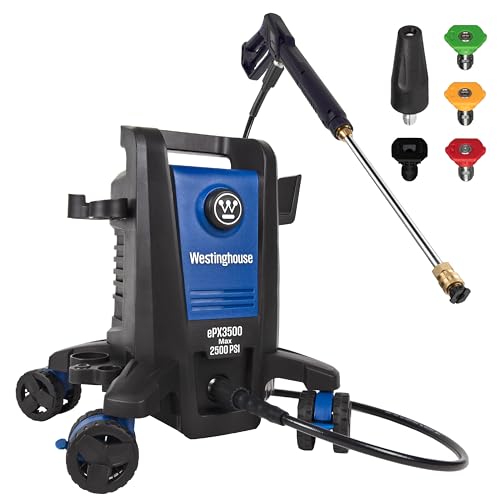
Delivers 2500 max PSI and 1.76 max GPM (at lowest pressure), and 2000 rated PSI and 1.2 rated GPM of water flow; Pro-style steel extendable 17.5” wand with quick-connect nozzles (0°, 15°, 25°, turbo and soap applicator)
Removing Old Paint and Stain Buildup
As you move from cleaning to paint removal, you’ll need to identify your deck’s material and existing paint type—these factors determine which removal method’ll work best. Wood decks tolerate aggressive techniques, while composite surfaces require gentler approaches.
For paint stripping techniques, consider chemical strippers first. Gel formulas stay wet longer for large areas, while water-based options suit smaller sections. Test any stripper on hidden spots before proceeding.
Paint removal tools offer mechanical alternatives. Belt sanders with 40-grit paper strip large flat areas efficiently, followed by 80-grit for smoothing. Scrapers and wire brushes handle corners and grooves effectively. For tight spaces, power planers work cautiously.
Combine methods strategically: use chemical strippers for stubborn buildup, then sand smoothly. If you prefer to preserve the natural wood appearance rather than repaint, clear sealers offer an alternative protective option without adding color. Regular maintenance with gentle cleaning solutions can help extend the life of your deck’s finish. Always wear protective equipment—gloves, eye protection, and respirators—and dispose of waste properly.

ALWAYS TEST BEFORE USE: Removes acrylic, latex, oil, & water-based paints, varnishes, & stains, typically in only a single application! TEST for compatibility with your coating before full removal!

CITRISTRIP Paint & Varnish Stripping & Removing Gel is easy to use.
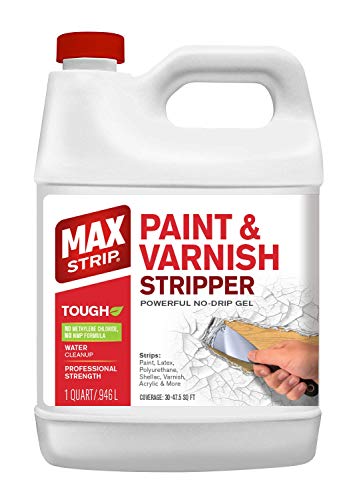
DESIGNED TO REMOVE PAINT AND VARNISH FROM MULTIPLE SURFACES - Remove Aftermarket Paints, Latex, Polyurethane, Shellac, Varnish, Acrylic, Oil Based Coatings and More in usually a Single Application!
Inspecting and Repairing Structural Damage
With your deck’s paint and stain removed, you’ll now reveal the true condition of the structure beneath. Begin your support post inspection by examining the base for wood rot and moisture damage—these indicators signal serious compromises. Next, evaluate all joist hanger connections, ensuring they’re securely fastened with nails in every designated hole. Check for rust, missing fasteners, or improper substitutions that reduce structural integrity.
Walk across the deck applying gentle pressure to identify soft or spongy boards. Inspect the ledger board attachment to your house carefully, as improper installation causes most deck collapses. Look for moisture stains, sagging, or cracks in beams and joists. Replace any protruding fasteners and verify all connections remain tight. Before refinishing, ensure the deck is thoroughly clean and dry, as adequate drying times are critical for the longevity of any protective coating you’ll apply. When replacing damaged boards, calculate the board feet needed to ensure you purchase the correct lumber volume for your repairs. Address decay immediately before proceeding with refinishing.
Sanding for a Smooth Foundation
After you’ve addressed all structural repairs, sanding transforms your deck into a smooth, uniform surface ready for new finish. Master proper sanding techniques by following the wood grain with long, overlapping strokes using consistent pressure.
Your grit selection progression matters greatly. Start with coarse grit (60–80) to strip old paint and remove deep imperfections. Progress to medium grit (80–120) for smoothing and scratch removal, then finish with fine grit (120) for uniformity.
Use oscillating or random orbit sanders on large, flat surfaces, but employ hand sanders on railings, balusters, and intricate details. Replace worn abrasives periodically and check your progress frequently. After sanding completes, vacuum thoroughly and wipe the surface clean. Proper cleaning removes dust and contaminants that can interfere with stain adhesion and the longevity of your new finish. Consider protecting surrounding plants and furniture from dust and debris during the sanding process. Wait 3–5 days before staining, allowing wood fibers to settle and improving absorption.

Detail Sander Sandpaper: 50 pcs 80 grit palm sander sandpaper with 12 holes 5-1/4 x 3-3/4” (13.5cm x 9.5cm), suitable for Black and Decker mouse detail sanders including BDCMS20C, BDEMS600...

Detail Sander Sandpaper: 50 pcs 120 grit palm sander sandpaper with 12 holes 5-1/4 x 3-3/4” (13.5cm x 9.5cm), suitable for Black and Decker mouse detail sanders including BDCMS20C, BDEMS600...

Detail Sander Sandpaper: 50 pcs 220 grit palm sander sandpaper with 12 holes 5-1/4 x 3-3/4” (13.5cm x 9.5cm), suitable for Black and Decker mouse detail sanders including BDCMS20C, BDEMS600...
Selecting the Right Paint or Stain Product
How do you choose between the countless stain and paint options available for your freshly sanded deck? Start with stain comparisons between water-based and oil-based formulas. Water-based products like Defy Extreme dry faster and resist mildew better, while oil-based options penetrate deeper and provide superior longevity in harsh climates. Oil-based stains are particularly valued for their rich color and durability, though they do emit stronger odors and have higher VOCs compared to water-based alternatives.
Next, consider paint types by finish level. Semi-transparent stains showcase wood grain, semi-solid stains balance coverage and visibility, and solid stains hide weathering completely. Match your choice to your deck’s condition and desired appearance. Solid color stains offer a middle ground between stain and paint, resembling paint in appearance while maintaining better wood penetration and reducing peeling risks.
Evaluate critical features: UV protection through nano-technology or zinc oxide, mold resistance for humid areas, and coverage rates that affect cost-efficiency. Premium brands like TWP Pro-Series and Armstrong-Clark offer proven durability. Select products matching your climate, maintenance commitment, and aesthetic preferences.

NO LAPS, RUNS OR STREAKS: Goof Proof formula with no back brushing required; ideal for exterior wood projects
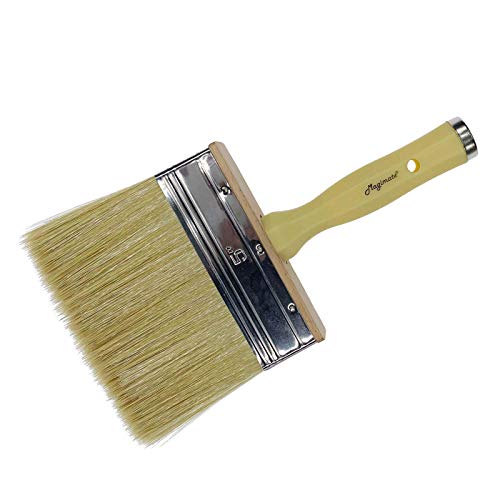
Brush Specs: 5” wide x 1” thick, soft synthetic filament blended with natural bristle. Hold more stain/sealer and paint smoothly, making your home improvement job a breeze.

NO LAPS, RUNS OR STREAKS: Goof Proof formula with no back brushing required; ideal for exterior wood projects
Applying Your New Finish for Best Results
Once you’ve selected your ideal stain or paint product, proper application techniques determine whether you’ll achieve a professional, long-lasting finish or face costly do-overs.
Begin with primer application, using nylon-bristled brushes to reach between slats and crevices thoroughly. Apply one to two coats, allowing 1-2 hours drying time before proceeding.
For paint techniques, select your method based on deck size and complexity. Use rollers with ½” covers for large flat areas, brushes for detailed sections like railings, and spray application for curved angles. Apply your first coat in the wood grain direction for best adhesion.
Maintain temperatures between 50-86°F and humidity below 80%. Space coats 4-6 hours apart, sanding lightly between applications for a smooth, professional result. To ensure even coverage and prevent lap marks, use back-brushing techniques when applying your finish coats. Working in manageable sections allows you to maintain a wet edge and achieve uniform color throughout your deck.
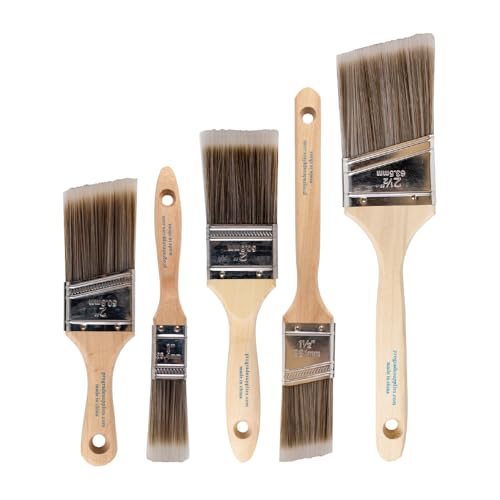
COMPLETE 5-PIECE BRUSH SET FOR EVERY PAINTING TASK — Includes 1 Inch Flat, 1.5 Inch Angle, 2 Inch Flat, 2 Inch Angle Stubby, and 2.5 Inch Angle brush giving you every size professional painters use daily. Get all 5 for less than the price of a single brush from hardware store brands — professional grade performance at a fraction of the cost. Perfect for walls, trim, cabinets, doors, furniture, and detailed cutting-in work on any project.

Bates deck stain brush set includes 2 high-quality brushes designed specifically for staining decks and other large wood surfaces.

Bates deck stain brush features a 7.5-inch width for expansive and even application, ideal for efficiently staining decks, fences, and other large wooden areas.
Maintaining Your Restored Deck Long-Term
Your newly restored deck will only maintain its beauty and structural integrity if you commit to consistent upkeep throughout the year. Implement a regular deck maintenance routine by sweeping weekly and performing thorough cleanings annually with deck-specific cleaners. Conduct seasonal inspections to identify loose boards, protruding nails, rot, or water damage before they escalate into costly repairs. Reapply sealants or stains annually, ensuring the deck dries completely for 48 hours beforehand. Before applying stain, test whether the wood is ready by checking if water beads up on the surface, which indicates proper dryness. When applying stain, apply one to two coats depending on the quality of the stain and the condition of your deck for optimal protection and color uniformity. Inspect fasteners regularly—particularly on guardrails and ledger boards—and replace corroded or damaged hardware promptly. Address water damage immediately to prevent rot proliferation. Trim surrounding vegetation to minimize moss and mold growth. Rearrange furniture periodically to prevent uneven fading. Avoid power washing with excessive pressure, which damages wood fibers.