
How to Easily Paint Between Deck Boards: A DIY Guide
To paint between deck boards, you’ll need narrow 2–3 inch angled brushes and proper surface preparation—clean, dry wood with 12–15% moisture content. Apply thin, even coats along the wood grain, maintaining a wet edge to prevent lap marks. Use deck-specific stain or paint with quality primer for durability. Allow 4–6 hours drying between coats, lightly sanding with 180–220 grit sandpaper in between. The sections ahead explore detailed techniques that’ll transform your deck’s appearance.
Preparation and Timing
Before you paint between your deck boards, you’ll need to thoroughly prepare the surface to guarantee ideal paint adhesion and longevity. Start with complete surface cleaning by sweeping away loose debris, then rinse with a garden hose or pressure washer to eliminate dirt and grime. Apply wood cleaner to remove mildew and old finishes, scrubbing with a stiff bristle brush along the grain. Rinse completely and allow adequate drying time—at least 24–48 hours—before proceeding. Verify moisture content reaches 12–15% or lower using a moisture meter. You’ll also want to inspect for rot, cracks, and loose boards, replacing damaged wood and sanding rough spots. For best adhesion and appearance, consider back-brushing techniques to ensure even coverage and prevent lap marks throughout your painted areas. Time your project during dry weather between 50°F and 85°F for optimal results.
Tools and Materials
Gathering the right equipment makes painting between deck boards considerably easier and more efficient. Your tool selection should prioritize narrow-space access: one to two-inch paintbrushes, paint pads, and scrapers for tight gaps between boards. For broader areas, invest in paint rollers with extension poles and consider a sprayer for large decks. Material sourcing requires deck-specific paint or stain formulated for outdoor durability, plus a quality primer for superior adhesion. You’ll also need 60–120 grit sandpaper for surface smoothing, wire brushes for debris removal, and caulk with a caulking gun for sealing gaps. Don’t overlook safety gear: goggles, gloves, and a respirator mask. Round out your supplies with paint thinner, wood filler, drop cloths, and cleanup solvents. Proper surface preparation, including pressure washer cleaning and removing dirt and grime, ensures better paint adhesion and a longer-lasting finish. For composite decking specifically, understanding joist spacing requirements helps ensure you’re working with properly installed deck boards that maintain consistent gaps for painting access.

HIGH GRADE NYLON BRISTLES: This 5" block paint brush is made of premium soft curved nylon bristles, which can get in all areas for an evenly paint distribution. The wavy synthetic filaments allow a great capacity of holding paints, work efficiently and smoothly with precise control while doing painting jobs. No hair loss, resulting in a high-quality finish on walls and other surfaces. The bristle is easy to clean and maintain its shape after washing, get ready for next use

SIMPLICITY MEETS EFFICIENCY - Our deck stain brush is easy to use with fast application of paints or stains. Just attach it to any standard extension pole for an easy, seamless experience that makes deck staining a breeze for DIYers and professionals alike. Our deck stain applicator works great on wood and concrete.

HIGH GRADE NYLON BRISTLES: Genixart 7in thick block paint brush is made of premium soft curved nylon bristles, which can get in all areas for an evenly paint distribution. The wavy synthetic filaments allow a capacity of holding paints, work efficiently and smoothly with precise control while doing painting jobs. No hair loss, resulting in a high-quality finish on walls and other surfaces. The bristle is easy to clean and maintain its shape after washing, get ready for next use
Application Techniques
Mastering the right application technique transforms your deck painting project from amateur to professional-quality results. You’ll employ three primary methods: brush techniques for crevice filling using 2-3 inch angled brushes, roller techniques for large surface areas with even pressure, and spray techniques for complex shapes requiring proper masking. Start your paint application at the furthest corner, working backward toward your exit. Apply your first coat in the wood grain direction, then allow 4-6 hours drying time between finish coats. Light sand with 180-220 grit sandpaper between applications for surface preparation and smoothness. Use water-based latex paint with a primer coat first. Back-brushing will work the stain into the wood to prevent peeling and ensure even coverage. For optimal results, consider whether topical or penetrating sealers best suit your deck’s needs and environmental conditions. These layered drying times and methodical surface preparation guarantee professional-grade results without cracking or peeling.

ALWAYS TEST BEFORE USE: Removes acrylic, latex, oil, & water-based paints, varnishes, & stains, typically in only a single application! TEST for compatibility with your coating before full removal!

1. 9 Pack Bulk Value for Every Project This 9-pack of 4 inch paint brushes delivers outstanding value for professional contractors and DIY homeowners alike. Whether you need affordable brushes for one-time heavy-duty jobs or a reliable supply for ongoing work, this bulk set ensures you always have a fresh brush ready for walls, fences, decks, and more.

Use for a variety of indoor and outdoor project surfaces including wood, metal, plaster, masonry or unglazed ceramic
Product Choices
Selecting the right deck paint is essential to achieving results that’ll withstand years of weather exposure and foot traffic. Your deck paint comparisons should prioritize formulation type and specialized features. Acrylic latex paints offer flexibility and easy cleanup, while polyurethane-based options deliver superior durability in harsh conditions. Paint finish options matter greatly: textured varieties provide slip resistance and crack coverage ideal for between-board applications, whereas smooth finishes simplify maintenance. Premium brands like Behr Premium Advanced DeckOver and KILZ Over Armor excel at filling imperfections and resisting peeling. Consider UV and mildew resistance capabilities, especially in humid climates. Evaluate durability ratings—products lasting 7–10 years justify higher upfront costs. For optimal results, allow proper drying time between coats to avoid issues like uneven absorption or peeling. Balance availability at major retailers with your budget constraints to select paint that performs reliably in high-traffic deck areas.

BRUSH ON PAINT – Krylon COLORmaxx Acrylic Latex Brush On Paint delivers premium coverage and superior color with adhesion and durability. This acrylic latex paint can be used on wood, metal, wicker, plastic/ceramic, wrought iron, drywall and masonry.

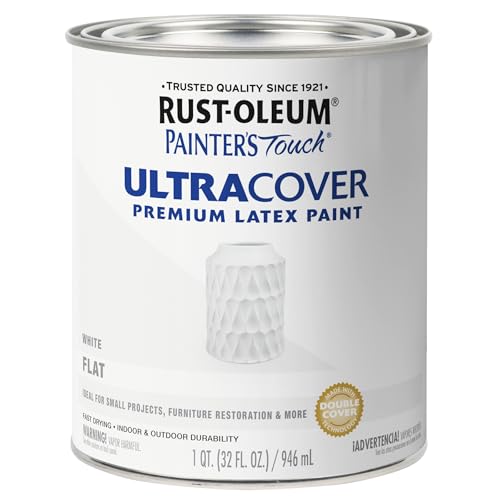
Use for a variety of indoor and outdoor project surfaces including wood, metal, plaster, masonry or unglazed ceramic
Safety and Protection
Before you begin painting between your deck boards, you’ll need to prioritize thorough safety measures that protect both your physical health and your work environment. Start with appropriate safety gear, including goggles, gloves, and respiratory protection when using solvent-based products. Wear protective clothing to shield against paint splashes and airborne particles.
Next, complete extensive hazard removal by clearing furniture, debris, and tripping hazards from your work area. Secure all ladders properly and inspect power tools before operation. Establish proper ventilation by opening windows and doors to manage fumes effectively. When working near freshly cut composite boards, be aware that composite cutting generates significant dust requiring additional cleanup planning.
Choose ideal weather conditions—mild temperatures, moderate humidity, and adequate daylight—for both safety and application quality. Post warning signs to restrict access and prevent accidents involving bystanders or children during your project. A well-maintained deck with fresh paint complements outdoor structures like pergolas that enhance your overall yard aesthetics and usability.
Finishing and Maintenance
Once you’ve applied your final coat and allowed adequate curing time, maintaining your painted deck boards becomes essential to preserving both the aesthetic appeal and protective qualities of your finish. Establish maintenance schedules by inspecting your deck annually for chipping, fading, or wear. Reapply sealant and stain every 1-3 years depending on climate and product type. Touch up deteriorated areas promptly using well-mixed paint to guarantee uniform color. Your finishing techniques should include applying a clear water-repellent sealer over painted surfaces for enhanced moisture and UV protection. Before reapplication, ensure proper surface preparation by cleaning away dirt and old residue to allow the new finish to adhere evenly. Allow at least 24 hours of dry weather before exposing your deck to moisture or foot traffic to optimize stain absorption and curing. Avoid harsh chemicals and pressure washers immediately after application. Monitor seasonal weather impacts, as wood expansion and contraction affect coating integrity. This proactive approach extends your deck’s lifespan considerably.
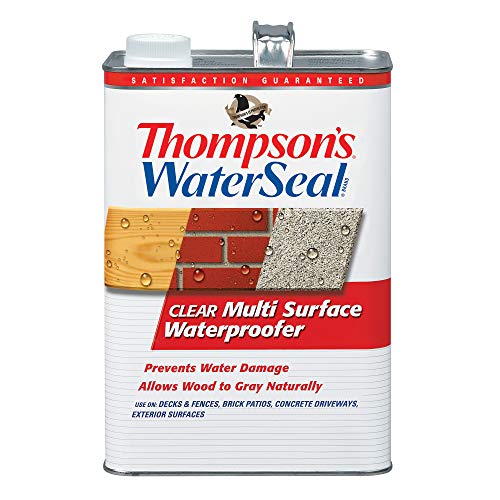
WATERPROOFING STAIN – Bring out the beauty of your outdoors with Thompson’s WaterSeal Clear Multi-Purpose Waterproof Stain. Proven to waterproof concrete, brick, exterior wood and other exterior surfaces.

CLEAR WATERPROOFING WOOD SEALER: Olympic WaterGuard clear sealer waterproofs and protects exterior wood and masonry without changing the surface's natural look.

SUPERIOR PROTECTION: Our concrete sealer forms an invisible, filmless, hydrophobic barrier that shields concrete surfaces from water, salt, oil, stains, efflorescence, harsh weather, and other contaminants, ensuring long-lasting durability.
Common Mistakes to Avoid
Even with meticulous planning and quality materials, you can undermine your entire project by making preventable mistakes during preparation and application. Improper surface preparation—skipping cleaning, sanding, or stripping old finishes—prevents adequate stain adhesion and coverage. Ignoring weather conditions by applying paint in extreme heat, humidity, or direct sunlight causes uneven drying and moisture entrapment. Inadequate application techniques, such as failing to maintain wet edges or rushing through sections, result in lap marks and visible seams. Using wrong tools like cheap brushes creates streaks and uneven finishes, particularly between boards. Finally, neglecting to properly mix stains from multiple cans produces color and sheen variations throughout your deck. Power washing removes dirt, mold, and contaminants that interfere with stain adhesion, so prioritize thorough cleaning before any application. Testing your stain color on a small patch of your deck ensures you’re satisfied with the final appearance before committing to the entire surface. Avoiding these mistakes guarantees professional, long-lasting results.
Best Practices for Professional Results
Now that you’ve identified the pitfalls that derail deck painting projects, implementing strategic techniques will elevate your results to a professional standard. Invest in best brushes—high-quality angled models measuring 2-3 inches deliver precision in tight spaces. For seamless finishes, maintain a wet edge by working systematically in small sections from one end to the other. Apply thin, even layers using long strokes along the wood grain with consistent pressure. Back-brush after rolling or spraying to secure thorough paint penetration. Follow manufacturer drying times between coats meticulously, allowing sufficient drying and curing time to ensure proper adhesion before applying subsequent layers. Consider using a high-quality sprayer with adjustable nozzles for hard-to-reach areas like balusters, which can significantly improve efficiency and provide more uniform coverage in intricate deck sections. Inspect between boards post-drying for touch-ups. This methodical approach minimizes lap marks, streaks, and missed coverage, guaranteeing a polished, durable deck surface that withstands outdoor conditions.

2 Inch Angled Paint Brush for Precision Cutting-In – Designed for clean, sharp lines around trim, baseboards, ceilings, corners, and detailed edge work. The perfect size for control and coverage.

Flexible purple Shergrip handle that measurers only 2 Inches long that adds maneuverability in tight spaces
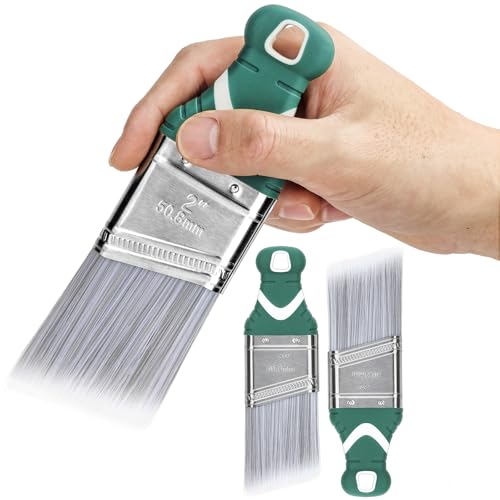
【What You Get】3pcs 2-Inch short handle angle paint brush, featuring synthetic bristles, stainless steel ferrule, and rubber grip with hanging hole. Use with all paints, easy to clean, simply rinse to remove paint and air dry for reuse. Size: 6.5"L x 2"W x 0.6"H, weigh 70 grams each.
Long-Term Deck Care Tips
Because your freshly painted deck represents a considerable investment, maintaining that polished finish requires a strategic, ongoing commitment to preventive care. You’ll want to establish consistent deck maintenance routines that address seasonal cleaning needs and protect your painted surfaces. Sweep debris regularly and wash your deck multiple times yearly with mild detergent to prevent mold growth. Conduct thorough inspections biannually, checking for loose boards, cracks, and decay—particularly near ground and water sources. You should reapply protective sealant every few years to shield paint from moisture and UV damage. Implement proper water management by removing pooled water and ensuring adequate drainage, similar to how tensioning hardware maintains structural integrity in outdoor installations. For optimal long-term protection, consider applying automotive or marine wax periodically to create an additional protective barrier against environmental damage. Schedule seasonal cleaning before winter arrives and again in spring to remove accumulated damage. These proactive measures considerably extend your deck’s lifespan and preserve your investment.