How to Enclose Your Pergola for Winter Protection
To enclose your pergola for winter, you’ll first assess its structural integrity by inspecting beams, posts, and foundations for damage. Reinforce posts with larger dimensions and implement cross-bracing to handle snow loads. Install a steeply pitched roof system using durable materials like galvanized steel or polycarbonate, then add side enclosures—clear vinyl for mild climates or polycarbonate for severe conditions. Apply protective sealants to vulnerable joints, clear gutters regularly, and maintain drainage systems throughout winter. These foundational steps’ll prepare you for the thorough strategies that follow.
Assess Your Pergola’s Structural Integrity
Before you enclose your pergola for winter, you’ll need to assess whether it’s structurally sound enough to handle the additional stresses. Start by conducting a thorough visual inspection of all beams, rafters, posts, and joints, looking for cracks, warping, or corrosion. Check that fasteners are secure and connections show no gaps or movement.
Evaluate your pergola’s load distribution capacity, considering snow weight and enclosure materials. Review beam size and rafter spacing against local building codes. Inspect the foundation to confirm footings are set below the frost line and anchoring systems are properly rated. According to Ohio building standards, deck posts must be set in footings with a minimum depth of 36 inches and be provided with lateral restraint through manufactured connectors or post embedment.
Examine all materials for rot, rust, or deterioration. If you’ve identified concerns affecting structural stability, consult an engineer before proceeding with enclosure modifications. Be aware that enclosing your pergola may trigger permit requirements depending on your jurisdiction’s regulations and the extent of the modifications you’re making.
Reinforce Posts and Beams for Snow Load Capacity
Your pergola’s posts and beams form the structural backbone that’ll determine whether it can safely support winter’s weight. Upgrade from standard 4×4 posts to 6×6 or 8×8 dimensions to increase flexural resistance and load-bearing capacity. Your material selection directly impacts performance—aluminum maintains structural integrity in freezing temperatures better than some alternatives, while steel offers superior strength.
Optimize post spacing by positioning supports closer together to improve load distribution across your structure. For typical wood beams, maintain beam spans of 6 feet or less between supporting posts to ensure structural integrity and prevent sagging under snow loads. Reinforce beams with larger dimensions to prevent sagging under snow accumulation. Verify connection points between beams and posts use properly sized hardware rated for significant stress.
Implement 45-degree cross-bracing to stabilize your pergola and distribute weight uniformly. These structural enhancements work together to maximize your pergola’s snow load capacity and winter durability. Consider adding retractable canopies or other protective features to further shield your outdoor space from harsh winter conditions while maintaining year-round usability.
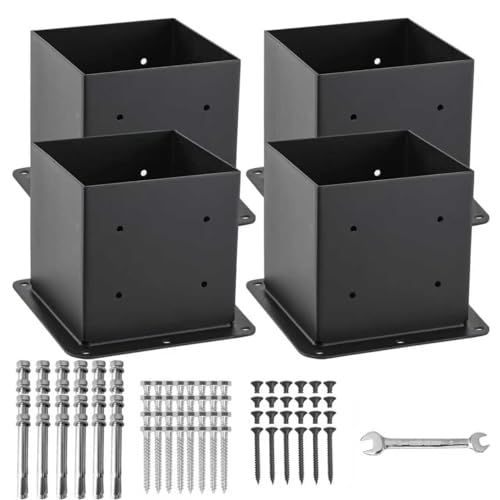
Material Of 6x6 Post Base: Made of Solid Steel, Black Powder Coated, Rustproof and Strong.

Robust Construction: This post base features 3/16-inch thick hot dipped galvanized and powder coated steel, ensuring durability and resistance to weathering, making it ideal for your pergolas, decks, and other outdoor structures

Used for 6×6 post to attach 4x4 beam
Install a Roof System to Shed Snow and Moisture
While reinforced posts and beams form your pergola’s structural foundation, they’ll only perform effectively if you protect them from winter’s moisture and snow accumulation. You’ll want to install a roof system with a steep roof pitch—minimum 3:12—enabling snow to slide off efficiently rather than accumulate. Choose durable materials like galvanized steel or polycarbonate, which withstand heavy snow loads and resist corrosion. For enhanced weather protection and year-round functionality, consider louvered and motorized systems that allow you to adjust coverage based on seasonal conditions and precipitation levels.
Equally critical is incorporating integrated drainage systems. Install fully extruded gutters and downspouts that channel melted snow and water away from your structure. Proper drainage prevents stagnation, eliminates ice dam formation, and protects your pergola from freeze-thaw cycle damage. To further protect your pergola’s wooden components from water damage, ensure all exposed wood surfaces are properly prepared and sealed, as inadequate surface preparation can lead to peeling and poor adhesion of protective finishes. Clear gutters regularly throughout winter to maintain peak performance and prevent water backup that could compromise your enclosure’s integrity.

Heavy-Duty Metal Panels: Our metal roof panels are crafted from high-quality galvanized steel, offering long-lasting weather resistance, corrosion resistance, rust prevention, and waterproofing. These panels remain robust and durable even under extreme weather conditions.
Heavy-Duty Metal Panels: Our metal roof panels are crafted from high-quality galvanized steel, offering long-lasting weather resistance, corrosion resistance, rust prevention, and waterproofing. These panels remain robust and durable even under extreme weather conditions.

High Quality Material - Domi metal roof panels are made of high-quality galvanized steel, offer exceptional corrosion and rust resistance, and are engineered to withstand extreme weather conditions, including heavy rain, strong winds, UV rays, hail, and snow.
Choose Side Enclosure Materials for Your Climate
Once you’ve established your pergola’s structural integrity with reinforced posts and a protective roof system, selecting the right side enclosure material becomes the next critical decision—one that’ll depend entirely on your regional climate conditions and long-term maintenance preferences. Clear vinyl enclosures offer affordability and seasonal flexibility, though they’re best suited for mild winters. Polycarbonate panels deliver superior insulation and durability against harsh conditions, making them ideal for severe climates despite higher costs. Weather-resistant curtains provide temporary coverage for moderate regions, while acrylic panels balance clarity with permanence for moderate-to-severe winters. Heavy-duty fabric covers protect against precipitation and moderate snowfall but require adequate structural support, similar to how proper joist spacing ensures deck stability under load. Just as deck railings must meet minimum height requirements established by building codes to ensure safety, your pergola enclosure should also comply with local structural regulations for wind and snow load capacity. Evaluate your climate’s precipitation patterns, wind speeds, and temperature extremes before finalizing your material selection to guarantee peak protection and longevity.

DESIGNED FOR VERTICAL PANEL EDGES – These vertical closure strips are made to seal the sides and edges of corrugated and polycarbonate roofing panels, ensuring a tight and secure fit.
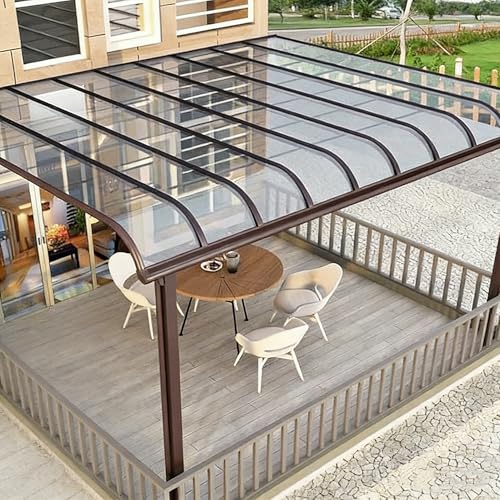
Sturdy and durable:The made from polycarbonate material, 1.5mm thick, offering transparency comparable to glass. Features waterproofing, thermal insulation, anti-aging, and impact resistance

【All Aluminum Top & Superior Load Capacity】 The aluminum roof and column structure underwent complete structural engineering tests to ensure the stability of this gazebo. Securely affixed to both wall and ground, this pergola boasts a formidable wind resistance up to 38mph and effortlessly carries up to 6 inches of snow. Crafted with a remarkable 55lbs/㎡ load-bearing capacity, it stands firm against harsh conditions like heavy snowfalls and downpours
Apply Protective Sealants to Wood and Metal
Sealing joints, seams, and gaps throughout your pergola creates a critical moisture barrier that prevents water infiltration and protects structural materials from freeze-thaw damage. You’ll choose sealant types based on your pergola’s material composition and climate conditions. Silicone sealants excel for metal and mixed-material joints due to their flexibility and UV resistance. Polyurethane sealants perform better in high-movement areas and harsh climates. For application techniques, you must clean and dry all surfaces thoroughly before sealant application to guarantee peak adhesion. Focus on corners, brackets, fasteners, and post bases where water typically penetrates. Apply sealant around roof edges and overlaps with flashing for complete coverage. Regular maintenance, such as cleaning debris and using deterrents, can help prevent future damage from environmental factors. Properly applied cold-weather sealants resist cracking during freeze-thaw cycles and last one to three years before reapplication. Consider using resin materials for pergola components, as resin resists water absorption and mold growth better than traditional wood or metal, reducing the need for frequent sealant reapplication.

Sensor-Safe, General Purpose Black Rtv Indoor/Outdoor Sealant

Premium Metal Roof Sealant: Elastomeric polymer formula provides strong adhesion to aluminum, copper, galvanized steel, Kynar coated metals, and most building materials.

Waterproof sealant: This clear caulk seals out air, water, and moisture with 100% silicone as cured
Manage Snow Accumulation and Drainage Effectively
Because snow accumulation poses one of the most crucial winter threats to pergola structural integrity, you’ll need to implement extensive strategies that address both snow buildup and water drainage. Design your pergola roof with a proper slope angle that prevents snow retention by directing runoff effectively. Lower certain posts relative to others to create pitched roof profiles that promote natural drainage. Install gutters or drainage channels to direct melting snow away safely and prevent water pooling that causes ice dams. Consider adjustable or louvered roof systems that you can manually open after snowstorms to minimize weight stress. Implement snow sensors that detect excessive accumulation and alert you for timely removal. Ensure your pergola’s structural foundation is adequately prepared with appropriate footing depth to handle the additional weight and stress from winter conditions. Using corrosion-resistant fasteners throughout your pergola structure ensures that drainage systems remain secure and functional even as snow and ice melt create moisture-rich conditions. These drainage solutions work together to reduce structural damage risks and extend your pergola’s winter durability considerably.
Clear Gutters and Downspouts Before Winter Arrives
Before winter weather intensifies, you’ll need to clear your pergola’s gutters and downspouts of accumulated leaves, twigs, and debris that compromise drainage performance. Start by manually removing visible blockages, then flush the system with a garden hose to identify persistent clogs. Inspect gutters for cracks, holes, rust, or sagging sections that’ll worsen under snow and ice loads. Tighten all brackets and fasteners to guarantee structural integrity during winter months. Check downspout connections and verify they extend away from your foundation to prevent water pooling. Consider installing gutter guards to minimize future debris accumulation. For additional protection, ensure any outdoor electrical components like low-voltage lighting systems are properly secured and elevated to prevent moisture damage during winter. Applying water-repellent sprays to wood pergola surfaces before winter creates an invisible barrier that helps water bead and roll off rather than seeping into the structure. This thorough gutter maintenance strategy protects your pergola’s structural integrity while establishing proper winter preparation protocols for best performance throughout the season.
Add Heating Solutions for Year-Round Comfort
Once you’ve secured your pergola’s structural integrity through gutter maintenance and weatherproofing, you’ll want to incorporate heating solutions that extend your outdoor space’s usability into colder months. Infrared heaters deliver targeted warmth efficiently, with options like CarbonBraid technology providing quick warm-up times. Mount these heaters directly into your pergola structure or on adjoining walls for seamless integration.
Motorized louvers enable precise climate control by adjusting sunlight exposure and airflow retention. Remote-controlled systems automatically close during precipitation, protecting your space while optimizing temperature regulation. Consider pairing your motorized louver system with louvered roof panels for comprehensive weather protection and enhanced functionality.
Enhance your investment with compatible heating accessories: WiFi-enabled controllers allow smartphone management, while LED ambiance lighting creates inviting evening atmospheres. Aluminum construction with protective coatings guarantees weather durability through harsh winter conditions, while UL certification assures safety compliance for heavy snow loads and wind resistance. To maintain your heating equipment and other outdoor components, establish a regular maintenance routine that includes cleaning with soft-bristled brushes to avoid damage to sensitive materials and prevent mold growth.
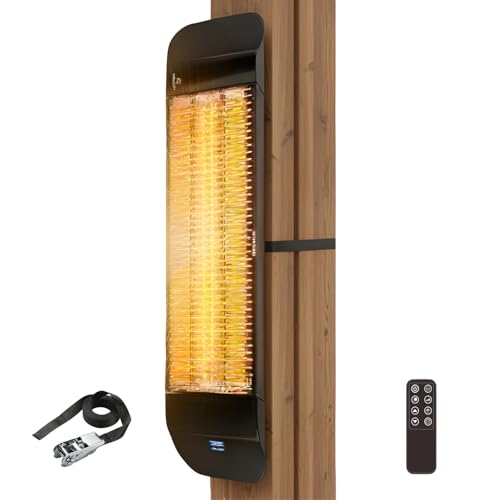
Instant Infrared Heating Technology: The ZeboZap KDHT1500 Infrared Electric Patio Heater delivers instant, focused warmth using advanced carbon infrared technology. Unlike traditional heaters that heat the air, this unit directly warms people and objects for efficient comfort indoors or outdoors
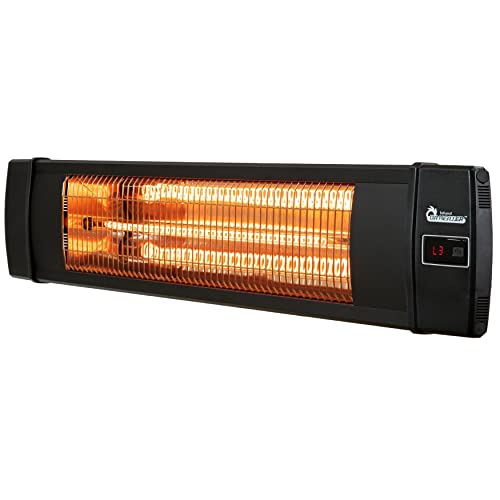
INDOOR and OUTDOOR HEATER - Heater is IP55 approved for both indoor and outdoor use - perfect for home, backyard, garages, open-air restaurant, outdoor patio or deck. Create a comfortable environment for both your indoor activities and outdoor recreation.

Waterproof & Weather-Resistant for Outdoor Use: Built for year-round performance, this electric hanging patio heater is weather-resistant and perfect for outdoor heaters for patio use—even in rain or snow. The dust cover adds protection during storage, extending the life of your patio heater. Ideal for gazebo heaters for outdoor use, covered porches, and balconies.
Maintain Your Winter Pergola Throughout the Season
As winter weather intensifies, your pergola requires active maintenance to preserve structural integrity and prevent costly damage. You’ll need to perform regular visual inspections, identifying any new cracks, rust, or structural issues caused by snow and ice. Clear debris and snow promptly using soft brooms to prevent moisture accumulation and reduce weight strain.
Inspect drainage systems carefully, ensuring gutters and downspouts remain unobstructed to prevent water pooling around the foundation. Check seals on retractable roofs or panels for gaps that could allow water infiltration.
For enclosed pergolas, you should turn off motorized louvered systems during heavy snow conditions. If you’ve installed pergola lighting or positioned winter plants nearby, monitor them regularly for ice damage. Remove any hanging decorations that could become hazardous. Additionally, ensure cushions and fabric components are treated to prevent mold and mildew growth during prolonged wet winter conditions.