Modern Adirondack Chair Plans: DIY Outdoor Comfort
You’ll create a modern Adirondack chair by selecting durable materials like composite blends or aluminum for contemporary aesthetics. Gather essential tools—jigsaws, cordless drills, and countersink bits—to execute precise cuts and efficient fastening with deck screws. Pre-drill holes to prevent splitting, sand progressively from 80 to 220-grit, and apply water-repellent sealers for weather protection. Customize seat height, armrest width, and finish colors to match your style. Uncover the specific construction techniques and maintenance strategies that’ll keep your chair structurally sound for years.
Choosing the Right Materials for Your DIY Project
You’ll find five primary material categories for building Adirondack chairs, each offering distinct advantages. Wood types like cedar and teak provide warmth and traditional aesthetic appeal, though they demand regular maintenance. Plastic options—HDPE and recycled polywood—deliver lightweight durability with minimal upkeep and strong environmental impact benefits. Metal choices using aluminum or stainless steel suit modern designs while resisting rust effectively. Composite materials blend wood fibers with recycled plastics, mimicking natural aesthetics without splinter risk or extensive care requirements. For those seeking premium wood options, Ipe wood stands out as an exceptional choice that can last for decades with minimal maintenance due to its natural oils and resistance to rot and decay. Another excellent sustainable alternative is larch wood, particularly Siberian larch, which offers natural weather resistance and can last 10–50 years or more with proper maintenance.
Consider your priorities carefully. If you value low maintenance and sustainability, plastic or composite materials excel. For classic aesthetic appeal with higher maintenance tolerance, wood types work well. Metal choices suit contemporary outdoor spaces. Evaluate durability needs, climate conditions, and long-term commitment before selecting your material foundation.
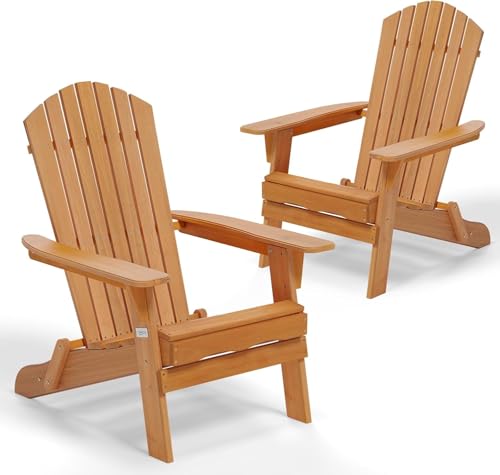
【Sturdy & Stable】 Plus thick and durable solid wood frame, stable 4-leg struction is stronger and safer. Heavy-duty material simulates the density of natural fir wood while protecting against splinters, peel or rot.

Package Include: this comprehensive woodworking project kit contains a complete set of templates precision cut from 7/ 32 inch medium density fiberboard mdf; These reusable stencils are designed to help you craft a nice grade adirondack chair with ease and accuracy, our adirondack chair templates kit does not include the instruction

Material List Included: Cardboard templates + Hardware (DOES NOT INCLUDE WOOD)
Essential Tools and Hardware for Construction
Building your Adirondack chair requires investing in quality tools that’ll handle the specific demands of curved cuts, precise joinery, and weather-resistant assembly. Your tool selection strategies should prioritize a jigsaw for curved components and a circular saw for structural cuts. A cordless drill with countersink bits enables efficient fastening, while clamps guarantee proper alignment during glue-ups.
For fastener types comparison, use 1 1/4-inch deck screws for slats and smaller components, reserving 2-inch and 2 1/2-inch screws for structural joints and legs. Exterior-grade hardware resists corrosion effectively. Pre-drill holes to prevent splitting near edges. Sand progressively from 80-grit to 220-grit, starting with an orbital sander before hand-finishing detailed contours. To maximize your chair’s lifespan, regularly seal or stain wood surfaces to protect against moisture and weathering. When attaching your finished chair to a deck or structure, consult local building codes to ensure your installation meets all regulatory requirements. This systematic approach guarantees durability and professional results.

137PCS 3-INCH DECK SCREWS: The 2-pound package includes approximately 137 pieces of #10 x 3-inch deck screws and one matching T25 star drive bit. A practical exterior wood screw set for decks, fences, framing and general outdoor construction projects.

【ABOVE 1500HRS SALT SPRAY TEST】FIXLINK wood screws have passed about 1500 hours salt spray test provide exceptional protection against rust and corrosion, specifically designed to work best with either pressure-treated lumber or composite decking. These deck screws for exterior can be exposed to the sun, humidity, rain, and snow conditions for a long time

Step-by-Step Building Instructions
With your tools prepared and materials selected, the assembly process begins by organizing and preparing each component for efficient construction. You’ll cut all pieces to size using your miter saw for precise angled cuts, then mark pocket hole locations on board surfaces. Sand edges thoroughly to eliminate splinters.
Your building techniques should prioritize systematic organization—group parts by type to streamline assembly. For the seat structure, you’ll attach the front apron to leg assemblies using pocket-hole screws, then space seat slats 1/4″ apart. Assembly tips include securing slats with exterior nails and verifying squareness before final tightening.
When constructing the backrest, drill pocket holes in supports and assemble using exterior wood screws at specified intervals. Finally, attach the completed backrest to your seat structure, gradually tightening fasteners alternately to prevent misalignment. Use galvanized hardware like hex bolts and washers to ensure your chair’s structural supports are securely fastened and resistant to outdoor elements. After construction is complete, apply water-repellent sprays on wood surfaces to create a protective barrier that helps preserve your chair’s durability through rainy seasons.

【SQUARE DRIVE】Deep square pocket hole screws have a wide contact surface with the driving drill bit, 4 square edges can reduce driving torque and without slipping, and the flat bottom head ensures a tight fit to avoid stripping during driving work

【For Pocket Hole】: Optimized pocket hole screws 1-1/4 inch length and washer head is designed for invisible hardwood pocket hole. Avoiding over-drilling, and effectively predicted the screw position while drilling.
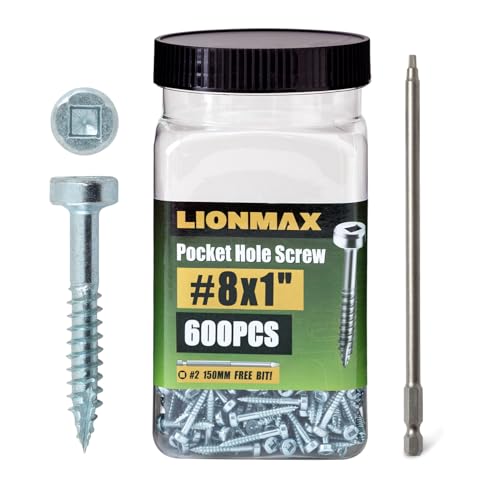
【For Pocket Hole】: Optimized pocket hole screws 1 inch length and washer head is designed for invisible hardwood pocket hole. Avoiding over-drilling, and effectively predicted the screw position while drilling.
Design Variations and Customization Options
Once you’ve mastered the fundamental construction techniques, customizing your Adirondack chair opens endless possibilities for aesthetic and functional refinement. You can modify design aesthetics by straightening the backrest for contemporary appeal or adding curved rocker bases for dynamic movement. Adjust seat height to accommodate counter-height tables or improve accessibility. Incorporate functional features like fold-flat capabilities for portability, elevated footrests for ergonomic support, or widened armrests as beverage surfaces. Experiment with material choices—upgrade to grade-A teak for premium durability or integrate recycled composites for sustainability. While acacia wood offers a cost-effective alternative, keep in mind that acacia’s durability typically lasts 15-20 years compared to teak’s superior longevity. Customize color palettes to complement your outdoor architecture by applying a protective finish using brush-on staining techniques to enhance wood grain and ensure long-lasting color vibrancy. Consider Scandinavian-inspired tapered legs or minimalist geometric forms. Each modification enhances both comfort and visual integration with your specific outdoor living space.
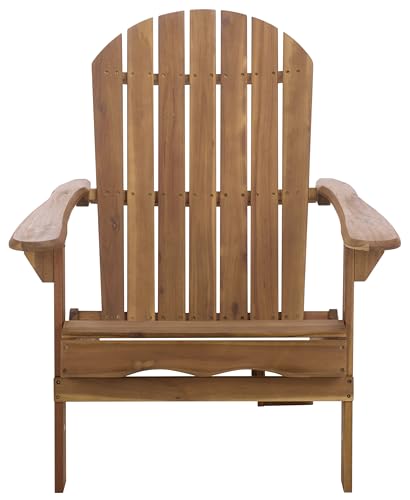
[ADIRONDACK CHAIR]: SAFAVIEH Eden Adirondack Chair is an outdoor patio chair that suits the fire pit, deck, front porch, backyard or lawn, with the slanted back and wide arms an Adirondack is known for.

【STRONG& DURABLE】This garden Adirondack chair is made of 100% fir wood and handled with burnt sealed to withstand corrosion, water and prolonged exposure, making this outdoor rustic chair more durable and longer lasting. Solid wood construction is strong enough to hold up to 350 pounds, providing a solid seating area year after year, Our chair is made from FSC-Certified wood
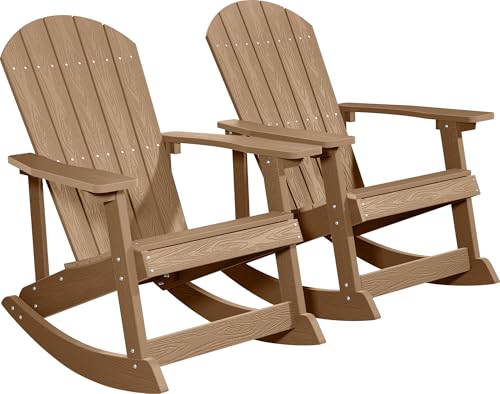
[Classic Style]: YEFU Adirondack rocking chair is a cleverly conceived piece of the designer. The classic Adirondack shape and rocker features give you a more comfortable experience. Buy with chair cushions and side tables together, you will get a set of YEFU furniture.
Finishing Touches and Weather Protection
After you’ve completed all structural modifications and repairs, proper surface preparation and protective finishing become essential to guarantee your Adirondack chair withstands weather exposure and maintains its aesthetic appeal. Sand thoroughly to remove roughness and old finishes, then wipe away sawdust before applying finishing techniques. For wood chairs, use oil-based bonding primers with outdoor-grade paint or stains like SICO ProLuxe, which provides UV protection lasting 2-5 years per three coats. Apply multiple coats with light sanding between layers, avoiding heavy applications that prevent wood breathability. For plastic chairs, use plastic-specific spray paint followed by a protective topcoat. Similar to achieving seamless deck surfaces, paying attention to careful surface preparation ensures a clean, professional finish that enhances both durability and appearance. Varnish, particularly spar varnish, is generally superior to polyurethane for outdoor wooden furniture because it offers flexible protection and accommodates wood movement in changing weather conditions. Top your finish with exterior waterproof sealer or spar urethane for enhanced weatherproofing methods. Regular re-coating every few years maintains protection and extends your chair’s longevity.

Ideal for use on exterior wood surfaces above the water line, including trim, railings and wood furniture
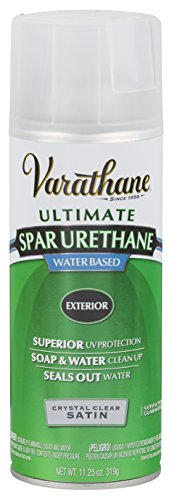
Protects outdoor wood surfaces such as furniture, fences, boats, trim and more

Protects outdoor wood surfaces such as furniture, fences, railings, trim and more
Maintenance Tips for Long-Lasting Comfort
Your Adirondack chair’s longevity depends on consistent maintenance that addresses cleaning, inspections, seasonal adjustments, and material-specific care. Establish a cleaning frequency of every few weeks using mild soap and soft brushes to prevent dirt accumulation without damaging finishes. Remove debris promptly before washing, then rinse thoroughly to prevent mildew growth.
Conduct regular inspections for loose hardware, splintering wood, or cracks, addressing issues immediately to maintain structural integrity. Make seasonal adjustments by increasing cleaning during wet months and drying chairs completely after moisture exposure. Before winter, clean thoroughly and store indoors or under breathable covers to avoid moisture accumulation that can damage your furniture.
Apply material-specific treatments annually—sealants or oils for wooden chairs, protective wax for Polywood, and mild detergent for plastic or composite furniture. Avoid pressure washing wood and never cover wet furniture without ventilation to prevent deterioration. Using durable and weather-resistant protective covers shields your chair against UV rays, dirt, pollen, rain, snow, and wind damage throughout all seasons.