

How to Hang String Lights on Your Deck Like a Pro
You’ll transform your deck by evaluating dimensions, identifying mounting points, and ensuring GFCI-protected power sources. Install heavy-duty eye bolts or screw hooks rated for at least 15 pounds of weight. Use galvanized steel cable with 1/16-inch minimum thickness spaced 12 to 18 inches apart. Attach lights with outdoor-rated clips, maintaining even spacing to prevent sagging. Conduct monthly inspections for damaged wires and loose connections. Follow electrical safety codes throughout installation. The complete process involves additional critical techniques that’ll elevate your setup.
Preparation and Planning Your Deck Layout
Before you hang a single string light, you’ll need to assess your deck’s dimensions and layout to determine how many strands you’ll need and where they’ll go. Measure your total square footage to calculate suitable strand length and quantity for your deck design.
Identify focal points where mounting structures should position for ideal light distribution. Map the distance each strand will hang to guarantee adequate coverage without gaps. Consider your deck’s shape—square, rectangular, or irregular—when selecting hanging patterns that enhance lighting aesthetics.
Evaluate proximity to your house and outdoor structures that can serve as natural anchor points. Ensure you plan for a GFCI-protected outdoor power source to safely connect your string lights and meet electrical code requirements. This assessment prevents costly mistakes and guarantees your installation meets electrical code requirements while achieving balanced visual impact across your entire outdoor space. If your deck is made from cedar, ensure routine maintenance is part of your overall outdoor care plan to protect your investment.

【 55ft LED Connectable String Lights 】- This outdoor light comes with 25+2 G40 LED bulbs. Each bulb is 2 feet apart for a total length of 55 feet. It supports an end-to-end connection of up to 14 strings, allowing you to customize the length you need. These lightweight and convenient patio lights are easy to carry and store

【Durable Quality, Energy Efficient】 Brightown led outdoor lights for patio, with commercial-grade wire and 32 shatterproof weatherproof LED bulbs (3 ft space)(2 spares), reduce electricity consumption by over 90% compared to incandescent bulbs. These outdoor patio lights can be linked up to 24 strings to brightly illuminate large areas year-round, and the long-lasting bulbs ensure extended use.(Not rechargeable, no remote control included)
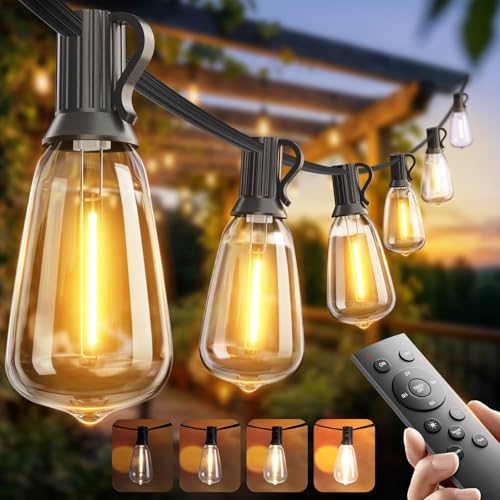
【Remote Control – Adjust Lights Without Getting Up】Sit back and use the remote to turn your lights on/off and fine-tune the brightness. Easily move from a gentle evening glow to bright lighting for cooking, gatherings, or game night, all without walking over to the outlet. The maximum remote control range is 50 feet.
Selecting the Right Mounting Hardware
The success of your string light installation depends entirely on choosing hardware that’ll safely support the weight and tension of your strands while meeting electrical codes. Start with mounting surfaces selection by identifying sturdy mounting points—wall studs, fascia boards, or 4×4 posts—that can handle the load. Perform weight capacity evaluation by verifying each mounting point supports at least 15 pounds of tension minimum. For permanent installations, use heavy-duty screw hooks or eye bolts rated for outdoor use. Select galvanized steel cable with minimum 1/16-inch thickness to resist corrosion. Include turnbuckles for tension adjustment and cable clamps for secure fastening. UV-resistant zip ties and specialized S-hooks complete your hardware selection, ensuring professional-grade durability and seasonal flexibility. Just as UV-resistant fabrics protect outdoor cushions from sun damage, your string light hardware should also feature UV-resistant components to withstand prolonged sun exposure and maintain structural integrity throughout the seasons. Proper wire spacing of 24″-30″ between perimeter lights allows joining cables to run efficiently under joists without pinching or creating tension points that could compromise your installation.
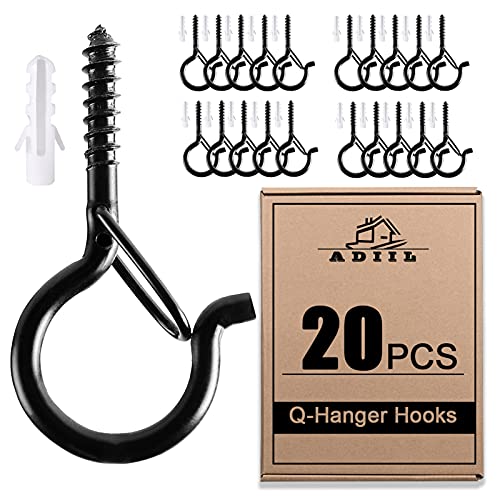
Safety Buckle Design: Add safety buckle design to prevent hanging objects from falling, even in high wind. Compared with ordinary ceiling hooks, the q hanger hooks are weatherproof and wind resistant, suitable for hanging outdoor patio string lights. No worry about items being knocked off, more secure
![[HEAVY-DUTY] 200Lbs 5’’ M8 Q-Hanger Hook with Safety Buckle & Washer, 4Pcs](https://m.media-amazon.com/images/I/51NnubjUg-L._SL500_.jpg)
[200LBS UPGRADED LOAD CAPACITY] Our Q-hanger hooks have been significantly strengthened with a larger size—increased thickness of 8mm and length of 5 inches—allowing them to support up to 200 pounds. This is a major upgrade compared to standard hooks, making them ideal for heavy-duty hanging needs both indoors and outdoors, ensuring safety and durability in every use.

【Heavy Items】 Each heavy-duty screw hook provides strong holding power without bending or breaking. Perfect for hanging ladders, tool bags, punching bags, wall art, and garage storage. Screw in hooks work securely on wood and plywood for long-lasting use.
Installing Poles for Optimal Support
While proper mounting hardware establishes a foundation for your installation, strategically positioned poles provide the structural framework that’ll distribute weight evenly across your deck. Telescoping poles offer adjustable height options, allowing you to accommodate various deck configurations and overhead obstructions. When selecting securing methods, choose anchoring techniques appropriate for your deck type: drive spike bases directly into ground for freestanding installations, or use deck screws to attach brackets to railing posts for permanent support. For decks without ground access, anchor poles in planter containers filled with sand or cement for stability. Always drive or anchor poles as deeply as possible to maximize resistance against tipping. Double-check all connections and set screws before hanging lights, ensuring your installation meets safety standards and supports the intended load capacity. To prevent sagging and maintain a clean appearance, position your poles to support mounting clips spaced 12 to 18 inches apart throughout your installation. Using specialized hardware like Patio Roof Risers can streamline your installation by allowing direct attachment to existing structures without invasive modifications.

What Can You Receive - You will receive 6 extension pole adapter tips, coming with 6 nuts, 6 short screws, 6 long screws and 6 blind rivets. The complete combination and rich quantities are enough to meet your needs for installations and extensions.

EFFORTLESS DOCKING MADE SIMPLE - Eliminate the dangers of overextending or misjudging distances with the Boat Loop's extendable fiberglass pole. Adjusts from 2–8 feet for safe, stress-free docking in tight spaces, windy conditions, and strong currents.
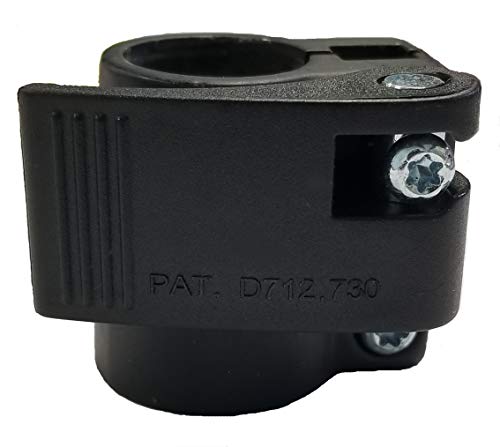
EXTRA or REPLACEMENT PARTS - Keep a cam lock on hand if you need an extra.
Running Cable and Wire Configurations
Once you’ve secured your poles, you’ll need to select appropriate cables and configure them to support your string lights safely and effectively. Choose galvanized or stainless steel cable in 1/8-inch gauge for spans exceeding 15 feet. Install cables at least 7 feet above ground to eliminate tripping hazards.
Implement cable tensioning techniques using turnbuckles positioned between anchor points and cable ends. This adjustment mechanism enables you to achieve ideal tension post-installation. For sag prevention methods, maintain consistent tension across all cable runs and inspect periodically for slack development.
Plan your cable layout before installation—space cables 4 to 6 feet apart for grid patterns. Use cable clamps, screw eyes, or C hooks for secure attachment depending on your anchor surface. Inspect all hardware annually for corrosion and tightness to guarantee ongoing safety compliance.

GALVANIZED STEEL - Our jaw and jaw turnbuckle is galvanized and well made to better protect the steel and keep it high performance, adding a long service life. They are structurally stable and can withstand loads of 2200 lbs.

Adjustable Turnbuckles: You will get 2 packs 1/2 inch M12 turnbuckle hooks, adjustable from 13 inches to 20 inches. Tension is created by tightening the turnbuckle. The working load limit is about 2205lbs. You can adjust the length as you needed.

Long Lasting:Our turnbuckles are hot-dip galvanized to protect steel from moisture,corrosion, and other elements. No other type of protective coating can make steel so long-lived, so you're sure to use our turnbuckles for years!
Attaching and Securing Your Lights
Attach string lights directly to tension wires using clips specifically designed for outdoor fixtures. Small wires attached to individual bulbs twist loosely around main support wires, securing each light without overtightening. Maintain even spacing between fixtures to prevent uneven load distribution and potential sagging.
Keep all wiring neat and organized to reduce visual clutter and eliminate tripping hazards. For additional securing options, consider using outdoor-rated Command hooks or zip ties to anchor your light strands without damaging your deck structure. Use stainless steel fasteners throughout, as they resist corrosion better than standard hardware. After positioning all lights, perform a final inspection before tightening any connections, preventing damage from over-tightening. Just as proper surface preparation techniques are essential for deck staining, ensuring your string light fixtures are properly secured and positioned will contribute to the overall longevity and safety of your outdoor installation.
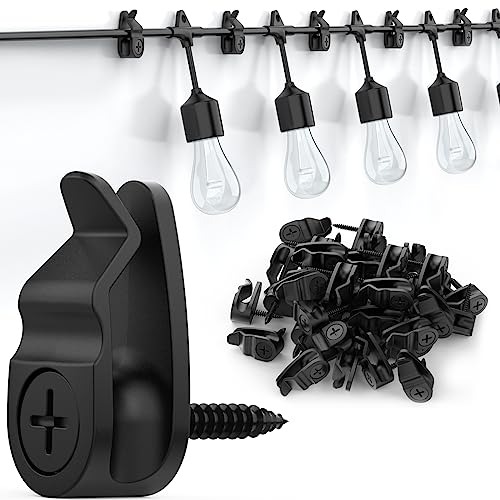
Secure and Stable: Our 50-pack Outdoor Light Hangers are designed with screw mounts for unparalleled stability, ensuring your string lights and decorations remain securely in place without swinging or falling.

ONE LIGHT CLIP FOR EVERY TWO FEET OF LIGHTS: One package of the Command Clear Outdoor Light Clips includes 20 clear hooks and 24 small water-resistant Command Strips; use one light clip for every two feet of lights
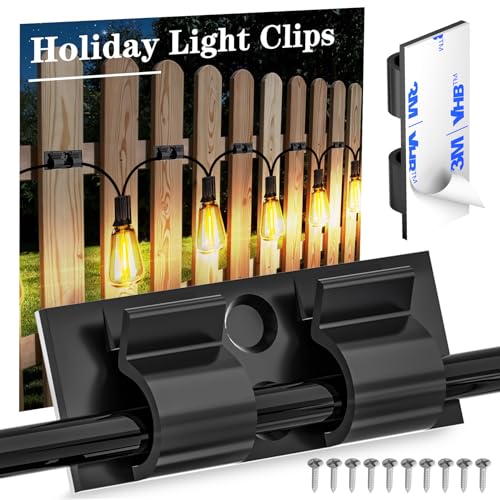
High quality material:XHF Adhesive Cable Clips are manufactured from Strong Adhesive and PA66 nylon
Testing Before Final Installation
Before you secure your string lights permanently, you’ll need to test the entire system to confirm functionality and identify any electrical issues. Start with pre installation checks by plugging in your lights and visually inspecting each bulb for damage or burn marks. Use a multimeter to measure voltage at each socket and check for continuity along the wire, identifying any breaks or loose connections.
Apply troubleshooting techniques by replacing faulty bulbs and repairing damaged wires before final mounting. Test in a dry, well-lit area for accurate results. Label any problem areas for easy reference. After completing repairs, retest the entire string to verify all issues are resolved. This systematic approach prevents costly mistakes and guarantees safe, reliable deck lighting.
Safety Considerations During Setup
As you’re preparing to install your string lights, you’ll need to prioritize safety at every stage—from electrical connections to physical mounting.
Start by using only outdoor-rated extension cords and fixtures to prevent electrical hazards. Install GFCI protection on all outdoor circuits and verify weatherproof connections with silicone sealant or waterproof connectors. Calculate your total power draw to avoid circuit overloads on standard 15–20 amp residential circuits.
Next, eliminate trip hazards by mounting lights above ground level and routing cords away from walkways and high-traffic areas. Anchor your setup to sturdy structures using rated hooks or anchors, maintaining mounting points every 15–25 feet for peak support. Before installation, prepare your deck surface by removing weathered layers and debris to ensure a clean base for your mounting hardware, similar to how thorough preparation ensures optimal results when finishing wood surfaces.
Finally, never leave string lights on overnight, even LED types. Keep fixtures away from flammable materials and regularly inspect for damaged wires or overheating components.
Maintenance and Long-Term Care
Once you’ve installed your string lights safely, consistent maintenance is essential to preserve their performance and longevity. Establish a cleaning schedule that includes at least twice-yearly cleanings using soft microfiber cloths and mild soap solutions. Increase frequency in high-pollution areas or after severe weather events, as dirt buildup reduces brightness by up to 30%.
Conduct monthly damage inspections for frayed wires, broken bulbs, loose connections, and water intrusion signs. Replace compromised bulbs immediately to prevent circuit failures. Before seasonal storage, inspect all components and coil lights loosely in dedicated containers to prevent kinks.
Schedule annual professional maintenance checks for electrical safety compliance. Secure lights with UV-resistant clips during installation to facilitate easier removal and minimize strain on connections. When preparing for winter, consider using breathable fabric covers to protect stored lights and outdoor electrical components from moisture and freezing damage.


