How to Rip Deck Boards With a Circular Saw Safely
You’ll safely rip deck boards by using a portable circular saw with a 24-tooth carbide-tipped blade and a track saw guide for accuracy. Always wear safety goggles, hearing protection, and gloves. Clamp boards securely to sawhorses, let the blade reach full speed before cutting, and maintain steady pressure with both hands. Support long boards with multiple sawhorses and foam padding. Keep your stance off to the side, avoid forcing the saw, and stop immediately if binding occurs. Mastering these fundamentals sets the foundation for understanding advanced techniques.
Tools and Equipment Needed
Before you’ll need to assemble the right tools and safety gear to work efficiently and protect yourself from injury. Start with a portable circular saw featuring a 7-1/4 inch blade, adjustable depth and bevel settings, and a comfortable grip. Equip it with a carbide-tipped blade—24-tooth for ripping—and maintain sharp edges through regular blade care to minimize tear-out.
Invest in a track saw system or straight edge guide for accurate cuts. You’ll also need clamps, sawhorses, and a stable work surface to support your boards securely. Specialized clamping systems designed for deck installation can help ensure your boards remain properly aligned and spaced during the ripping process. Proper preparation ensures moisture content remains below optimal levels before you apply any finish to your deck boards.
For personal protection, gather safety goggles, hearing protection, a dust mask for composite materials, work gloves, and closed-toe shoes. These essentials guarantee both precision and safety throughout your project.
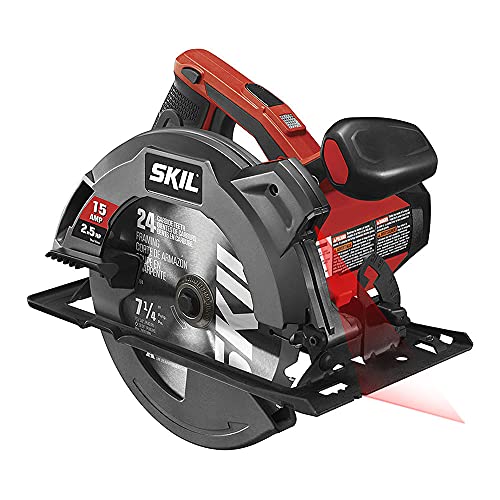
Powerful 15-amp motor delivers 5 300-RPM for greater speed and faster cuts

13 Amp motor for more power and performance than the SKIL 5380

Upgraded Version: Powerful Pure Copper Motor: Featured with a 10A/1200W powerful pure copper motor, the circular saw provides a fast cutting speed of 5800 RPM for cutting laminate flooring, dry wood, plastics, PVC pipe, and plasterboard. 2 Blades: 40T and 24T (7-1/4-Inch). (Note: When installing/replacing the saw blade, to tighten or loosen the bolts, the rear axle lock button must be pressed at the same time.)
Preparation Steps
Proper preparation separates successful deck board ripping from frustrating, unsafe projects. Start with a thorough deck inspection to identify structural integrity, board attachment methods, and safety hazards like electrical lines or wasp nests. Document board dimensions and joist spacing—this information guides your cutting strategy and blade positioning.
Next, establish workspace organization by clearing furniture, plants, and debris from the deck surface. Arrange sawhorses or support surfaces to elevate boards for circular saw access. Create designated areas for collected nails and screws to prevent injuries and material loss. Understanding your joist spacing options will help you determine the best approach for removing and reworking boards.
Plan your waste removal by arranging dumpster rental or recycling center drop-off. Stack like-sized boards together and separate materials into wood and metal categories. Finally, verify local permit requirements with municipal authorities to ascertain compliance before beginning work. Understanding the longevity of wooden decks helps you determine whether salvaging existing boards is worthwhile or if replacement with more durable materials makes better financial sense.
Safety Precautions
Because deck board ripping involves powerful rotating blades and flying debris, you’ll need to prioritize safety at every stage of your project. Invest in proper personal protective equipment, including safety glasses, ear protection (circular saws reach 110 decibels), dust masks for composite materials, and cut-resistant gloves. Avoid wearing loose clothing, jewelry, or long hair that could catch in the blade.
For equipment maintenance, inspect your saw before each use. Verify the blade guard functions properly and never remove or wedge it open. Use sharp, appropriate blades and replace them only when the saw is unplugged. Check for damaged parts or dull blades that compromise performance. Just as regular inspections are critical for identifying wear and damage in deck structures, examining your saw regularly ensures it operates safely and effectively.
Maintain clear workspace lighting and remove trip hazards. Always use both hands for control, stand to the side of the cut path, and never reach under the workpiece. Wait for the blade to stop completely before setting the saw down. Following the same safety principles used when installing deck railings, proper preparation and attention to detail will protect you throughout your project.
Cutting Technique
With your safety gear on and workspace cleared, you’re ready to focus on the cutting technique that’ll determine your rip cut’s quality and consistency. Let the blade reach full speed before contacting the board—this prevents binding and guarantees a smoother cut. Maintain steady pressure application throughout, feeding the saw forward without forcing it. Keep your grip firm and the saw base flat against the board to stabilize the tool and prevent blade wandering. Use slow, controlled motions rather than rushed cuts to minimize splintering. Position yourself so you’re looking straight down the cut line, avoiding unintended blade angles. Your cutting speed should remain consistent, allowing the saw to do the work without resistance or hesitation. After completing your cuts, clean any sawdust and debris from your workspace using natural vinegar cleaning methods to maintain a safe and organized work area. These same precision cutting techniques are essential when preparing deck boards for pergolas that require exact measurements for proper fit and structural integrity.

SPECIFICATION: Diameter: 5-1/2 inch circular saw blade(140 mm); Arbor size: 10 mm; Max Rpm:8000; Carbide Teeth: 24T&48T
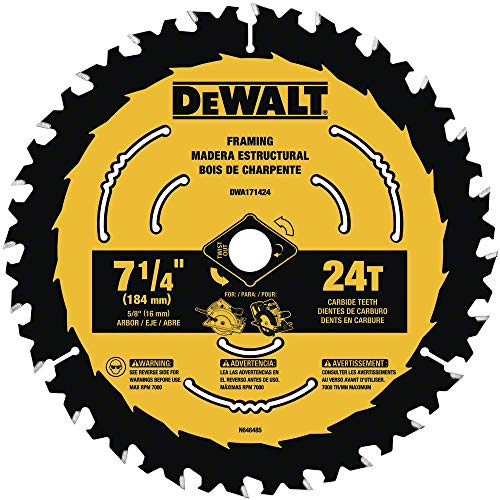
Exclusive, patent-pending toughtrack tooth design for accurate tracking over the life of the blade

SPECIFICATION: Diameter: 6-1/2 inch circular saw blade(165 mm); Arbor size:5/8 inch(15.8 mm) ; Max Rpm: 8000; Carbide Teeth: 24 T & 60T
Handling Long Boards
Long boards demand different support strategies than shorter pieces if you’re going to achieve clean, accurate rip cuts. You’ll need multiple sawhorses—at least three for boards exceeding 13 feet—positioned evenly to prevent sagging and uneven cuts.
Long board positioning is critical. Place your board with the best face up, and use foam padding underneath to reduce movement and protect surfaces. Clamp the board securely to prevent shifting during the cut. Proper joist spacing techniques help establish baseline standards for supporting materials during construction projects.
Address bowing adjustments by applying firm pressure at support points or using strategic clamps to straighten warped sections temporarily. If the board’s curvature is severe, cut in segments, repositioning supports and measuring as you progress.
Maintain a slow, steady feed rate, letting the blade do the work rather than forcing it through the material. For pressure-treated boards, allow adequate time for moisture drainage and airflow during the drying process before making your rip cuts to minimize shifting and warping.
Finishing and Cleanup
Once you’ve completed your rip cuts, you’ll need to focus on finishing and cleanup to prepare your deck boards for installation. Start by removing sawdust immediately using a shop vacuum or stiff brush to prevent staining. Wipe boards with a damp cloth to eliminate residual dust, then dispose of composite sawdust according to local regulations.
For sanding techniques, use a finishing sander to smooth cut edges, working on all boards simultaneously for consistency. Inspect edges thoroughly by running your fingers along them to detect splinters, burrs, or uneven areas. Address rough spots with light sanding or a file, paying special attention to corners for chipping. Proper surface preparation through sanding ensures better stain adhesion and a more professional appearance.
Finally, apply solid stain or sealant if desired using a large pad on a pole extender for even coverage, ensuring you select the appropriate product for your deck material and climate conditions. Allow proper drying time before installation. Consider using brush-on application techniques to achieve an even, smooth finish across all boards.
Choosing the Right Blade
Selecting the correct saw blade is critical to achieving clean, safe rip cuts on your deck boards. You’ll want carbide-tipped blades because they stay sharp considerably longer than HSS alternatives and work effectively on softwoods, hardwoods, and composites alike.
For composite decking, you’ll benefit most from blades featuring 40 to 44 teeth, which balance speed with superior cut quality. If you’re working with Trex materials, use Diablo’s TrexBlade—the only officially recommended blade type for that brand.
Consider thin kerf designs to reduce strain on your circular saw motor and minimize material waste. Match your blade diameter and arbor size to your specific saw. Following manufacturer recommendations for fastening will help ensure your blade selection aligns with your deck’s overall installation standards. Proper blade types guarantee you achieve clean edges while maintaining control throughout your project.

SPECIFICATION: Diameter: 7-1/4 inch circular saw blade(185 mm); Arbor size: 5/8 inch(15.88 mm) ; Max Rpm:8000; Carbide Teeth: 24 T 40 T 60 T
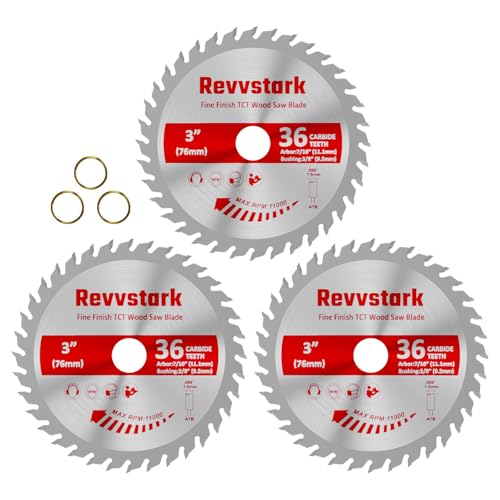
SPECIFICATION: Diameter: 3 inch circular saw blade(76 mm); Arbor size: 7/16 inch(11.1 mm) ; Bushing: 3/8"(9.5 mm); Max Rpm:11000; Carbide Teeth: 36 T

Features a 7.25-inch diameter (185 mm) and a 5/8-inch arbor (15.875 mm)
Common Mistakes to Avoid
Even experienced woodworkers can compromise their safety by overlooking a few critical operational details when rip cutting deck boards. An incorrect depth setting exposes too much blade below your material, increasing kickback risk and reducing control. You’ll also encounter binding and friction issues that compromise cut quality.
An unsafe stance directly behind the blade puts you in the kickback zone. Instead, position yourself to the side with a stable foundation. Never reach across or over the board during cutting—this habit causes most hand injuries.
You’ll also damage your saw by adjusting depth or bevel while it’s running. Always allow the blade to stop completely before retracting from partial cuts. Finally, verify your power cord clears the cut path before starting. These preventative measures protect both you and your equipment. When calculating your project materials, remember to account for waste factor in your lumber estimates to ensure you have enough material for test cuts and adjustments. For rip cutting, ensure your blade depth is set appropriately for the board thickness you’re working with to maintain optimal control and safety throughout the cut.
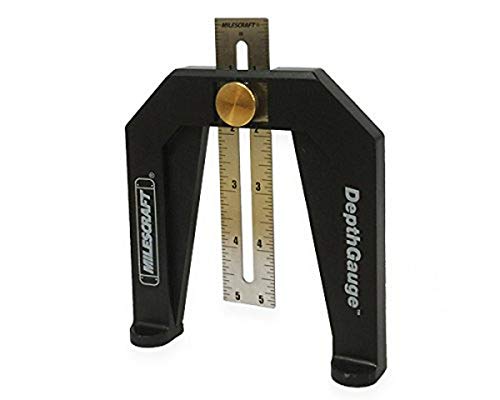
Self-standing durable frame with wide base feet allows the tool to be self-standing for setting the cutting depth on routers, router tables, tables saws, and more

This gauge is specifically designed for setting table saw blade and router bit height, making setup easier, more accurate, and more reliable.

Unmatched precision for flawless work: Eliminate setup guesswork forever. This guarantees dead-on accuracy when setting router bit heights, table saw blade angles, or drilling depths, ensuring every cut.
Troubleshooting Tips
Despite careful preparation, you’ll occasionally encounter problems during rip cutting that affect both safety and cut quality. If you experience blade binding, stop immediately and check your board support. Confirm sturdy blocks support the entire length, especially near the cut line. Reposition supports if the board’s sagging or twisting. For kickback prevention, verify your rip fence is parallel to the blade and your board is properly secured. Never force the saw through resistance; let the blade work at its own pace. If the cut veers off your marked line, don’t overcorrect suddenly. Instead, slowly guide the saw back to alignment. If dust obscures your view, stop and clear debris before continuing. Pause periodically to recheck blade alignment and board stability throughout longer cuts. Proper board support ensures your work surface remains stable and secure, much like how adequate support under the deck prevents moisture damage and warping. Similar to how thin, multiple coats prevent uneven wear when finishing your deck, multiple passes with proper technique yield better results than forcing the saw through resistance in a single aggressive motion.