How Long to Let Your Deck Dry Before Staining
You’ll need to wait a minimum of 48 hours after cleaning your deck before staining, though 2–3 days is preferable, especially in humid conditions. The key isn’t just time—it’s moisture content. Your wood should measure below 15% moisture for oil-based stains or up to 18% for water-based varieties. Check by sprinkling water on the surface; it should bead up rather than soak in. Temperature (50–90°F) and humidity (30–50%) also matter considerably. Understanding these specific conditions will help you achieve ideal stain adhesion and longevity.
Minimum Drying Time After Cleaning
Before you apply stain to your deck, you’ll need to wait a minimum of 48 hours after cleaning to allow the wood to dry thoroughly. However, you should consider extending this timeframe to 2-3 days for ideal results, particularly in humid conditions or areas with limited sun exposure.
The drying timeline depends on several factors. Weather conditions, temperature, and direct sunlight all influence how quickly moisture evaporates from your wood. When you use cleaning solutions during preparation, you introduce moisture that requires adequate time to dissipate completely. For weathered wood, you may need to remove old peeling stain via sanding or power washing before the drying process begins.
You’ll want to employ effective drying techniques by ensuring proper air circulation and maximum sun exposure. Verify that no rain appears in the forecast during your waiting period. Using a moisture meter gives you precise measurements, confirming your deck’s readiness before you proceed with staining. For best results, avoid staining in direct sunlight as this can affect how the stain sets into the wood.
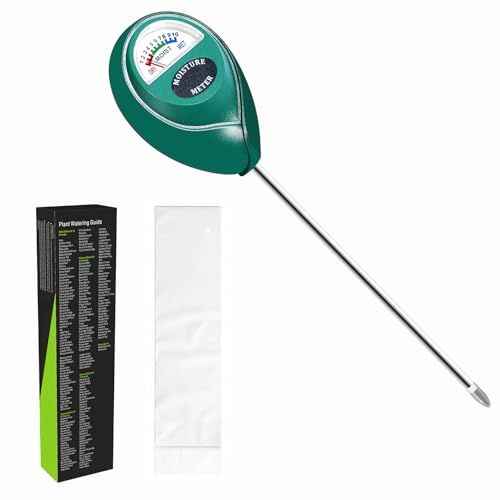
Trusted Since 2015: Become one of the many plant lovers who rely on the proven accuracy of XLUX. Established in 2015, our soil moisture meter has earned over 60,000+ verified ratings for its consistent performance. While many many newer brands come and go, we provide the long-term reliability and quality that American households have trusted for over a decade.

WOOD MOISTURE METER: Prevent water and moisture build-up with our humidity reader. It can quickly determine what level of remediation is needed to keep your family safe. High levels of dampness that go untreated can cause hazardous living conditions.
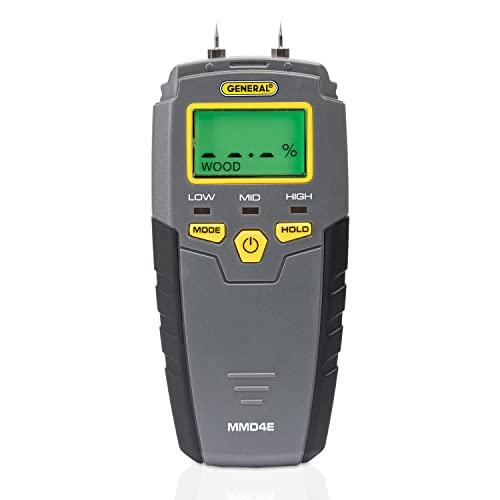
HUMIDITY SENSOR: Our handy meter tool can quickly determine what level of remediation is needed to keep your family safe from black mold. High levels of dampness that go untreated are the leading cause of harmful fungus growth in the home.
Moisture Content Guidelines
To guarantee your stain adheres properly and protects your deck long-term, you’ll need to measure your wood’s moisture content before applying any stain. Use moisture meters to take multiple readings across different boards and sections, targeting an average below 15%. Oil-based stains demand the lowest moisture content for ideal penetration and durability. Water-based stains tolerate slightly higher levels but generally require moisture at or below 18%, depending on manufacturer specifications. Readings above 18% indicate excessive moisture that’ll compromise stain adhesion, causing peeling, cracking, and uneven drying. Conversely, moisture content below 15% optimizes the balance between absorption and evaporation during curing, ensuring superior protection and longer-lasting results. Excessive moisture can also lead to mold, mildew, and wood rot if the deck isn’t properly dried before staining. You can test whether your pressure treated wood has dried sufficiently by checking if water beads up on the surface, which indicates the wood is ready for staining.

🌲【Accurate and fast measurements reveal hidden water leaks】: It has 2 high-precision pins that can penetrate the surface to be tested and quickly measure moisture content to estimate potential moisture increase throughout the home. COCZOW moisture meter is the ideal tool for measuring moisture.

WATER LEAK DETECTOR detects relative moisture content from leaks and flooding

Easy to Read with Large LCD Screen: This wood moisture meter is easy to get an accurate reading from the surface of materials and displays accurate moisture readings on the 2.25" big screen. Use this handheld meter to check the moisture content in firewood or drywall, it can stand up on the table, the moisture content is displayed with a bar graph and percentage (_%RH) on the screen. Date Hold and Max/Min function is used to freezes readings, useful for writing down data
Weather and Environmental Factors
While moisture content measurements tell you when your wood’s internal conditions are ready for staining, the surrounding environment will ultimately determine how quickly you’ll actually reach that preferred state. You’ll want to monitor temperature, humidity levels, and sunlight exposure carefully. Maintain daytime temperatures between 50°F and 90°F for ideal drying, and keep humidity levels between 30% and 50%. Direct sunlight accelerates surface drying, but guarantee even exposure across your deck to prevent uneven moisture loss. Good airflow greatly speeds up the process—position fans strategically if your deck sits in an enclosed area. Avoid staining within 24-48 hours after rain, as residual moisture compromises stain adhesion. Power washing removes dirt, mold, and contaminants that can interfere with stain adhesion just as much as environmental moisture does. Similar to how primer improves paint adhesion on vinyl straps, proper surface preparation ensures your stain bonds effectively with the wood. Check weather forecasts before scheduling your project to avoid precipitation delays.
New vs. Weathered Wood
The drying timeline you’ll follow depends entirely on your deck’s age and condition. New wood considerations require a minimum six-month drying period before staining, since newly installed wood contains high natural moisture that prevents proper stain adhesion. You’ll need a moisture meter to confirm levels drop below 15%.
Weathered wood specifics differ considerably—you’ll only wait 2-3 full sunny days after cleaning or rain before staining. However, weathered wood demands thorough surface preparation: removing old stain, cleaning mildew and dirt, and possibly sanding extensively. New wood requires minimal prep beyond light sanding and basic cleaning. Oil-based stains penetrate weathered wood’s porous surface more effectively, while water-based options work better on new wood when properly dried. After staining, ensure your deck is protected from winter moisture by using breathable, water-resistant covers for outdoor furniture and structures to prevent damage from freeze-thaw cycles.

High Accurate Measurement: The wood moisture meter could help you to measure wood by sensitive pins at the range of 0-99.9% and the accuracy is less than ±0.5%.
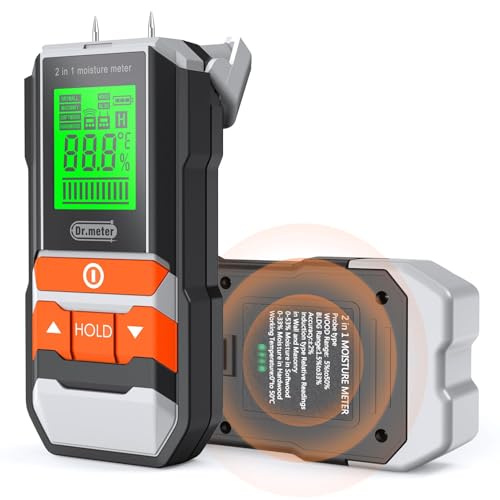
2-in-1 Moisture Meter: The 2-in-1 Dr.meter moisture meter offers ideal dual functions of pin-type and pinless scanning in one. The pinless scanning mode with non-invasive measurement is ideal for high-end wood and building materials. The pin-type mode with faster response and higher accuracy is great for all kinds of wood and building materials.

Quick moisture detection: This moisture tester can detect hidden moisture in wood. The probe reaches a measurement depth of 10mm, leaving only two tiny pinholes on the surface.
Stain Type and Drying Requirements
Once you’ve prepared your deck’s surface and confirmed proper moisture levels, your stain choice becomes the next critical factor determining how long you’ll wait before using your outdoor space again. Water-based stains dry to the touch in 1–4 hours and cure fully within 24–48 hours, enabling faster project completion. Oil-based stains require 6–24 hours to dry and 24–72 hours for full curing, but deliver superior moisture protection and UV resistance. Solid color stains demand the longest timelines due to thicker pigment concentration, often requiring 24+ hours before furniture placement. Proper brush application techniques** ensure even stain distribution and optimal adhesion to the wood surface. To prevent lap marks and achieve uniform coverage, maintain a wet edge** while applying stain across manageable sections of your deck. Your stain selection and application techniques directly impact these schedules. Understanding these distinctions helps you plan accordingly and achieve ideal deck protection and aesthetics.

READY-TO-USE DECK STAIN & SEALER: Olympic WaterGuard acorn brown semi-transparent wood stain and sealant combines color and waterproofing in one water-based, ready-mix coat.

NO LAPS, RUNS OR STREAKS: Goof Proof formula with no back brushing required; ideal for exterior wood projects

READY-TO-USE DECK STAIN & SEALER: Olympic WaterGuard woodland cedar semi-transparent wood stain and sealant combines color and waterproofing in one water-based, ready-mix coat.
Preparation and Best Practices
Proper preparation is your foundation for successful deck staining, and it directly impacts both drying times and finish quality. Your cleaning methods matter greatly—thorough wood cleaner removes mildew, dirt, and old coatings that compromise stain adhesion. Pressure washing requires an additional 24 to 48 hours of drying depending on climate conditions.
Before stain application, confirm your deck’s readiness using moisture meters targeting 12-17% or lower. Perform a water absorption drop test to verify the surface is absorbent. Apply stain early in the day, maximizing drying time before overnight moisture accumulation. Sanding the deck surface helps open the wood grain and ensures optimal stain penetration for a more uniform finish. Selecting the right stain type based on your climate will further enhance durability and finish quality.
Choose weather windows with stable temperatures, low humidity, and 48+ hours without precipitation. Avoid staining during late autumn or winter when moisture and temperature extremes compromise drying and cure times, ensuring your finish remains durable and attractive long-term.

FIND HIDDEN WALL MOISTURE EARLY — Check suspicious drywall and building surfaces after a leak, water stain, or other moisture concern. Detect abnormal moisture before a small issue develops into more extensive damage and costly repairs

SIMPLE and EASY TO READ: Gouevn Soil moisture meter only for testing soil moisture, basic model works stably. Plug and read, responds quickly and provides easily readout. Large dial, includes plant watering guide printed on the back of the packaging.
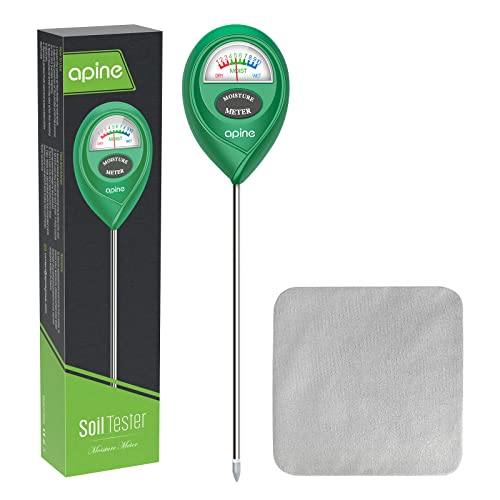
Quick Measurement:Just insert the probe of the plant water meter into the soil about two to four inches,wait a few seconds,you can get the soil moisture immediately.The color division of the dial is simple and clear,and the elderly can easily use it