How to Build a Sturdy Shed Ramp Using Deck Boards
You’ll build a sturdy shed ramp by using pressure-treated lumber rated UC4A or higher, laying a 4-6 inch gravel base below the frost line, and constructing a frame with 2×6 or 2×8 boards at a 1:12 slope. Install joists 16 inches on center, secure everything with 3-inch exterior screws, and attach deck boards perpendicular to the frame with 1/8-1/4 inch spacing. Add flashing around your ledger board, apply wood sealant for protection, and conduct thorough load testing before use. The specifics of proper fastening techniques and drainage considerations will strengthen your ramp’s longevity considerably.
Materials Needed
Before you start building, you’ll need to gather quality materials that’ll withstand outdoor conditions and regular use. Select pressure-treated lumber rated UC4A, UC4B, or UC4C for ground contact—2×6 or 2×8 boards work best for decking, while 2x4s handle framing and cross supports. Confirm all lumber is straight and defect-free.
For fastener options, use 3-inch exterior-rated screws in galvanized or stainless steel to prevent rust. Space decking screws every 16 inches along joists. Include joist hangers for critical support connections.
Regarding decking choices, pressure-treated lumber offers durability, while composite decking provides low maintenance and superior rot resistance. Standard composite and PVC boards typically follow a 1″ × 5.5″ profile, making them compatible with most residential shed ramp designs. Both require anti-slip surface treatment—grip tape, chicken wire, or specialized paint work well.
For maintenance tips, plan regular inspections of loose boards and periodic reapplication of anti-slip treatments to confirm longevity and safety. Ensure the ramp surface meets building code requirements for slip resistance and accessibility to prevent accidents during use.

Tan Corrosion Resistant Coating: Provides ideal finish that blends seamlessly with wood deck boards & rust resistant to keep decks looking new longer

NOTICE: The 2×6 profile is 1.5" thick and 5.5" wide. The length includes a ±0.125" tolerance.

By Crafters, For Crafters: Crafting and building with wood is our number one priority. Bringing you more of the wood craft supplies you love is our job
Foundation Preparation
With your materials selected and ready, you’ll now prepare the ground to support your ramp’s foundation. Start by clearing vegetation, rocks, and debris from your installation site. Use a rake and tamper to achieve level soil conditions, then verify levelness by running a board across the surface with a level placed on top.
Next, lay down 4-6 inches of crushed gravel and compact it thoroughly using a plate compactor. This foundation inspection guarantees proper drainage and prevents settling. Mark post locations using stakes and string lines, maintaining consistent spacing according to your ramp width. Dig holes at least 2 feet deep or below your region’s frost line for ground preparation. Fill hole bottoms with several inches of gravel, then place concrete foundation blocks, leveling them carefully before backfilling gaps with leftover stone and topsoil.
Frame Construction
Now you’re ready to construct the frame, which forms the structural backbone of your ramp. Build your rectangular box using 2×6 or 2×8 pressure-treated lumber, with dimensions matching your shed height and desired slope—typically a 1:12 ratio for accessibility.
Assemble frame pieces using 3-inch deck screws at all joints. Before securing anything permanently, check for square and level at every stage of frame leveling to verify structural integrity. Add cross supports at regular intervals for extra strength. To ensure long-lasting durability of your fasteners and frame, allow the assembled structure to cure for several days before applying decking.
Next, install joists perpendicular to the frame using 2×4 or 2×6 lumber. Maintain consistent joist spacing of 16 inches on center. Cut angled ends on joists to match your ramp’s slope, then attach them with 3-inch exterior-rated screws. This configuration provides maximum support for your decking. For a finished appearance without visible fasteners, consider using hidden fastening systems designed for deck boards, which conceal screws within the grooved edges for a cleaner look.
Ledger Board Installation
The ledger board serves as the critical connection point between your ramp frame and shed structure, so you’ll need to position it with precision to guarantee a smooth shift and proper slope. Position your ledger board about 1.5 inches below the shed floor, maintaining a 3/8″ to 1/2″ gap from the door bottom for clearance.
Select pressure-treated lumber for ledger board materials to resist moisture and ground contact deterioration. Cut your board to match your shed width exactly, treating all cut edges with wood preservative.
Secure the ledger board using 3″ deck screws or lag bolts spaced every 6 to 8 inches through sheathing into floor joists. Pre-drill holes to prevent splitting, and position screws approximately 1 inch from the board edges for optimal fastening security. Verify levelness before fastening, and excavate soil behind the board for flush mounting on your shed’s base frame. Install flashing above and below the ledger board to protect against water intrusion and potential structural damage from moisture accumulation.
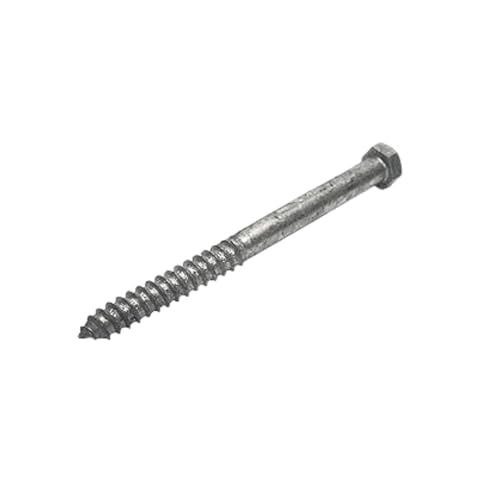
1/2" x 8" SIZE FOR STRUCTURAL WOOD FASTENING 1/2 inch diameter and 8 inch length designed for strong wood-to-wood connections where structural strength is required without excessive embedment depth.
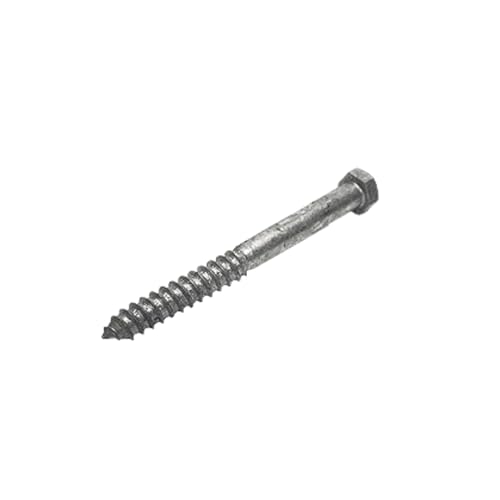
1/2" x 6" SIZE FOR HEAVY-DUTY FASTENING 1/2 inch diameter and 6 inch length designed for strong wood-to-wood structural connections where high strength is required without deep embedment.

Package Included: this package included 10 pack of deck spacers; These deck spacers feature a 2-inch diameter and ½-inch thickness, providing a larger support surface compared to standard washers; Offering lightweight yet strong reinforcement for deck joists, stair stringers, and other structural applications
Deck Board Installation
Once you’ve secured the ledger board, you’re ready to install the deck boards that’ll form your ramp’s walking surface. Start with deck board alignment by laying boards perpendicular to your frame, checking regularly for parallel positioning to avoid cumulative errors.
For deck board fastening, use stainless steel screws (grade 305 or higher) with an auto-feed screw gun for consistent placement. Predrill 1/8″ pilot holes, then countersink 3/8″ holes for plugs on hardwood materials like Ipe.
Maintain even spacing—typically 1/8″ to 1/4″ between boards—using spacers for drainage and expansion. Guarantee a consistent 1″ overhang on all edges for a professional appearance. Cut boards with a track saw or circular saw, using a chalk line for accuracy. Sand plug holes smooth with 80-grit sandpaper after installation. To prevent warping and ensure longevity, acclimate decking material to expected moisture conditions before installation. Consider materials with rust and corrosion resistance for areas with high moisture exposure to maximize durability.

Defeat Rust for Good with 304 Stainless Steel - Tired of rusty screws ruining your project's look and strength? Get screws that stand the test of time. Crafted from premium 304 stainless steel, these construction screws resist corrosion in wet, coastal, and high-moisture environments, delivering lasting performance where ordinary screws fail.
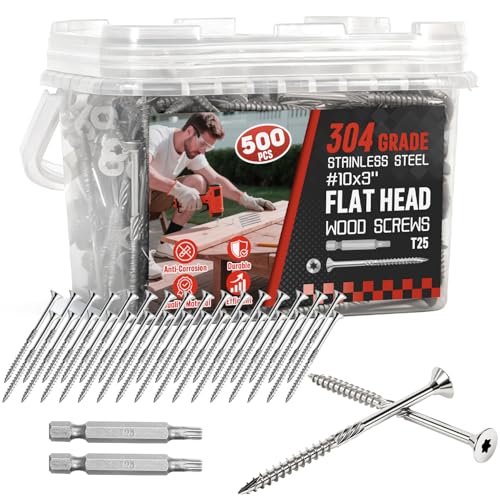
Defeat Rust for Good with 304 Stainless Steel - Tired of rusty screws ruining your project's look and strength? Get screws that stand the test of time. Crafted from premium 304 stainless steel, these construction screws resist corrosion in wet, coastal, and high-moisture environments, delivering lasting performance where ordinary screws fail.
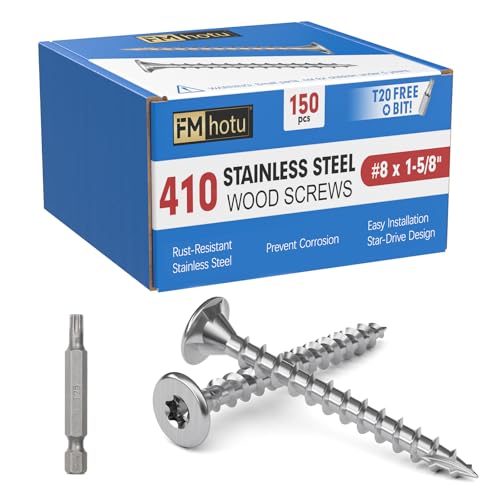
Premium Stainless Steel Construction: Crafted from 410 stainless steel, a top-grade alloy renowned for its exceptional strength and durability. Outperforming 304 stainless steel, these screws boast superior load-bearing capabilities, ensuring longevity even in challenging outdoor environments.
Drainage and Spacing Considerations
Because water accumulation can quickly compromise your ramp’s structural integrity and the shed’s foundation, you’ll need to carefully plan both board spacing and underlying drainage systems from the start. Implement spacing methods by maintaining consistent 1/8-inch gaps between adjacent boards using spacers, allowing water to drain effectively while accommodating wood expansion and contraction.
For foundation drainage techniques, lay 4-6 inches of compacted crushed gravel as your base layer, placing additional gravel in post holes. Consider a 2-inch concrete slab for poor soil conditions or 12×12 pavers to elevate joists above ground. Using water-resistant materials like gravel and concrete will help protect your foundation from moisture damage over time.
Install a slight 1% cross-slope directing water away from your shed foundation, and add flashing above the ledger board. Orient decking boards perpendicular to travel direction, preventing water from pooling along the grain while improving slip resistance. Similar to how templates ensure accurate cuts when crafting decorative architectural elements, precise spacing tools will help you maintain consistent board gaps throughout your ramp installation.
Securing Connections and Hardware
Proper fastening transforms your ramp from a collection of boards into a structurally sound, load-bearing platform that’ll safely support regular use for years. You’ll want to use 3-inch exterior-rated deck screws as your primary fastener type, installing two screws at every connection point. Pre-sink all screws to prevent splitting pressure-treated lumber and guarantee precise alignment.
Rafter hangers provide superior connection strength compared to back-side fastening, particularly at joist-to-ledger board joints. Long bolts or screws must penetrate completely through the ledger board into your shed framing for secure attachment. Space fasteners at every joist location along decking boards to distribute loads evenly. This methodical approach ensures lateral support and prevents racking throughout your ramp structure. All fasteners and connections should be capable of withstanding 200 pounds of lateral force to ensure your ramp meets safety standards. For composite decking materials, take care to inspect and clean the joists before fastening to ensure proper waterproof seals remain intact.

SUPERIOR ANTI-RUST COATING: Tan coated exterior wood screws 3 inch through 1500 hours salt spray test against erosion and rust. These deck screws for exterior can be exposed to the sun, humidity, rain and snow condition for a long time

137PCS 3-INCH DECK SCREWS: The 2-pound package includes approximately 137 pieces of #10 x 3-inch deck screws and one matching T25 star drive bit. A practical exterior wood screw set for decks, fences, framing and general outdoor construction projects.

【ABOVE 1500HRS SALT SPRAY TEST】FIXLINK wood screws have passed about 1500 hours salt spray test provide exceptional protection against rust and corrosion, specifically designed to work best with either pressure-treated lumber or composite decking. These deck screws for exterior can be exposed to the sun, humidity, rain, and snow conditions for a long time
Testing Load Capacity
Your fastened ramp structure now needs verification that it’ll actually support the equipment you’re planning to use. Begin load testing by walking the ramp slowly to detect any flex or movement. Then move your equipment up and downward at minimal speed, observing how the structure responds under actual weight distribution conditions.
Check for gaps, settling, or suspicious deflection along the deck boards and joists. Place a level board across the top to verify the ramp angle remains unchanged, indicating structural integrity. Test clearance at alteration points where equipment might catch. Inspect all fastener connections for looseness.
Only after confirming no movement, adequate spacing, and proper angle should you consider your shed ramp ready for regular operational use.
Final Adjustments and Safety
Conduct thorough safety checks across the entire ramp surface. Verify handrail stability by applying full body weight pressure at multiple points. Inspect all fasteners, ensuring screws remain tight and secure. Test deck board spacing with your spacer tool, confirming uniform 1/8-inch gaps that facilitate drainage without creating tripping hazards.
Examine non-slip surfaces for proper adhesion and even coverage. Apply exterior wood sealant to all exposed lumber, protecting against moisture and UV damage while preserving the natural appearance of your deck boards. For extended protection and durability, consider using UV inhibitors in your finish to prevent sun damage and wood fiber breakdown. Verify ledger board attachment remains level and flush with your shed threshold. Finally, inspect side rails and middle rails for any movement or deterioration before considering your ramp complete and ready for regular use.

CLEAR WATERPROOFING WOOD SEALER: Olympic WaterGuard clear sealer waterproofs and protects exterior wood and masonry without changing the surface's natural look.

WATERPROOFING STAIN – Bring out the beauty of your outdoors with Thompson’s WaterSeal Clear Multi-Purpose Waterproof Stain. Proven to waterproof concrete, brick, exterior wood and other exterior surfaces.