How to Restrap Patio Furniture Without Rivets
You’ll restrap your patio furniture by removing old straps, measuring and cutting new vinyl to length, then securing them using modern alternatives like webbing clips, slot systems, or adhesive solutions. Heat your vinyl straps in boiling water to soften them, then stretch them tightly across the frame before fastening. Use weatherproof screws or clip hooks for reliable, removable connections. Alternate tightening for even tension. This approach eliminates rivet complications while offering superior durability and maintenance advantages worth exploring further.
Tools and Supplies Needed
You’ll need five essential categories of tools and supplies to successfully restrap patio furniture. First, gather measuring and cutting tools: a measuring tape, utility knife, tin snips, and a drill with appropriate bits for precise strap preparation. Second, select fastening alternatives like weatherproof screws, webbing clips, or strap clips suited to your installation techniques. Third, obtain heating equipment including a heat gun, hot water bath, tongs, and protective gloves to soften vinyl for proper stretching. Fourth, assemble safety supplies: goggles, work gloves, clamps, and a stable workbench. Finally, stock replacement materials matching your strap types—virgin vinyl rolls, weather-resistant webbing, corrosion-resistant hardware, and specialized adhesives. After completing your restrapping project, protect your furniture covers with fabric water repellency treatments to maintain their appearance and extend their lifespan. For furniture that will be exposed to the elements, consider applying protective deck coating after completing your restrapping project to enhance durability. This all-inclusive toolkit guarantees efficient, durable restrapping without traditional rivets.

High-Quality: The furniture replacement straps are made of vinyl, which is waterproof, non-toxic, sturdy, not easy to fade, crack, and peel, and can be long-lasting use

[VERSATILE REPLACEMENT] Repair or give a new stylish look for a wide range of lawn furnitures including patio chairs, chaise lounges, lawn swings and other outdoor furniture. Available in a variety of colors with matte finish to match your patio color scheme and decor. Suitable for both single and double wrapping.
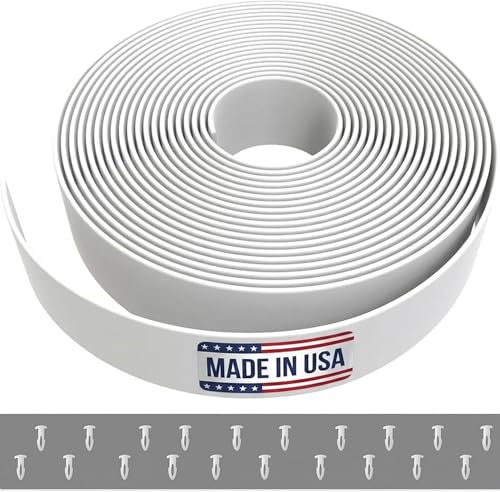
Durable and Long-Lasting: Vinyl straps for patio lounge chairs repair are made from commercial-quality 100% virgin vinyl with special inhibitors for durability and resistance to outdoor elements
Removal of Old Straps
Begin by carefully cutting away the old straps using scissors or a utility knife, working as close to the frame as possible to avoid structural damage. For thicker strap types, garden shears provide better leverage and control. After cutting, remove all remaining fragments meticulously to guarantee a clean surface for new material.
Next, address frame safety by inspecting the frame during removal. Avoid scratching or gouging the structure with your tools. Take your time prying away stubborn pieces, particularly where straps wrap around corners or through channels.
Once you’ve extracted all visible strap material, clean the frame thoroughly. Remove any old adhesive residue or debris from crevices. This preparation guarantees proper adhesion and fit for your new straps.
Cutting and Preparing New Straps
With the frame cleaned and ready, you’re prepared to cut and install new straps that’ll restore your patio furniture’s functionality and appearance.
For cutting techniques, measure from hole to hole on your frame, then subtract 10% to account for stretching. Use sharp scissors, tin snips, or a utility knife for clean cuts. Cut one strap at a time rather than all at once for better precision.
For strap preparation, heat vinyl straps by soaking them in boiling water for several minutes. Wearing gloves, use tongs to safely retrieve the heated straps. Stretch them tightly over the frame and allow them to cool, which causes them to contract and hold firm tension. Drill holes approximately ½ inch from each end using a 3/16″ drill bit, ensuring straight, even placement.
Installation Methods Without Rivets
Once your straps are drilled and ready, you can secure them to the frame using several rivet-free methods that offer flexibility and ease of installation. A slot system requires precisely cut webbing ends that fit snugly into pre-cut frame slots, with locking mechanisms ensuring stability. Knot techniques like square knots or bowlines work well for threaded holes, though they’re less durable than hardware solutions. Clip hooks—plastic or metal—attach easily to frames and allow quick webbing removal and replacement. Adhesive solutions and Velcro strips provide removable, non-invasive options ideal for lightweight applications or seasonal furniture. Each method demands different preparation: clean surfaces for adhesives, proper webbing length for knots, and corrosion-resistant hardware for clips. For straps exposed to moisture, consider using solution-dyed acrylic fabrics that provide built-in water resistance and durability. Ensure your patio furniture meets structural integrity standards similar to guardrails and handrails by selecting hardware rated for sustained force application. Choose based on your furniture’s stress level and durability needs.

PROFESSIONAL GRADE - These are the same rubber webbing clips used by upholstery experts throughout the furniture industry

PROFESSIONAL GRADE - These are the same rubber webbing clips used by upholstery experts throughout the furniture industry

【Complete Set】This chair webbing replacement kit includes 1 roll of 2-inch wide x 40-foot elastic webbing, 40 galvanized metal clips, and 40 matching screws. Perfect for repairing sagging seats on couches, dining chairs, and outdoor furniture, providing a one-stop solution for your DIY upholstery needs.
Securing and Tensioning Straps
Now that you’ve chosen your fastening method, the real work begins: you’ll need to secure and tension your straps so they’re firm enough to support weight without sagging, yet not so tight they tear or permanently deform the material.
Start by pre-stretching your straps lengthwise using a spreader bar or strap stretcher. This guarantees uniform tightness across the frame. Work bolts alternately on each side for even tension adjustment and proper strap alignment, preventing frame distortion. Apply lubricant to bolts before tightening with an electric drill for controlled fastening.
Use support bars to prevent rail bending under tension. Avoid pulling fabric beyond frame edges. Maintain firm tension without excessive force, checking regularly that straps remain evenly distributed across mounting points.

Durable Material: Crafted from high-strength, weather-resistant webbing material, this replacement band is built to withstand daily use, heavy loads, and varying indoor/outdoor conditions, ensuring long-lasting support for your chair.

[VERSATILE REPLACEMENT] Repair or give a new stylish look for a wide range of lawn furnitures including patio chairs, chaise lounges, lawn swings and other outdoor furniture. Available in a variety of colors with matte finish to match your patio color scheme and decor. Suitable for both single and double wrapping.
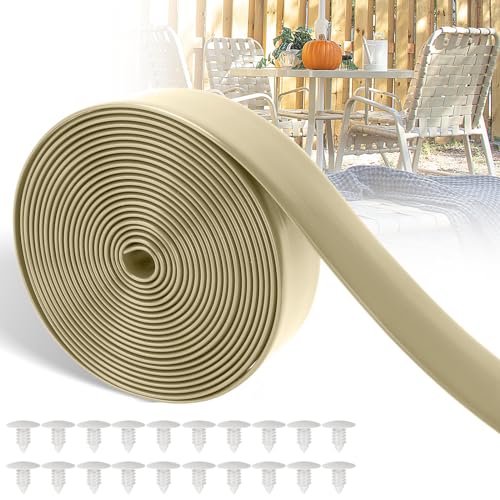
Restore Patio Lounge & Dining Chairs - No Need To Replace the Entire Chair Set: Replace cracked, faded, or worn webbing on compatible strap-style patio lounge chairs, patio dining chairs, lawn chairs, and garden furniture. LukLoy 2 inch vinyl straps for patio chair repair help refresh outdoor seating on your backyard patio, deck, porch, beach house, or seaside retreat or poolside area, so sturdy chair frames can stay in use for more seasons. Not for sling-fabric or wicker chairs
Maintenance and Durability Tips
Your newly restrapped patio furniture’s longevity depends entirely on how well you maintain it after installation. Implement consistent cleaning techniques every few weeks using mild detergent and soft brushes to prevent dirt and oil accumulation that degrades vinyl. Rinse thoroughly to eliminate soap residues that foster mildew growth. For cushions attached to your furniture, consider vacuuming loose dirt and using gentle laundry detergent or specialized cleaners to maintain their appearance alongside your strap maintenance routine.
Protect straps from UV exposure, chlorine, and body oils by using white towels during use. Store furniture upright and covered when not in use to promote water drainage and minimize weather-related deterioration. Weatherproof sealants can further enhance strap protection against environmental damage and extend their lifespan significantly.
For ideal strap longevity, inspect regularly for sagging, cracking, or fading. Replace worn straps promptly to maintain support integrity. Check all fasteners and tighten bolts frequently. Apply UV-resistant treatments and consider commercial-grade vinyl for enhanced durability under heavy exposure.