How to Restain a Previously Stained Deck
To restain your deck, you’ll first assess its condition and identify the previous stain type—transparent, semi-transparent, or solid. Next, strip the old finish using chemical strippers and pressure washing at 1500-3000 psi. Sand the bare wood with varying grits, then clean thoroughly and apply a wood brightener. After 24-48 hours of drying, you’re ready for two coats of new stain using backbrushing techniques. The specifics of each step’ll greatly impact your results.
Assessing Your Deck’s Current Condition
Before you restain your deck, you’ll need to thoroughly evaluate its structural integrity, as hidden damage can compromise both safety and the longevity of your refinishing work. Use established deck inspection techniques to identify wood deterioration signs early. Perform the pick test on posts and framing by probing with a screwdriver; rotting wood bends slowly and breaks without splintering. Examine all support columns, fasteners, and connection points for rust, corrosion, or missing components. Inspect deck boards for soft spots, discoloration, cracking, warping, and splitting across all sections. Pay particular attention to moisture-prone areas around posts, under stairs, and along edges. Check railings and support posts by applying firm pressure to detect wobbling or loose connections. Once you’ve confirmed the structure is sound, remove any mildew and discoloration from the wood surface before proceeding with restaining. To ensure effective surface preparation, use stiff bristles for wood when scrubbing to remove embedded dirt and contaminants. Address any structural concerns before proceeding with restaining.
Identifying the Type of Previous Stain
Once you’ve confirmed your deck’s structural soundness, you’re ready to assess the existing stain—a critical step that determines your surface preparation strategy and product selection. Examine your deck’s appearance carefully to identify which stain types you’re working with. Transparent stains reveal wood grain and show natural color variations, while solid stains appear uniformly painted and mask imperfections entirely. Semi-transparent and semi-solid options fall between these extremes.
Test the stain’s depth by observing how it’s worn. Transparent stains fade faster and require frequent reapplication; solid stains peel like paint when failing. Touch the surface—transparent stains feel textured; solid stains feel smoother and film-like. Understanding whether your deck was finished with oil-based or water-based stain will help you determine the best stripping and reapplication method. Consider your wood type too, as hardwoods typically bear lighter penetrating stains while pressure-treated pine usually features solid options. Just as 3/4-inch lumber is standard for building outdoor furniture, wood thickness and type significantly impact stain selection and durability. This assessment guides your preparation approach and guarantees proper product compatibility.
Removing Old Stain Effectively
With your deck’s previous stain type identified, you’re ready to strip away the old finish—a process that demands precision and the right technique for your specific situation. Chemical strippers containing caustic or eco-friendly formulas effectively dissolve oil-based, latex, and solid stains. Apply the stripper liberally to dry surfaces and allow 5 to 45 minutes for dissolution without letting it dry completely.
Follow chemical treatment with pressure washing at 1500-3000 psi to remove loosened coating, maintaining 9 to 12 inches distance from wood. Scrape stubborn areas with stiff-bristle brushes along the grain direction. To avoid causing damage during pressure washing, use a sweeping motion to prevent hard lines from forming on the wood surface. Surface preparation continues with power sanding using 60 to 80 grit paper, then finishing with 120 or 150 grit sandpaper for uniform texture. Multiple stripper and pressure washing applications may be necessary for thickly layered surfaces. Once sanding is complete, remove all dust before applying your new stain to ensure proper adhesion and a high-quality finish.

EASY STAIN STRIPPING: Powerful deck stain stripper for wood removes weathered, clear, or semi-transparent stains. Spray on with a pump-up sprayer and rinse with a power washer for best results.

DESIGNED TO REMOVE SPECIALTY DECK COATINGS AND PAINTS FROM MULTIPLE SURFACES - Remove Paint, Latex, Polyurethane, Shellac, Varnish, Acrylic, Oil Based Coatings and More in usually a Single Application!

Removes existing, weathered, semi-transparent stains and sealers
Cleaning and Brightening the Wood Surface
After you’ve removed the old stain and sanded the surface smooth, you’ll want to clean away any remaining dust, debris, and contaminants before applying new stain. Start by sweeping thoroughly, then pre-wet the deck lightly to improve solution absorption. Apply a wood-specific deck cleaner using a sprayer or brush, ensuring even coverage. Let it dwell for 10–15 minutes to penetrate deeply. Scrub with a soft-bristle brush along the wood grain, then rinse completely with a garden hose.
For brightening, apply oxalic acid-based wood brightener to restore natural color and remove weathered grayness. Dwell for 10–15 minutes before rinsing thoroughly. These deck maintenance cleaning techniques eliminate trapped moisture and prepare the surface for ideal stain adhesion. To further protect your newly stained deck and extend its life, consider applying protective coatings annually to prevent damage from sunlight and moisture. Testing your stain color on a small area first will help ensure you achieve the desired appearance before committing to the full deck. Allow complete drying for 24–48 hours before staining.


Contains oxalic acid which when mixed with hot water
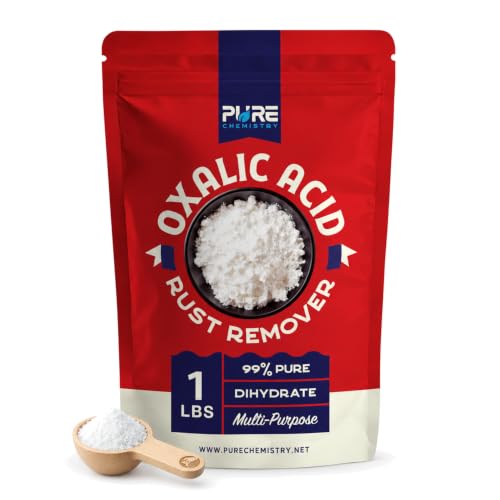
OXALIC ACID BULK: This 99% pure oxalic-acid powder comes in generous bulk quantities, well-suited for industrial or commercial use; Ideal as an oxalic cleaner, targeting oxidation on tools, appliances, and surfaces with precision
Addressing Damaged or Rotting Boards
Even with a thoroughly cleaned and brightened surface, you’ll likely reveal boards that are too damaged to salvage during your inspection. During your deck board inspection, look for spongy spots, deep cracks, dark discoloration, and boards that move underfoot. Mark damaged boards clearly for removal.
Using a pry bar or nail puller, carefully extract nails and lift boards without harming adjacent planks. Cut stubborn nails with a metal blade if necessary. Sweep joist surfaces clean afterward.
For board replacement techniques, measure removed boards precisely and purchase treated lumber matching your existing decking. Inspect underlying joists for rot and replace them if needed. When installing replacement boards, follow manufacturer recommendations for fastening to ensure optimal durability and performance. Pre-drill holes to prevent splitting, then secure replacement boards with exterior-grade 3-inch screws penetrating at least 1.5 inches into joists. Align boards evenly and countersink screw heads. Factor replacement board costs into your project budget planning to avoid unexpected expenses that could impact your overall deck restoration timeline.
Special Considerations for Solid Stains
Before you restain your deck with a solid stain, you’ll need to assess whether the existing finish can accept a new coat or requires complete removal. If your current solid stain is intact and not peeling, you can apply a new solid stain directly over it, provided you match the stain type—oil-based or water-based—for ideal adhesion. However, switching to a semi-transparent stain demands complete removal of the old finish.
For color selection, test a small area first to verify compatibility and desired appearance. During stain application, work in the direction of the wood grain using thin, even coats with a brush or roller. To ensure better absorption and durability, consider backbrushing the stain into the wood pores as you apply it. Apply two coats for full coverage, allowing proper drying time between applications as the manufacturer specifies. Before applying stain, ensure you’ve thoroughly cleaned the deck surface and allowed for proper drying time to achieve the best results.

Oil-based formulas available

WOOD PROTECTOR – Cabot Australian Timber Oil Wood Stain provides 3-way oil protection for superior penetration. The unique blend of oils is an advanced-technology treatment designed to protect wood surfaces from extreme weather exposure like never before.

Essential Tools and Equipment Needed
Success in restaining your deck hinges on assembling the right tools and equipment before you begin. You’ll need appropriate brush types for your stain: natural bristles for oil-based products and synthetic bristles for water-based formulas. Rollers accelerate coverage on flat surfaces, while foam and detailing brushes handle tight corners and intricate areas.
Sprayer benefits include rapid application across large decks with minimal effort and uniform coverage without brush marks. However, you’ll need drop cloths for overspray protection.
Surface preparation requires sandpaper of varying grits, wire brushes, and paint scrapers to remove old stain. Add a deck scrub brush for cleaning, wood filler for repairs, and caulking supplies for gaps. Extension poles, wide buckets, masking tape, gloves, and safety glasses complete your equipment arsenal. For wood materials like eucalyptus that naturally resist decay, proper maintenance of your staining equipment ensures exceptional moisture resistance and long-lasting deck protection.

Bates deck stain brush features a 7.5-inch width for expansive and even application, ideal for efficiently staining decks, fences, and other large wooden areas.
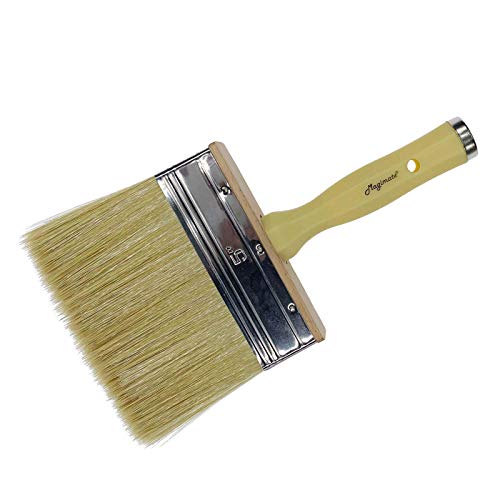
Brush Specs: 5” wide x 1” thick, soft synthetic filament blended with natural bristle. Hold more stain/sealer and paint smoothly, making your home improvement job a breeze.

Bates deck stain brush set includes 2 high-quality brushes designed specifically for staining decks and other large wood surfaces.
Preparing the Surface for New Stain
With your tools assembled and ready, you’re now prepared to evaluate and ready your deck’s surface for restaining. Begin with moisture testing using a moisture meter to confirm readings stay below 16%—crucial for proper stain adhesion. Inspect thoroughly for rot, damaged areas, and structural issues before proceeding further.
Reset any popped nails or screws to guarantee a uniform surface. Perform a tape test by pressing household tape against the wood and tearing it away to reveal loose fibers or flaking stain. Surface sanding with 60-grit paper smooths splintered areas using a pole or block sander, creating consistent coverage potential.
Fill cracks and voids in deck boards to prevent stain bleeding. Complete a water drop test to verify the wood absorbs moisture rapidly, confirming readiness for stain application. Ensure your deck is thoroughly cleaned with a pressure washer or deck cleaner before proceeding with stain application. Allow your deck to dry completely for at least 24 to 48 hours before applying the new stain to ensure optimal adhesion and results.

Stains flat surfaces and between boards at the same time

【Product Size】This steel deck spacing tool is 9.25 inches(23.5cm) in length and is used for wood and composite decking. HOTUFELG's sets the correct gap between deck boards according to manufacturer specifications,making Keeping the grounds neat and attractive.

【Unmatched Strength: Upgraded Thickened Steel】 Engineered for professionals and serious DIYers, this deck board straightener is crafted from premium, high-density carbon steel. Unlike flimsier alternatives, our thickened frame is built to withstand immense pressure without bending, ensuring you can wrestle even the most stubborn, warped boards into perfect alignment with ease
Protecting Surrounding Areas During Restoration
As you’re about to apply stain and sealer to your deck, you’ll need to establish a protective perimeter that shields flora, furniture, structures, and soil from chemical exposure and overspray. Start with flora protection by trimming nearby vegetation and relocating potted plants away from the work zone. Remove all outdoor furniture and decorative items to prevent chemical damage and guarantee even stain application. For structural shielding, drape drop cloths over siding, railings, door frames, and windows. Extend protective barriers several feet beyond the deck’s edge for surface containment. Position plastic sheeting beneath the deck to catch drips and runoff. These measures guarantee contamination prevention by blocking stain chemicals from reaching soil and plant systems while maintaining adequate airflow for proper drying.