The Best Way to Clean Outdoor Wicker Furniture
You’ll start by inspecting your furniture for damage, then vacuum gently with a soft brush attachment to remove embedded debris. Next, scrub stubborn stains with mild soap and water using a soft-bristled toothbrush along the weave direction. Rinse thoroughly with medium-pressure water, avoiding pressure washers exceeding 1,500 psi. Finally, dry completely in a sunny, windy location with excellent air circulation before applying protective sealants annually. The systematic process below reveals additional techniques for ideal restoration.
Preparation Steps
Before you begin cleaning outdoor wicker furniture, you’ll need to remove all protective coverings and accumulated debris from storage. Reveal your pieces in a dry area away from moisture, then inspect thoroughly for debris accumulated beneath the covers. Clear away leaves, twigs, and loose dirt from all surfaces.
Next, establish your work zone in a sunny outdoor location with adequate airflow. Position tarps or plastic sheeting underneath to catch debris. Gather your cleaning supplies—soft cloths, brushes, buckets, toothbrushes, and a vacuum with soft brush attachment—before starting.
Use your vacuum to remove dust from woven strands with gentle brush strokes, accessing crevices carefully to avoid damaging delicate materials. Perform this dry brushing before wet cleaning to eliminate loose particles effectively. Ensuring proper air circulation during preparation helps prevent mold and mildew from developing during the cleaning process.
Inspection and Initial Assessment
Once you’ve removed the loose debris, you’re ready to examine your furniture closely for damage that might affect cleaning methods or require repair before proceeding. Start your mold identification by checking for discoloration or musty odors indicating fungal growth. Conduct a thorough damage assessment by inspecting the weave for loose strands, cracks, or brittleness suggesting sun damage. Test frame stability by gently tugging fibers and checking for wobbling legs. Examine metal hardware for rust formation and plastic glides for deterioration. Review the weave pattern for inconsistencies signaling poor craftsmanship or structural weakness. Identify the material type—synthetic or natural wicker—as this determines appropriate cleaning approaches. Document any significant issues requiring professional repair before you proceed with cleaning.
Removing Loose Debris
After you’ve assessed your furniture’s condition, you’ll want to remove all loose debris before moving to deeper cleaning methods. Start by using a soft-bristled brush to sweep away surface dust, leaves, and twigs from the wicker weave. Your cleaning tools should include a handheld vacuum with a brush attachment to extract debris lodged between strands and in crevices. For stubborn debris types, employ compressed air from a keyboard cleaner to dislodge dirt from tight spaces. Gently shake the furniture to release trapped particles. Avoid sharp tools or metal brushes that’ll damage wicker fibers. For embedded debris, use a soft toothbrush and lightly mist the area with water to loosen compacted dirt. Always employ gentle motions to prevent breaking or fraying strands. Once loose debris is removed, you can proceed with OxiClean versatile stain remover to tackle deeper stains and grime for a more thorough clean.
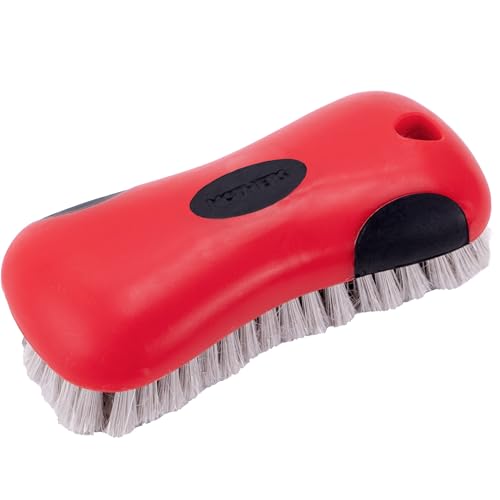
Soft bristles are triple flagged for a gentle feel

SOFT AND GENTLE: Soft Bristle Brush will deep clean without damaging the surface. It’s the perfect upholstery cleaning brush as the soft bristles will penetrate into any type of fabric, loosening and removing any dirt.

Gentle on Clothes & Stain Removal – The soft laundry stain brush bristles effectively lift dirt and stains from fabrics without scratching or snagging, making it safe for cotton, polyester, and delicate fabrics while protecting garment integrity.
Vacuuming and Detailed Cleaning
Vacuuming represents your next critical step in thoroughly cleaning outdoor wicker furniture, requiring you to select the right equipment and employ careful techniques that won’t compromise the material’s integrity. Choose a soft brush attachment on either a hand or full-size vacuum cleaner for ideal debris removal.
For vacuum attachment selection, apply gentle pressure throughout the process to prevent scratching or fraying. Use your brush attachment to access seams and hard-to-reach areas systematically.
Your crevice cleaning techniques should combine vacuuming with targeted applications of cotton swabs and soft-bristle brushes. Make multiple passes through intricate weave patterns, carefully maneuvering tools to avoid forcing them into gaps, which weakens the structure. This methodical approach extracts embedded dirt while preserving your furniture’s appearance and longevity. For stubborn dirt that vacuuming doesn’t remove, consider using mild dish soap mixed with water applied with a soft cloth to gently clean the wicker fibers. After cleaning, applying a UV protection clear coat will help maintain the furniture’s durability and resistance to outdoor elements.

Rich Package: The chaseroad 3PCS Horse Hair Brush shop vac accessories set, which includes 2 durable and scratch-resistant brushes, 1 vacuum adapter (1 1/4″ to 1 3/8″). Our round brush attachment works on a variety of surfaces, making it easy to keep your home clean and as convenient as possible.

HORSEHAIR BRISTLE DUSTING BRUSH FOR DELICATE SURFACES: Crafted with genuine horsehair bristles, this dust cleaning brush glides gently across wood furniture, fragile decor, bookshelves, and electronics. Horsehair bristle lifts and captures fine dust rather than pushing it around, leaving every surface clean and polished without scratches or marks.
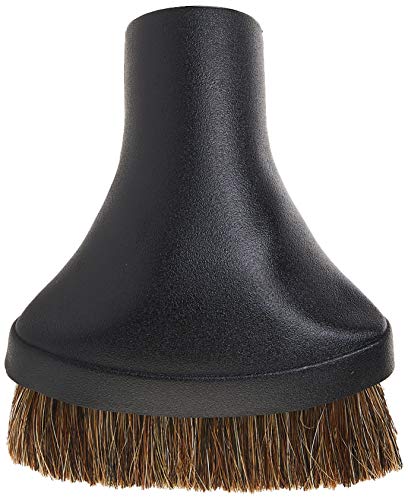
This vacuum accessory will fit all major canister vacuums, upright vacuums and central vacuum brands with 1.25 Inch connections
Surface Cleaning Methods
With your furniture now cleared of loose debris through systematic vacuuming, you’re ready to address surface-level grime and stubborn stains that require targeted cleaning methods. Start by rinsing your wicker materials with a garden hose on medium pressure to eliminate surface grime from woven areas. Avoid high-pressure settings, which can damage the delicate weave structure.
For stubborn stains, gently scrub affected sections with a sponge soaked in mild soap and water. Work systematically in small areas to prevent oversaturation. Use a soft-bristled toothbrush for crevices, always scrubbing along the weave direction to prevent fiber fraying. For particularly difficult stains, consider pre-treating with a diluted vinegar solution before scrubbing to break down grime more effectively.
Establish a monthly cleaning frequency to wipe down surfaces with a damp cloth, preventing dust and pollen buildup. This consistent maintenance approach protects your wicker materials from long-term deterioration and maintains their appearance. Additionally, promptly treat any mold or mildew growth to prevent damage to the wicker structure.

MULTI PURPOSE USE: Tires, car, truck, grills, spokes, bumpers, wheel well, concrete, decks, house, pots
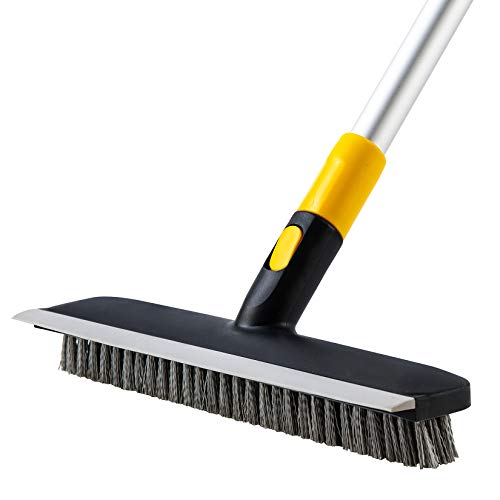
Floor Scrub Brush 2 in 1 Scrape and brush Push Broom Effective, Easy and Save Effort Brush and scraper 2 in 1 design floor scrub brush with stiff bristle and rubber squeegee; Strong cleaning ability; Brush and scrape steps to easily remove the stain, stubborn grime, dirty water, and dust; Improve effectiveness when you doing housework
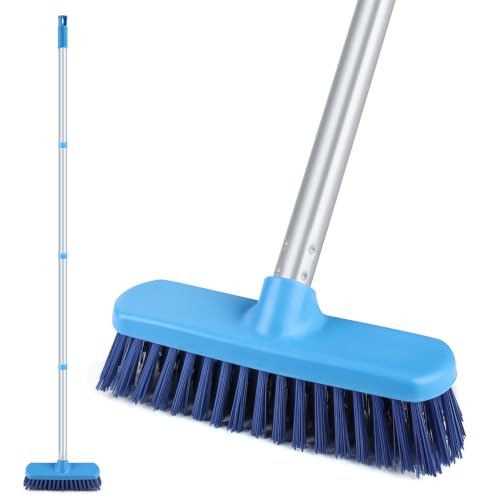
Scrub Brush with Long Handle: The shower cleaning brush consist of stainless steel pole and PP material brush head. The shower srubber brush length with 4 metal iron poles that can be adjusted from 16 inches to 50 inches as you want. Don't need bend or squat down yourself while cleaning
Deep Cleaning Solutions
Once surface-level cleaning reveals persistent stains and embedded grime, you’ll need to employ targeted deep cleaning solutions that address specific contaminants without compromising your wicker’s structural integrity. You can create effective eco-friendly products using white vinegar and baking soda, which work exceptionally well for stubborn dirt. Mix baking soda with warm water to form a gentle abrasive paste that removes embedded debris without harsh chemicals. For sticky residue like tree sap, you’ll apply Goo Gone with a soft-bristle brush, working methodically into affected areas. Cushion covers benefit from DIY solutions using mild laundry detergent or dish soap mixed with warm water. For tougher stains on cushions, consider adding OxiClean to your cleaning solution to boost stain removal effectiveness. Always rinse immediately after treatment to prevent discoloration, then hang-dry thoroughly before reinstallation. While dry pollen poses no threat, wet pollen can create stubborn stains that require prompt attention to prevent permanent damage to your wicker furniture.

Home Essential: Our 7-inch beeswax candles burn cleaner and longer than regular paraffin candles. Unlike many other candles, burning bees wax actually purifies the air.
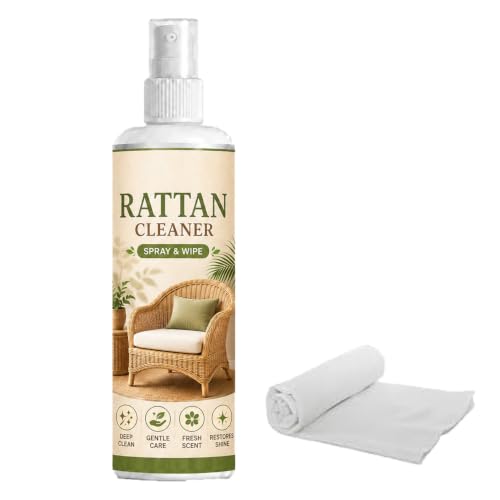
[REVIVES NATURAL LUSTER]: Experience professional-grade restoration with powerful rattan cleaner & polish spray. Brings back original beauty and sophisticated charm to beloved rattan and wicker furniture instantly—reviving natural shine without harsh chemicals

【Deep Cleaning for Woven Surfaces】 Designed for rattan, wicker and cane furniture, this spray helps loosen dust, grime and stains from crevices and woven gaps. The cleaning action reaches into natural fibers to refresh patio chairs, sofas, baskets and other woven furniture with convenient spray application.
Rinsing Techniques
After you’ve scrubbed away embedded grime with your chosen deep cleaning solution, proper rinsing becomes essential to prevent soap residue and mineral deposits from compromising your wicker’s appearance and integrity.
You’ll find three primary rinsing techniques suited for wicker furniture. A garden hose with moderate pressure effectively removes soap residue across all surfaces, including undersides. For rinsing material considerations, microfiber cloths excel at eliminating moisture without leaving lint. Damp cloth application prevents prolonged water exposure that deteriorates fibers.
The rinsing techniques benefits include preventing sticky buildup and water damage. Use fresh water for final rinses, ideally distilled or filtered, to eliminate chemical residue. Continue until no soapy water remains visible. Avoid pressure washers exceeding 1,500 psi, as they strip natural oils and weaken your wicker’s structural integrity.
Drying Your Furniture
Proper drying is critical to preserving your wicker furniture’s structural integrity and preventing moisture-related deterioration. Remove cushions immediately and shake them to expel excess water, then position them upright for gravity-assisted drainage. Pat all surfaces with a dry cloth to eliminate lingering dampness.
Deploy your drying techniques strategically by positioning furniture in sunny, windy locations where direct sunlight and moving air work synergistically. Guarantee robust air circulation by elevating furniture on racks and avoiding shaded or enclosed areas. Don’t stack or cover pieces until completely dry, as trapping moisture promotes mold and mildew growth.
If drying indoors, activate fans or open windows to maximize air movement. This methodical approach prevents structural damage and maintains your furniture’s longevity.
Long-Term Maintenance and Prevention
While drying establishes the foundation for preventing immediate damage, maintaining your wicker furniture’s condition over time demands a structured approach that addresses cleaning schedules, seasonal preparation, and environmental protection.
You’ll benefit from implementing consistent maintenance routines that include light cleaning every few weeks during active use and deep cleaning before seasonal storage. Inspect your furniture regularly for loose weaves or damage, addressing issues promptly to maintain structural integrity.
Protective measures are essential for longevity. You should apply sealants to natural wicker annually and use UV-protective products for synthetic varieties. Similar to how clear outdoor sealants protect painted wood furniture, these protective coatings create a barrier against environmental damage. Store furniture indoors during extreme weather, or utilize high-quality breathable covers if leaving pieces outside. Elevate furniture off the ground to prevent water pooling, and guarantee adequate airflow around stored items to discourage mold growth. These deliberate practices substantially extend your furniture’s functional lifespan.

Ideal for use on interior/exterior surfaces including wood, plastic, plaster, metal, masonry and unglazed ceramic

WATER REPELLENT SPRAY: One Scotchgard Outdoor Sun & Water Shield Fabric Spray, 10.5 oz can, that repels water and protects against the sun's UVA/UVB rays

FURNITURE PROTECTANT AND SPRAY: Furniture protectant creates a protective barrier on contact with simple spraying action; Removes light dust, dirt, salt spray, and grime