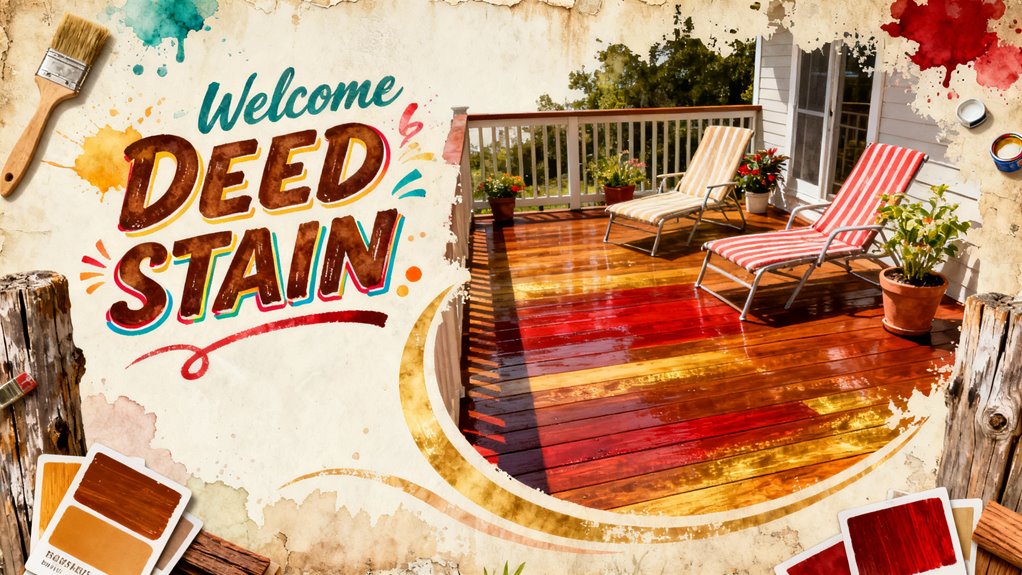
How to Choose the Perfect Stain Color for Your Deck
You’ll need to evaluate your wood type, climate, and home architecture to select the ideal deck stain. Cedar and redwood work best with light-to-medium transparent stains, while oak accepts darker shades. Consider sun exposure—full-sun decks need UV-inhibiting semi-transparent or solid stains. Match your home’s color palette and test samples in different lighting conditions before committing. Understanding how opacity levels, environmental factors, and maintenance requirements interact with your specific deck situation will help you make the most informed choice.
Consider Wood Type and Grain Pattern
Because different wood species absorb and display stain differently, you’ll need to match your color choice to your deck’s specific material and grain characteristics. Cedar and redwood‘s moderate grain patterns work well with light to medium transparency stains that highlight their natural warmth. Pressure-treated pine requires pre-stain conditioner to prevent blotchy finishes due to its highly porous composition. Oak’s prominent open grain accepts medium to dark stains exceptionally well, showcasing grain visibility beautifully. Cherry’s closed grain pairs perfectly with warm reddish browns in light to medium transparency. Dense hardwoods like mahogany resist deep penetration, requiring lighter oil-based stains. Eucalyptus wood offers exceptional resistance to moisture and decay, making it another durable option for outdoor applications. Applying two coats of stain ensures more uniform color and better protection across wood surfaces with varying absorption rates. Understanding your wood type guarantees uniform absorption and professional results while preserving grain visibility that defines your deck’s aesthetic appeal.

NO LAPS, RUNS OR STREAKS: Goof Proof formula with no back brushing required; ideal for exterior wood projects

READY-TO-USE DECK STAIN & SEALER: Olympic WaterGuard woodland cedar semi-transparent wood stain and sealant combines color and waterproofing in one water-based, ready-mix coat.
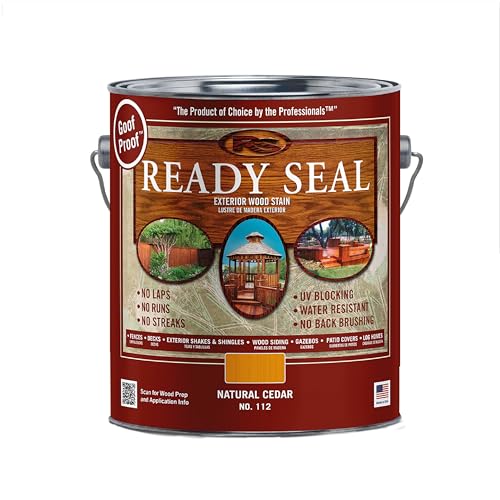
NO LAPS, RUNS OR STREAKS: Goof Proof formula with no back brushing required; ideal for exterior wood projects
Assess Sun Exposure and Climate
Your deck’s sun exposure and local climate fundamentally determine which stain colors and types will maintain their appearance and structural integrity over time. Assess sun intensity effects by evaluating whether your deck receives full, partial, or minimal sunlight daily. Full-sun decks require solid or semi-transparent stains with UV inhibitors to combat rapid fading and wood degradation. In hot, dry climates, darker pigments provide superior sunscreen protection, though they absorb heat and may age wood faster. Conversely, lighter shades reflect sunlight and resist fading better in intense sun environments. For climate adaptation, consider your region’s humidity and temperature fluctuations. Humid areas benefit from water-repellent formulations preventing mildew, while cooler zones tolerate transparent stains. Proper surface preparation including pressure washing and sanding ensures that your chosen stain adheres effectively and delivers the color protection you need. Similar to how hidden fastener systems ensure deck longevity through proper installation techniques, selecting the appropriate stain formulation for your climate ensures your deck’s visual appeal and durability for years to come. Select application timing strategically—avoid direct sunlight to prevent flash drying and guarantee ideal stain penetration.
Complement Home Architecture and Landscaping
Color harmony between your deck and home exterior creates visual cohesion that elevates curb appeal and strengthens the overall landscape design. You’ll achieve deck color harmony by matching your stain to your home’s primary color, trim, or architectural style. Traditional homes benefit from warm brown tones, while modern residences pair well with cool grays or charcoals. Rustic properties suit earthy chestnuts or dark walnuts.
Consider your landscaping when selecting stain colors. Rich brown stains complement lush green lawns, while neutral grays provide subtle backdrops for flowering gardens. Deep navy or green stains blend seamlessly with densely planted yards, creating nature-inspired outdoor aesthetics. Most homeowners allocate about 20 square feet per person for social gatherings, which can influence how prominently the deck color impacts the overall outdoor space.
Two-tone staining differentiates vertical elements from horizontal surfaces, adding visual interest. This strategic approach creates intentional shifts from your home’s architecture to the surrounding landscape, enhancing overall property appeal. Proper deck board spacing beneath your stain selection ensures the color application remains even and allows moisture to drain effectively across all surfaces.
Understand Stain Opacity Options
Stain opacity—the degree to which pigment obscures wood grain—fundamentally determines both your deck’s appearance and its protective capabilities. You’ll find five opacity levels, each offering distinct opacity differences and protection levels.
Clear and transparent stains showcase natural wood grain while providing minimal UV defense. Semi-transparent options balance grain visibility with moderate protection, ideal for well-maintained decks. Semi-solid stains obscure more grain while offering enhanced durability, suiting older surfaces showing wear.
Solid stains deliver maximum coverage and highest protection, completely hiding grain and imperfections. They require thorough surface preparation but last longest, needing reapplication every 2-4 years. Solid stains typically last up to five years or more depending on environmental conditions and maintenance. In humid or rainy climates, semi-transparent stains may offer better performance than paint due to their wood-penetrating properties.
Match opacity to your wood’s condition: new decks benefit from lower opacity for aesthetics, while aged decks demand higher opacity for both protection and defect concealment.

SEMI TRANSPARENT EXTERIOR WOOD STAIN: Our outdoor wood stain and sealer allows the natural wood grain to show through, highlighting the beauty of your decks, fences and sidings and preserving its natural look.
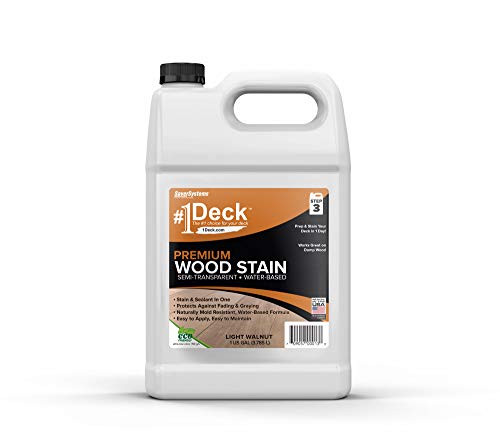
SEMI-TRANSPARENT WOOD STAIN: Enhance your deck or fence with a semi-transparent finish that lets natural wood grain show through. Perfect for decks, fences, and siding to preserve beauty.
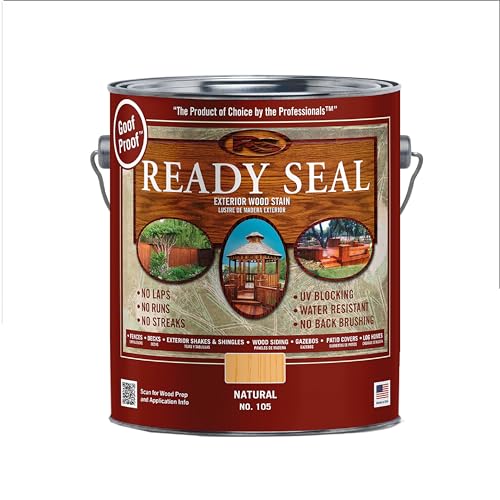
NO LAPS, RUNS OR STREAKS: Goof Proof formula with no back brushing required; ideal for exterior wood projects
Test Samples in Multiple Lighting Conditions
Once you’ve selected an opacity level that suits your deck’s condition, the next critical step is verifying your color choice in real-world conditions. You’ll find that color appearance shifts dramatically with lighting variability throughout the day. Apply stain samples directly on your deck boards—not sample cards—to capture how texture and wood absorption affect the final result. Observe your samples during morning, afternoon, and evening hours, as sunlight angles and intensity greatly alter perceived hues and undertones. Wait until samples fully dry before evaluating, since wet stain misleads color judgment. Test multiple boards to account for wood grain variations and surface inconsistencies. Consider the Building Code of Australia requirements if your deck is attached to or near your house, as this may influence material selection and stain compatibility. Proper surface preparation, including power washing and sanding, ensures that your chosen stain color will adhere evenly and display its true appearance without blotchiness or uneven absorption. This thorough approach guarantees you’re making an informed decision based on how your chosen stain actually performs in your specific deck environment.
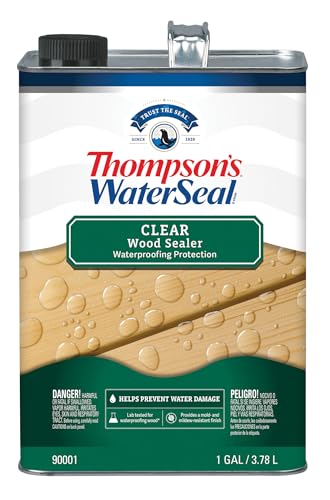
Helps Prevent Water Damage

READY-TO-USE DECK STAIN & SEALER: Olympic WaterGuard acorn brown semi-transparent wood stain and sealant combines color and waterproofing in one water-based, ready-mix coat.
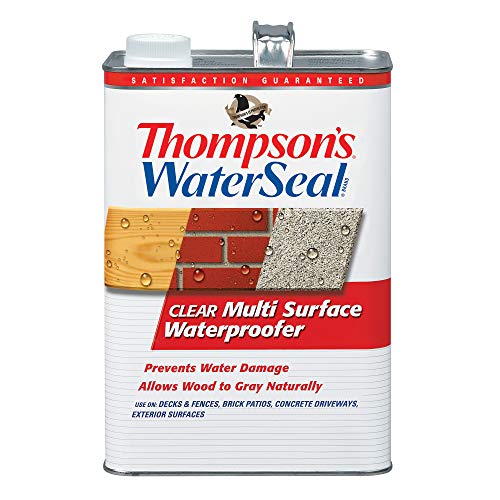
WATERPROOFING STAIN – Bring out the beauty of your outdoors with Thompson’s WaterSeal Clear Multi-Purpose Waterproof Stain. Proven to waterproof concrete, brick, exterior wood and other exterior surfaces.
Select Color Based on Personal Style and Preference
Your personal style and deck’s visual identity should ultimately drive your stain selection, as the color you choose will reflect your aesthetic preferences and lifestyle for years to come. Understanding color psychology helps you align your deck with your desired mood and entertaining style. Warm, natural tones like honey or chestnut create welcoming, casual environments perfect for relaxed gatherings. Rich mahogany or redwood shades evoke sophistication and elegance, suiting formal outdoor spaces. Neutral stains foster connection to nature, ideal for serene settings. Consider your lifestyle preferences: high-traffic decks benefit from darker stains that mask wear, while lighter shades brighten open spaces. Before applying stain, ensure your deck is properly prepared through sanding with medium-grit sandpaper to open the wood pores and create the ideal surface for color absorption. Just as seat height and dimensions affect comfort in outdoor furniture, your deck’s stain color should be chosen with how you’ll physically use and experience the space in mind. Match your color choice to how you’ll use your deck and the atmosphere you want to cultivate for entertaining and relaxation.
Popular Stain Color Choices for Every Home
The palette of available deck stain colors has expanded considerably, offering homeowners distinct options that align with various architectural styles and personal preferences. Cedar tones provide versatile warmth that complements nearly any setting year-round, while Gray shades deliver contemporary sophistication ideal for minimalist designs and modern homes. Redwood options showcase rich ruby or amber undertones that pair beautifully with natural landscaping elements. Bold colors like charcoal and espresso create dramatic contrast and luxury aesthetics on contemporary decks. Coastal hues featuring light beige and sand tones brighten spaces and reflect heat effectively. You’ll find semi-transparent finishes maintain wood visibility across all palettes while delivering durability. When deciding between stain types, consider that oil-based stains penetrate wood more deeply for richer color, while water-based options dry faster and offer greater eco-friendliness for environmentally conscious homeowners. For outdoor living spaces, pairing your deck stain with complementary patio furniture materials like sling fabric replacements can enhance both aesthetics and comfort. Consider your home’s exterior architecture, surrounding landscape, and desired ambiance when selecting from these established options.

ONE‑COAT PROTECTION: Oil‑base formula seals and protects exterior wood surfaces in a single coat, delivering strong defense against water and UV exposure
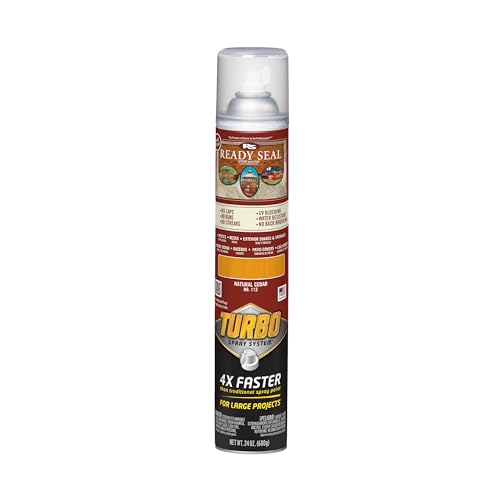
NO LAPS, RUNS OR STREAKS: Goof Proof, oil-based formula now equipped with the powerful Turbo Spray System; ideal for exterior wood projects

PENETRATING OIL-BASED WOOD STAIN – Advanced conditioning oils penetrate deep into wood fibers while drying oils lock in protection, helping prevent cracking, peeling, and premature wood deterioration.
Maintain Your Deck’s Color and Appearance
Selecting the right stain color is only half the battle—you’ll need to commit to regular maintenance if you want that color to last. Start with proper deck cleaning using eco-friendly cleaners and gentle hand scrubbing for routine upkeep, reserving power washing for stubborn stains. Thorough surface preparation guarantees maximum stain adhesion by removing loose paint, filling cracks, and sanding rough areas. After cleaning, allow two to three days for complete drying before application. To achieve even coverage and prevent lap marks, use back-brushing techniques when applying your stain. Apply two coats using brushes for precision and rollers for large surfaces. Work in manageable sections to maintain consistent color throughout your deck. Reapply stain every two to three years or when wood begins graying. Conduct annual inspections to address damage promptly and reseal as needed. Choose mildew-resistant formulations, especially in humid climates, and select high-quality sealants with trans-oxide pigments for superior color longevity and wood protection.

REMOVES TOUGH STAINS: Quickly eliminates stains caused by food, drink, grease, cooking oil and more

Cleans Cleans decks, Fences and other outdoor structures such as pergolas, gazebos and carports

REMOVE TOUGH STAINS: Home Armor Outdoor Cleaner+ powers away dirt, grime, algae, mold and mildew stains. No scrubbing required.