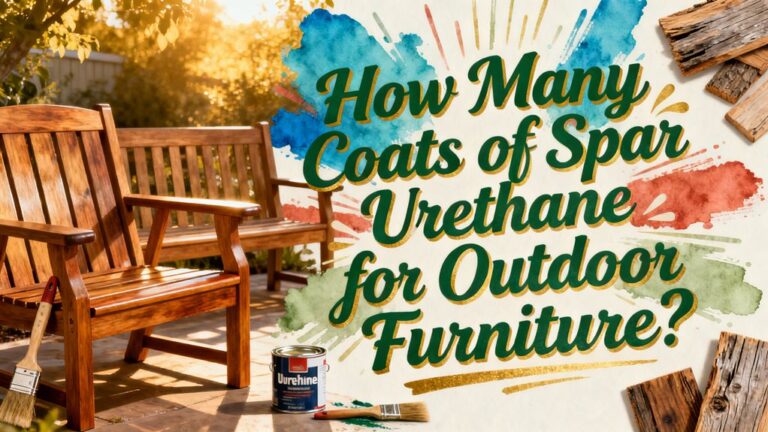
Wood vs. Wicker: Choosing the Best Outdoor Furniture
You’re choosing between two distinct durability philosophies. Teak wood furniture lasts 30–75+ years with minimal maintenance, developing a distinguished silvery-gray patina while resisting moisture and rot naturally. Premium HDPE synthetic wicker delivers 10–20 years of maintenance-free performance with superior UV resistance and color retention. Your choice hinges on long-term cost, climate conditions, and aesthetic preferences—teak justifies premium pricing through longevity, while wicker offers modern convenience. Understanding how each material performs across different climates and seasons reveals which option truly aligns with your outdoor space’s demands.
Durability and Longevity Comparison
When you’re investing in outdoor furniture, understanding how different materials age will shape your long-term satisfaction and maintenance expectations. Durability testing reveals stark longevity factors among materials. Teak wood furniture lasts 20–40 years, leveraging natural oils that resist rot and pests. Teak’s exceptional durability can extend even further, with premium examples lasting 30 to 75+ years with minimal maintenance. HDPE synthetic wicker delivers 10–20 years of reliable performance with superior UV resistance. Aluminum frames paired with wicker provide 15–25 years of rustproof durability. Conversely, pine requires winter storage and deteriorates faster than premium hardwoods. Budget plastic and resin options warrant caution—they’ll warp and fade within 1–5 years. Hand-woven, thick-strand HDPE with aluminum or teak frames prevents sagging and shape loss, maintaining structural integrity where cheaper alternatives fail. To extend the lifespan of your outdoor furniture investment, proper surface preparation and maintenance techniques can significantly enhance durability across all material types. Your material choice directly determines replacement cycles and investment value.
Maintenance Requirements by Material Type
Material maintenance directly determines whether your outdoor furniture investment appreciates or deteriorates over time. Wood care requires consistent seasonal attention—you’ll apply protective sealants, varnishes, or hardwood oils annually to preserve color and prevent UV damage. Hardwoods like teak can last seventy-five years with proper treatment, while pre-treated pieces still need re-staining to prevent cracking. Regular cleaning with mild soap or natural solutions removes dirt and mildew that can compromise wood integrity. For optimal wood preservation, ensure the surface is properly prepared through thorough cleaning and sanding before applying any protective finishes.
Wicker maintenance demands gentler protocols. You’ll perform light cleaning with moistened cloths and mild soap, avoiding power washing that compromises structural integrity. Monthly inspections catch wear early, while breathable covers during extreme weather protect against moisture infiltration.
Both materials benefit from elevation on blocks during storage and relocation to shaded areas during peak sun exposure. Your maintenance commitment directly impacts longevity and aesthetic preservation.

CLEAR SEALANT: Our water-based sealer provides top-notch protection against wear and tear in high traffic areas. It’s odorless and ideal for use on wood siding, log homes, swing sets, outdoor furniture, wooden decks and fences, and more.

🌱 UNLEASH THE BEAUTY OF YOUR OUTDOOR WOOD WITH TEAK OIL: Our premium wood finish and sealer is specially formulated for outdoor furniture, providing waterproof protection and enhancing the natural color and structure of teak, mahogany, pine, beech, oak, and other wood types. Preserve and beautify your outdoor wood with confidence.

Prevents further drying and fading of wood finishes due to sun exposure, temperature variations, and moisture both indoors and outdoors
Weather Resistance and Climate Considerations
Your climate zone fundamentally shapes which materials’ll preserve their beauty and structural integrity over time. In hot, humid environments, teak wood’s natural oils and aluminum-framed synthetic wicker excel at resisting moisture and rust. Cold regions demand materials that withstand temperature fluctuations—synthetic wicker and teak prevent cracking better than standard woods. Coastal areas require salt-air corrosion resistance; teak, stainless steel frames, and HDPE wicker outperform untreated alternatives. Wicker advantages include synthetic variants’ UV-resistant stabilizers and non-absorbent composition, which prevent fading and mildew growth. Wood characteristics vary greatly: while premium teak resists degradation without sealants, lesser woods require frequent maintenance. For extended outdoor durability, pressure-treated wood can last 15-30 years or more with proper maintenance, significantly outlasting untreated alternatives. Polypropylene offers exceptional weather resistance across diverse climates, withstanding sun, rain, wind, moisture, and extreme temperatures without significant damage or fading. Mild climates accommodate most options, allowing natural patinas to develop. Understanding your specific climate guarantees you’ll select furniture that ages gracefully rather than deteriorates rapidly.
Long-Term Cost Analysis
Although premium teak wood commands $2,000 to $8,000 upfront, it’ll deliver approximately $150 annually across a 20-year lifespan, while basic plastic furniture at $150 to $800 costs roughly $167 yearly when replaced every three years. You’ll find polyethylene synthetic resin wicker offers superior cost effectiveness by combining durability with minimal maintenance expenses. Mid-range wicker conversation sets ($1,500–$2,000) require only soap-and-water cleaning, avoiding the specialized sealers and finishes that drain teak budgets. Your investment value peaks with synthetic materials, which resist UV damage and fading without annual repair costs averaging $50–$100. Resin furniture’s non-porous surface prevents water absorption and mold growth, eliminating costly treatments required by natural wood alternatives. Natural materials like spruce demand consistent upkeep with UV-resistant sealers and wood preservatives to prevent rot and decay. Natural materials demand consistent upkeep, inflating long-term ownership expenses despite competitive initial pricing, making synthetic wicker your most economically prudent choice.

★[Durable & Long-Lasting] - Made from premium PE plastic, this rattan is weather-resistant, fade-proof, and built to withstand daily wear — ideal for indoor and outdoor use.
★[Durable & Long-Lasting] - Made from premium PE plastic, this rattan is weather-resistant, fade-proof, and built to withstand daily wear — ideal for indoor and outdoor use.
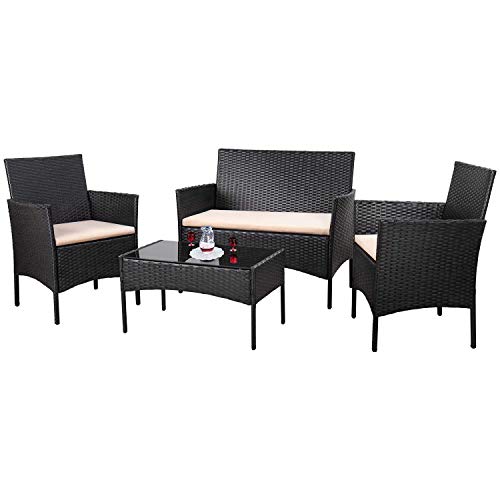
Free Combination for Wide Use: This patio set come with 2 single chairs, 1 double chair and 1 coffee table. It can be placed according to your different outdoor space and your personal preferences. Make it suitable for using in your patio, balcony, backyard, porch, garden, poolside, and so on.
How Your Furniture Will Look Over Time
Beyond the financial advantages of synthetic materials, the visual evolution of your outdoor furniture deserves equal consideration. Wood develops authentic patina development, with teak turning silvery-gray and other hardwoods fading to weathered tones that many find characterful. This organic aging reveals wood grain texture beautifully, though untreated pieces risk warping or cracking. Larch wood, for instance, weathers to a distinctive silver-gray patina that can be maintained with protective oils or saturators. Cedar furniture can maintain its structural integrity for 20 years or more while developing this attractive weathered appearance.
Synthetic wicker offers superior color retention, maintaining its appearance for 10–20 years with minimal fading. High-quality HDPE resists UV damage effectively, while natural wicker becomes brittle and loses vibrancy quickly.
You’ll find that wood’s transformation feels intentional and attractive, while synthetic wicker preserves consistency. Both options require consideration of your tolerance for dimensional stability in high-traffic areas. Your choice depends on whether you prefer furniture that evolves naturally or remains visually stable. Both can look inviting with proper maintenance.
Environmental Sustainability Factors
When you’re selecting outdoor furniture, environmental impact shouldn’t take a backseat to aesthetics or durability. Sustainable sourcing practices matter greatly—teak from responsible plantations and reclaimed wood options both minimize deforestation. Natural wicker sourced from fast-growing Southeast Asian palms offers renewable appeal, yet requires chemical weatherproofing treatments that create non-biodegradable residues.
Recycled HDPE wicker represents the sustainability sweet spot, diverting post-consumer plastics from landfills while remaining 100% recyclable. Synthetic materials’ extended durability reduces replacement cycles, directly addressing waste reduction concerns. Conversely, natural wicker’s short outdoor lifespan necessitates frequent replacements, generating chemically-treated waste.
Wood furniture’s longevity translates to fewer replacements over decades, lowering cumulative environmental costs. Woods like redwood and cedar offer 20-30 year lifespans with proper maintenance, significantly reducing the environmental burden of frequent replacements. Similar to deck staining, protecting wood furniture with waterproof protective coverings during adverse weather extends its lifespan and maintains its integrity. Local manufacturing further reduces your carbon footprint by minimizing transportation distances. Consider how material lifecycle ultimately determines your furniture’s true environmental legacy.
Teak Wood: Premium Performance and Value
Teak stands as the gold standard in outdoor furniture materials, delivering a rare combination of inherent durability and refined aesthetics that justify its premium price point. You’ll appreciate teak’s natural oil content and dense grain, which resist moisture, rot, and insect damage without requiring preservative treatments. The teak benefits extend beyond durability—you’re gaining furniture that lasts 50-70 years or more. Like other premium hardwoods, teak’s extreme hardness and natural oils enable it to withstand extreme temperatures and weather conditions throughout the year.
Regarding teak aesthetics, you’ll enjoy the wood’s rich golden-brown color that gracefully weathers to an attractive silvery-gray patina. This natural aging process enhances visual appeal while maintaining structural integrity. You’ll find teak versatile across design styles, from rustic to contemporary. While teak outperforms mahogany in weather resistance, mahogany offers a more affordable alternative that still provides excellent durability when properly finished and maintained. Minimal maintenance—occasional rinsing suffices—means you spend more time enjoying your outdoor space and less time on upkeep.

【Premium Acacia Wood Construction】Crafted from high-grade acacia wood, this set combines durability with exotic beauty. Naturally resistant to outdoor elements, acacia maintains its rich, sleek appearance without darkening over time. Its sturdy hardwood frame ensures long-lasting resilience against wear and tear, making it a timeless investment for your patio or garden.

ACACIA WOOD: Made with acacia wood that brings a sleek and exotic look to your space, this durable hardwood naturally withstands outdoor elements and will not darken over time. Acacia wood is perfect as a solid, heavy frame that resists wear and tear.

DURABLE WOOD:This bistro set is made of real Acacia wood with a natural finish. This chat set is solid, strong and durable.This table chair set is Crafted from solid, weather-resistant natural acacia wood for beauty and long-lasting durability.Acacia wood is strong and durable.No splinter, rust, crack, chip or peel.Chat Set Bistro Set Table Chair Set.
All-Weather Wicker: Modern Convenience and Style
All-weather wicker represents a modern evolution in outdoor furniture—a synthetic alternative engineered to deliver the aesthetic warmth of natural wicker without its inherent vulnerabilities. Constructed from high-density polyethylene woven onto aluminum frames, you’ll find this material resists moisture, UV damage, and mold indefinitely. Its design versatility shines through countless color options and weaving patterns, allowing you to customize your outdoor space effortlessly. You can shift pieces seamlessly between indoor and outdoor settings, maximizing your investment. The lightweight composition makes repositioning furniture hassle-free, while its aesthetic appeal rivals traditional wicker’s charm. With only occasional cleaning required, you’ll maintain that fresh-looking finish for over a decade. Unlike natural materials, synthetic rattan offers resistance to fading and weathering that ensures your furniture maintains its appearance through years of exposure to the elements. For enhanced comfort and breathability in humid climates, consider pairing your wicker furniture with sling fabric replacements designed to complement your outdoor aesthetic. This material combines durability with style, making it your practical choice for year-round outdoor living.

DURABLE MATERIAL: JOYURE rattan patio furniture set is made of brown PE rattan which is hand-woven and strong steel frame, It is durable enough to withstand rain and wind for long time using. the powder coated steel frame inside the sofas makes sofa sturdy

Outdoor bar set comes with 2pcs outdoor bar stools and 1pc outdoor counter height table, wicker bar stools set of 2 are ergonomic design with slightly-slanted backrest and extra wide seat, curved high backrest support, matches the human backline entirely, built-in footrest construced with sturdy tube, patio bar table is unique design of outline and cross bar with full weaving of durable commercial grade high-quality espresso brown synthetic resin wicker
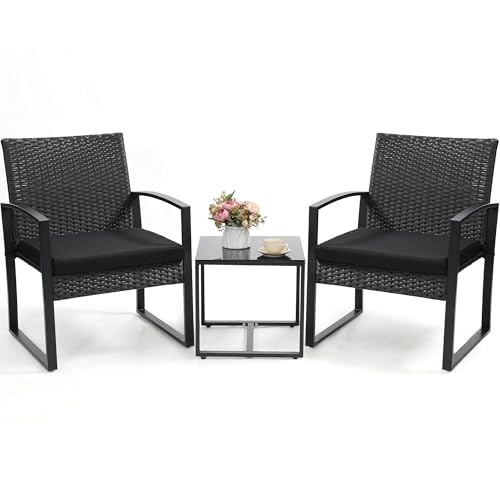
【AESTHETIC AND MINIMALIST DESIGN】The legs connected with seat and armrests. It looks like simple and modern. Each chair has self-adjust feet at the bottom. you can adjust it according to the ground conditions, keep the chair balance.
Selecting the Right Material for Your Space
Your material choice fundamentally shapes both your outdoor space’s longevity and visual character. You’ll want to align material sourcing practices with your climate and maintenance capacity. Wood offers warmth and natural beauty but demands consistent sealing in moisture-prone regions. Metal furniture withstands harsh weather and storms with minimal upkeep, though some metals require rust prevention. Composite materials deliver aesthetic harmony by mimicking wood’s appearance while eliminating maintenance burdens through superior durability.
Consider your specific environmental conditions carefully. High-wind areas favor metal’s structural integrity. Rainy climates demand wood’s special sealants or composite’s inherent resistance. If you’re considering wood like acacia, understand that while it’s naturally resistant to rot, it typically lasts 15-20 years and requires more frequent sealing in humid environments compared to premium alternatives. Eucalyptus wood, by contrast, lasts approximately 25 years with proper maintenance and offers comparable durability to teak at a significantly lower cost. Your aesthetic preferences matter too—wood provides rustic refinement, metal offers contemporary possibilities, and composites balance both beautifully.
Evaluate long-term costs alongside initial investment. Budget constraints may favor aluminum’s affordability, while premium woods justify higher upfront expenses through potential appreciation and decades of durability.

BUILT TO LAST: Made from durable steel, this outdoor chair set is designed to withstand the elements. The powder-coated finish protects the metal from UV rays, rust, and harsh weather.

OUTDOOR RESTORER: Penetrates deep to restore faded & weathered outdoor surfaces.

🌞【Sturdy and Rust-Resistant】The Garden Bench is powder coated with rust-resistant finish, super smooth. The Park Bench is made of reinforced steel to ensure sturdiness and stability, durable and the Metal Bench perfect for use for years. Outdoor benches clearance Garden Bench Patio Bench Yard Bench Park Bench Metal Bench.