Is Spruce a Good Choice for Outdoor Furniture?
Spruce isn’t your best bet for outdoor furniture unless you’re willing to commit to intensive maintenance. Its soft wood absorbs moisture rapidly, leading to rot, warping, and mold within 1-3 years without protective treatments. You’ll need to apply UV-resistant sealers annually and perform regular deep cleaning. However, spruce does offer lightweight handling and an affordable price point for decorative, low-traffic settings like covered patios. The right treatment options can extend its lifespan considerably.
Durability and Lifespan Concerns
While spruce’s affordability makes it tempting for outdoor furniture projects, you’ll find its durability disappoints compared to hardwoods. Spruce furniture typically lasts only a few years in outdoor environments, though proper maintenance can extend this to 10-15 years. Your durability challenges stem from spruce’s soft wood composition, which resists weathering far less effectively than cedar, teak, or acacia alternatives. In contrast, woods like Siberian larch can last 10-50 years or more due to their high density and natural resistance to decay and pests.
You’ll notice warping and cracking develop rapidly when the wood faces consistent moisture and UV exposure. Without regular staining and sealing, structural integrity weakens quickly under everyday use. For outdoor furniture that requires stability and longevity similar to pergola structures, consider implementing reinforcing techniques that enhance durability through proper construction methods. Your lifespan expectations should remain realistic: spruce suits decorative or occasional-use applications rather than high-traffic outdoor dining setups. If you’re budget-conscious and willing to accept shorter durability, spruce remains acceptable, but superior alternatives exist for long-term investments.
Moisture and Rot Vulnerability
Spruce’s open-pore structure creates a significant vulnerability that you’ll need to address before placing it outdoors. This wood absorbs moisture readily, leading to swelling, warping, and cracking. Unlike cedar or redwood, spruce lacks natural oils that resist decay, making it susceptible to rot within 1–3 years without protection.
Moisture retention accelerates deterioration, especially in humid or rainy climates. You’ll face mold, mildew, and fungal growth if you leave spruce untreated. For effective rot prevention, apply UV-resistant sealers or marine-grade varnish every 1–2 years. Proper treatment extends protection several years, but ongoing maintenance remains essential. Given these demands, spruce works better for decorative indoor pieces than permanent outdoor furniture, where hardier options like fir or cedar prove more practical.
Fire and Weather Resistance Limitations
As a softwood, spruce presents significant fire and weather challenges that’ll complicate your outdoor furniture plans. You’ll need to address fire safety concerns immediately, since spruce is highly combustible without chemical treatment—an added expense that diminishes over time through UV exposure and weathering.
Weather effects pose equally serious problems. Spruce lacks the natural durability to withstand rain, snow, and temperature cycling. You’ll watch your furniture warp and deteriorate as repeated expansion and contraction work the wood apart. Unlike fir, larch, and Douglas fir, spruce offers no inherent protection against these environmental stresses. Similar to how rubberwood’s moisture absorption causes deterioration when exposed to outdoor elements, spruce readily absorbs water and becomes susceptible to warping and swelling without proper treatment. To maintain your outdoor spruce furniture, you should allow it to completely air-dry in direct sunlight after exposure to moisture, as this helps prevent mold growth and UV damage.
Consider carbonized spruce as a practical alternative. This deep charring process enhances weather resistance affordably, protecting your investment without extensive chemical treatments or ongoing maintenance demands.
Maintenance Requirements and Products
Given spruce’s vulnerability to weathering and fire damage, you’ll need to commit to consistent maintenance and protective treatments to preserve your outdoor furniture.
Start with proper cleaning techniques: use mild soap and warm water with a soft cloth, scrubbing along the wood grain to avoid scratches. Light sanding with 80- to 120-grit sandpaper before refinishing smooths weathered surfaces and prepares wood for treatment. For optimal durability, consider applying a penetrating wood sealer followed by a UV-protective topcoat for comprehensive moisture and sun protection.
Apply UV-resistant protective coatings annually—products like Osmo UV-Protection Oil, Ronseal Ultimate Protection Decking Oil, and Cuprinol UV Guard Decking Oil shield against sun damage and moisture. These finishes create barriers against rain and humidity while preserving color vibrancy.
Dust regularly with microfiber cloths and wipe spills immediately to prevent stains and mold. Conduct seasonal deep cleaning and touch up finishes promptly to prevent further degradation. For added protection during periods when furniture is not in use, consider covering your furniture to shield it from environmental damage.

GARDEN BED WOOD SEALER - For Use On Cedar And All Wood Types Used In Raised Bed Gardens. Deep Penetrating, Natural Oils, Bond With Wood Fibers To Protect Wood For A Decade Or More

CLEAR WATERPROOFING WOOD SEALER: Olympic WaterGuard clear sealer waterproofs and protects exterior wood and masonry without changing the surface's natural look.
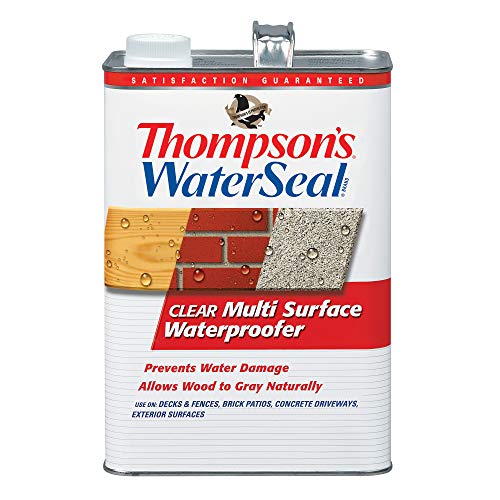
WATERPROOFING STAIN – Bring out the beauty of your outdoors with Thompson’s WaterSeal Clear Multi-Purpose Waterproof Stain. Proven to waterproof concrete, brick, exterior wood and other exterior surfaces.
Structural Advantages and Workability
While maintenance demands attention, spruce’s structural properties make it a surprisingly capable choice for outdoor furniture construction. You’ll benefit from spruce’s exceptional strength-to-weight ratio, which allows you to build sturdy pieces without excessive material bulk. The wood’s specific gravity of 0.35 to 0.45 enables efficient load-bearing capabilities that support significant weight demands.
Beyond strength benefits, you’ll appreciate spruce’s remarkable workability. Its soft composition and uniform grain structure facilitate easy carving, sanding, and shaping for custom designs. You can cut and machine spruce without specialized equipment, reducing both labor time and fabrication costs. The cellular structure of tracheids guarantees consistent tool engagement during processing, making shaping ease a genuine advantage for outdoor furniture projects requiring precision and customization.
Cost-Effectiveness and Sustainability
Beyond its structural advantages, spruce delivers compelling economic benefits that make it particularly attractive for outdoor furniture projects on a budget. You’ll find spruce markedly cheaper than premium hardwoods like oak, while its lightweight nature reduces labor costs during production.
The wood’s sustainability credentials strengthen its value proposition. Spruce grows quickly with short lifecycles, meaning you’re supporting responsible forestry when you choose sustainably sourced options from managed plantations. Market dynamics favor spruce availability across Europe and North America, keeping prices competitive and stable.
Though spruce requires regular maintenance and protective treatments outdoors, you’ll spend less on upkeep than harder woods. Early sealing investments extend durability, balancing initial costs against long-term expenses. This combination of affordability and eco-friendly sourcing methods positions spruce as a practical choice for environmentally conscious furniture buyers.

COMFORTABLE & STYLISH DESIGN: This patio set has thick, high-density rebound sponge cushions for cozy seating. Its simple, stylish look suits patios, balconies, poolside, or gardens.

【PE Rattan & Solid Structure】Patio furniture made of high-quality and durable Steel Frame and hand-woven Rattan, Built to last, resistant to deformation, large load capacity. Hand-woven rattan provides both elegance and adaptability to all weather conditions.

Modern and Ergonomic Design: The design of our patio furniture set is simple, stylish and Ergonomic. It is perfect to decorate your your yard, poolside, balcony, patio and indoor area. Provide great comfort for you while you are enjoying your leisure time
Comparing Spruce to Premium Hardwoods
When you’re weighing spruce against premium hardwoods like mahogany, oak, and ipe, the differences become immediately apparent in density, durability, and performance. Hardwoods outlast spruce considerably outdoors due to their natural oils and dense cellular structure, resisting rot and insects without extensive treatment. You’ll find spruce requires protective coatings to match that longevity.
The appearance comparison reveals distinct grain characteristics worth considering. Spruce offers fine, straight graining in light, neutral tones—ideal for modern aesthetics and customization with various stains. Premium hardwoods showcase pronounced, richer grain patterns in darker hues that develop character over time, though they demand more maintenance outdoors.
Practically speaking, you’ll appreciate spruce’s lightweight handling and easier machining for custom projects. Hardwoods provide superior solidity but pose shipping and installation challenges due to their considerable weight. Both materials benefit from fabric sealants and other protective treatments to extend their outdoor lifespan and prevent moisture damage. Like fabric materials for outdoor furniture, wood furniture also requires attention to breathability and moisture to prevent trapped moisture that can lead to mold and mildew issues.

LONG-LASTING PROTECTION - Outperforms any teak oil or sealer, even under harsh tropical sun and salt conditions; a reliable choice for all your fine woods

Repels moisture as it enhances wood's natural beauty. Protect your outdoor furniture from mother nature and protect your investment.

3-IN-1 FORMULA: WOOD STAIN, WOOD SEALER, & PROTECT IN ONE COAT: Stop layering multiple products. SENVEN’s advanced water-based formula combines rich, even pigment with a deep-penetrating sealer and durable wood protector. It revitalizes old wood with a natural matte finish while building a cellular-level barrier against water, UV rays, and saltwater spray—all in a single, time-saving application. No primer, no topcoat needed.
Treatment Options for Extended Outdoor Use
To keep spruce viable for outdoor furniture, you’ll need to apply protective treatments that address its inherent vulnerabilities to moisture, rot, and UV damage. Your primary treatment methods include pressure treatment with copper-based preservatives like ACQ, which extends outdoor lifespan to 10–15 years with proper maintenance. You can also consider heat treatment for improved decay resistance, though this may compromise mechanical strength.
For preservation techniques, oil-based finishes such as tung or linseed oil penetrate fibers effectively, requiring reapplication every 6–12 months. Alternatively, film-forming finishes like spar urethane offer superior water resistance but demand thorough surface preparation and annual maintenance. With proper maintenance and treatment, pressure-treated spruce can achieve the greater durability comparable to other treated wood species for outdoor applications. In contrast, resin furniture requires minimal maintenance and can last for many years with exceptional resilience against harsh weather conditions. Whichever approach you choose, combine treatments with consistent inspection and prompt repairs to maximize durability.
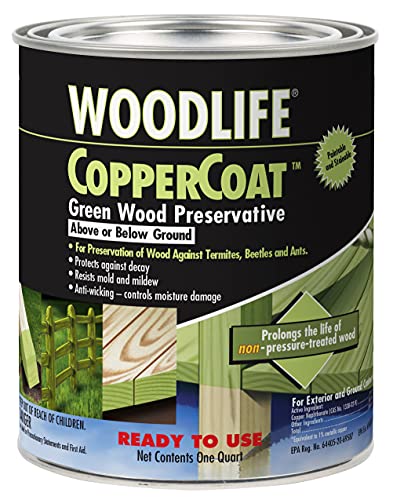
EPA-registered, insecticidal exterior wood preservative prevents attacks from termites and other wood boring insects while protecting against rot and decay


EPA-registered, fungicidal exterior wood preservative and water repellent
When Spruce Works Best for Outdoor Furniture
Now that you’ve established a protective treatment plan, it’s worth considering whether spruce actually fits your outdoor furniture needs in the first place. Spruce works best for low-traffic, decorative settings where you won’t subject pieces to constant stress or moisture exposure. Its lightweight furniture characteristics make it ideal for items you’ll move or reposition frequently. Consider spruce for covered patios, porches, and sheltered areas rather than open decks. The spruce aesthetics—clean grain and light color—shine in modern outdoor spaces, especially when you apply custom stains or paint finishes. Stick to smaller pieces like benches, planters, or side tables. If you live in a mild climate and’ll store furniture during harsh seasons, spruce delivers style and affordability without overengineering.

【DURABLE MATERIAL】This side tables are made of recycled plastic HDPE material that is more weather resistant than other poly lumber table.HDPE is an eco-friendly solution to wood.Weatherproof, heavy-duty construction withstands a range of environmental stressors,Weatherproof, heavy-duty construction withstands a range of environmental stressors

【DURABLE MATERIAL】This side tables are made of recycled plastic HDPE material that is more weather resistant than other poly lumber table.HDPE is an eco-friendly solution to wood.Weatherproof, heavy-duty construction withstands a range of environmental stressors,Weatherproof, heavy-duty construction withstands a range of environmental stressors

All Weather Resistant